Why Switch from a Smartphone Alarm to a Sunrise Alarm Clock?
- Health, Technology
- Exienent
- · Updated
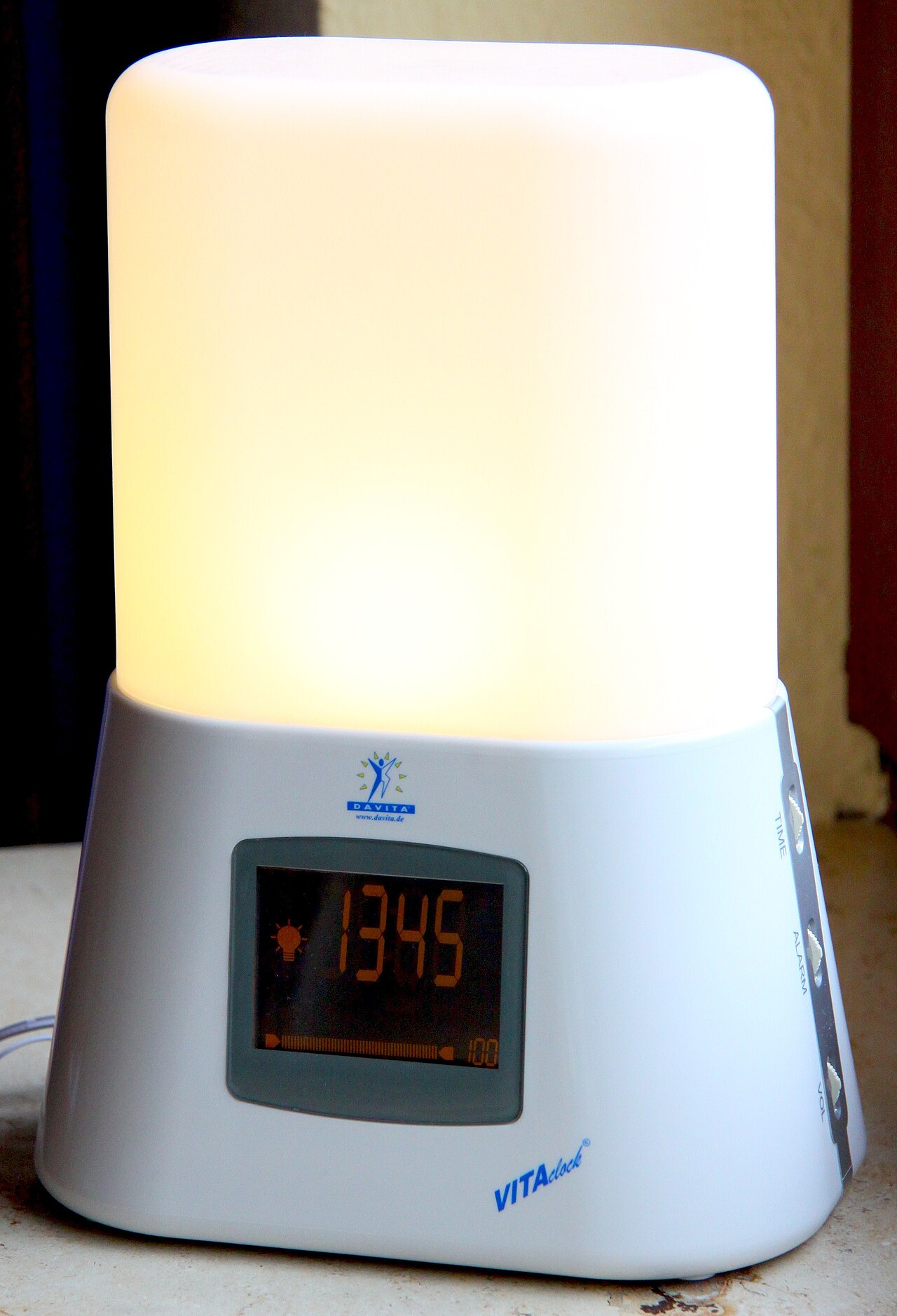
A sunrise alarm clock (also called a wake-up light) replaces a sudden alarm with light that slowly brightens over about 30 minutes, mimicking a natural dawn. For people who wake up groggy, lean on the snooze button, or dread dark winter mornings, it can make waking feel gentler, though it works only if the light can actually reach your eyes and good models cost $100 to $200. It is not a cure for sleep problems, but it may be a worthwhile bedroom upgrade.
Why does a phone alarm feel so harsh?
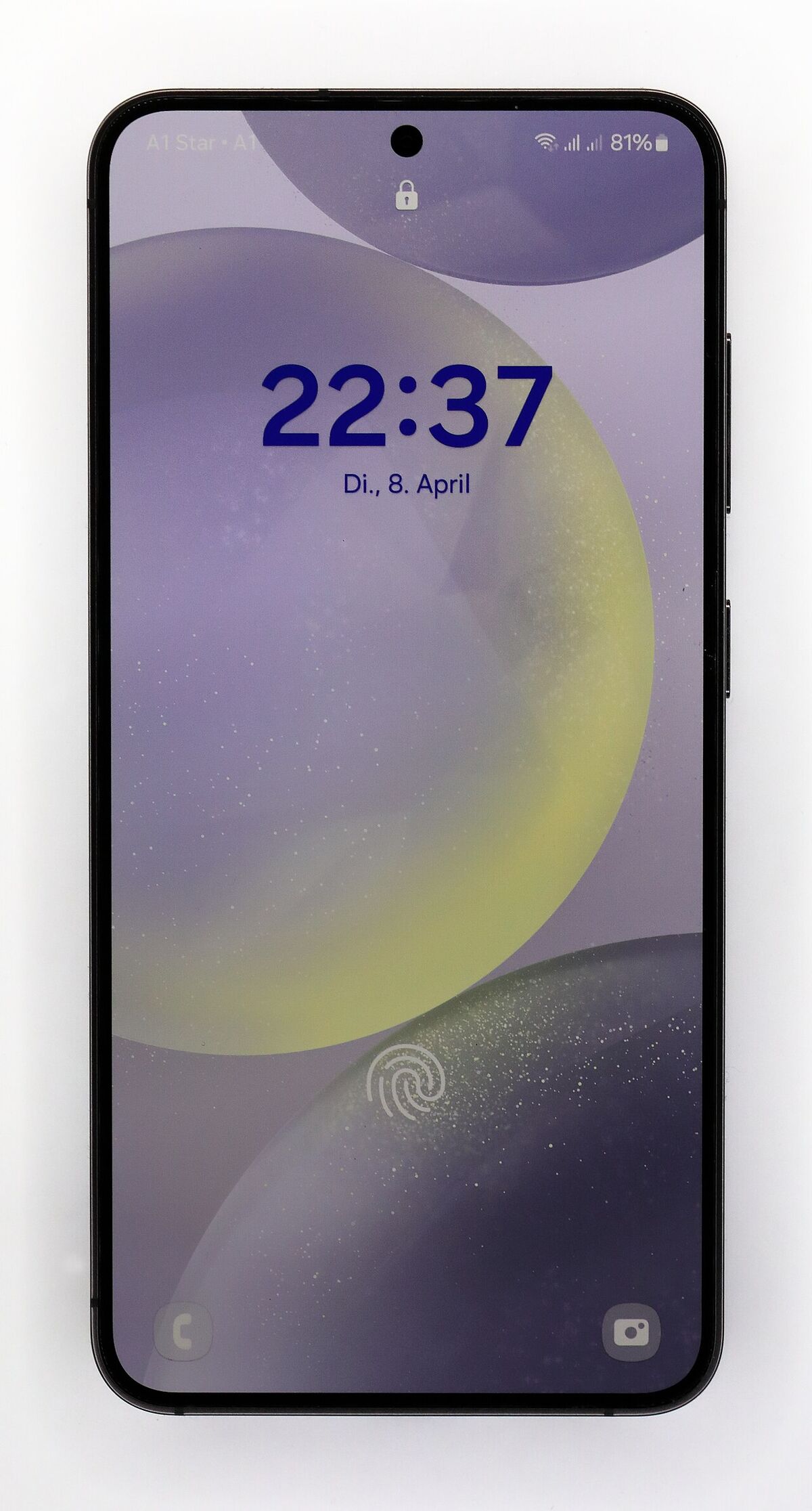
A phone alarm feels harsh because it drags you from total darkness straight to a shrill, panic-inducing blare. It can mean swatting blindly at the nightstand, hitting snooze, and finally dragging yourself out of bed feeling like you've been hit by a truck. No matter how many hours you slept, waking up can feel like an aggressive biological shock.
Podcasters and health influencers promote sunrise alarm clocks as the alternative. The promise is that instead of a loud noise, the clock slowly fills your room with light, gently pulling you out of deep sleep.
How does a wake-up light work?
A wake-up light works by using light to cue your body's internal clock before the alarm sounds. Our bodies run on a circadian rhythm, an internal 24-hour clock heavily influenced by light.
When your retina detects light (specifically the blue and white light spectrums of morning sun), it sends a signal to your brain to suppress melatonin (the sleep hormone) and increase cortisol (the wake-up hormone). Waking up to a sudden, loud alarm in a pitch-black room skips this crucial hormonal transition. Your body goes from deep sleep to high alert instantly, which causes that groggy, disoriented feeling known as sleep inertia.
A sunrise alarm clock tries to fix this by simulating a 30-minute dawn right on your nightstand.
What does waking up with a sunrise alarm feel like?
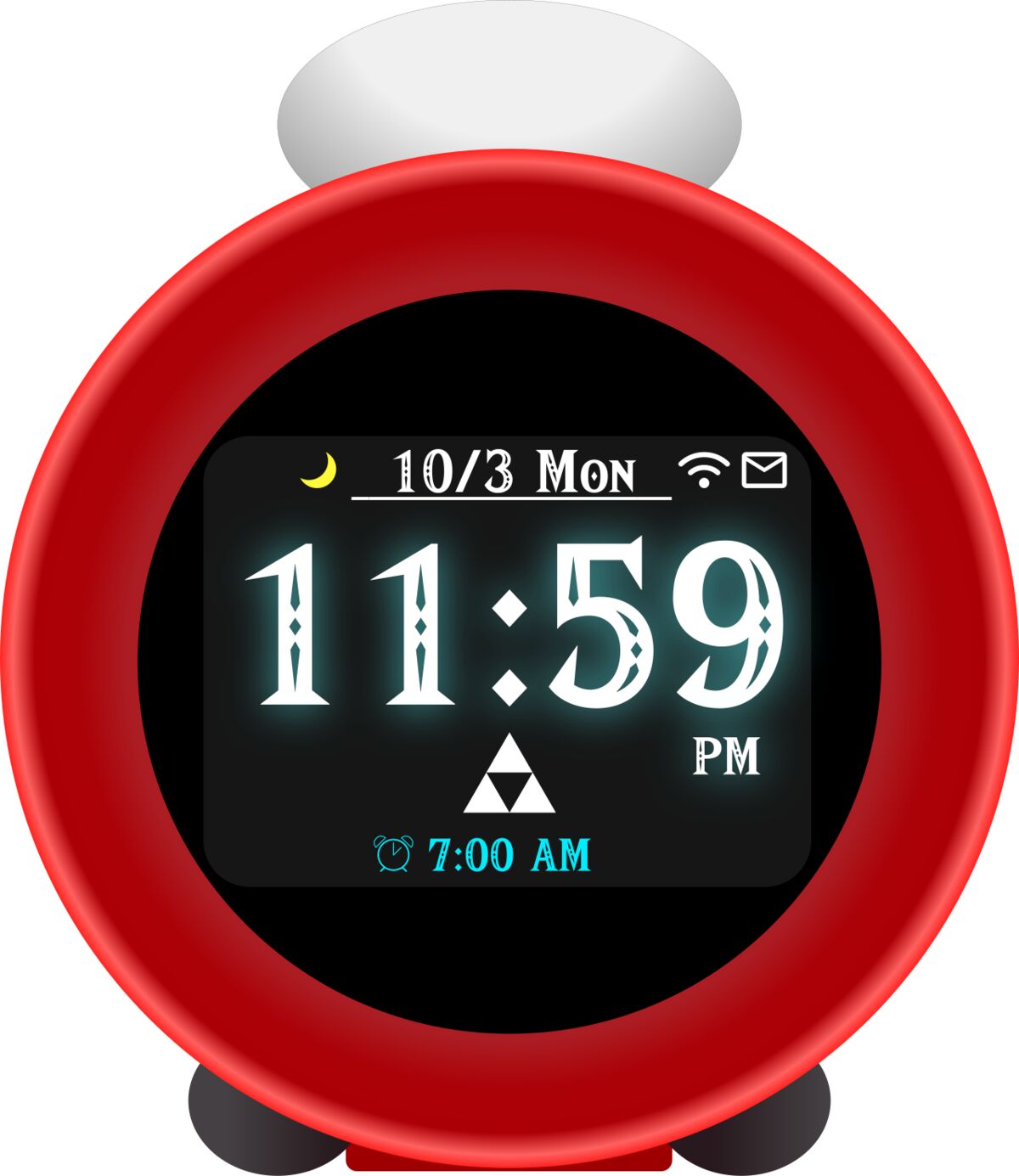
The wake-up starts well before the alarm time. With the alarm set for 6:30 AM, for example, the clock's face turns a very dim, warm red at 6:00 AM. Over the next half hour, the light gradually intensifies, shifting from deep orange to a bright, room-filling yellow-white, and an audio cue such as gentle birdsong chimes in at the set time.
- In the first few days: The effect may be subtle, and you might still wake up tired. One sign the light is doing its job is waking up before the audio starts, as the light pulls you into a lighter sleep stage.
- Over time: Rather than being shocked awake, you may find yourself simply becoming conscious, with a calmer, less grumpy start to the day.
What are the main benefits?
The potential benefits fall into three areas:
- Less Reliance on Snooze: Because the light begins suppressing melatonin before you open your eyes, the physical heaviness that makes people hit snooze may be reduced, so getting out from under the covers can feel more manageable.
- Brighter Winter Mornings: Waking up in the dead of winter, when it is pitch black and freezing outside, feels deeply unnatural. The wake-up light creates artificial daylight in your bedroom, which can make dark mornings feel less grim. It is not a treatment for seasonal depression; anyone with persistent low mood should talk to a doctor.
- Better Sleep Hygiene: Because the sunrise alarm is a dedicated device, you no longer need your phone as an alarm and can leave it charging in the kitchen. Removing the temptation to doomscroll in bed may help you fall asleep sooner.
What are the downsides of a sunrise alarm clock?
It's not pure magic, and there are a few things you should know before buying one:
- You Must Face the Light: If you sleep on your stomach with your face buried in a pillow, or if you wear a sleep mask, the light cannot reach your eyes. The alarm still has an audio backup (like birds chirping or soft bells), but you lose the primary benefit of the gradual light wake-up.
- They Take Up Space: Unlike a sleek phone, these clocks are fairly large domes or discs. You need a decent amount of space on your nightstand, and you have to angle it so the light hits your face directly.
- Price: A high-quality model from a reputable brand can easily cost between $100 and $200. There are cheaper knock-offs, but some have jarring "steps" in brightness rather than a smooth, gradual transition.
Is a sunrise alarm clock worth it?
For the right person, I think yes. A sunrise alarm clock won't magically turn anyone into someone who loves waking up at 6:00 AM, but it can take some of the stress and panic out of mornings by turning the shift from sleep to wakefulness into a gentle ramp-up instead of a violent shock. If you struggle with sleep inertia, rely heavily on the snooze button, or dread dark winter mornings, and you sleep facing the room, a wake-up light is worth considering.