Does a Smart Thermostat Actually Save Money? Costs, Comfort, and Reality
- Technology
- Exien
- · Updated
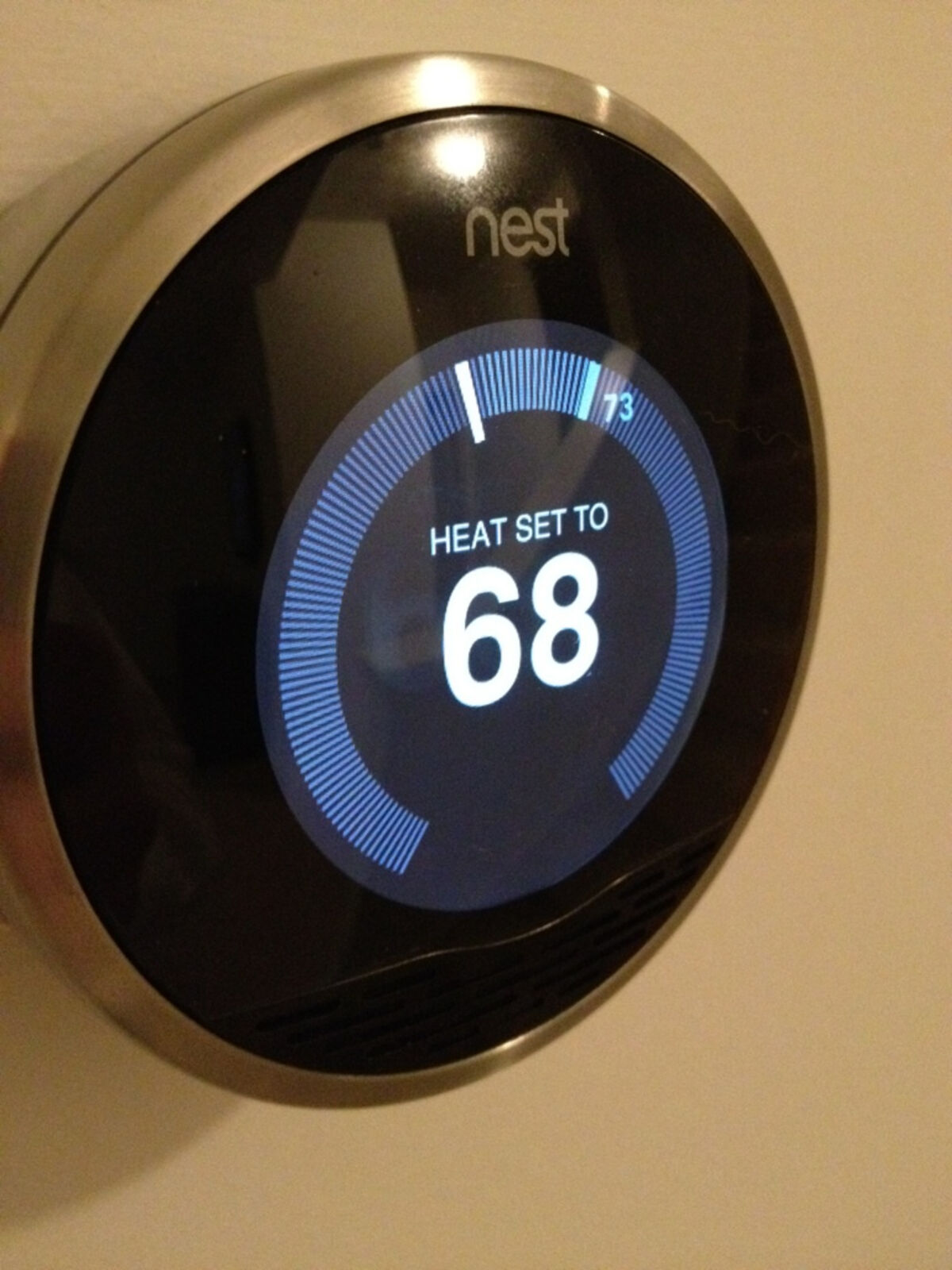
A smart thermostat can save money, but probably not the "up to 25%" the marketing promises, and not mainly through its learning algorithm. Its real value comes from remote access and geofencing, which keep your HVAC from heating or cooling an empty house. That makes it worth it for irregular schedules and close to pointless for a rigid 9-to-5 routine you already program.
Why Upgrade to a Smart Thermostat?
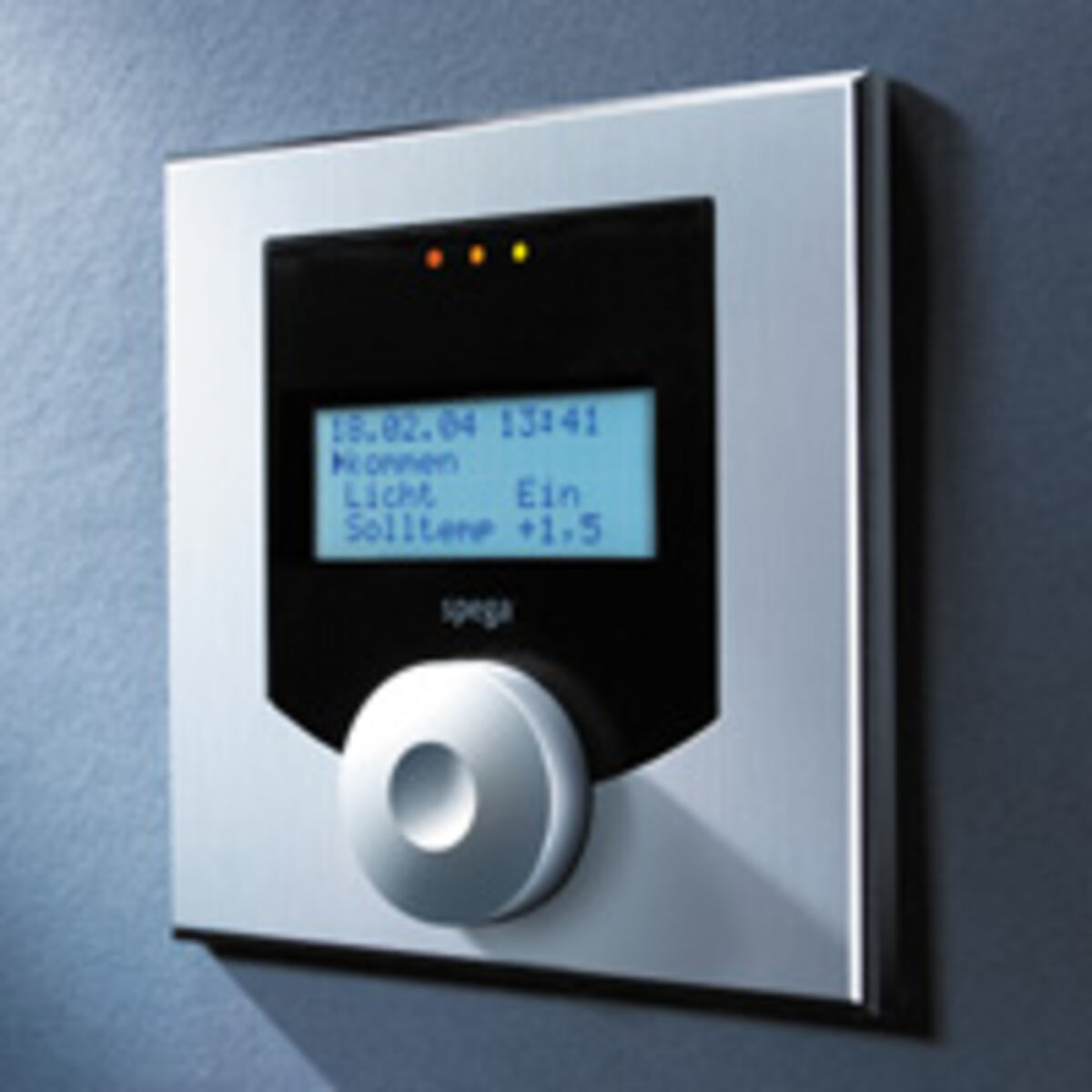
A smart home can start with a few cheap Wi-Fi lightbulbs. It is fun to turn off the lights from your bed, but eventually you start looking for upgrades that actually provide a return on investment. Replacing an old, yellowing plastic thermostat with a premium smart thermostat is a logical next step.
The marketing promises are always massive: "Save up to 25% on your energy bill!" and "It learns your schedule automatically!" The honest question is what it is actually like to hand your home's climate control to an algorithm through a scorching summer and a freezing winter.
Do Smart Thermostat Learning Algorithms Really Work?
The learning feature can be incredibly frustrating if you have an unpredictable schedule. It is also the biggest selling point of high-end smart thermostats: you are supposed to just change the temperature whenever you feel like it for a week, and the device will build a perfect, energy-saving schedule.
With a hybrid schedule—working from home some days and going into the office on others—the thermostat can struggle. It may drop the temperature while you are sitting in your home office because it assumes you have left for work, or aggressively heat the house on a Saturday morning when you just want to sleep in.
A more reliable alternative is to turn "auto-learning" off and rely on geofencing. When your phone leaves the neighborhood, the HVAC goes into eco-mode. When you are driving back home, it kicks on so the house is comfortable when you walk through the door. For an unpredictable life, I think this manual setup is far more dependable than an AI trying to guess your routine.
Does a Smart Thermostat Actually Save Money?
It can, though the savings depend heavily on your home, climate, and habits. This is the question that really matters, since a premium smart thermostat can easily cost over $200.
To measure it fairly, compare a full year of energy bills before installation with a year after, adjusting for differences in weather (a hotter summer, for example, will distort the comparison).
- Winter Heating: If the system knows when you are asleep, it can let the house get cooler at night and fire up the furnace shortly before your alarm goes off, which may trim your gas bill.
- Summer Cooling: This is where geofencing can shine. You avoid paying to cool an empty house, but you never have to walk into a sweltering oven, so peak-summer electricity bills may come down.
Will you save 25%? Probably not. Whether a smart thermostat pays for itself, and how fast, depends on how much you were heating and cooling an empty home before.
Where Does the Real ROI Come From?
The true value of a smart thermostat isn't its ability to magically learn your habits. Its real power lies in remote access and geofencing. If you travel frequently or have a highly variable schedule, the ability to ensure your HVAC isn't running in an empty house is where you are most likely to see a financial return on your investment.
Is a Smart Thermostat Worth It?
If you have a perfectly rigid 9-to-5 schedule and you already manually program your basic digital thermostat, a smart thermostat is largely just an expensive remote control.
However, if your schedule changes daily, or if you simply forget to adjust the dial before leaving for a weekend trip, it can be a game-changer. In my view, it is one of the few smart home devices with a realistic chance of paying for itself over time.