Flying on 100% Sustainable Aviation Fuel (SAF): What It's Actually Like in 2026
- Environment, Technology
- Exienent
- · Updated
Sustainable Aviation Fuel (SAF) is real and it works: it runs in today's jets without modification and cuts lifecycle carbon emissions by about 80% compared to regular jet fuel. But in 2026 it still makes up only about 3% of global aviation fuel and costs nearly three times as much, so it is not yet the silver bullet for guilt-free flying that airline marketing suggests.
Booking a flight can come with a pit in the stomach. Aviation is a massive contributor to global carbon emissions, and "carbon offsets" often feel like a sketchy accounting trick rather than a real solution. That is why SAF has completely taken over the travel industry's vocabulary. Airlines are plastering it on their marketing materials, and when a route is announced as running on a 100% SAF blend, two questions follow: does flying on "recycled cooking oil and agricultural waste" feel any different, and is this actually saving the planet or just another brilliant greenwashing campaign?
What Exactly Is Sustainable Aviation Fuel (SAF)?
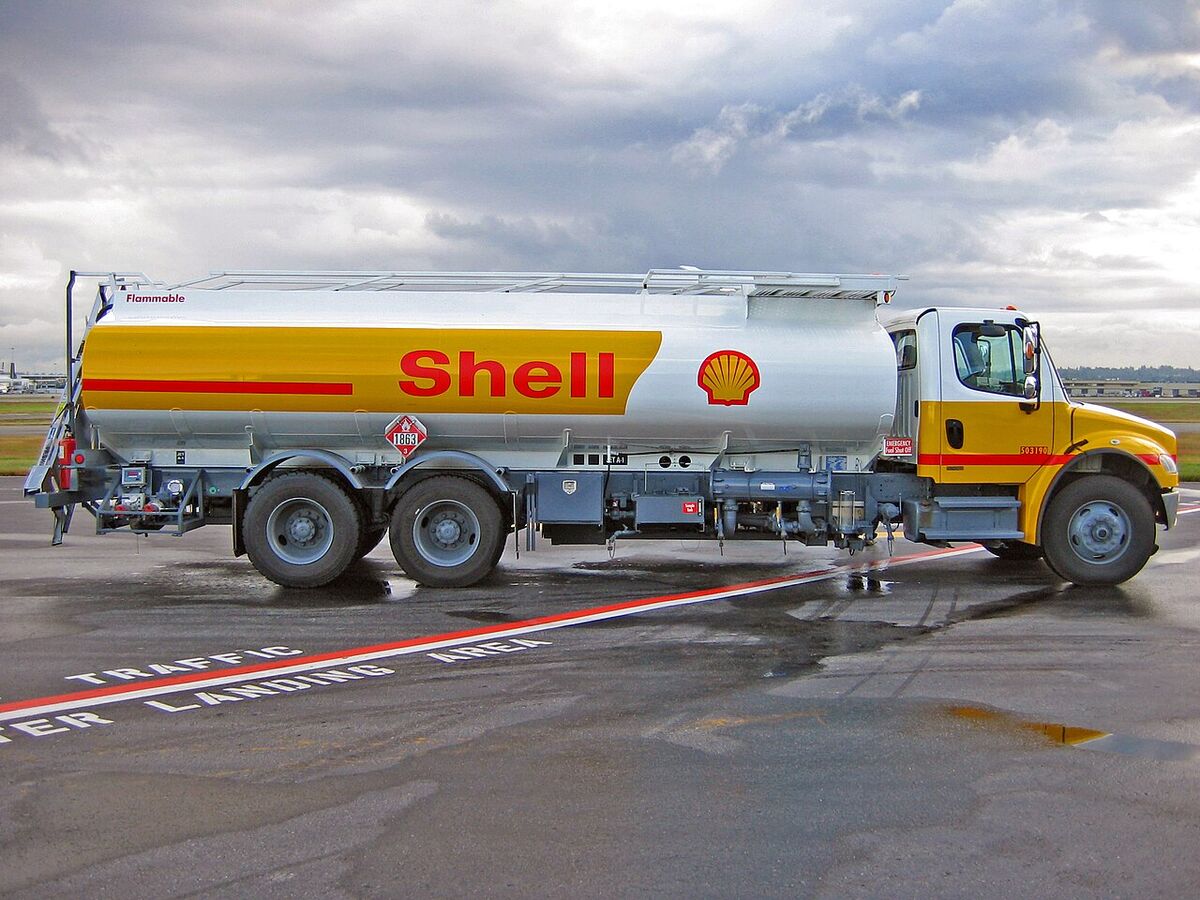
SAF is a liquid fuel that is chemically identical to traditional jet fuel, but it is made from renewable sources. Standard jet fuel, by contrast, is kerosene derived from crude oil pulled out of the ground.
Instead of drilling for oil, manufacturers are creating SAF from:
- Used cooking oil and animal fats collected from restaurants and industrial kitchens.
- Agricultural residues like corn stalks and wood waste.
- Municipal solid waste (literally the garbage we throw away).
- Synthetic processes that combine captured CO2 with green hydrogen (though this is still incredibly expensive and rare).
The brilliant part about SAF is that it is a "drop-in" fuel. Airlines don't need to build brand new airplanes or invent new engines to use it. They can literally pump it into the tanks of a Boeing 787 or Airbus A350 flying today, and the plane won't know the difference.
Does a Flight on SAF Feel Different?
No. Because SAF is chemically identical to conventional jet fuel, a flight running on it should feel exactly like a normal flight.
Given the fuel's origins, it is tempting to imagine the cabin smelling like a giant deep fryer. In practice, there is no reason to expect a difference in engine noise during takeoff, a weird smell in the cabin, or a change in flight time. Unless the pilot announces it over the intercom, passengers would have no way of knowing they were flying on 100% SAF.
And honestly, that is the biggest triumph of this technology. It works with our existing, highly complex aviation infrastructure. You get the exact same travel experience, but with a fundamentally different carbon math happening behind the scenes.
Is SAF Actually Saving the Planet?
Partly. This is where the marketing hype meets the hard numbers of 2026: while airlines love to talk about SAF, the reality of scaling it is incredibly complicated.
Does SAF really reduce emissions? Yes, but with a massive asterisk. When you burn SAF in a jet engine, it still releases CO2 into the atmosphere out of the tailpipe—exactly the same amount as regular jet fuel.
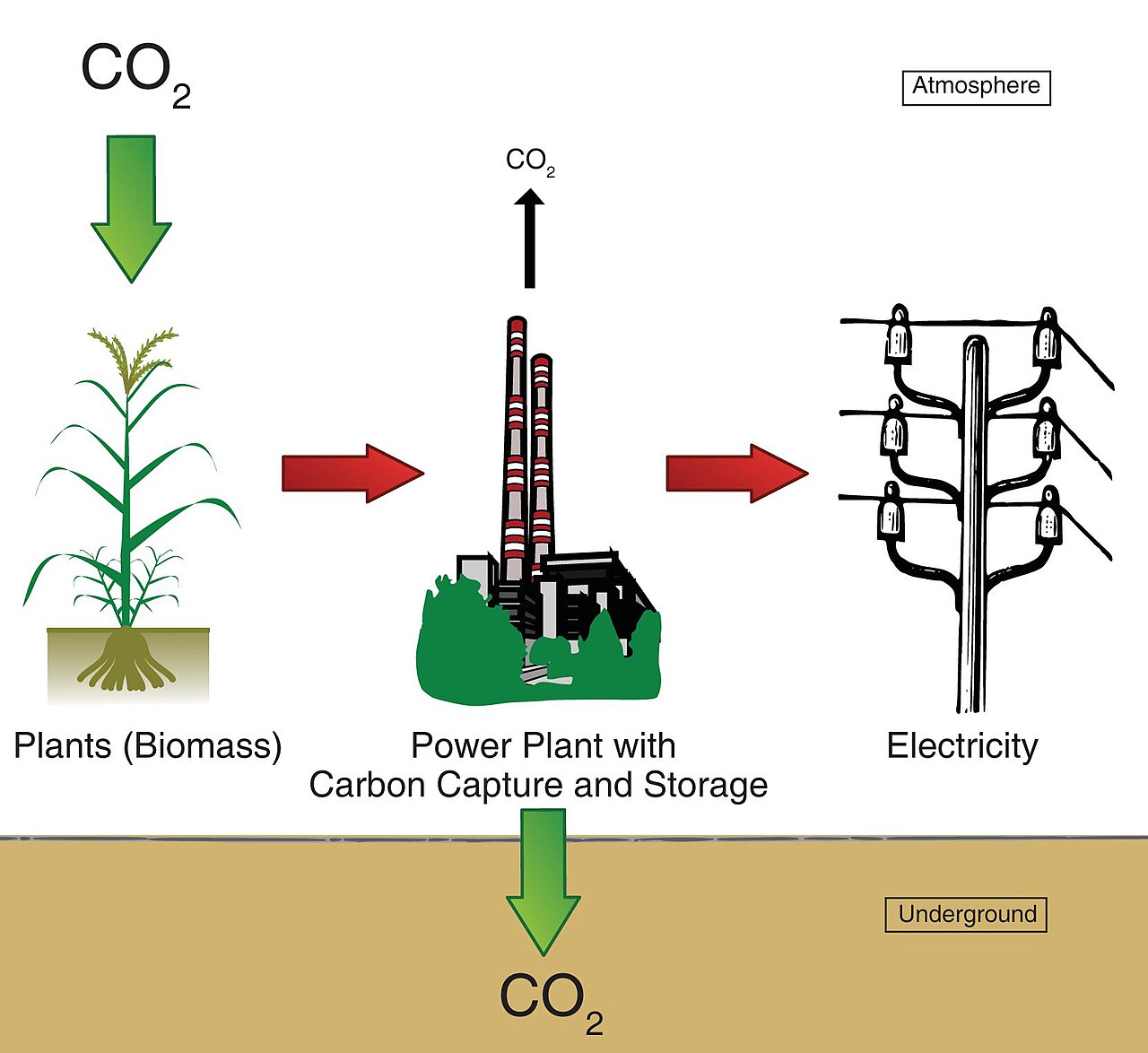
The carbon savings come from the lifecycle of the fuel. Because the plants used to make SAF absorbed CO2 while they were growing, or because we are repurposing waste that would have decayed and released methane anyway, the net emissions are much lower. On average, SAF reduces lifecycle carbon emissions by about 80% compared to traditional jet fuel. It isn't a magical zero-emission technology, but an 80% reduction in an industry as stubborn as aviation is a monumental leap.
Why is SAF still so scarce and expensive? Here is the uncomfortable truth: even in 2026, there simply isn't enough SAF to go around.
- Right now, SAF accounts for roughly 3% of all aviation fuel used globally. That is up significantly from a few years ago, but it is still a drop in the ocean.
- It is also insanely expensive. Making fuel out of used cooking oil is a complex chemical process, making SAF nearly three times more expensive than regular jet fuel. Airlines are absorbing some of that cost to hit their climate goals, but ultimately, those costs are going to trickle down to our ticket prices.
Can SAF Make Flying Guilt-Free?
Not yet. A 100% SAF flight proves that the technology absolutely works, which is cause for both optimism and realism. We don't need to wait for hypothetical electric jumbo jets or hydrogen planes that are still decades away; the solution for drastically reducing aviation emissions is sitting in fuel tanks right now.
However, we cannot let the existence of SAF be an excuse to simply fly more and ignore the environmental impact. The infrastructure to produce enough of this fuel to replace the millions of barrels of crude oil we burn every day is still under construction.
If you have the option to choose a flight powered by SAF, I think you should take it—it is a critical step in signaling market demand. But until SAF scales up massively and the prices come down, the most sustainable flight is still the one you don't take.