Neighborhood Solar Microgrids in 2026: The End of Traditional Power Companies?
- Environment
- Exienent
- · Updated
Can a neighborhood really cut the cord on its traditional utility company? In 2026, a Neighborhood Microgrid makes that possible: a cluster of homes generates, stores, and trades its own solar power peer-to-peer, and can keep running when the main grid fails. The trade-offs are a large upfront investment and a new sense of shared responsibility for energy.
The appeal is easy to understand. Utility bills keep rising even for households that run the air conditioning less and unplug unused appliances. Aging grids bring more frequent outages and higher costs, and customers remain entirely dependent on a massive, centralized monopoly. Installing rooftop solar alone doesn't deliver true energy independence; a microgrid goes further. Here is what trading peer-to-peer energy with neighbors actually involves.
What Exactly is a Neighborhood Microgrid?
A neighborhood microgrid is a local network of homes that produce, store, and share their own electricity instead of relying on a distant power plant.
For a long time, the electric grid was a one-way street. A massive power plant miles away generated electricity and sent it down the wires to your house. You consumed it, and you paid for it.
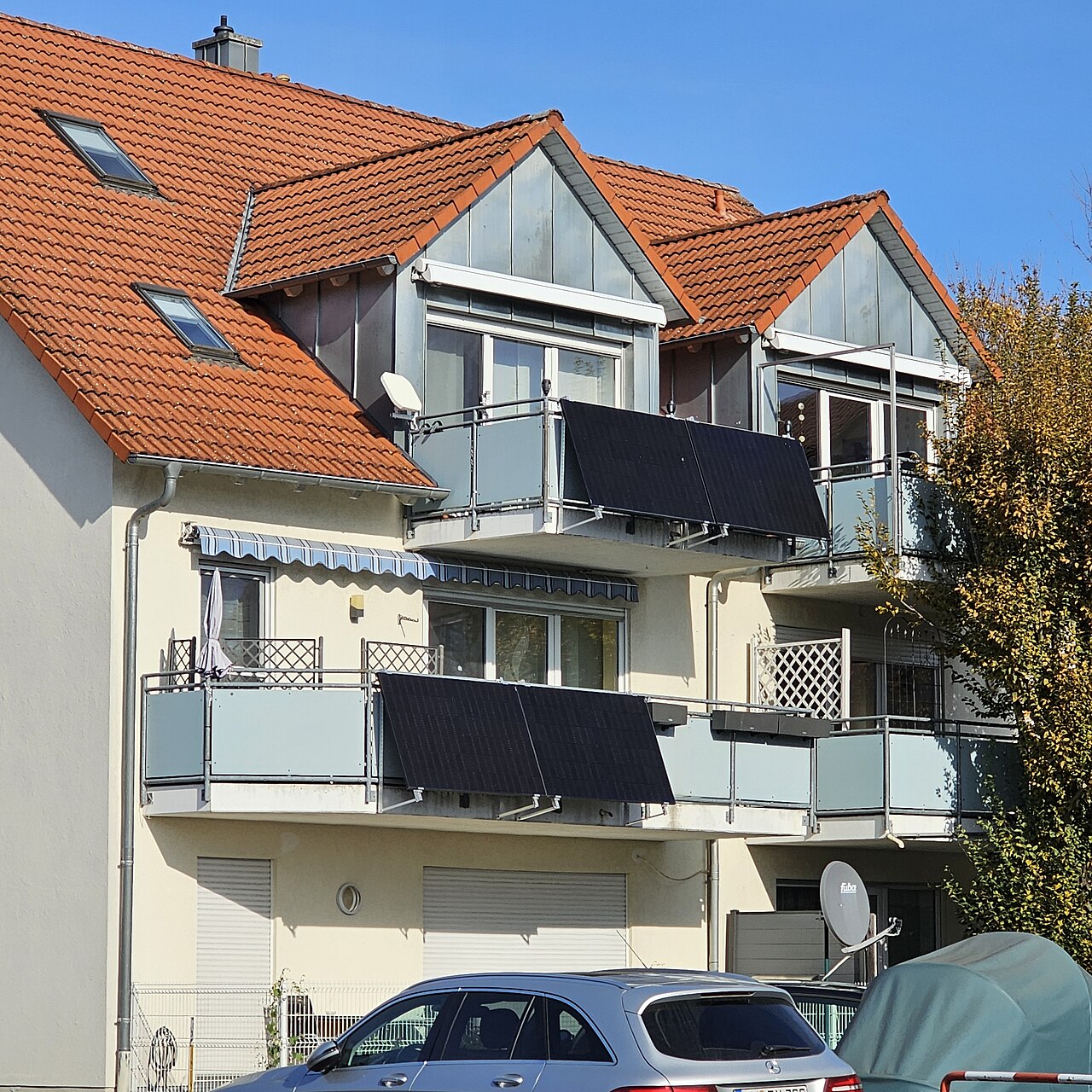
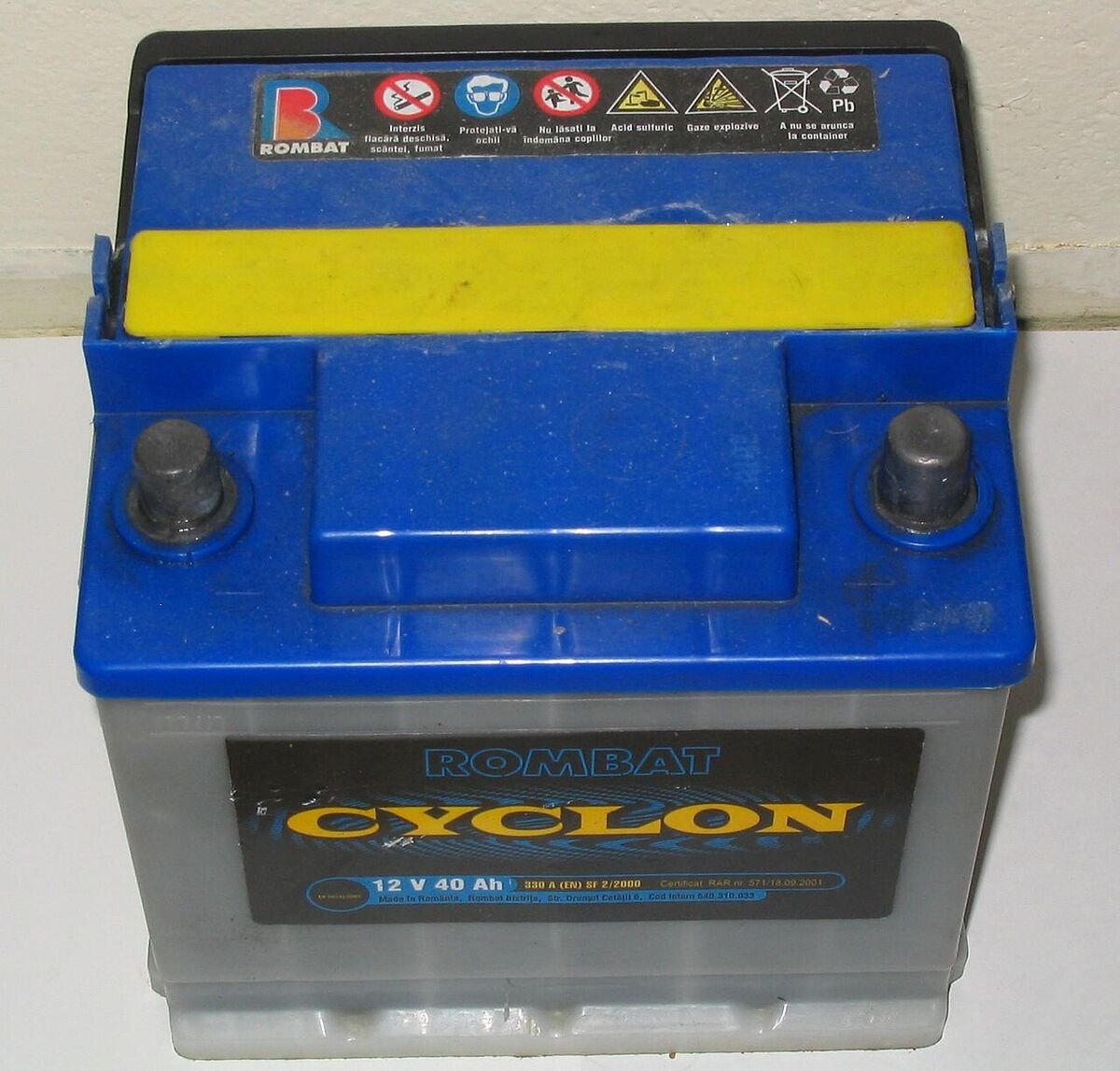
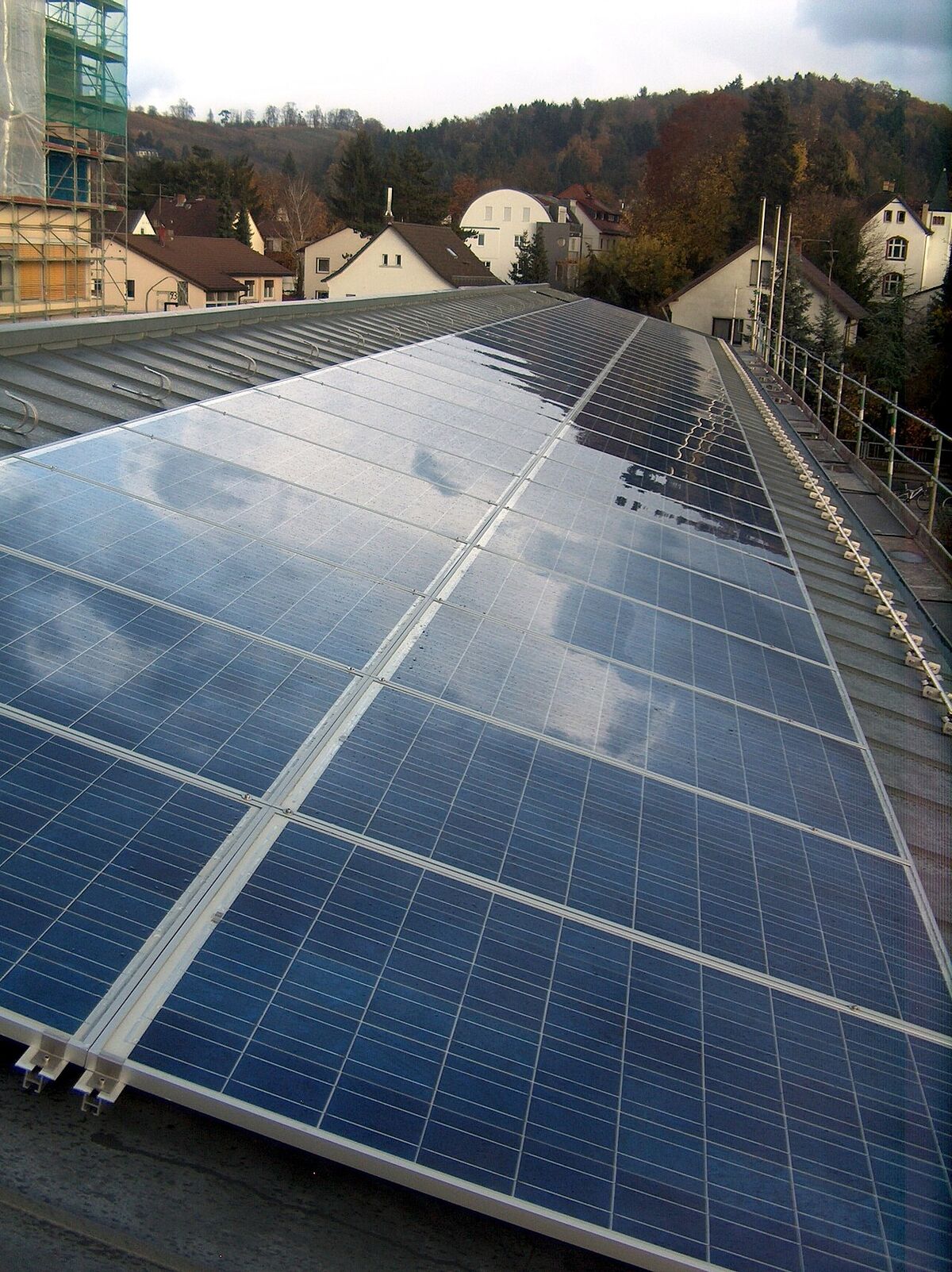
A microgrid entirely flips that model on its head. In this kind of setup, participating homes have solar panels on their roofs and high-capacity battery storage systems in their garages. But the real magic happens in how these homes are connected. They are wired together into their own self-sufficient, decentralized network.
How Does Peer-to-Peer Energy Trading Work?
Peer-to-peer trading is handled automatically by software, not by residents. A microgrid of this kind can run on an automated blockchain-based platform that facilitates Peer-to-Peer (P2P) Energy Trading using smart contracts and AI.
Nobody needs to be an energy trader or sit at a computer all day managing kilowatts. Here is an example of how a daily trade can play out:
- The Surplus: On a bright, sunny Tuesday afternoon, one home's solar panels are generating far more power than the house needs, and its battery is already fully charged.
- The Trade: A neighbor across the street, Sarah, is running her electric vehicle charger and doing multiple loads of laundry. Her house needs more power than her panels are currently producing.
- The Transaction: Without anyone lifting a finger, the microgrid's AI detects the surplus and the deficit. It sells the excess energy directly to Sarah at a dynamically calculated local market rate.
The seller earns a few cents for the energy produced, and Sarah can pay less than she would if she had to pull that electricity from the main city grid. The energy stays local, minimizing transmission loss, and the financial benefits stay in the community.
What Are the Challenges of a Neighborhood Microgrid?
Upfront cost and collective responsibility are the two biggest hurdles. If you are considering lobbying your homeowner's association or local government to set one up, you need to be aware of them.
First, there is the upfront capital. Even with government subsidies and community grants, outfitting dozens of homes with standardized solar hardware, batteries, and the necessary smart meters is a massive initial investment. It can take months of planning and coordination before a single wire is connected.
Second, there is a psychological shift. Residents become responsible for their own energy security. During a prolonged stretch of heavy rain and cloud cover, the community's collective battery storage can dip low. The AI system can then send out a notification suggesting everyone delay running heavy appliances like dryers or pool pumps until the sun comes back out. It requires a level of collective cooperation and mindfulness that you never have to think about when you are blindly drawing power from a massive utility company.
Is Decentralized Power Worth It?
In my view, yes: despite the initial costs and the learning curve, resilience is the strongest argument for a microgrid.
When a major storm knocks out the main power grid, a city can go dark for days. Food spoils in refrigerators, and businesses have to close.
A microgrid neighborhood, however, may barely notice. The microgrid can detect the failure of the main grid, disconnect from the city's infrastructure, and keep running on stored battery power and local solar generation, becoming an island of light in a sea of darkness.
In 2026, the technology to produce, store, and intelligently share energy at a local level has finally matured. Residents no longer have to be passive consumers at the end of a long wire. They can be active participants in a clean, resilient, and community-driven energy ecosystem. The era of the neighborhood microgrid has arrived.