Seeing a Doctor Through a Telemedicine Robot in 2026: The New Normal of Healthcare
- Health, Technology, Review
- Exienent
- · Updated
A telemedicine robot puts a remote doctor's face on an eye-level screen inside a local exam room and gives that doctor built-in medical tools, such as a digital stethoscope, a throat camera and thermal imaging, to examine you physically. For routine visits, it closes the biggest gap of video-call telehealth: the missing physical exam. It is not a replacement for in-person care when you need hands-on treatment.
Why Did Video-Call Telemedicine Feel Like a Half-Measure?
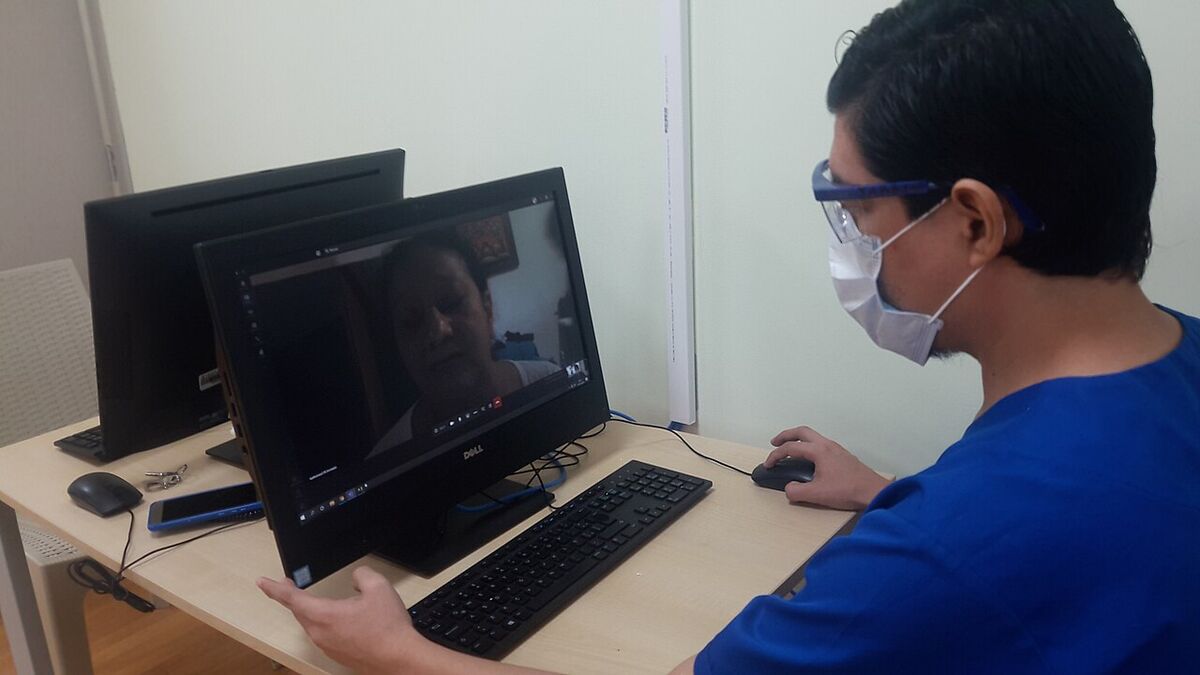
Most of us have done the awkward Zoom call with a doctor by now. You try to angle your laptop camera to show a weird rash while your Wi-Fi stutters, and the doctor squints through the screen, guessing at the diagnosis. It's better than sitting in a germ-filled waiting room, but it always felt like a half-measure.
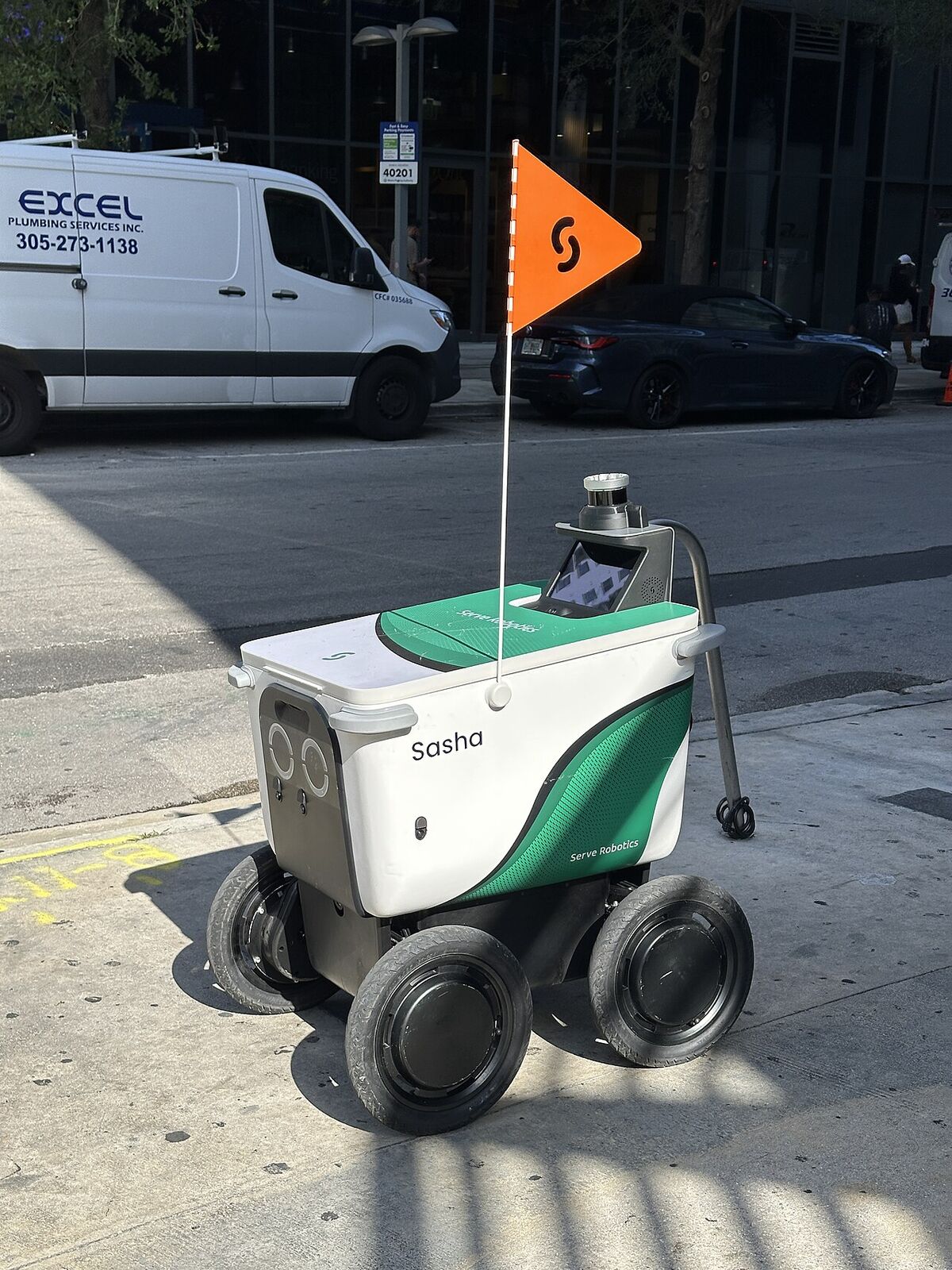
That is the problem the highly automated local clinics popping up in 2026 aim to solve. Instead of a doctor physically in the room, or a flat screen on a desk, the patient is examined through a state-of-the-art telemedicine robot.
What Is a Telemedicine Robot Like in the Exam Room?
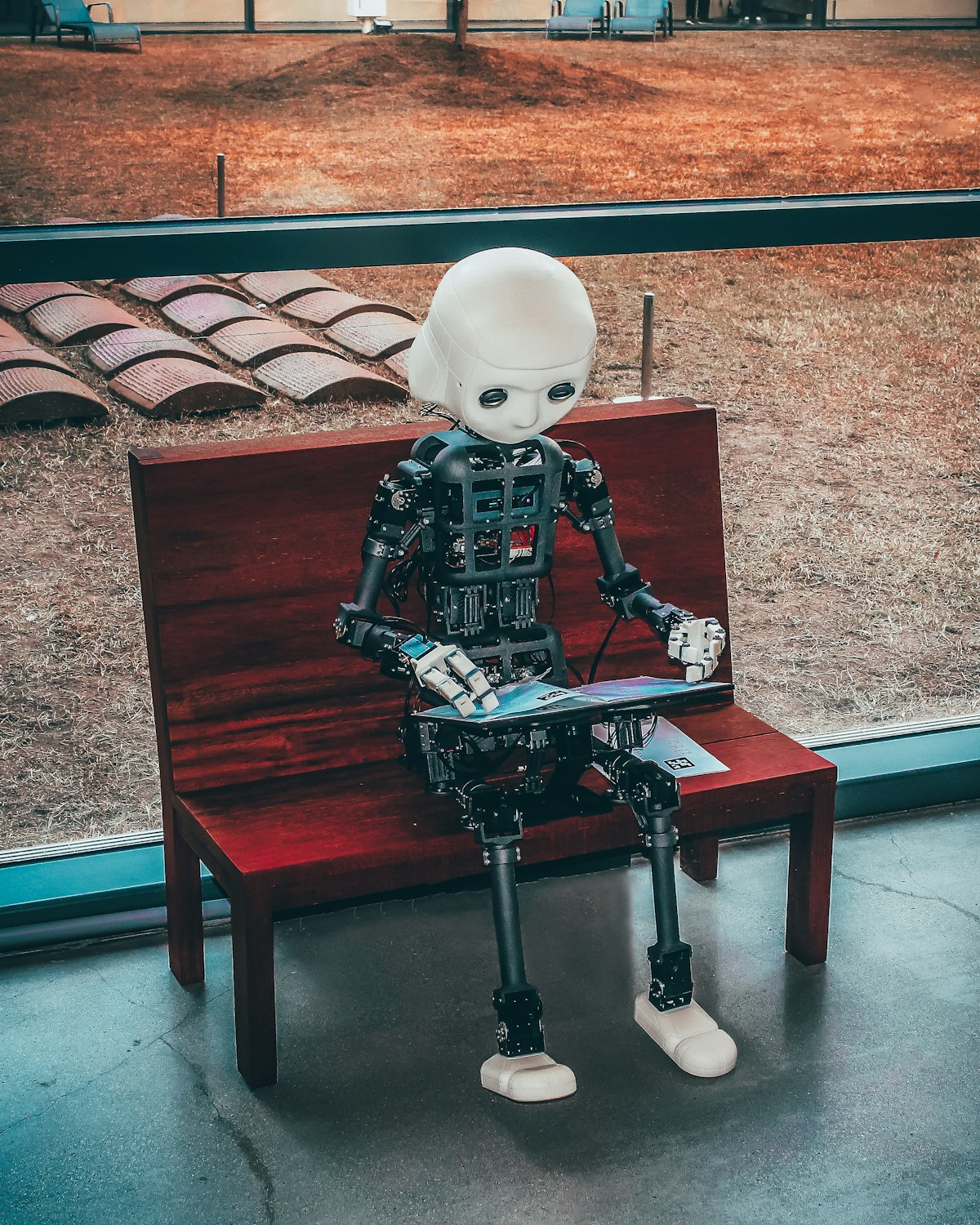
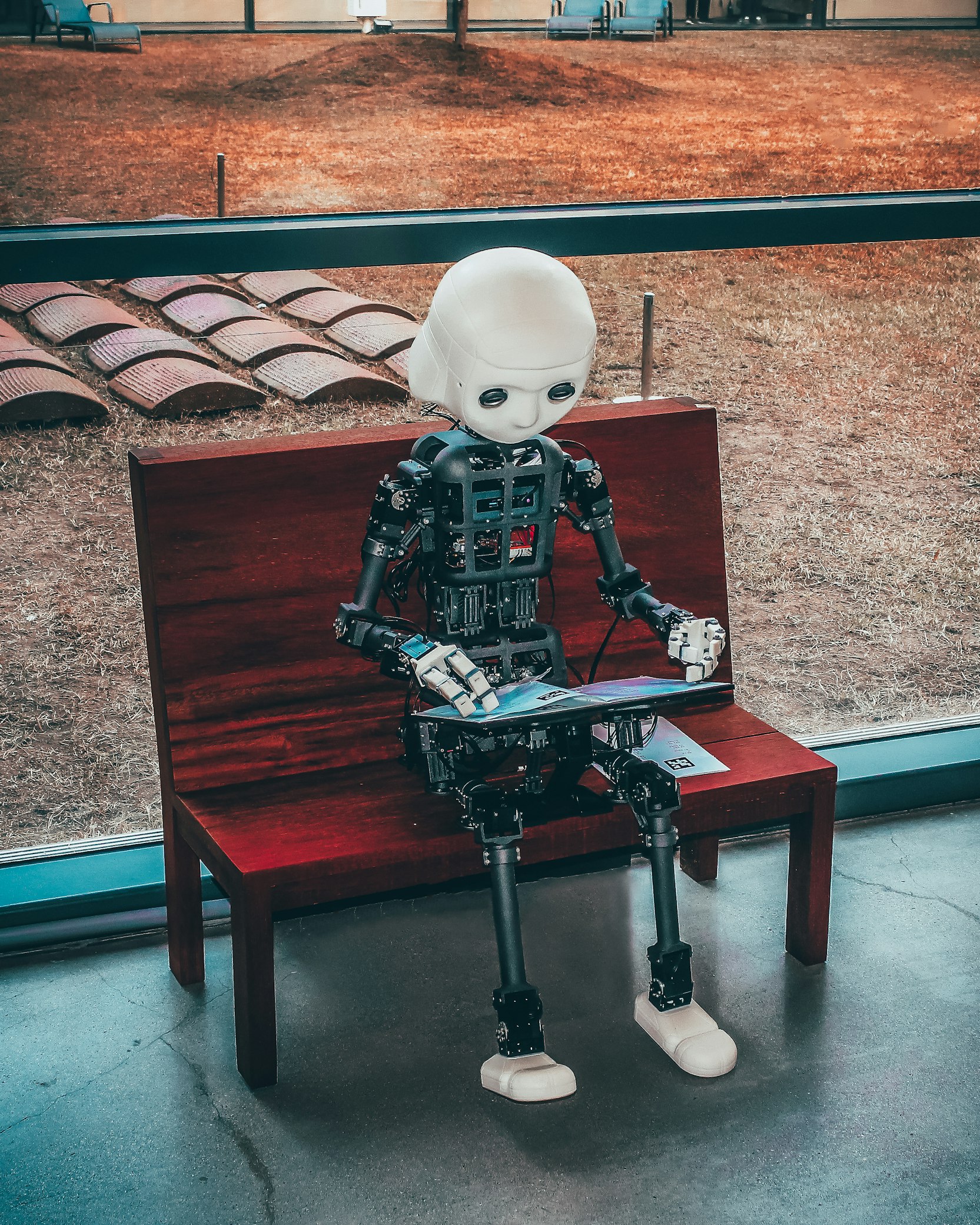
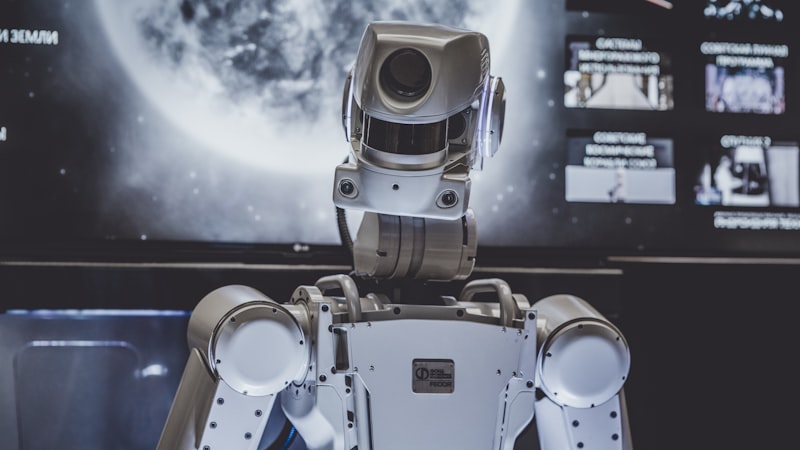
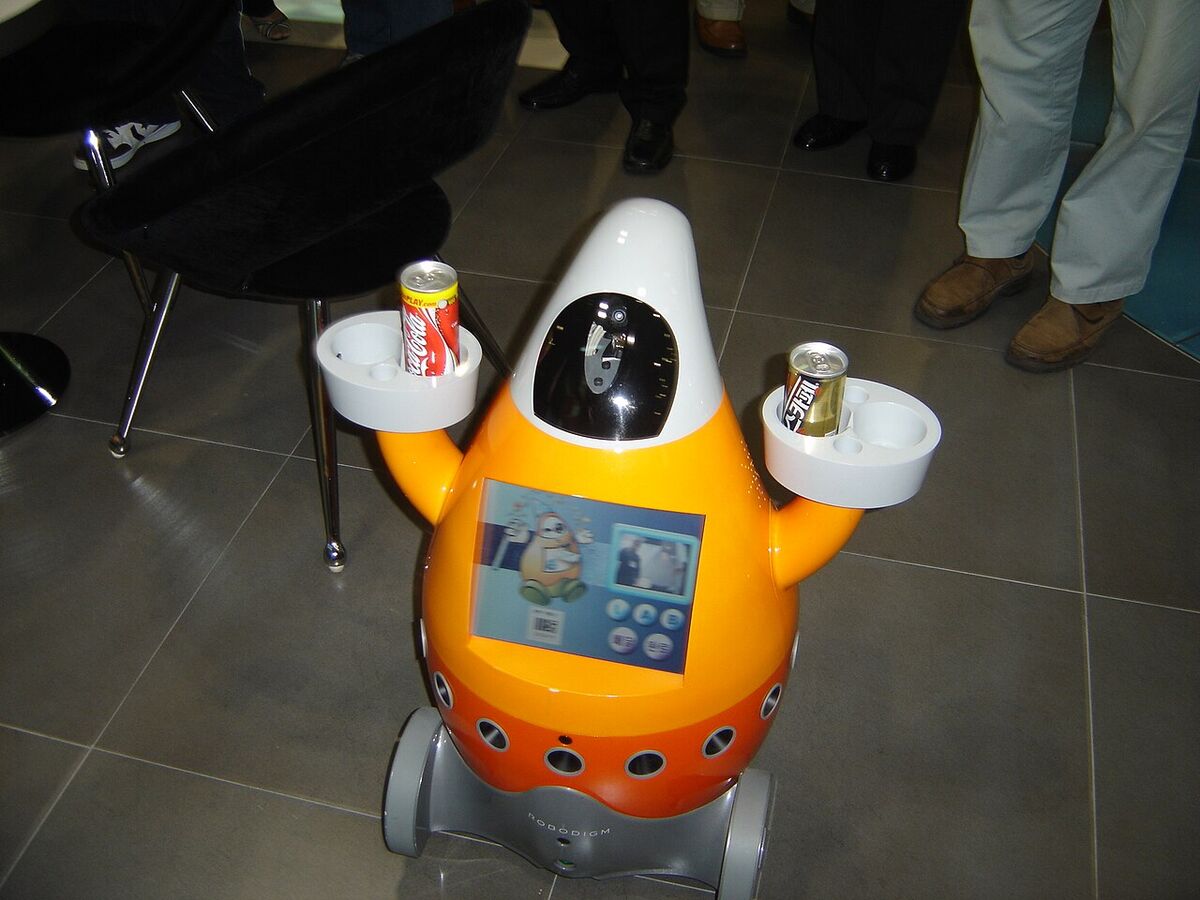
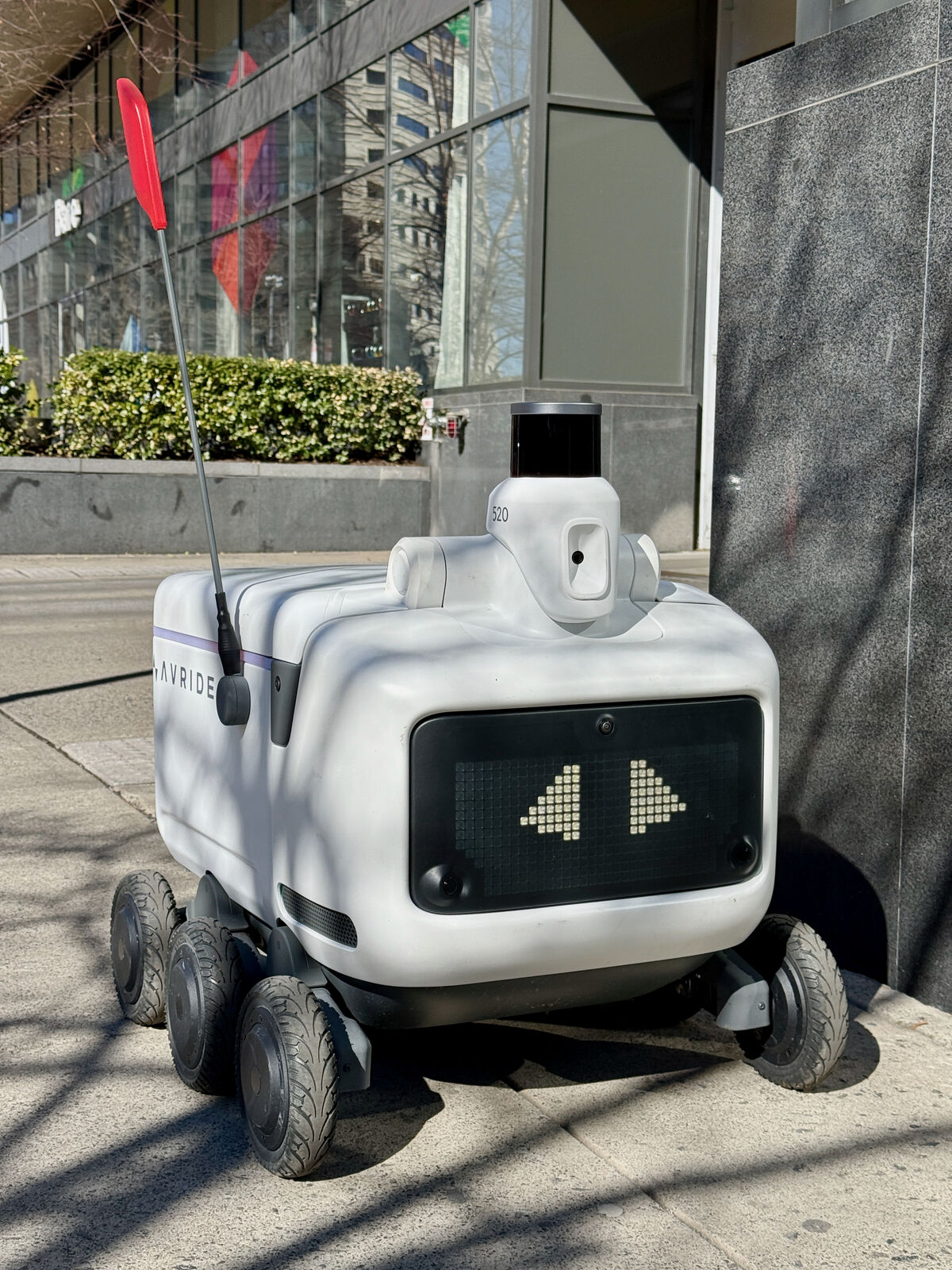
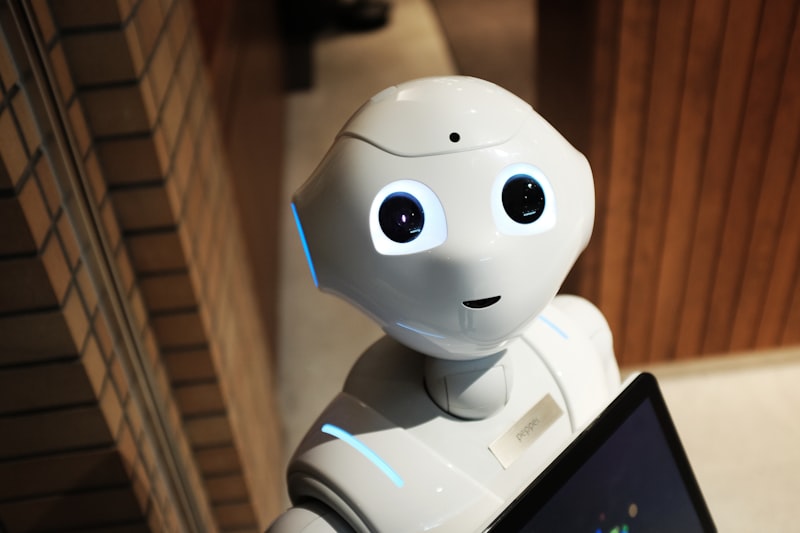
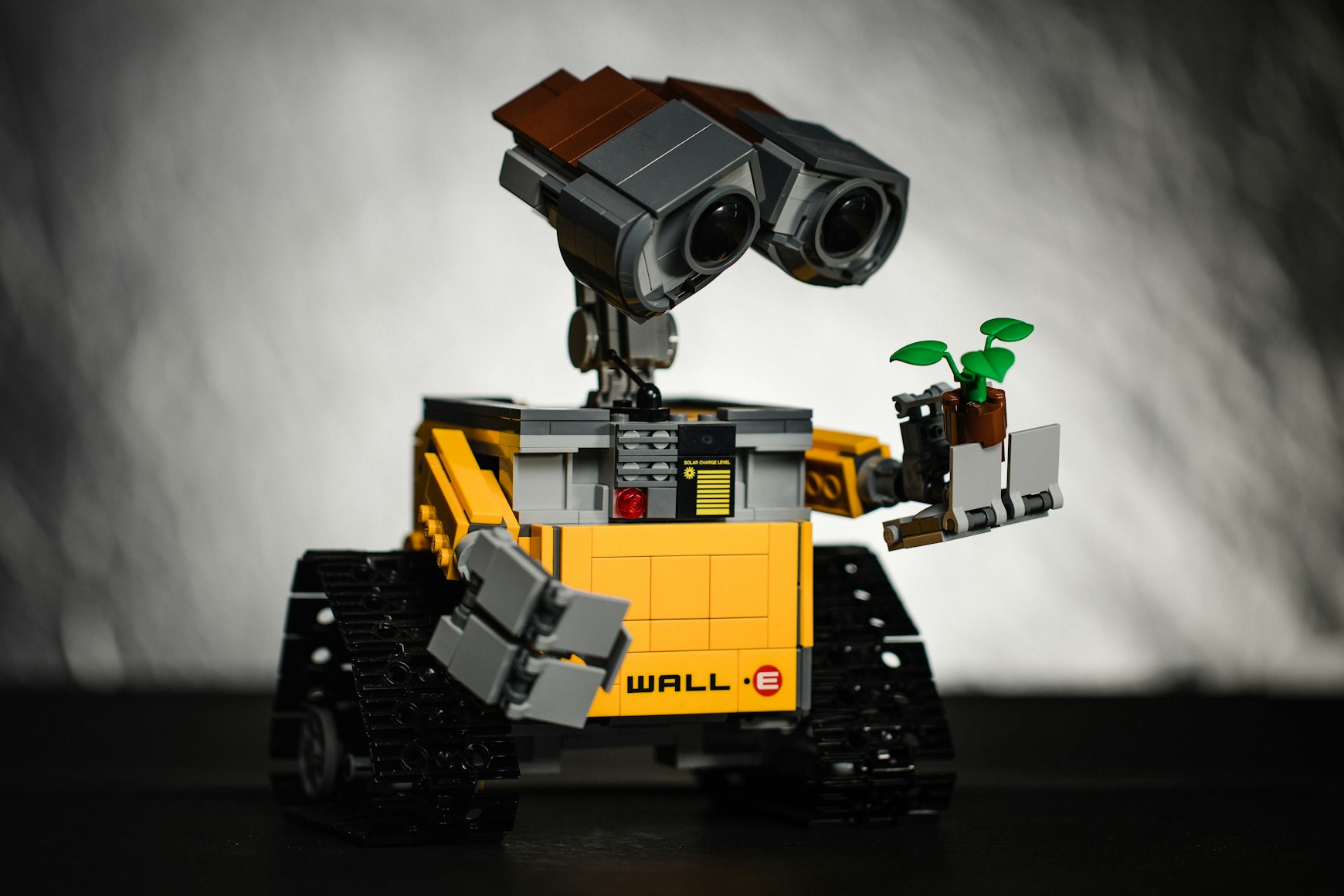
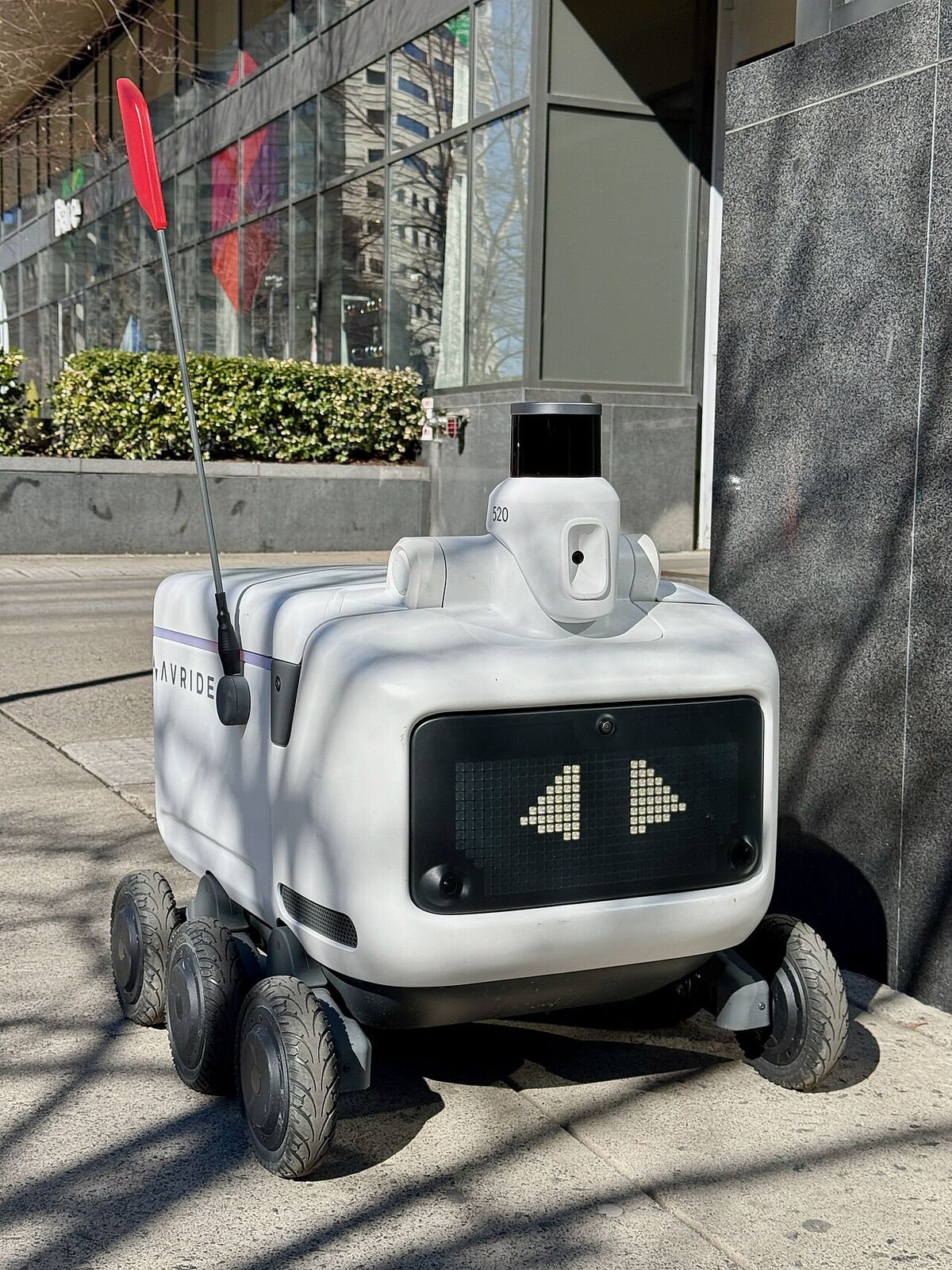
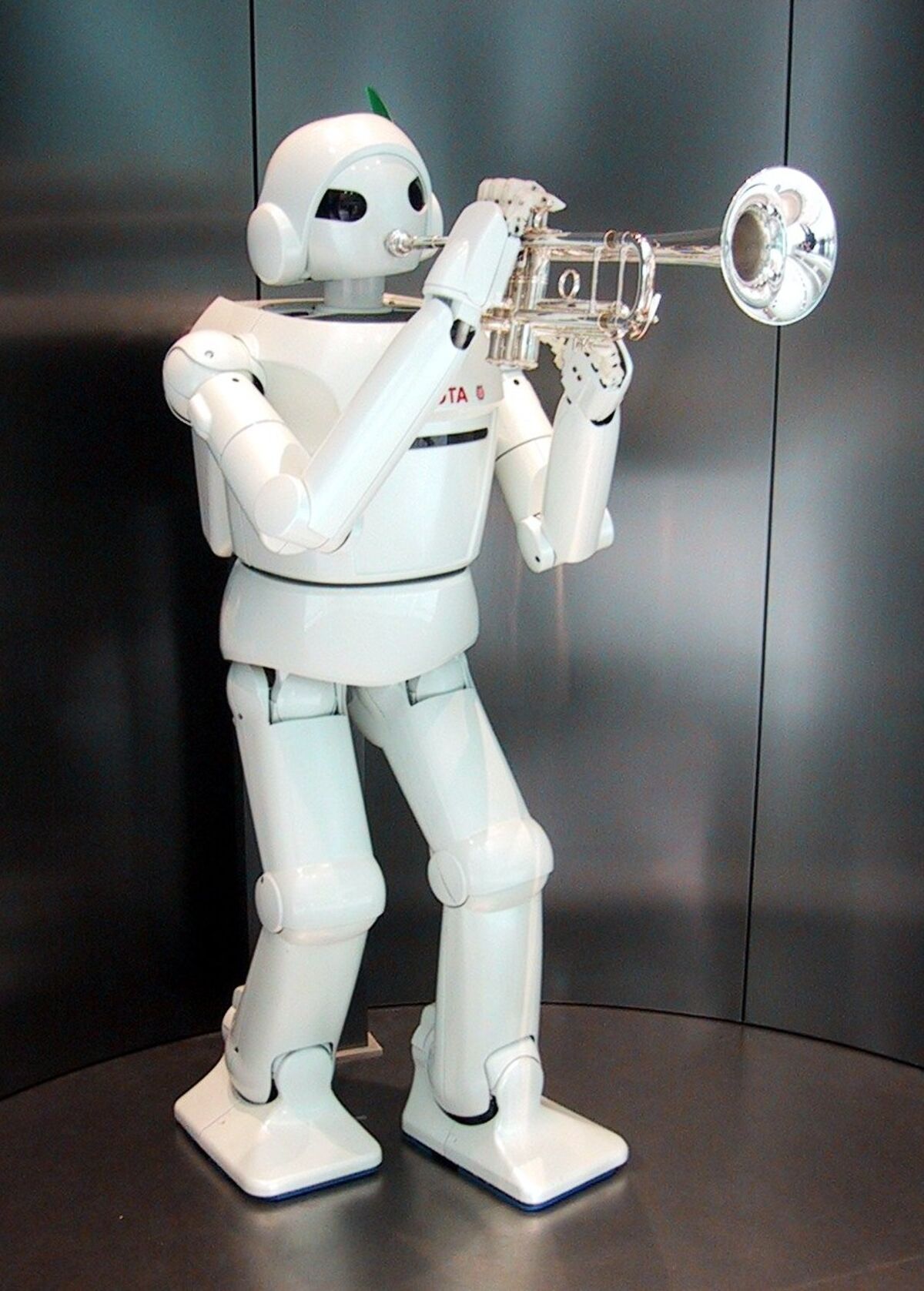
The exam room has no human doctor or nurse. Instead, a sleek, humanoid-ish robot sits in the center of the room, with a high-resolution, eye-level screen displaying the face of a real human doctor who may be working from a central hospital hub miles away.
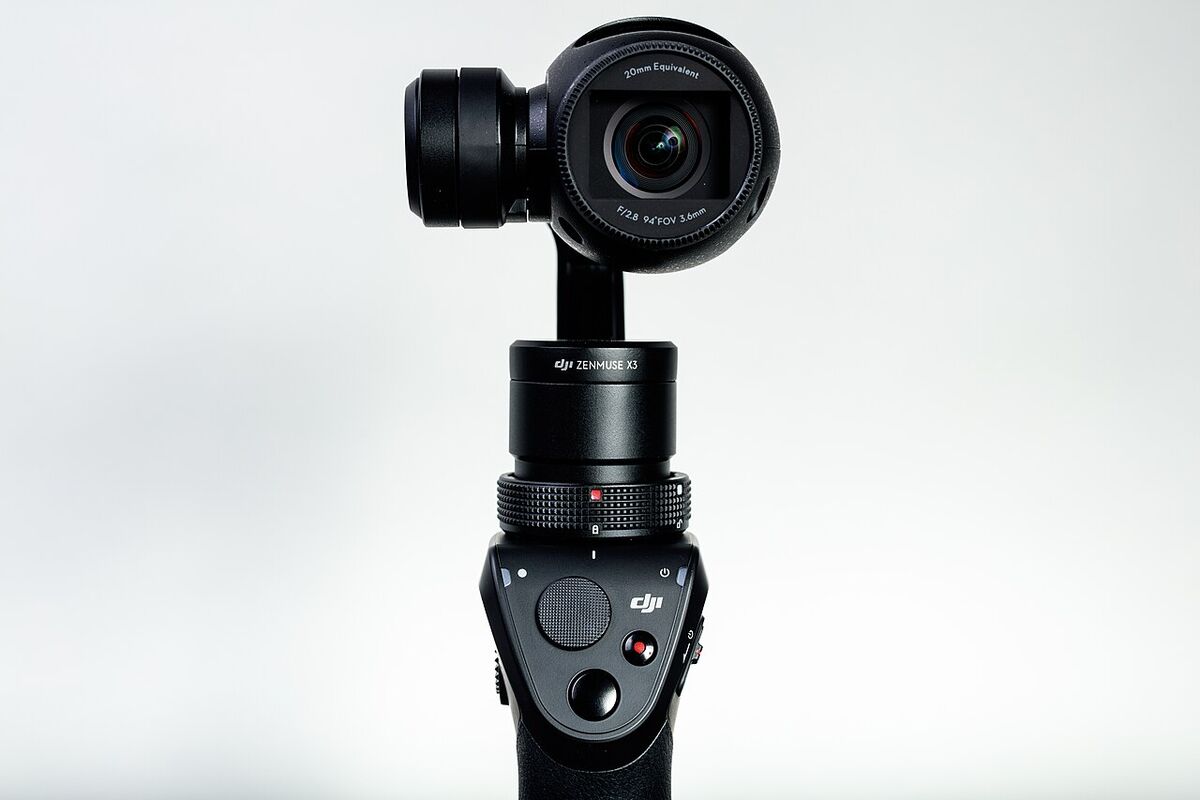
The robot itself is essentially a highly mobile, incredibly advanced sensor platform. It moves smoothly around the room on a stable base, allowing the doctor to position it exactly where they need it. The screen tilts and turns to maintain "eye contact," which sounds creepy, but it can make the interaction feel more natural and personal than a standard video call.
How Can a Robot Perform a Physical Exam?
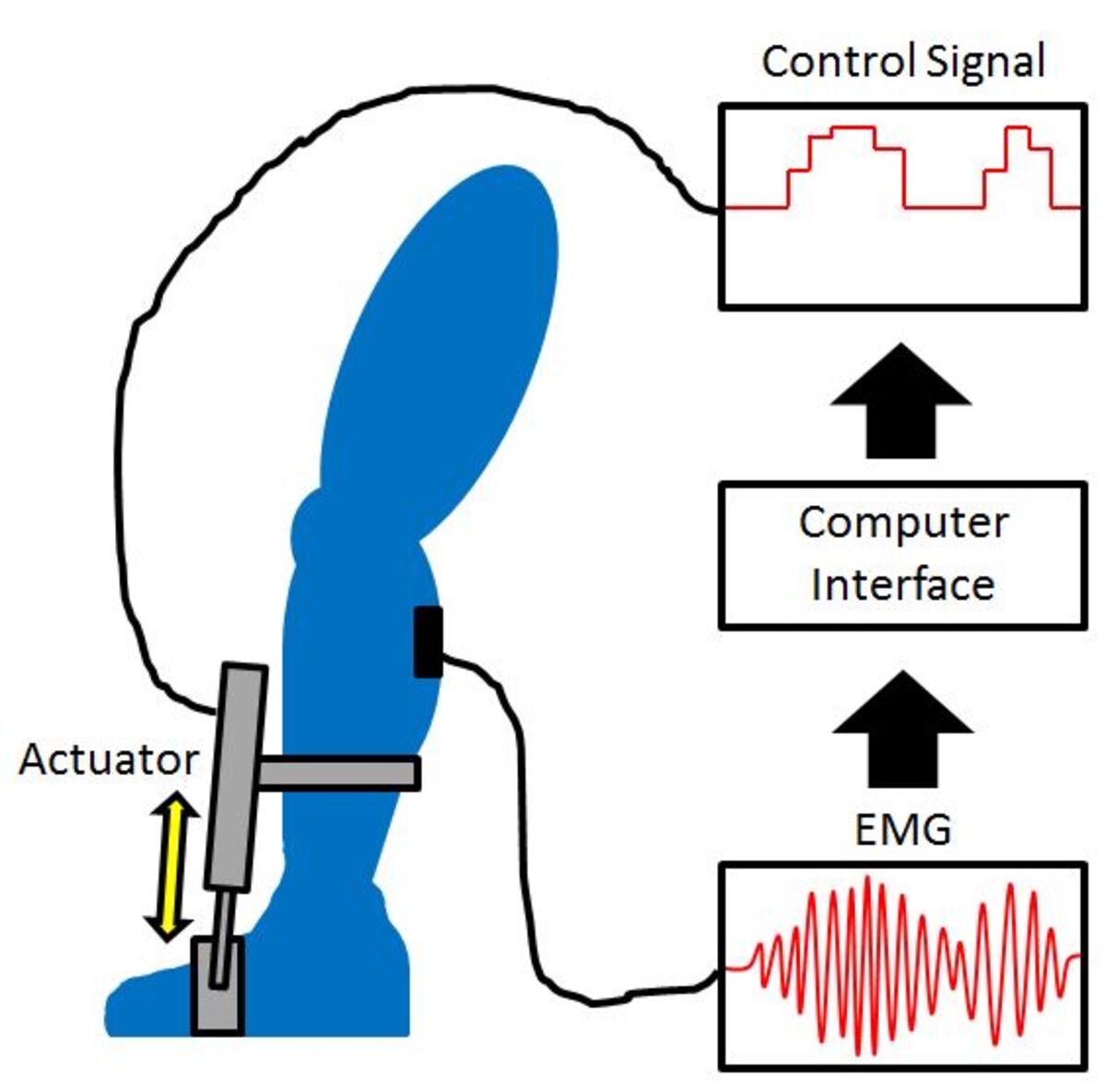
Integrated sensors let the remote doctor do the parts of an exam that a webcam cannot. The biggest flaw of early telemedicine was that the doctor couldn't listen to your heart or look down your throat.
The robot is equipped with an array of built-in medical tools:
- Digital stethoscope: To check breathing, the doctor can direct the robot to extend a specialized digital stethoscope. A small robotic arm positions it against the patient's chest, and the high-fidelity audio streams to the doctor's headset in real time.
- Multi-spectral camera arm: An ultra-high-definition camera arm moves closer to examine the back of the throat. The image quality is high enough that doctors can see more detail through the robot's cameras than with the naked eye.
- Thermal imaging: Built-in thermal imaging can check for localized fever or inflammation without touching the patient.
Is a Robot Visit Better Than a Traditional Appointment?
In some ways, yes. The idea of being treated by a machine sounds cold and dystopian, but there is still a human doctor on the other end, and the format has two clear advantages.
First, efficiency. Because the doctors don't have to physically move between rooms, scrub in and out, or deal with localized clinic delays, appointments can run on time. An exam, diagnosis and a prescription sent to the patient's phone can fit into a short visit.
Second, access to specialists. The doctor operating the robot doesn't have to be in your city. If you need a specialized dermatologist or cardiologist, you could connect with a specialist anywhere in the country, who can examine you through the robot in your local neighborhood clinic. That has the potential to widen access to top-tier care.
What Can't Robotic Telemedicine Replace?
Robotic telemedicine isn't going to replace all in-person medicine. A broken leg or surgery still calls for a human team in the room, and any decision about your own symptoms belongs with a licensed clinician.
For routine checkups, minor illnesses, managing chronic conditions, and initial specialist consultations, the 2026 telemedicine robot is a meaningful upgrade over both old Zoom calls and the traditional, time-consuming waiting room. It bridges the gap between digital convenience and physical examination. In my view, the future of routine healthcare isn't just digital; it's increasingly robotic, and it's about time.