Can the DJI Osmo Pocket 3 Replace a Mirrorless Camera? A Real-World Review
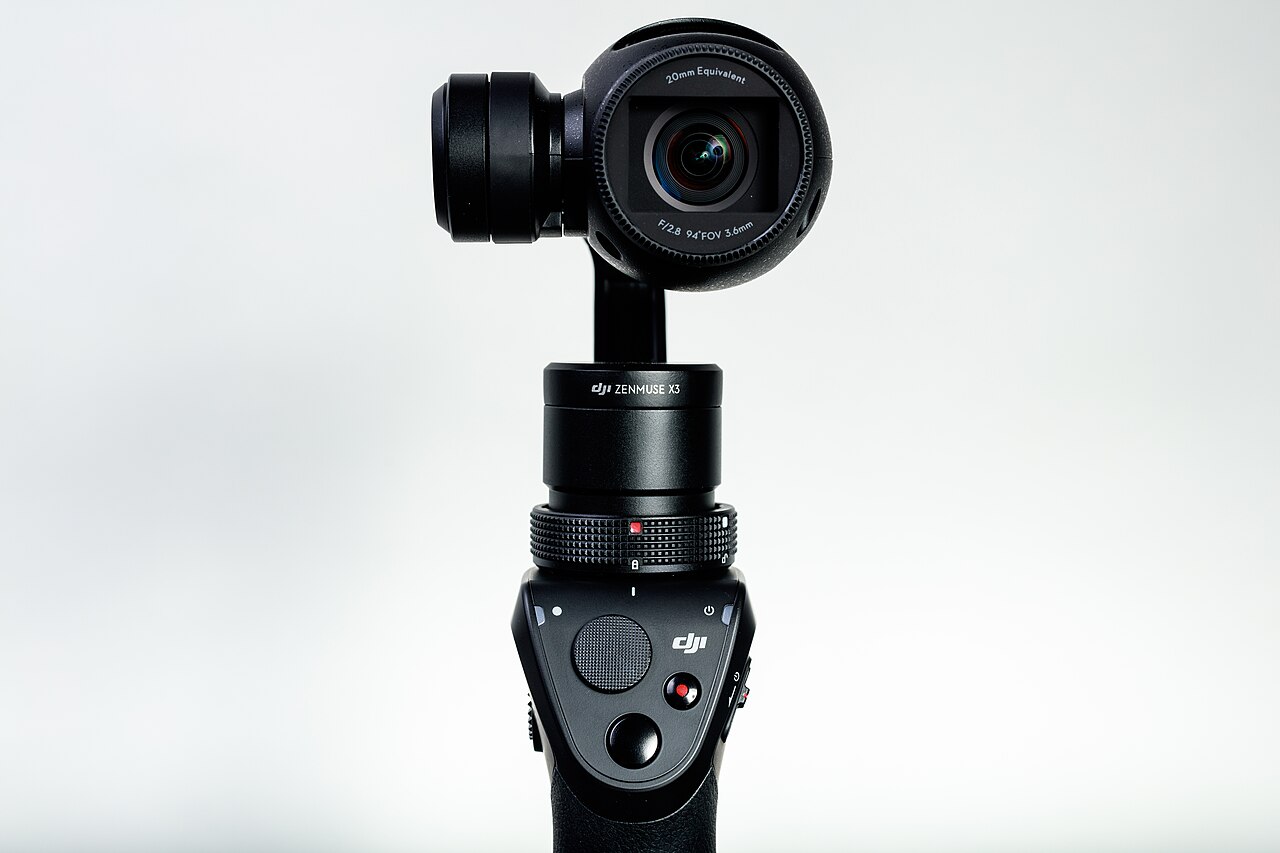
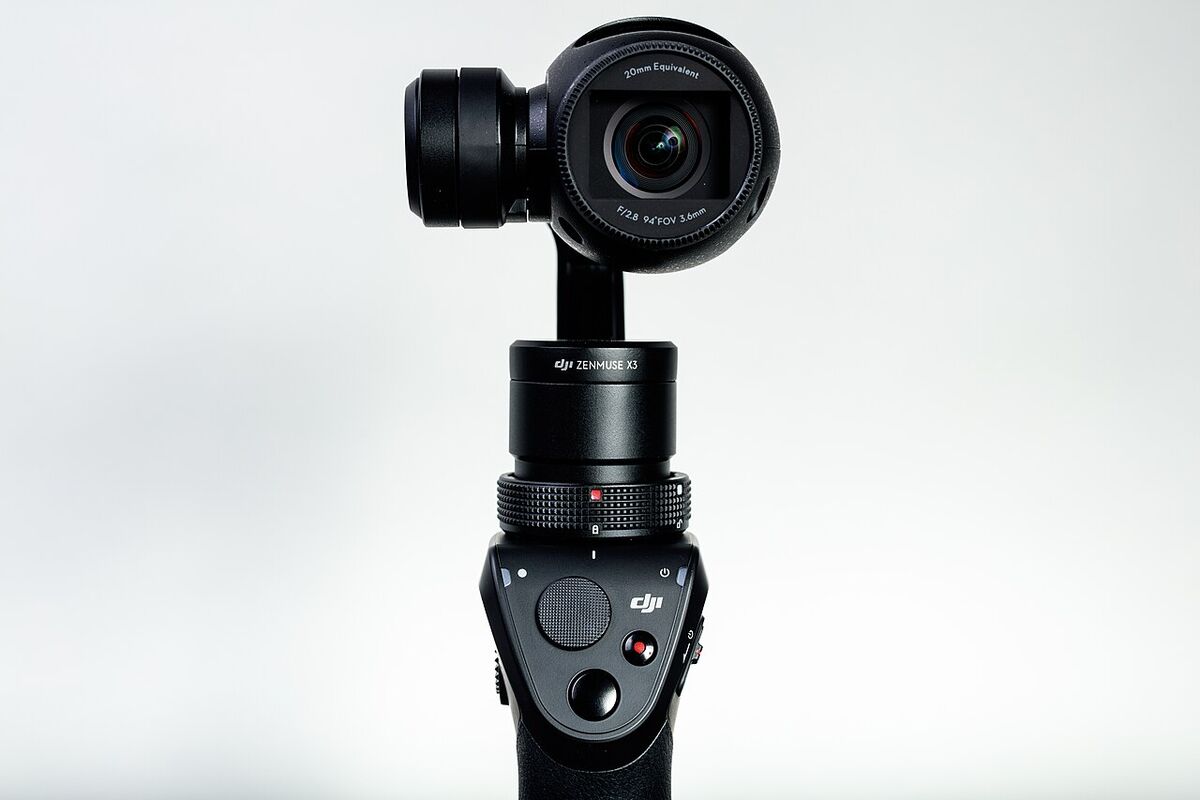
The DJI Osmo Pocket 3 can replace a heavy mirrorless vlogging rig for most real-world shooting. Its 1-inch sensor, rotating OLED screen, built-in 3-axis gimbal and seamless DJI Mic 2 audio make it the most frictionless video tool for solo creators, though it is fragile and its battery is built-in.
A traditional creator setup means lugging around a full-frame mirrorless camera, a bulky gimbal, spare batteries, and an external shotgun microphone just to record a short YouTube vlog. It looks professional, but the friction of setting it all up can mean you actually film less. The question is whether a device that literally fits in the palm of your hand can do the same job.
Is the Osmo Pocket 3 Good in Low Light?
Yes. The 1-inch CMOS sensor is the real game changer. The biggest issue with previous generations of pocket cameras (and most smartphones) is how they handle low light. When the sun goes down, the footage turns into a grainy, unusable mess.
The DJI Osmo Pocket 3 changes this narrative by squeezing a much larger sensor into a tiny body.
In a dimly lit setting such as an indoor night market, a typical smartphone's footage would be noisy with almost no dynamic range. The Pocket 3 can produce remarkably clean footage instead. Neon signs can stay well exposed without blowing out the highlights, and there is a surprising amount of natural depth of field (that lovely background blur) that you usually only get from much larger lenses.
I think it is the first ultra-compact camera where you don't feel like you are compromising on image quality just for the sake of portability.
Why Does the Rotatable OLED Screen Matter?
The rotating screen solves framing and aspect ratio in one move. If you've ever tried to frame yourself while holding a tiny camera, you know the struggle. DJI solved this with a 2-inch OLED touchscreen that rotates.
When it's horizontal, you are shooting in standard 16:9 for YouTube. Want to shoot a quick TikTok or Instagram Reel? Just physically rotate the screen, and the camera instantly switches to 9:16 vertical mode. It's incredibly satisfying and eliminates the need to crop horizontal footage in post-production.
Moreover, flipping the screen turns the camera on. By the time you take it out of your pocket and flip the screen, it's ready to record. This zero-friction startup makes it possible to capture spontaneous moments that are easy to miss while assembling a mirrorless rig.
How Good Is the Osmo Pocket 3's Audio?
The audio is excellent, especially with the Creator Combo. That matters, because bad audio will ruin a good video faster than bad lighting.
The built-in microphones on the Pocket 3 are surprisingly good, but the real magic happens if you get the Creator Combo, which includes the DJI Mic 2 transmitter.
This little wireless microphone automatically pairs with the camera the moment you turn it on. There are no receivers to plug in and no cables to manage. Clipped to a shirt on a busy, windy street, it can capture a crisp, clear voice well isolated from the chaotic background noise. For solo creators, I think this built-in wireless audio ecosystem is worth the price of admission alone.
What Are the Osmo Pocket 3's Flaws?
The Pocket 3 has two notable weaknesses:
- Fragility: Because it has a physical 3-axis mechanical gimbal, it feels delicate. If you drop a GoPro, it bounces. Dropping the Pocket 3 while the gimbal is active could easily break it. You must use the protective case when throwing it in a bag.
- Battery Life: While it lasts about 2 hours on a single charge, the battery is built-in. If it dies in the middle of a shoot, you can't just swap it out. You have to plug in a power bank or attach the bulky battery handle extension, which ruins the ultra-compact form factor.
Who Should Buy the DJI Osmo Pocket 3?
If you are a solo content creator, a vlogger, or just someone who wants to capture incredibly high-quality family vacation videos without feeling like a pack mule, the DJI Osmo Pocket 3 is currently in a league of its own.
It does not fully replace a mirrorless camera for strictly controlled, tripod-based studio shoots. But for anything out in the real world, it is the camera worth carrying. The combination of the 1-inch sensor, the physical gimbal stabilization, and the seamless wireless audio makes it, in my view, the most frictionless video creation tool available.
It can make filming fun again, and you can't put a price tag on that.