Meshtastic in 2026: The Off-Grid Texting Revolution You Actually Need
- Technology, Hardware, Lifestyle
- Exienent
- · Updated
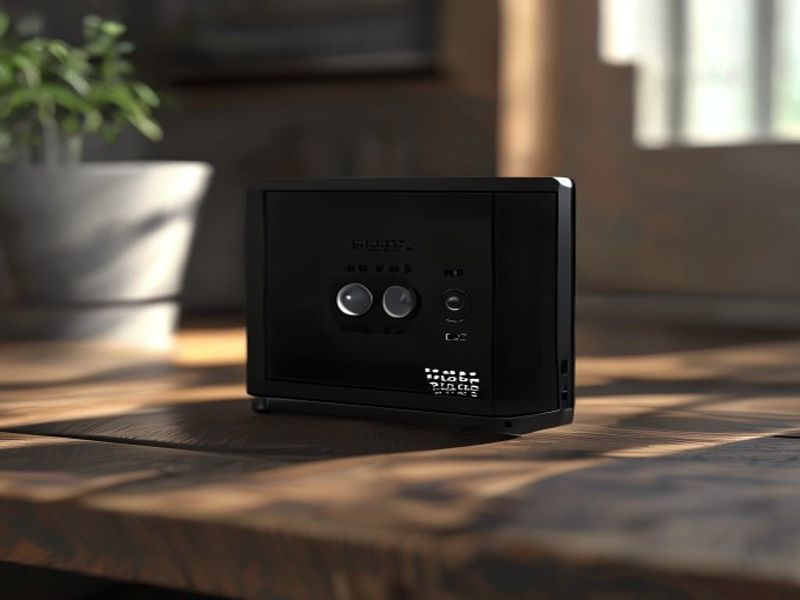
Meshtastic is an open-source, decentralized mesh networking system built on LoRa (Long Range) radio that lets you text and share GPS locations without cellular service. A small, inexpensive node paired with your phone is enough to start, and in my view it is one of the most fascinating and empowering pieces of tech in 2026.
Off-grid communication used to sound like something reserved for hardcore survivalists preparing for the apocalypse, or specialized mountain rescue teams. But lately, a completely different crowd has been quietly building their own private networks right in our neighborhoods, and the community buzz around it keeps growing.
Here is a practical look at why you might want to ditch the cell towers—at least occasionally.
What Is Meshtastic and How Does It Work?
Meshtastic lets you send encrypted text messages, share your GPS location, and communicate with others entirely independent of cellular networks or Wi-Fi.
- No SIM cards.
- No monthly subscriptions.
- No cell towers.
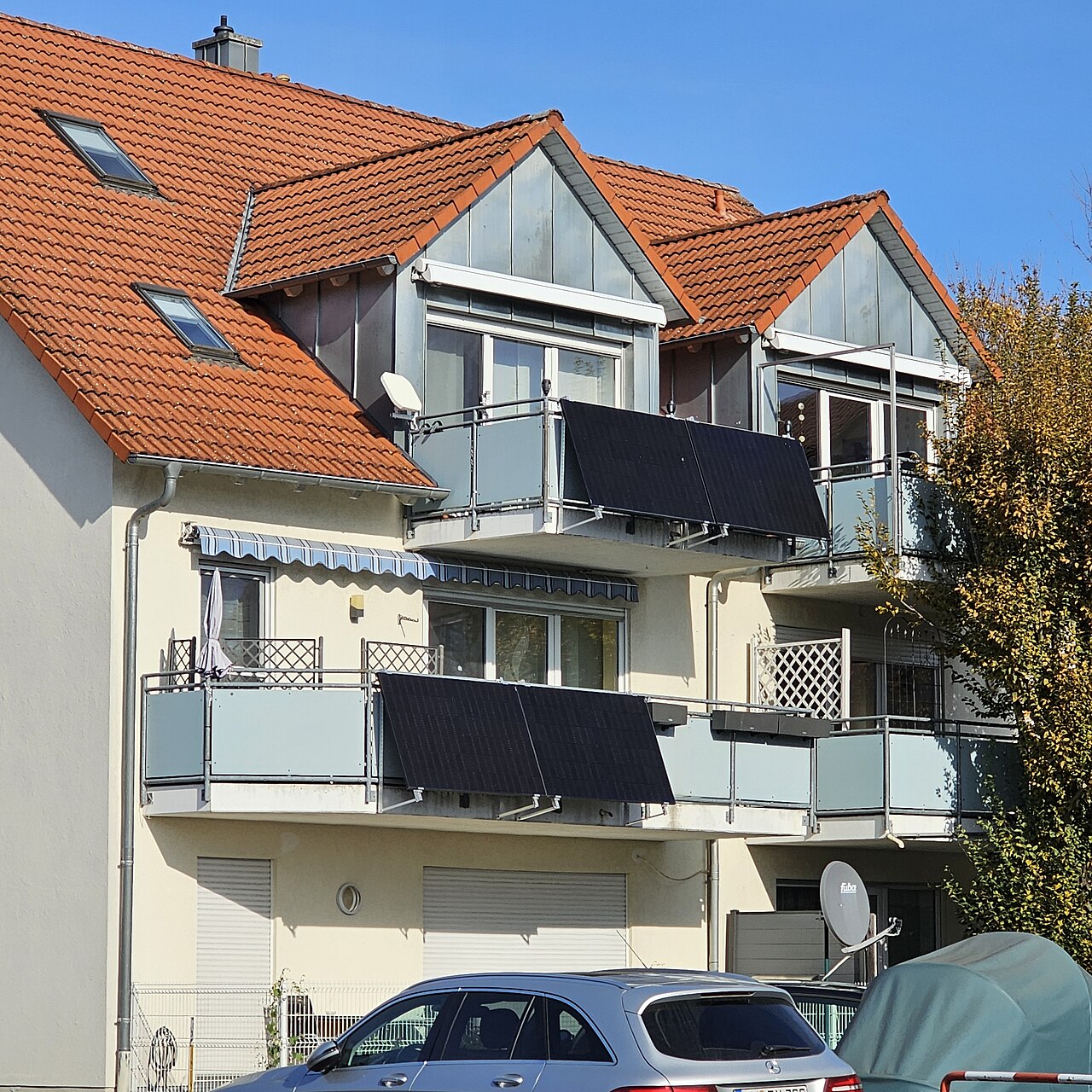
You buy a small, inexpensive radio device (called a node), connect it to your smartphone via Bluetooth, and use the Meshtastic app. The magic happens when multiple nodes form a "mesh." If you want to send a message to a friend across town, your node broadcasts the signal. If another person's node is sitting on their balcony halfway between you, it acts as a relay, automatically passing the message along until it reaches its destination. The more people using it, the stronger the network gets.
Which Hardware Should You Start With?
Two popular, affordable starter devices cover most needs without spending a fortune:
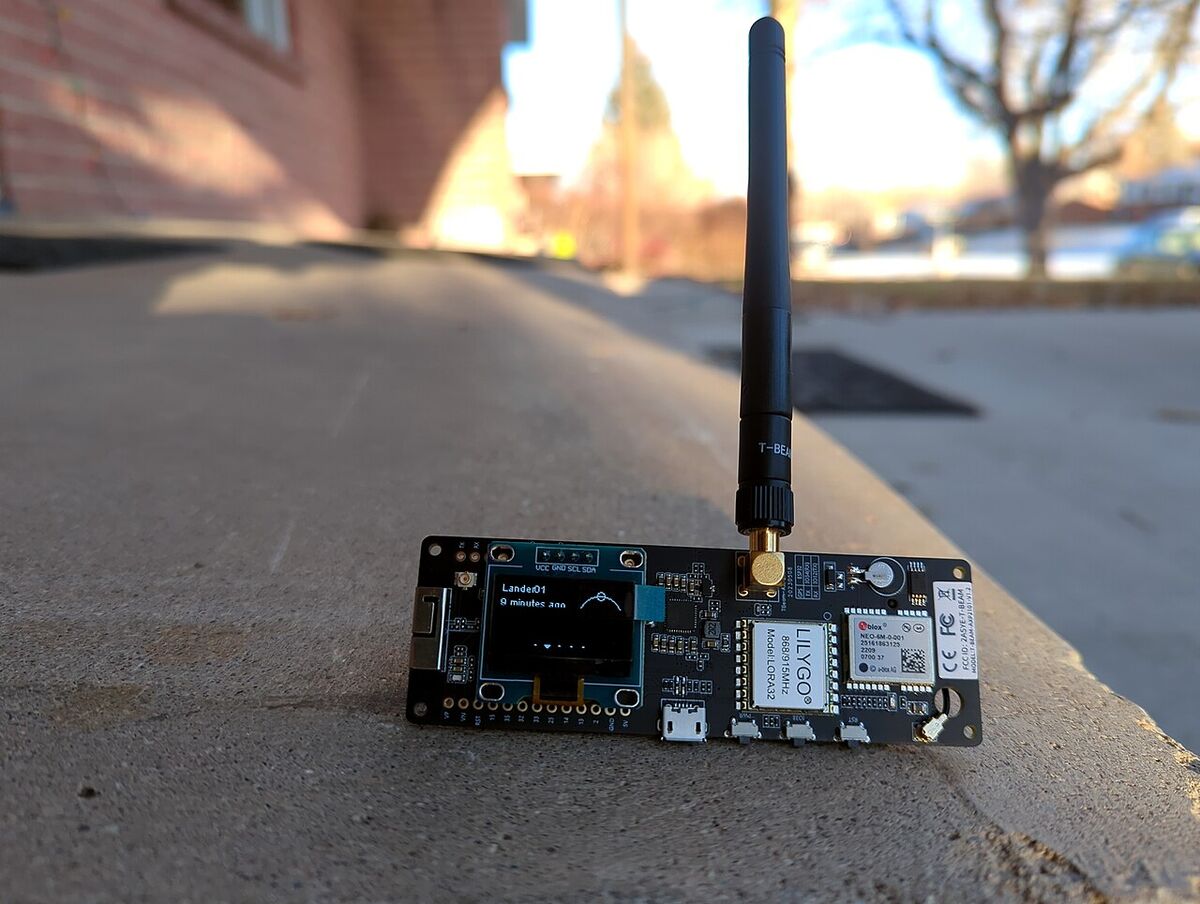
- LILYGO T-Beam: This is arguably the classic Meshtastic node. It has built-in GPS and runs on a standard 18650 lithium-ion battery. It's fantastic for tossing in a backpack when hiking.
- Heltec V3: A tiny, highly affordable board with a small OLED screen. It doesn't have built-in GPS, making it perfect to leave plugged in near a window as a permanent relay node (a "router" for the mesh).
How Hard Is the Setup?
Setup is surprisingly simple. You flash the firmware from a web browser using the official flasher tool, pair the node to your phone via Bluetooth, and you may immediately see local chatter on the default public channel.
How Far Can Meshtastic Reach?
Meshtastic can reach much farther than you might expect, even in built-up areas. Radio waves hate concrete and steel, so expectations in a moderately dense suburb tend to be low.
However, LoRa operates on a sub-GHz frequency (915 MHz in North America, 868 MHz in Europe), which penetrates buildings and vegetation much better than Wi-Fi.
- City Range: From an upper-story window, a node can reach other nodes miles away through neighborhoods.
- Line of Sight: From a hilltop with a clear view, a portable node like the T-Beam can bounce messages off nodes dramatically farther away.
Why Is Meshtastic Getting So Popular in 2026?
Meshtastic's popularity isn't just about Doomsday prepping. There is a growing, practical appeal for decentralized tech right now.
- Crowded Events: Ever tried texting a friend at a massive music festival or a crowded sports stadium? The cell networks instantly crash. With Meshtastic, your group has its own dedicated, unbreakable communication line.
- Outdoor Adventures: For hikers, skiers, and campers traveling outside of cellular coverage zones, it's a cheap way to stay connected and share GPS locations without paying for expensive satellite subscriptions.
- Digital Independence: There is a growing sentiment of wanting to own our infrastructure. People are tired of relying entirely on massive telecom companies. Building a local mesh network feels like taking back a small piece of the internet.
What Are the Downsides of Meshtastic?
Meshtastic isn't entirely plug-and-play yet. You do need a tiny bit of patience.
- Antenna Matters: The stock antennas that come with these cheap boards are usually garbage. Upgrading to a proper tuned antenna (like a Moxon or a higher-gain whip antenna) can double your range.
- Battery Management: The Heltec V3 devours batteries because of its screen. If you plan to make it portable, you'll need to tinker with sleep settings or wire up a larger LiPo battery.
Is Meshtastic Worth Trying?
Yes, if you want a fun weekend project with real-world utility. Meshtastic in 2026 feels a lot like the early days of the internet or the ham radio craze, but modernized for the smartphone era. It is genuinely exciting to send a message across a city using nothing but a $30 radio and the power of a community mesh.
I highly recommend grabbing a couple of LoRa boards. You might be surprised to find out who is already listening on the mesh in your neighborhood.