Feeling the Digital World: Haptic VR Gloves for Remote Work
- Technology, Development
- Exienent
- · Updated
Consumer-grade haptic VR gloves add the missing sense of touch to spatial computing: virtual buttons push back, digital objects resist your grip, and textures can be felt through micro-vibrations. As a primary input method for remote work and 3D design, they can bridge the uncanny valley between the physical and digital, though heat, battery life, and uneven app support still hold them back.
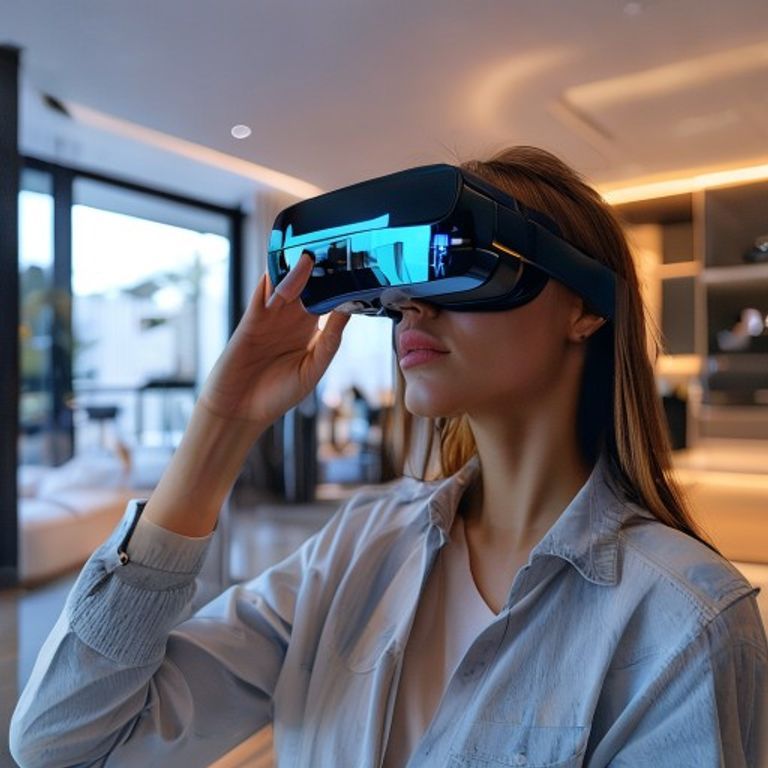
Since spatial computing headsets became mainstream a few years ago, we've gotten very used to seeing digital objects sitting on our living room coffee tables. But there was always a glaring disconnect. You could see a virtual 3D prototype in stunning 8K resolution, but when you reached out to grab it, your fingers just clipped through empty air. It ruined the illusion entirely.
What are haptic VR gloves and how do they feel?
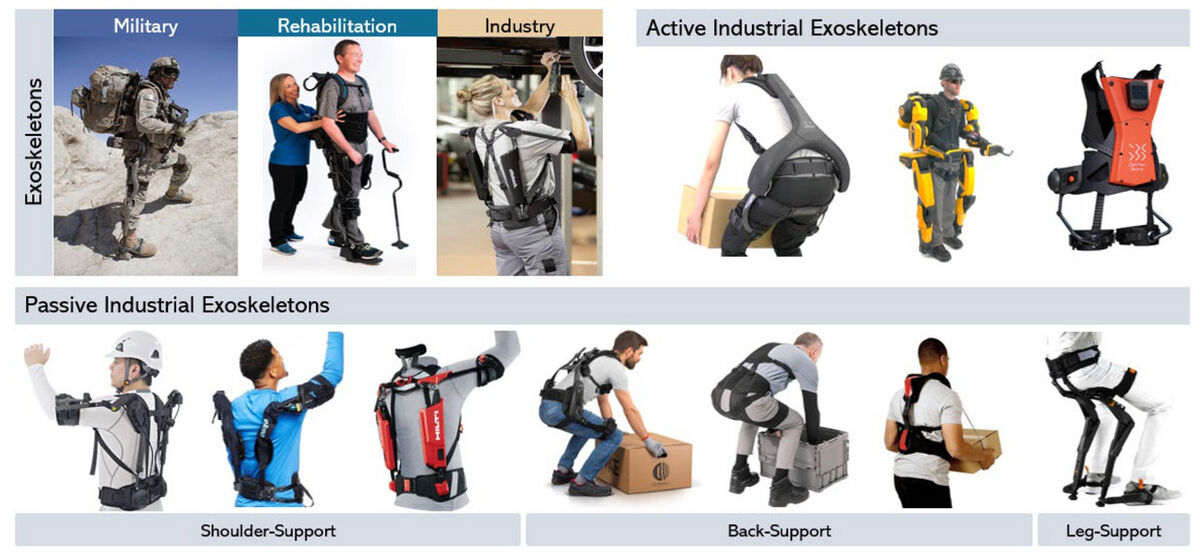
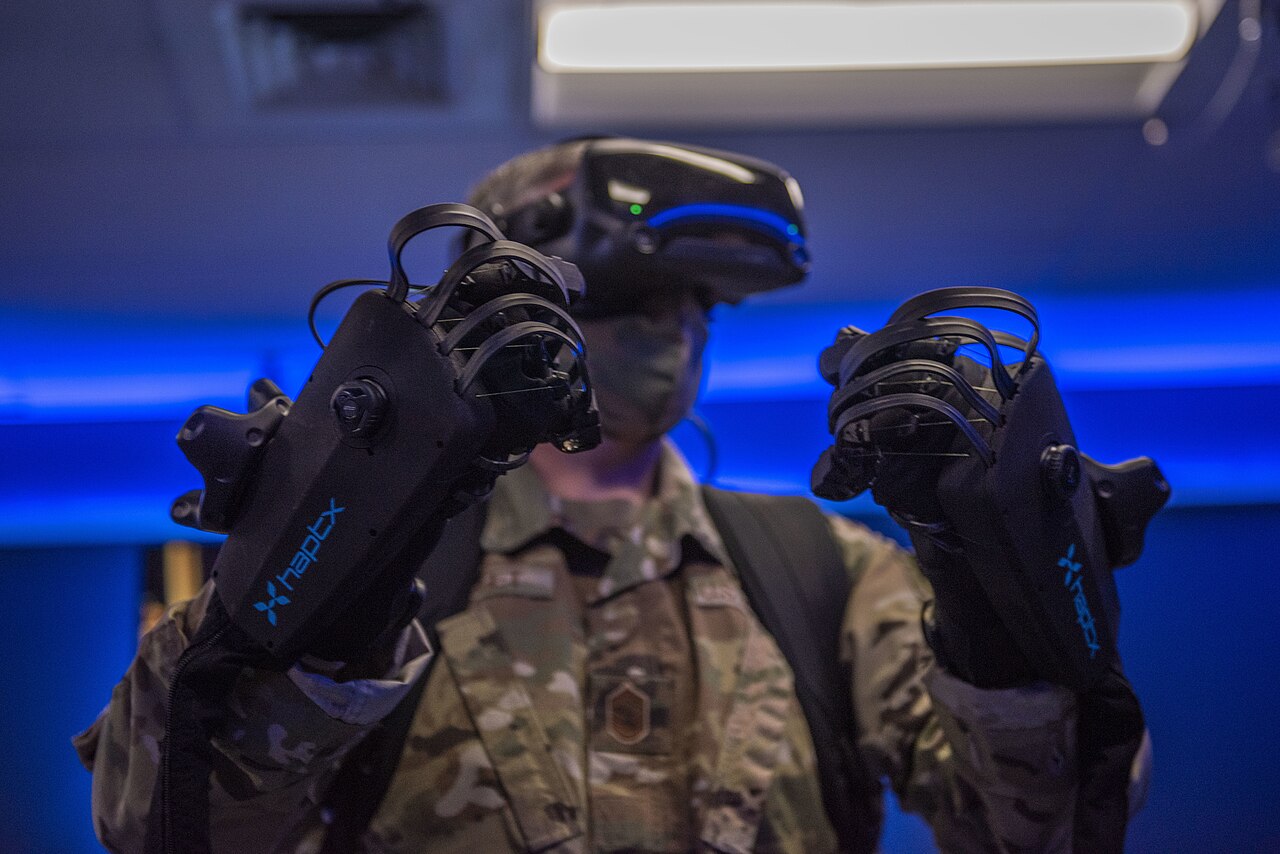
The gloves look like a cross between sleek winter driving gloves and high-tech athletic gear. They aren't the bulky exoskeletons you might remember from early tech demos. Inside the lightweight fabric is a dense matrix of micro-pneumatic actuators and tension wires, and they sync with the headset via an ultra-low latency wireless protocol.
The sensation is hard to describe until you try it, but the best word is convincing. When you reach out to press a virtual button in a spatial workspace, the actuators in your index fingertip push back with the resistance of a mechanical switch. When you grab a digital coffee mug to move it out of the way, the tension wires restrict your fingers from closing all the way, mimicking the solid, cylindrical shape of ceramic.
How do haptic gloves change remote work?
Haptic gloves make spatial work physical. Without them, working in spatial computing means either awkwardly pinching the air (which gets exhausting) or relying on a physical Bluetooth keyboard.
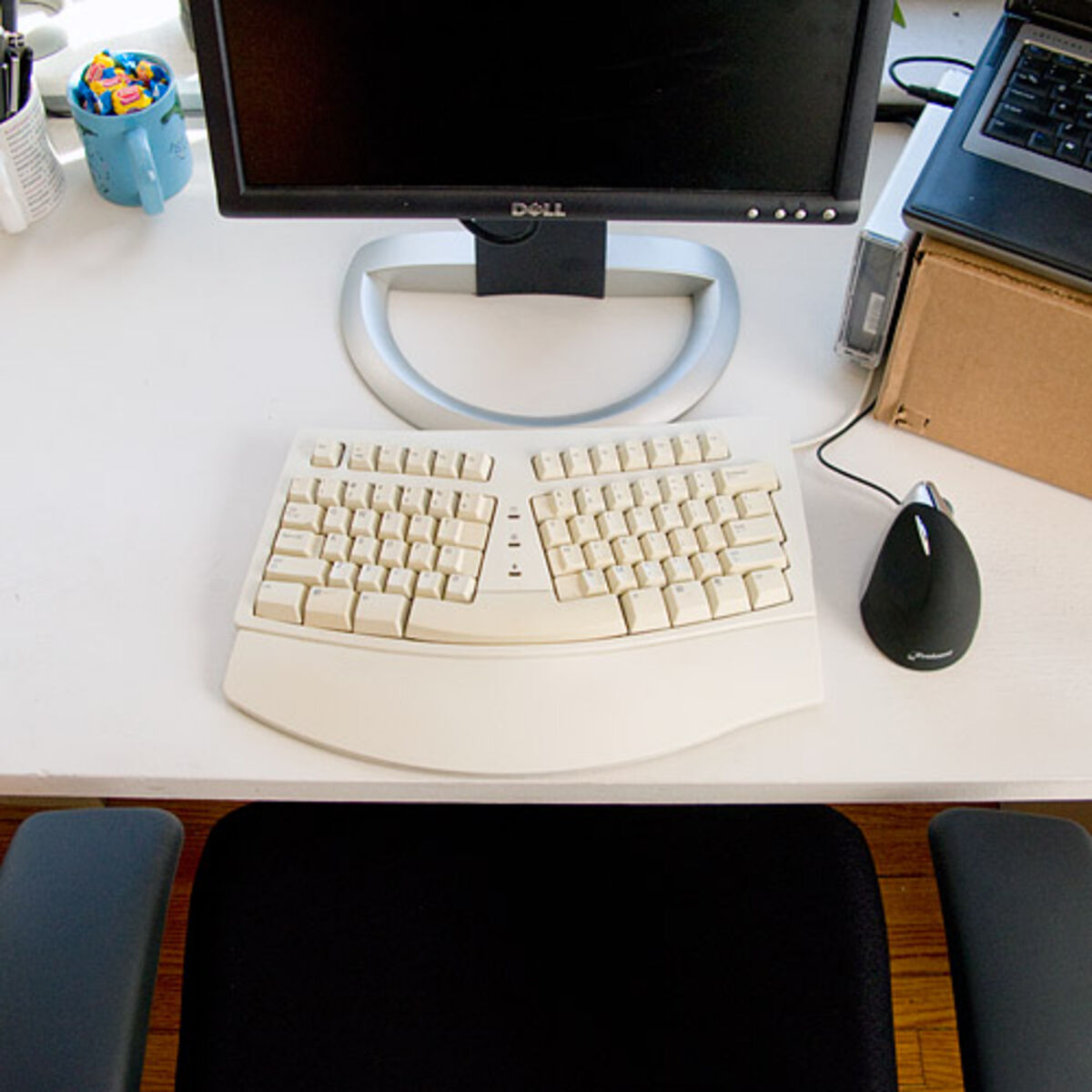
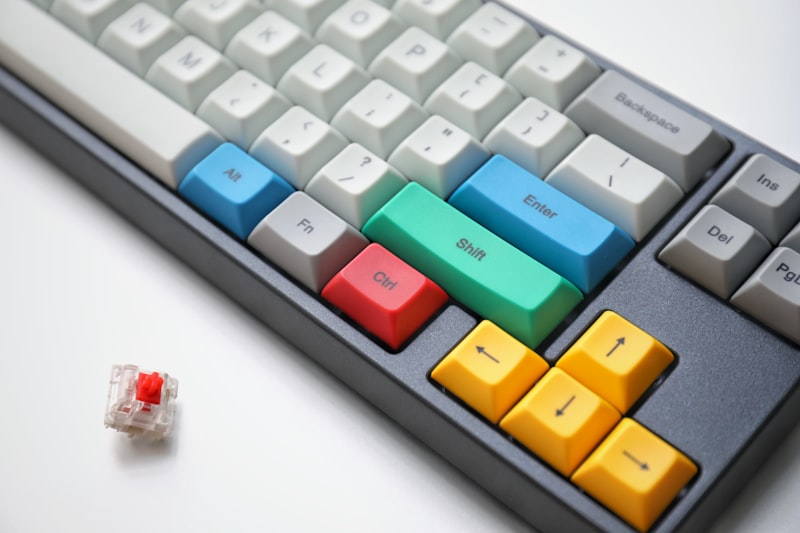
With the gloves, you can spawn a virtual keyboard directly onto a physical desk. Here's the magic: when your fingers strike the empty desk surface, the gloves simulate the distinct tactile click of mechanical keys. It's not identical to a physical mechanical keyboard, but the haptic feedback can provide enough physical confirmation to make typing far faster and more comfortable than air-pinching.
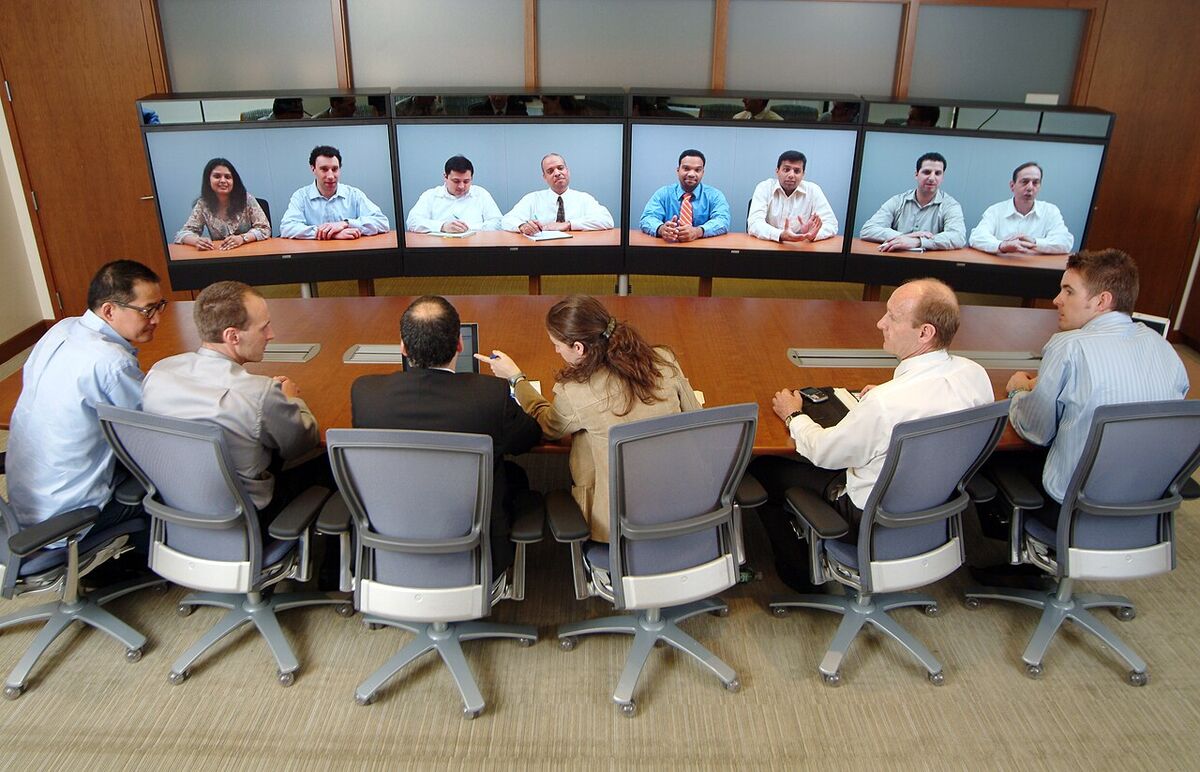
The bigger change may be in collaborative meetings. When a remote team gathers in a spatial room to review a 3D architectural model, they aren't just looking at it anymore. You can hand a digital component to a colleague in another city, feel its weight (simulated by localized resistance) leave your hand, while they feel it land in theirs. Running your hands over virtual textures, the micro-vibrations in the gloves translate the difference between digital wood grain and smooth metal.
What are the downsides of haptic VR gloves?
Living with these gloves isn't entirely frictionless. First, there's the heat. While they are breathable, you are still wearing snug-fitting electronic gloves through the workday. After a long session, hands can get sweaty, so the removable inner liners need regular washing.
Second is the battery life. Generating physical force takes significantly more power than tracking cameras, so continuous haptic feedback drains the gloves quickly. Long sessions may require tethering them to a power bank, which slightly defeats the purpose of wireless spatial freedom.
Finally, the software ecosystem is still catching up. While professional design apps and core OS interfaces have fantastic haptic profiles built-in, many third-party apps just treat the gloves as generic controllers. Grabbing a virtual object in those apps just gives you a generic "buzz," which shatters immersion after you've experienced high-fidelity resistance in supported apps.
Are haptic VR gloves worth it?
Despite the battery anxiety and sweaty palms, I think being able to actually feel the digital world fundamentally changes the dynamic of spatial computing. It moves it from a fancy visual display into a tangible, workable environment, and going back to pointing and pinching empty space feels like a step down. The era of the flat screen was about looking through a window; the era of haptic spatial computing is about finally stepping through it.