Balcony Solar Power in 2026: An Honest Look at Costs and ROI
- Environment, Technology
- Exienent
- · Updated
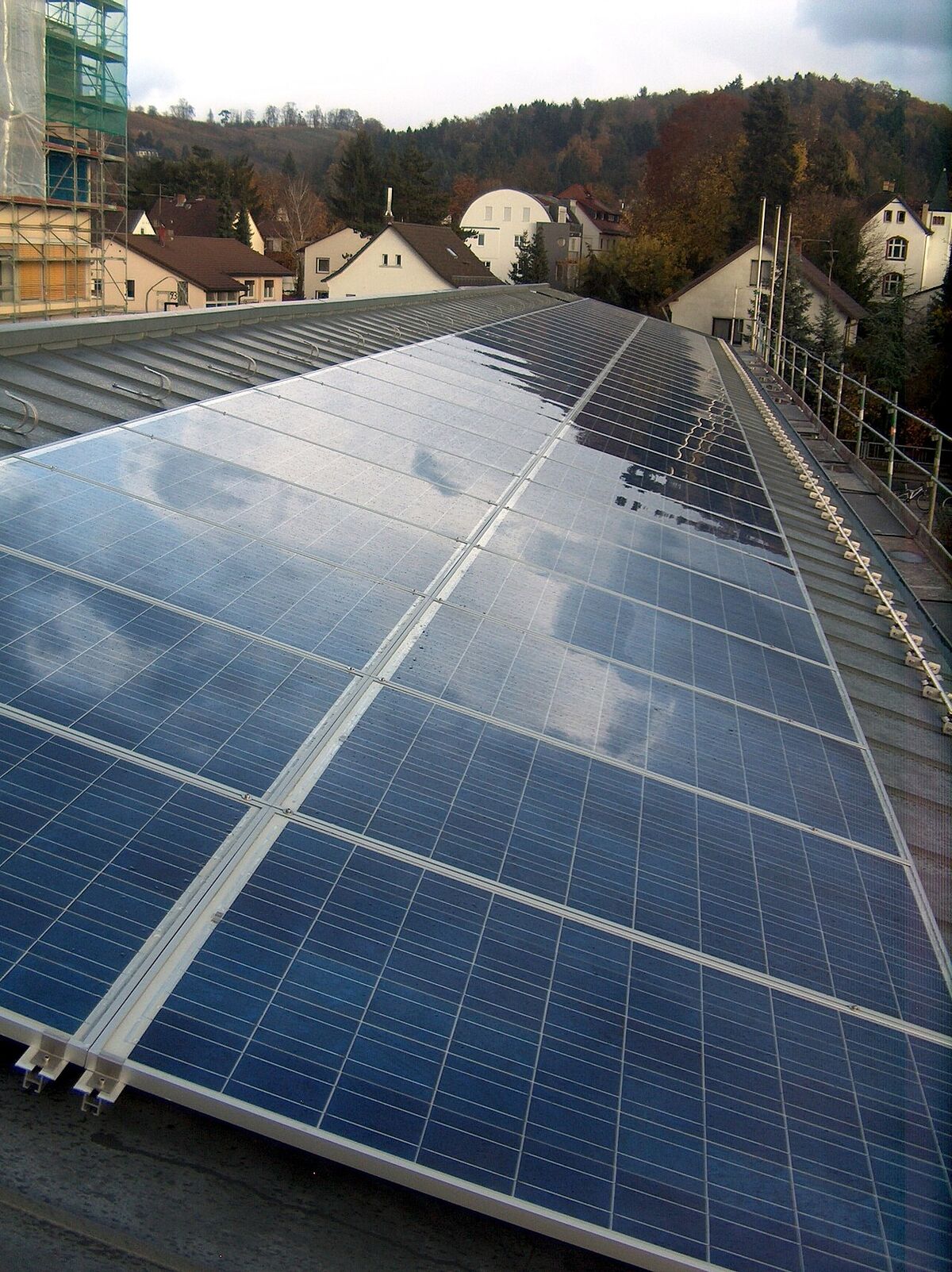
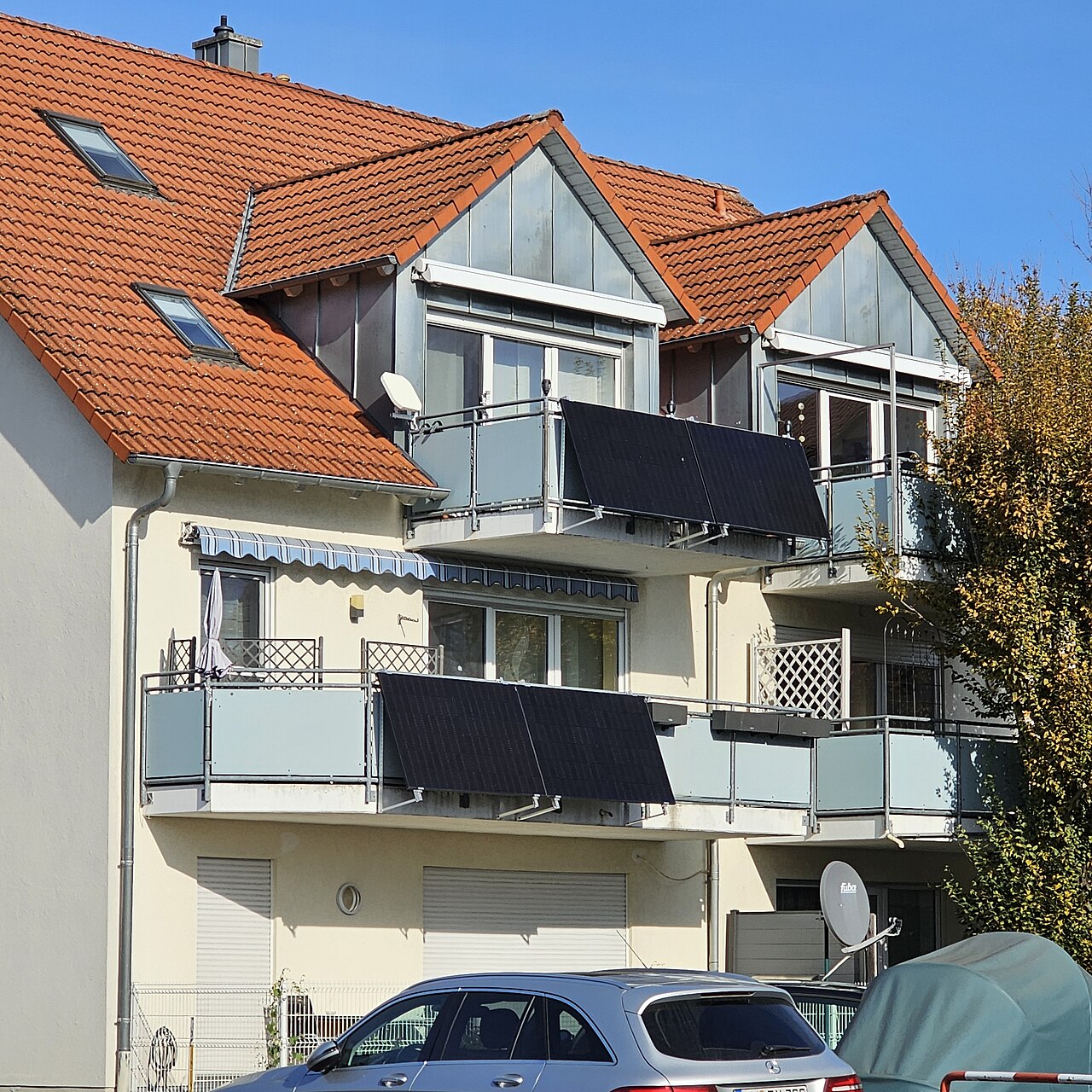
A balcony solar system won't take your apartment off the grid, but it can cover part of your daytime baseline electricity use and pay back its cost over time if your balcony gets decent sun. These plug-and-play kits—often called Balkonkraftwerke in Europe—are designed for apartments where a rooftop solar array isn't an option.
It's fair to be skeptical. Can a couple of small panels strapped to a railing actually make a dent in a utility bill, or is it just a feel-good greenwashing gimmick? Here's what owning a balcony solar setup involves, from installation to how the savings add up.
What Is a Balcony Solar System?
A balcony solar system is a small solar setup designed to be DIY. Unlike traditional solar installations that require professional electricians, permits, and roof access, a standard kit comes with:
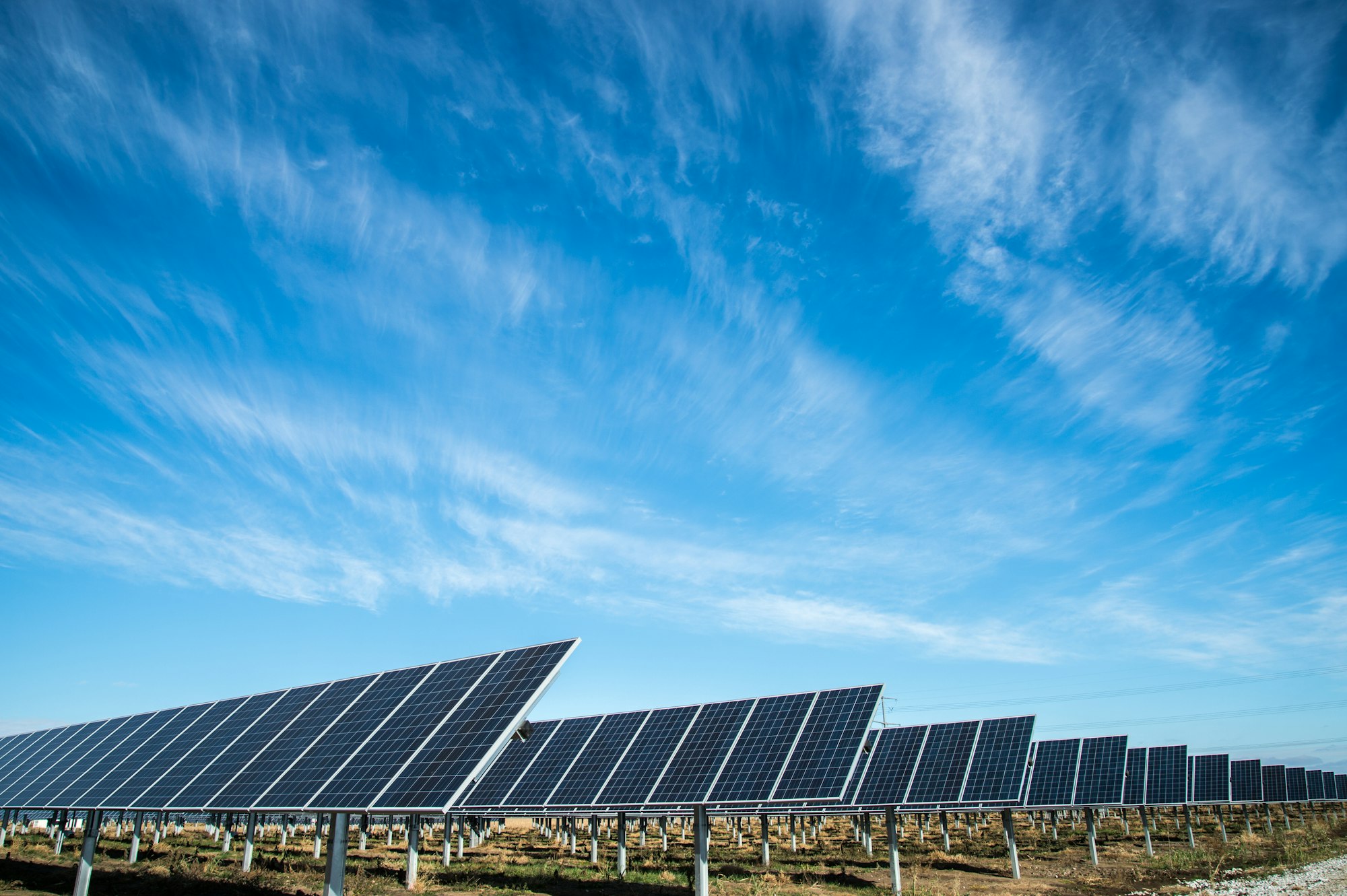
- Two lightweight solar panels (about 400W each).
- A microinverter, which converts the solar DC power into the AC power your apartment uses.
- Mounting brackets designed to hook securely onto standard balcony railings.
- A simple plug that goes straight into a standard outdoor electrical outlet.
That last part is the magic. You mount the panels, plug it into the wall, and the electricity you generate flows directly into your apartment's circuit. Your appliances will naturally pull this free solar energy first before pulling from the grid, slowing down your electricity meter.
How Hard Is Balcony Solar to Install?
Installation can be easier than assembling IKEA furniture—even someone who isn't especially handy may finish in under an hour. The hardest part is just maneuvering the panels safely without scratching them.
What Should You Know Before Installing?
- Check the angle: You don't want the panels perfectly flat against the railing. Adjustable brackets that tilt them out (around 30 degrees, for example) can significantly improve sunlight capture.
- Secure everything twice: If your area gets high winds, adding extra heavy-duty zip ties alongside the metal clamps gives peace of mind.
- Check your local rules: While these are legal almost everywhere now, some landlords or HOAs have specific rules about aesthetics, so it's best to double-check.
How Do You Track Balcony Solar Production?
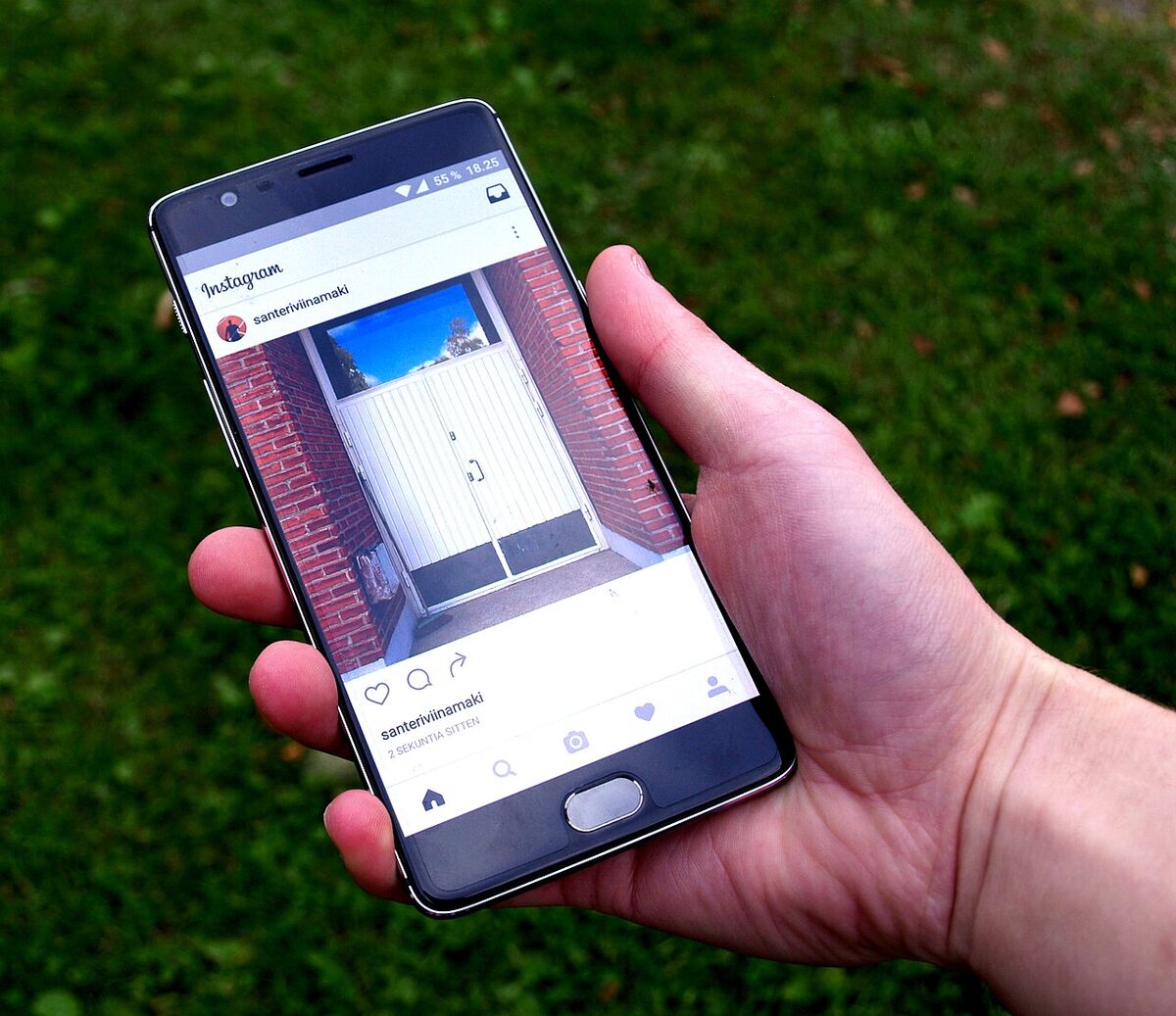
The microinverter connects to Wi-Fi, so you can track production through an app on your phone. It's incredibly satisfying to watch the wattage spike when the sun comes out from behind a cloud.
The data can also be integrated into a Home Assistant dashboard. Once you know when you generate peak power (around midday), you can shift habits—for example, running the dishwasher and washing machine on a delay timer so they operate during peak solar hours, maximizing the amount of "free" energy you use.
Does Balcony Solar Actually Save Money?
It can, and the math is simple. An 800W system produces the most on sunny summer days, and that output goes first to your home's constant "baseload"—things like a fridge, monitors, or a mini-PC for someone working from home. During daylight hours, the panels can cover much or all of that baseload.
- Kit cost: Prices have dropped significantly lately.
- Monthly savings: Depend on your weather, your balcony's orientation, and your electricity rate.
- Payback period: Divide the kit cost by your monthly savings to estimate how long it takes to pay for itself.
Considering the panels are rated to last 15 to 20 years, the years after the payback point are essentially pure savings.
Is Balcony Solar Worth It?
Is a balcony solar system going to take you completely off the grid? Definitely not. You aren't going to be powering your entire HVAC system with it.
But as a simple, accessible way to offset your daily baseline energy usage, lower your bills, and dip your toes into renewable energy without a massive upfront investment, I think it is worth it. It's one of the few tech purchases that can pay you back on every sunny day. If you have a south or southwest-facing balcony that gets decent sun, it's well worth considering.