Digital Provenance: How We Will Verify Truth in the 2026 AI Era
- Technology, Cybersecurity
- Exienent
- · Updated
Digital Provenance—one of Gartner's top strategic technology trends for 2026—is a way to prove where a piece of content came from by embedding a cryptographically signed history directly into the file. Instead of guessing whether a viral photo is real, you can check who created it, how it was edited, and whether AI was involved. It is the tech industry's coordinated response to the growing crisis of deepfakes and digital misinformation.
As generative AI models become incredibly sophisticated, the line between reality and synthetic content has completely blurred. This isn't just a parlor trick anymore; it's a massive societal issue impacting elections, financial markets, and personal reputations.
What is Digital Provenance?
Digital Provenance is the history of a piece of digital content. Just like a museum authenticates a priceless painting by tracing its ownership back to the original artist, digital provenance tracks the lifecycle of an image, video, or document.
It aims to answer a few critical questions:
- Who created this? Was it snapped by a photographer's camera, or generated by a prompt in Midjourney?
- When and where was it created?
- Has it been altered? If it started as a real photo, was it later manipulated in Photoshop to change the context?
Instead of relying on AI detection tools—which are notoriously unreliable and constantly playing a game of whack-a-mole—digital provenance flips the script. It embeds cryptographic "nutrition labels" directly into the files themselves.
How Do Content Credentials Work?
Content Credentials work by attaching signed metadata at each stage of a file's life, from capture to editing to display. The driving force behind them is the Coalition for Content Provenance and Authenticity (C2PA), which developed the open technical standard often referred to as Content Credentials.
Here is how the workflow looks in practice:
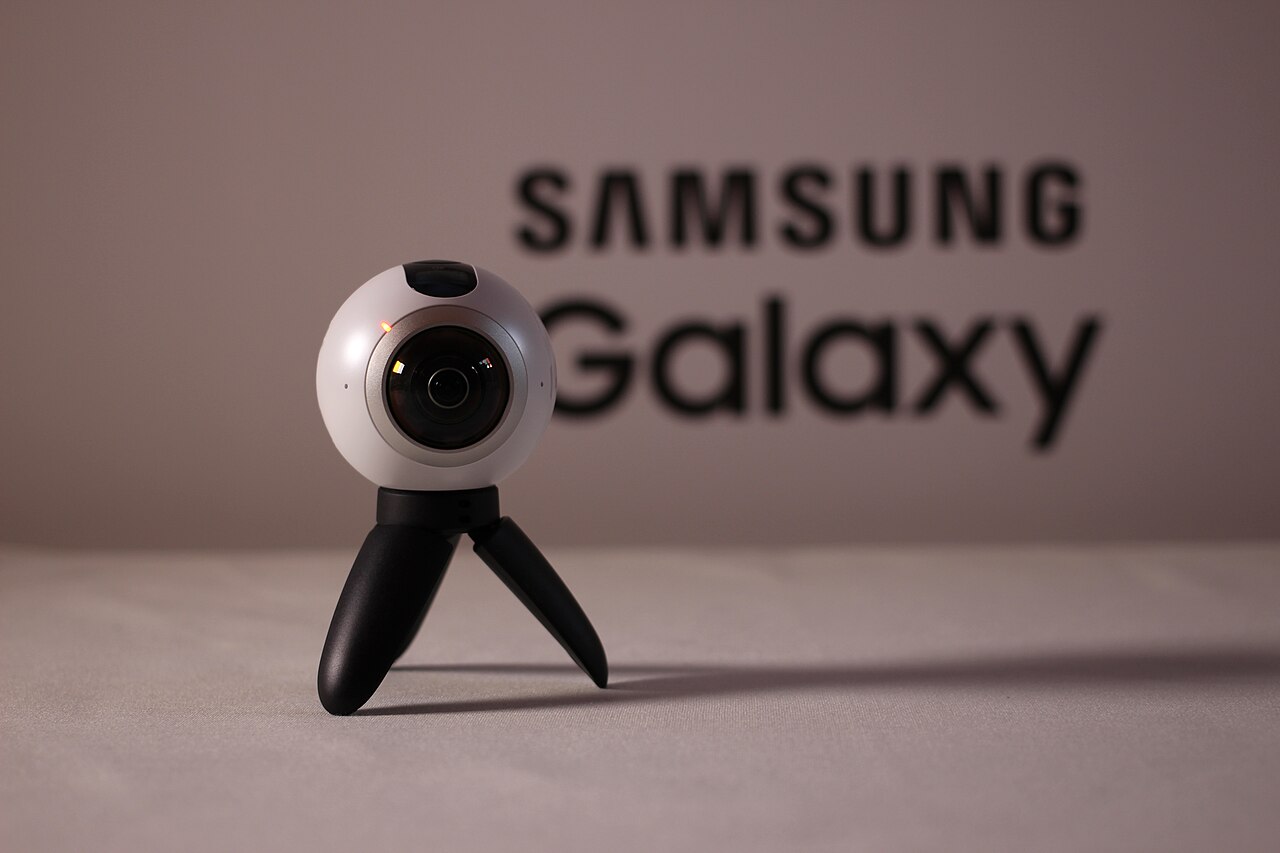
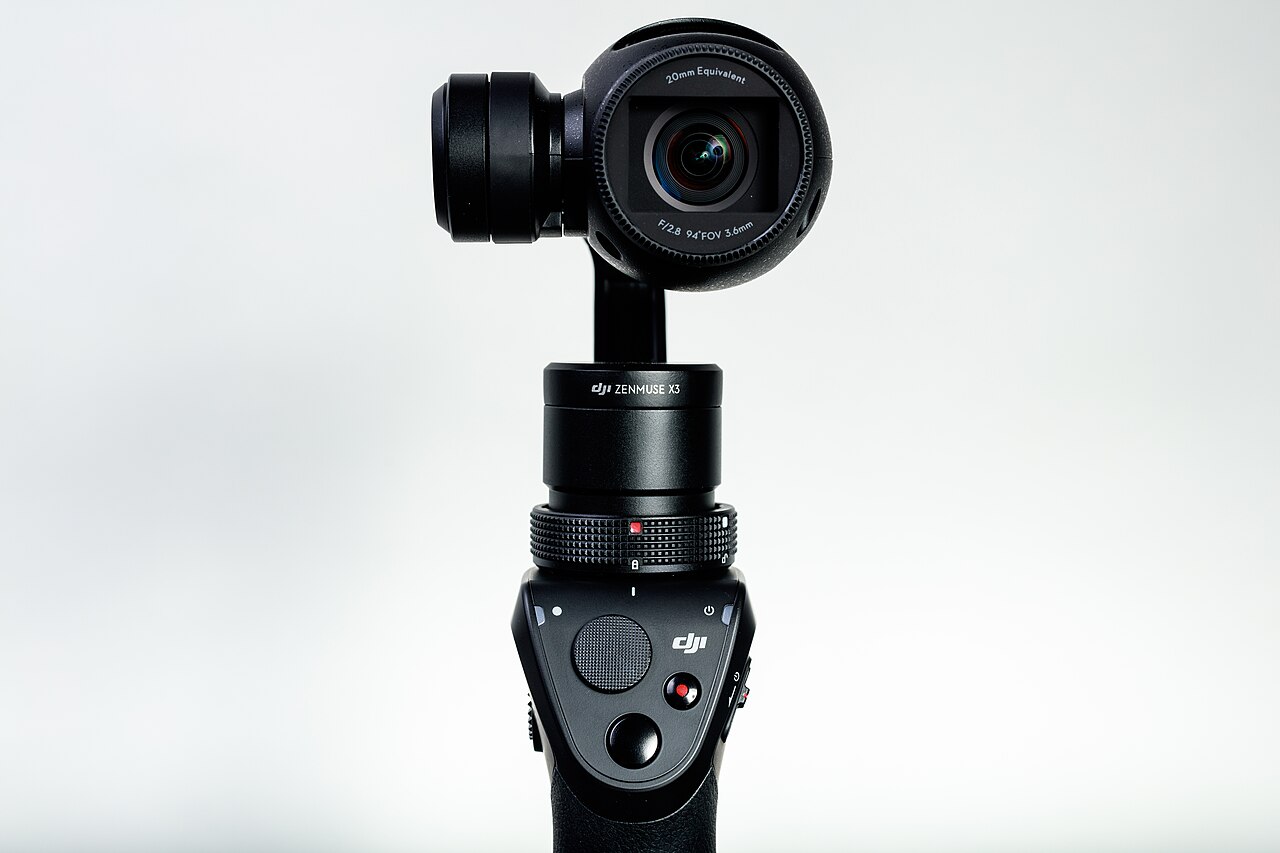
1. Secure Capture at the Source It starts the moment a photo is taken. Camera manufacturers (like Leica and Sony) and smartphone makers are building hardware that cryptographically signs the photo file the millisecond the shutter clicks. This signature records the exact time, location, and the device used. Because it's hardware-secured, it is incredibly difficult to spoof.
2. Tracking Edits in the Software If you open that photo in an editing program like Adobe Photoshop to adjust the lighting or crop it, the software adds a new layer to the provenance data. It securely records exactly what edits were made, creating a transparent, chronological audit trail.
3. AI Generation Tags If a piece of content is entirely generated by AI, major platforms (like OpenAI, Google, and Adobe Firefly) are committing to automatically embedding C2PA metadata indicating that the file is synthetic.
4. Verification in the Browser When that image finally reaches you on Twitter, a news website, or a blog, your web browser or the platform itself can read that metadata. You'll see a small "Content Credentials" icon (an overlaid 'CR' logo). Clicking it reveals the entire history of the file: where it came from, if AI was involved, and if any edits were made along the way.
Why Is 2026 the Year of Digital Provenance?
2026 is the inflection point for mass adoption because pressure from deepfakes, ecosystem support, and regulation are arriving at the same time. The technology has been in development for a few years, but three forces now line up:
- The Disinformation Tipping Point: With high-stakes global elections and geopolitical tensions, the damage caused by AI-generated deepfakes is too severe to ignore. Platforms are facing immense pressure to give users tools to verify authenticity.
- Ecosystem Integration: 2026 is the year we see true end-to-end integration. It's no longer just Adobe championing the cause; major social media networks, search engines, and hardware manufacturers are natively supporting the standard.
- Regulatory Mandates: Governments are moving past vague AI guidelines and starting to mandate the labeling of synthetic content. Digital provenance standards provide the technical framework for companies to actually comply with these laws.
How Should Businesses Prepare for Digital Provenance?
Businesses that rely on user trust—media outlets, e-commerce platforms, and similar—should start supporting the standard now rather than ignore it. Key steps:
- Update Your CMS: Ensure your Content Management Systems (CMS) and digital asset libraries support C2PA standards so that provenance data isn't accidentally stripped out when you upload or resize images.
- Adopt Transparency: Begin implementing Content Credentials for the media your company publishes. Showing your audience that you are committed to verifiable truth builds brand loyalty.
- Train Your Teams: Educate your marketing and communications teams on how to verify incoming media before they share it on corporate channels to avoid accidental PR disasters.
What Does Digital Provenance Mean for the Future of Trust?
Digital provenance means "seeing is believing" will no longer be true by default on the web. Digital Provenance isn't about censoring fake content; it's about providing transparency so users can make informed decisions about what they consume. By 2026, content without a verifiable history might just be treated with the same skepticism as an unsigned email from a stranger. It is a necessary evolution to keep the digital world honest.