Mike Tyson vs Jake Paul on Netflix: Is This the Future of Live Sports?
- Technology, Review, Lifestyle
- Exienent
- · Updated
Is Netflix's live broadcast of Mike Tyson vs. Jake Paul the future of live sports? I think so. The stream wasn't flawless, and peak-time technical hiccups showed the infrastructure still needs work, but airing one of the most hyped (and deeply bizarre) sporting events of the decade inside a regular subscription is a major shift.
Not long ago, watching a massive boxing match meant calling up your local cable provider, paying a $70 Pay-Per-View fee, and hoping the satellite dish didn't get knocked out by a thunderstorm. This time, viewers could find the fight just by clicking a banner on the Netflix home screen.
Netflix has been dipping its toes into live events for a while now, testing the waters with stand-up specials and reality TV reunions. But broadcasting a massive, globally anticipated live sporting event is an entirely different beast. Here is a look at the viewing experience and what it means for the future of how we consume sports.
How Good Was the Netflix Live Stream?
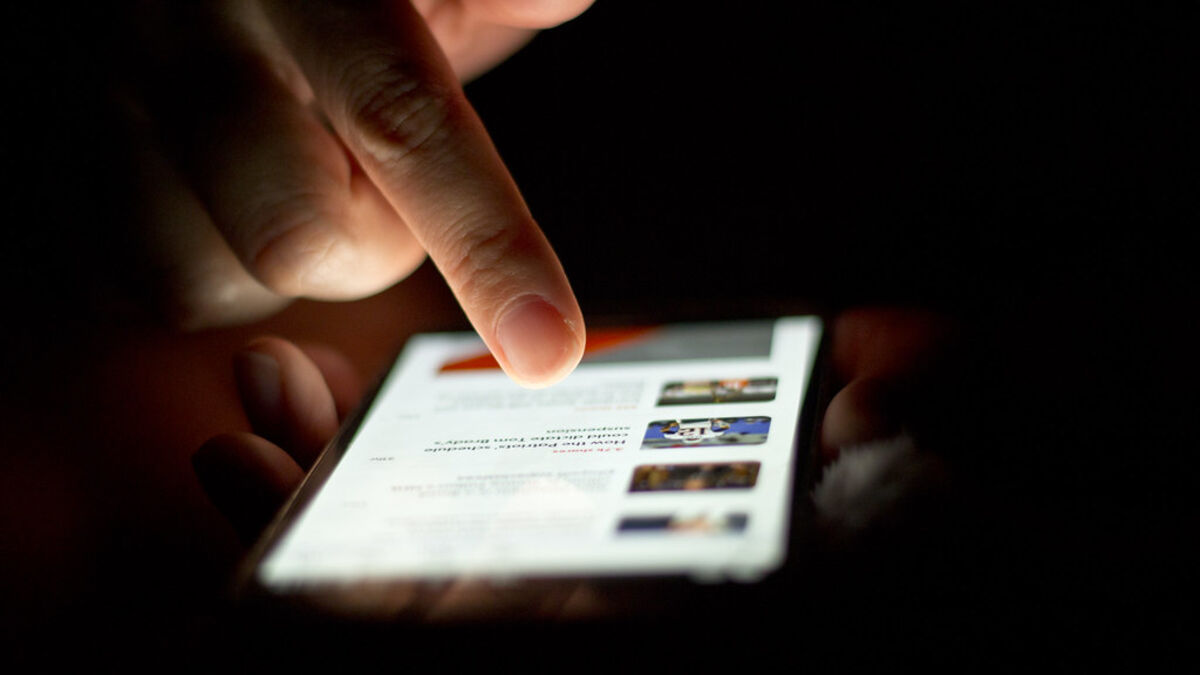
Finding the event was easy; holding stream quality at peak demand was the hard part. Netflix knows UI better than anyone, and a massive "LIVE NOW" banner at the top of the app on TVs, tablets, and phones made it impossible to miss.
When the stream holds up, it can look gorgeous: crisp 4K resolution, excellent audio mixing, and the premium, polished production value people have come to expect from Netflix originals.
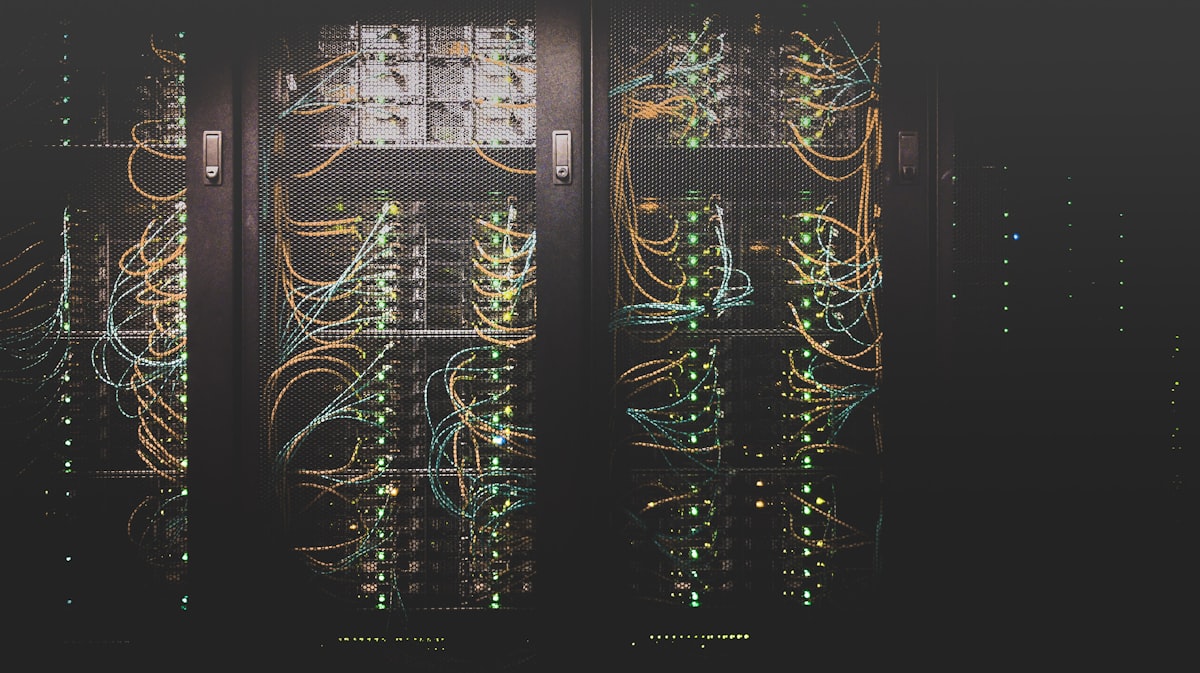
However, as a main event approaches and millions of concurrent viewers pile onto the servers, cracks can show. A live stream under that load may briefly downgrade to a much lower resolution, show buffering circles, or let the audio drift out of sync with the video for a few seconds.
Hiccups like these aren't a total disaster, but they are a stark reminder that delivering live, real-time video to tens of millions of people simultaneously is incredibly hard, even for a tech giant like Netflix. It clearly has backend scaling issues to iron out before it takes on something like the Super Bowl.
How Is Netflix's Sports Production Different from ESPN?
Netflix's broadcast felt less like ESPN and more like Hollywood. Traditional sports broadcasting (think ESPN or Fox Sports) has a very specific, rigid cadence: lots of stats, former athletes in stiff suits, and a hyper-serious tone.
Netflix threw that playbook out the window. The production felt less like a traditional sports broadcast and more like an interactive blockbuster movie. The pacing was faster, the graphics were heavily stylized, and the commentary team leaned heavily into entertainment rather than pure technical analysis.
It also integrated elements you rarely see in traditional sports, like live social media reactions and behind-the-scenes locker room footage that felt straight out of a Drive to Survive documentary. It was sports broadcasting optimized for the TikTok generation.
Does Netflix Live Sports Mean the End of Traditional Cable?
It puts serious pressure on cable. Regardless of who won the fight (or whether the fight itself lived up to the hype), the mere fact that this event happened on Netflix is a massive cultural shift.
For years, live sports have been the final, desperate stronghold keeping traditional cable television alive. People have been cutting the cord for movies and TV shows for a decade, but they kept paying exorbitant cable bills because they needed their live sports fix.
By proving it can secure the rights to, and broadcast, a mega-event like this without charging an additional Pay-Per-View fee, Netflix just fired a warning shot across the bow of every traditional sports network. Why pay $70 for a single boxing match when a $15 monthly Netflix subscription, which you may already pay for anyway, suddenly includes it?
The Verdict: Is This the Future of Live Sports?
Was the broadcast perfect? No. The technical hiccups during peak viewership proved that the infrastructure still needs work.
But was it the future? Absolutely.
Seeing Mike Tyson and Jake Paul face off on the same platform where people binge-watch Stranger Things is surreal, but also incredibly convenient. Netflix has officially entered the live sports arena, and if it can smooth out the server issues, the way we watch our favorite teams and athletes is about to change forever.