2026 AI Pet Translator Collars: What They Can Tell You About Your Dog
- Hardware, AI & Data, Lifestyle
- Exienent
- · Updated
An AI Pet Translator Collar listens to a dog's barks and whines and combines them with motion and heart-rate data to send you a translated "intent" on your phone. It cannot make a dog speak, but it can help owners tell different barks apart and notice silent signs of stress. The trade-offs are notification overload, occasional misreadings, and a price above $250 plus a monthly subscription.
Picture a familiar scene: the dog whines, paces, and paws at the front door. The water bowl is full, a trip outside changes nothing, and even a favorite treat gets ignored, which is a red flag. In moments like that, the pipe dream of a "Babel Fish for dogs" is appealing, and in 2026 it is quietly becoming a product category. Here is how the tech works, what it does well, and whether it is worth the hefty price tag.
How Does an AI Pet Translator Collar Work?
An AI translator collar works by fusing audio with body signals and processing them on the device. When a dog barks, whines, or growls, a high-fidelity microphone on the collar picks up the sound. But it doesn't stop there.
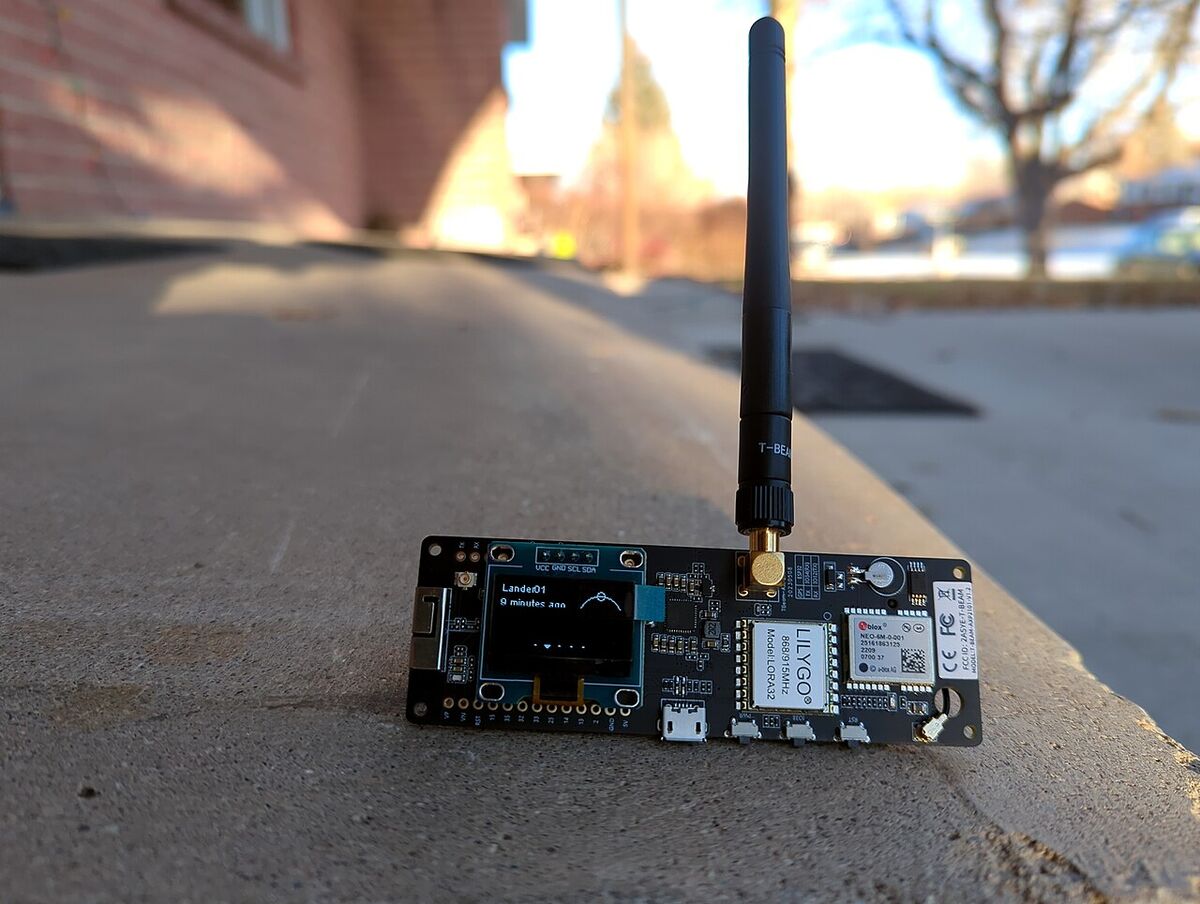
The key feature of these 2026 models is that they are multimodal. The collar also has a 6-axis gyroscope, an accelerometer, and a heart rate monitor, so it measures posture, tail wag frequency, and stress levels alongside the sound.
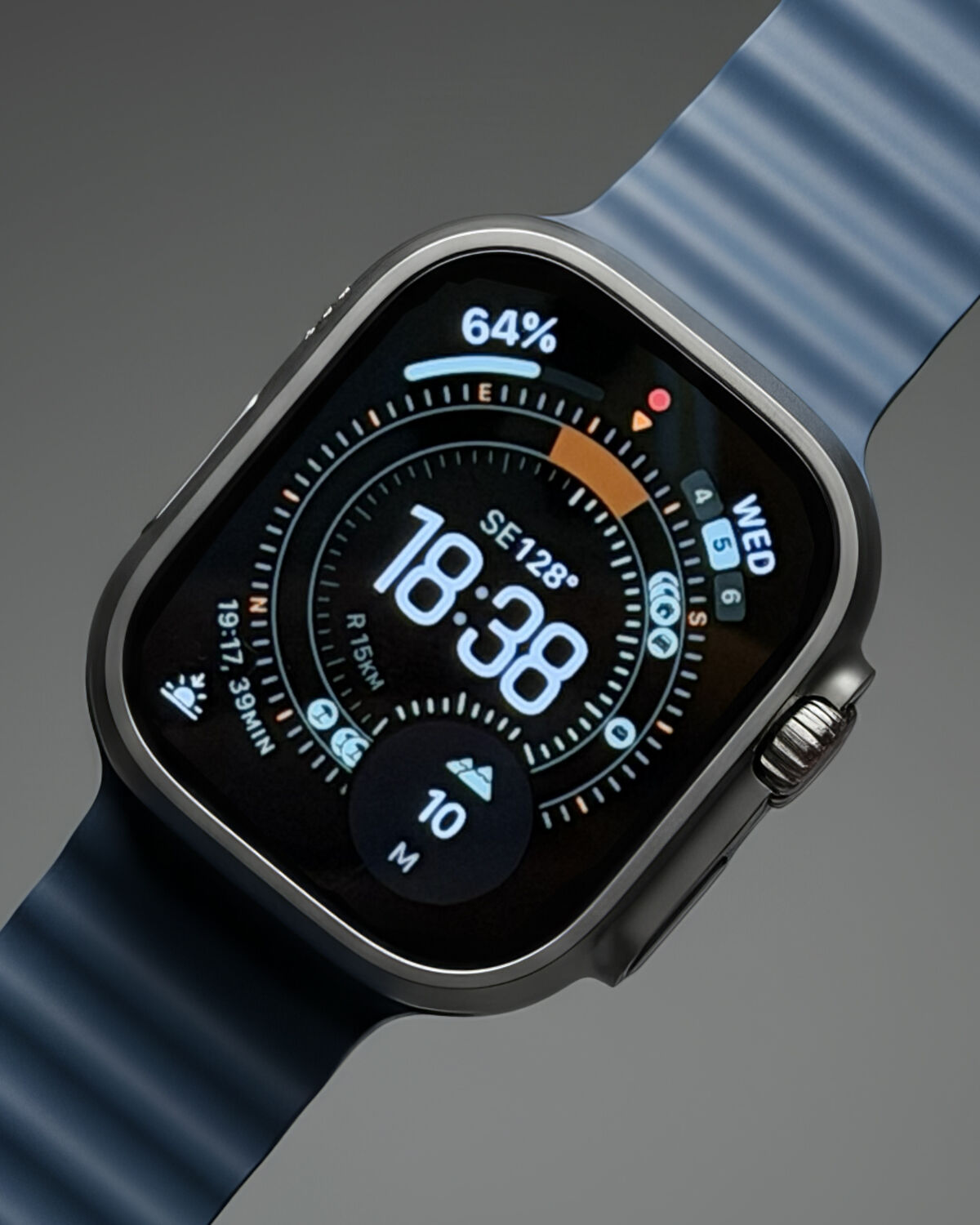
Rather than sending all this data to a slow cloud server, the collar uses a built-in neural processing unit (NPU) to run the AI model directly on the device. Within a fraction of a second, the owner gets a push notification on a phone or smartwatch with a translated "intent."
What Can an AI Translator Collar Actually Tell You?
It can go beyond generic phrases like "I am hungry" or "I am happy" and offer more nuanced readings, which is where the skepticism around these devices starts to fade.
- Understanding the Nuance of Barks: The collar can distinguish an Alert Bark ("Someone is walking past the house") from a Demand Bark ("Throw the tennis ball right now"). That can change how an owner responds: instead of yelling at the dog when the mail carrier arrives, you may recognize it as the dog fulfilling its perceived duty as head of household security.
- Catching Silent Distress Signals: Biometric tracking may be the most valuable feature. The collar can send a "High Stress / Discomfort" alert while the dog is completely silent, prompting a check that might reveal something like a thorn embedded in a paw pad before the dog starts limping. An alert is a prompt to look, not a diagnosis; persistent signs of pain call for a vet.
- Gamifying Training: The companion app acts like a digital coach. During training, the collar gives real-time feedback on the dog's engagement, and if the AI detects frustration or lost focus, it suggests a break. That can make sessions more productive and positive.
What Are the Downsides of AI Pet Translator Collars?
The main downsides are notification overload, ongoing subscription costs, and false positives during intense excitement.
- The Overwhelming Notifications: With every alert enabled, your wrist can buzz each time the dog stretches, yawns, or sighs. You need to spend time dialing in the alert thresholds, or your phone becomes close to unusable.
- The Monthly AI Subscription: On top of the pricey hardware, you are locked into a monthly subscription fee to keep the AI model updated and access historical data logs. It feels a bit nickel-and-dimey given the upfront cost.
- The "Squirrel" False Positives: The AI is trained on dog vocalizations and body language but still struggles with extreme, sudden excitement. When a dog spots a squirrel, its biometrics can spike so fast that the collar misreads intense prey drive as panic or aggression.
Is an AI Pet Translator Collar Worth the Investment?
These smart collars aren't cheap. A standard nylon collar costs about $10, while a fully featured AI translator model runs upwards of $250, plus the monthly subscription.
If your dog is calm and communicative and you already feel in tune with its needs, you can probably skip this generation of tech. If you have an anxious rescue, a working dog in active training, or simply want a deeper, data-driven view of your dog's emotional state, I think it is a fascinating investment. It won't give a dog the ability to speak English, but it can make its owner a much better listener.