Switching to a 'Dumbphone' in 2026: What a 30-Day Digital Detox Involves
- Digital Detox, Lifestyle
- Exienent
- · Updated
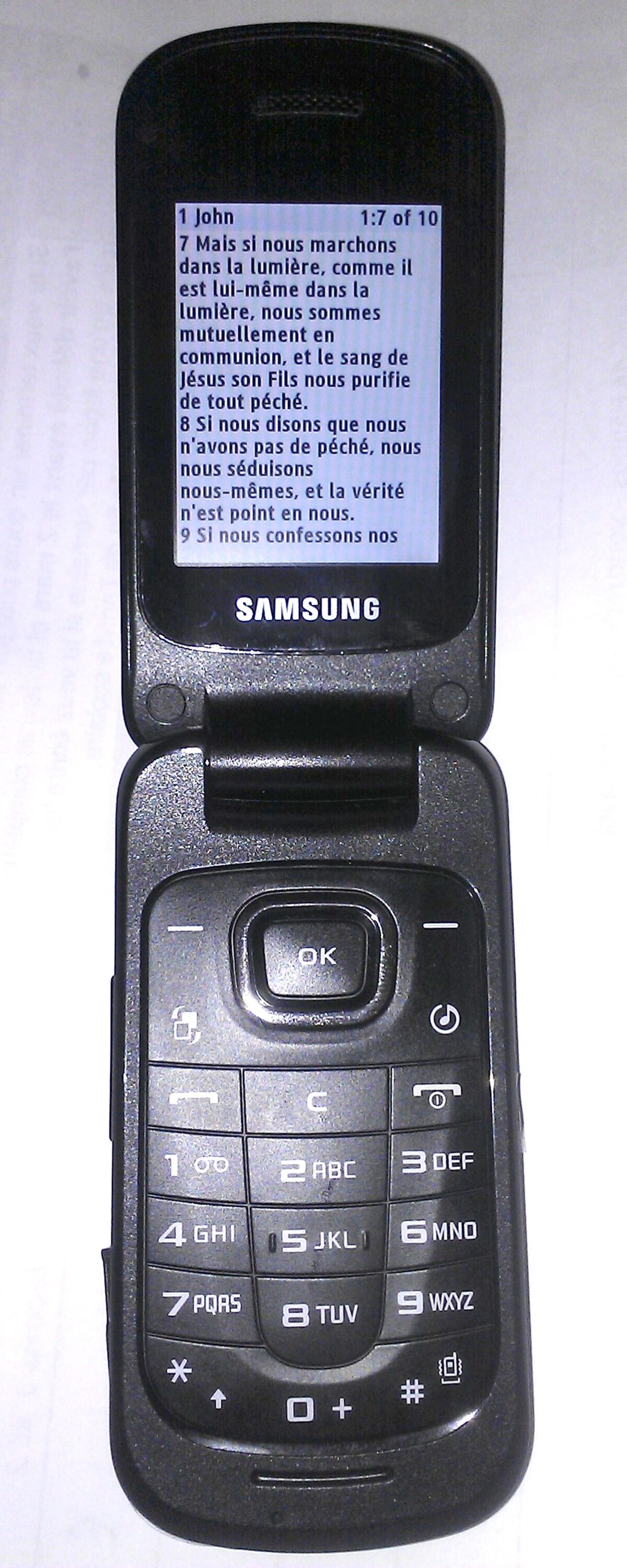
Swapping a smartphone for a basic "dumbphone"—a feature phone that can basically just call and text—for 30 days is possible in 2026, but it takes planning. The first week can bring withdrawal-like restlessness; after that, some people may find more focus and quiet, though work tools such as 2FA apps can make a permanent switch hard.
Why switch to a dumbphone at all?
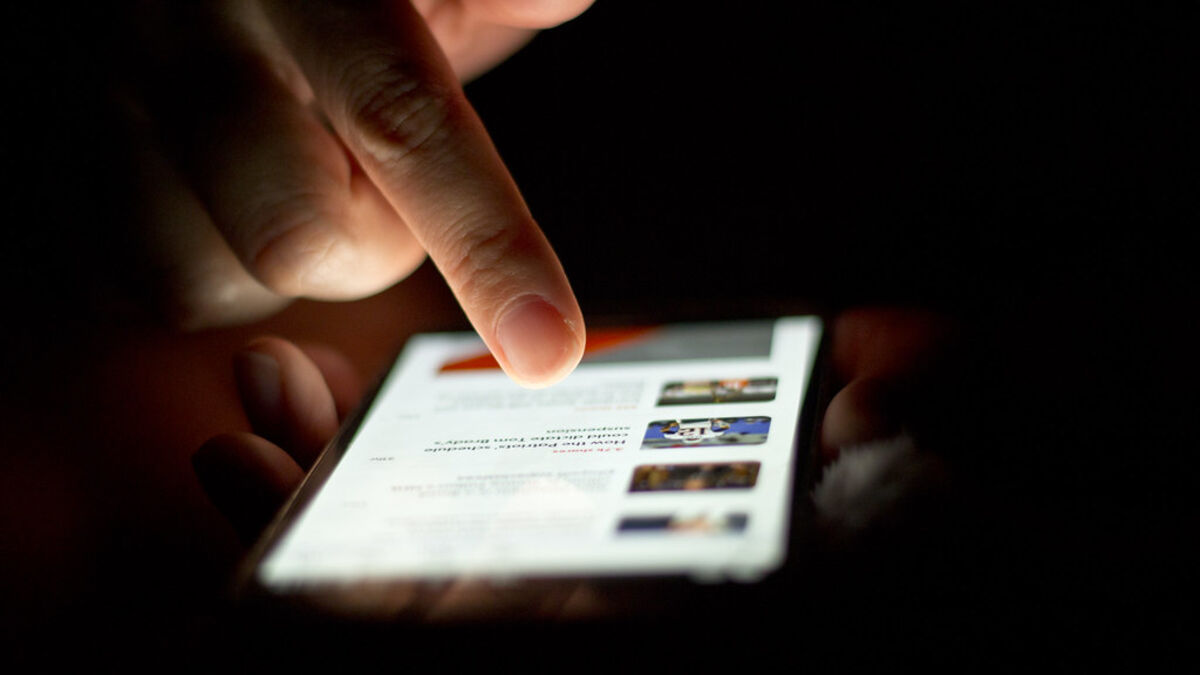
The main reason to switch is to break the pull of a device that never stops asking for attention. Endless doomscrolling on social media, a constant barrage of work emails, and news alerts every hour can leave your brain feeling entirely fried. Notification badges deliver small, constant rewards that can chip away at your attention span, to the point where even a short TV show is hard to watch without reaching for the phone during slower scenes.
Screen time limit apps are easy to bypass, so a dumbphone works as a more radical reset. A basic feature phone is cheap, has physical buttons and zero social media apps, and its battery can last for days.
What is the first week without a smartphone like?
The first week without a smartphone can be surprisingly difficult. You may experience "phantom buzzes"—feeling your pocket vibrate when nothing is there. Free moments, like waiting in line for coffee or riding the subway, can bring an anxious urge to pull out a screen and check... something. Anything.
Practical challenges to plan for:
- Navigation: Relying on paper maps or looking up directions before leaving the house is a big adjustment, and you may end up asking strangers for directions.
- Banking & Payments: You'll need to carry physical credit cards and cash again, since tap-to-pay from your phone is gone.
- Messaging: T9 predictive text can feel like a forgotten skill, and texts may become very short, very fast.
What changes from week two to week four?
From the second week on, the restlessness may fade and give way to something rare: quiet. Effects differ from person to person, but possible benefits include:
- Better Focus at Work: Without a smartphone on your desk, it can be easier to enter a flow state and finish tasks without constant interruptions.
- Calmer Evenings: A basic phone on the nightstand instead of a bright OLED screen removes one late-night distraction, which may make winding down easier and leave room for reading physical books before bed. Persistent sleep problems are worth raising with a doctor.
- Being Present: When meeting friends for dinner, the phone stays in your pocket because there is nothing to look at on it, which can make conversations feel deeper and more meaningful.
Can you survive without a smartphone in 2026?
Yes, you can, but it requires planning. A dumbphone forces you to be intentional about your technology use.
A full switch is not realistic for everyone. Certain apps, specifically 2FA authentication and document scanning, may be genuinely necessary for work and can make a return to the smartphone unavoidable. Even then, the experiment can change how you use the device: keeping almost all notifications disabled, or leaving the house on weekends with just a feature phone.
If you are feeling overwhelmed by your digital life, I think buying a cheap dumbphone and trying it for just one weekend is a low-risk experiment. The potential mental clarity may well be worth the inconvenience.