The Kidult Economy: Why Adults in 2024 Are Buying Toys and Healing Their Inner Child
- Business & Marketing, Lifestyle
- Exienent
- · Updated
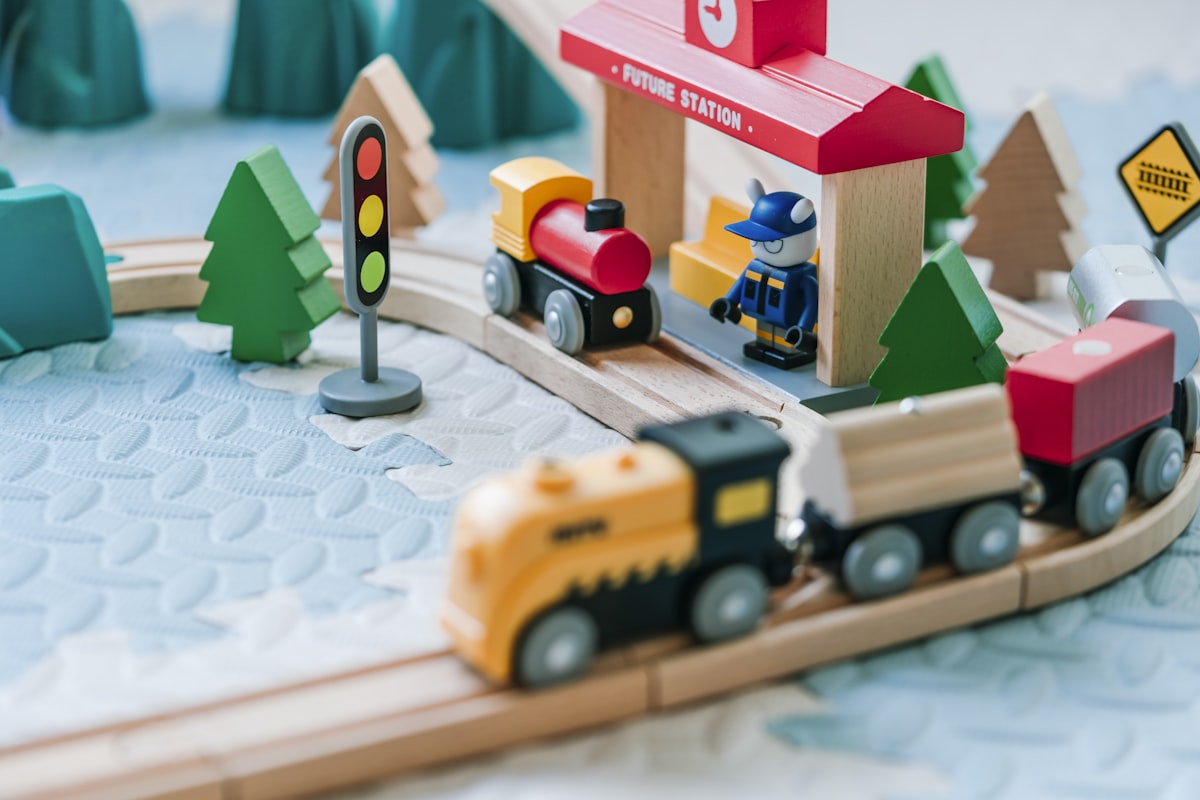
In 2024, the primary driver of growth in the toy industry isn't children—it's adults. Grown-ups are spending billions of dollars annually on action figures, complex building sets, retro video games, and blind-box collectibles, driven by nostalgia, a wish to heal their inner child, and a hunger for tangible play.
Welcome to the booming "Kidult" economy. A limited-edition Lego set can send adults with mortgages and retirement accounts into digital queues, buying not for a nephew or as a gift, but entirely for themselves. So what is driving this massive cultural shift toward nostalgia-driven consumption?
What is a "Kidult"?
A "kidult" is a grown-up who happily engages in hobbies, media, and consumer habits traditionally associated with children. The term blends "kid" and "adult."
But it's more than just a marketing buzzword. It represents a fundamental shift in how adults view play and leisure. Ten years ago, having a shelf full of action figures in your office might have raised some eyebrows. Today, it's considered a completely normal form of self-expression.
Why do adults buy toys?
Adults buy the toys of their childhood because of a potent mix of psychology and current events.
- Nostalgia as a Comfort Blanket: The world right now is relentlessly stressful. Between economic uncertainty, a chaotic news cycle, and the pressure of always-on digital culture, adult life is exhausting. Reconnecting with the pop culture of our youth—whether it's Pokémon, vintage Barbie, or Transformers—can provide a safe, predictable hit of dopamine. It’s an anchor to a simpler time.
- Healing the Inner Child: Many millennials and Gen Zers finally have the disposable income to buy the things they desperately wanted (but were denied) as kids. Buying that massive Lego castle isn't just about the toy; it’s a form of retroactive self-care.
- The Desire for Tangible Play: We spend 90% of our waking hours staring at screens. Building a model, painting a miniature, or organizing a trading card binder are tactile, physical experiences. They pull us out of the digital ether and encourage us to be present in the real world.
How are toy brands targeting adults?
Toy companies now design and market a whole category of products exclusively for adults. The toy aisle is no longer just for kids; it has been completely bifurcated.
Walk into any major retailer, and you will see "18+" labels on complex puzzle sets and high-end collectibles with premium price tags. Brands like Lego, Mattel, and Hasbro now dedicate massive portions of their R&D and marketing budgets exclusively to the adult demographic.
They know that adults have the purchasing power to spend $300 on a collectible, whereas a parent might only spend $30 on a toy for their child. It is a highly lucrative pivot.
Is the kidult trend a good thing?
I think the rise of the kidult economy is a positive trend. It signals that we are collectively rejecting the rigid, outdated definitions of what it means to be a "serious adult."
There is no rule that says getting older means abandoning the things that brought you joy. If spending your Friday night building a 2,000-piece puzzle of your favorite movie franchise helps you decompress after a rough week at work, then that is money well spent.
Are you part of the kidult economy? What is the one nostalgic item you’ve bought recently that brought you genuine joy? A vintage GameBoy Color, perhaps? Sometimes all we need is an excuse.