Dry Wet Clothes Faster with the Dry Towel Trick
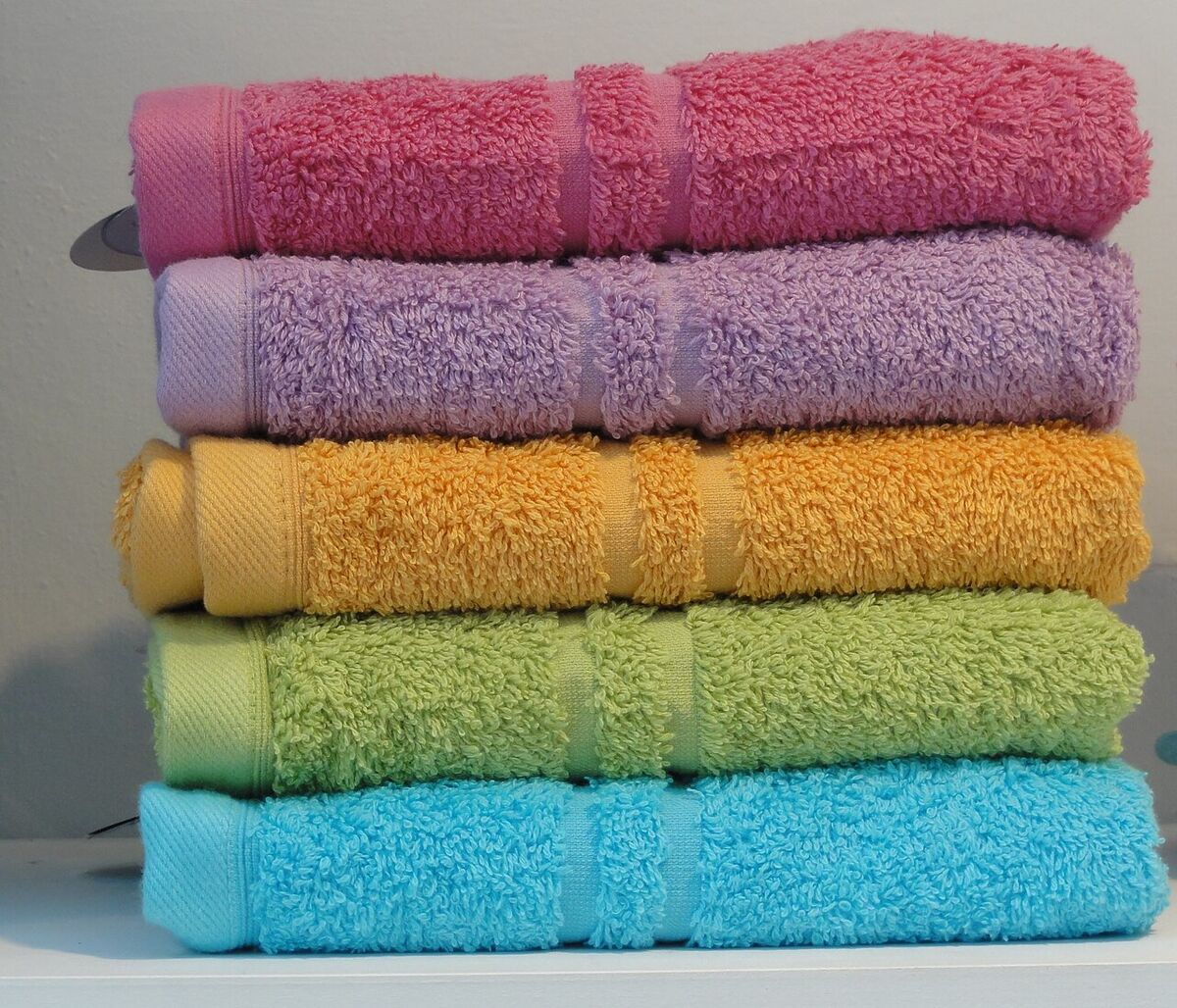
Rolling a wet garment inside a dry towel and pressing on the roll does speed up drying: the towel soaks up water the spin cycle or your hands left behind, so there is less left to evaporate. It is the standard way to remove water from hand-washed knitwear without wringing it, and it works just as well for a shirt you need in a hurry. It won't make clothes dry on the spot, though; the garment still needs to air-dry or go in the dryer afterwards.
Why does removing more water make clothes dry faster?
Because drying time depends on how much water has to leave the fabric. Natural Resources Canada's ENERGY STAR washer guidance makes the same point about spin cycles: efficient washers spin faster to extract more water, which leaves less moisture for the dryer, and choosing a "high-speed" or "extended spin" setting shortens drying time. The towel roll is a manual version of that extra extraction, useful when you hand-washed something or can't run another spin.
How do you dry clothes with the towel roll method?
- Lay a large, clean, dry bath towel flat. A white or pale towel avoids any dye transfer onto light clothes.
- Lay the wet garment flat on top and smooth out big folds.
- Roll the towel and garment up together from one end, like a sleeping bag.
- Press firmly along the whole roll with your hands or knees. Press; don't twist.
- Unroll. If the garment is still dripping, repeat with a dry section of towel or a second towel.
- Hang it or lay it flat somewhere with moving air, or put it in the dryer if the care label allows.
Why not just wring clothes out?
Wringing stretches wet fibers, especially in knits. Uniqlo's knitwear care guide says not to wring items dry but to gently squeeze the water out and lay them flat on a towel or rack. Pressing inside a towel goes a step further: the towel absorbs water as you squeeze, and nothing gets twisted.
Should you hang knitwear after the towel roll?
No, lay knitwear flat. The Woolmark Company recommends drying wool sweaters flat on a white or pale, lint-free towel, because the weight of the water in a hanging knit stretches it out of shape. It also advises keeping wool out of direct sunlight and away from direct heat such as radiators. T-shirts, shirts, and woven trousers are fine on a hanger.
Which clothes is the towel trick good for?
| Situation | Worth doing? |
|---|---|
| Hand-washed sweater or wool item | Yes, this is the usual method |
| Socks or underwear washed in a hotel sink | Yes, the towel picks up water that squeezing by hand leaves behind |
| A shirt that needs to dry before you go out | Yes, as a first step before hanging it near moving air or using a dryer |
| A full load straight from a washer | Not really; run an extra or faster spin cycle instead |
| Heavy items like jeans or towels | Limited; one towel can't absorb much from them |
For more on household upkeep, Coffee Filters as Snack Bowls: Does It Work? and Does Chalk in a Closet Really Absorb Moisture? pick up where this leaves off.