Does a Piece of Chalk in Your Closet Really Stop Dampness?
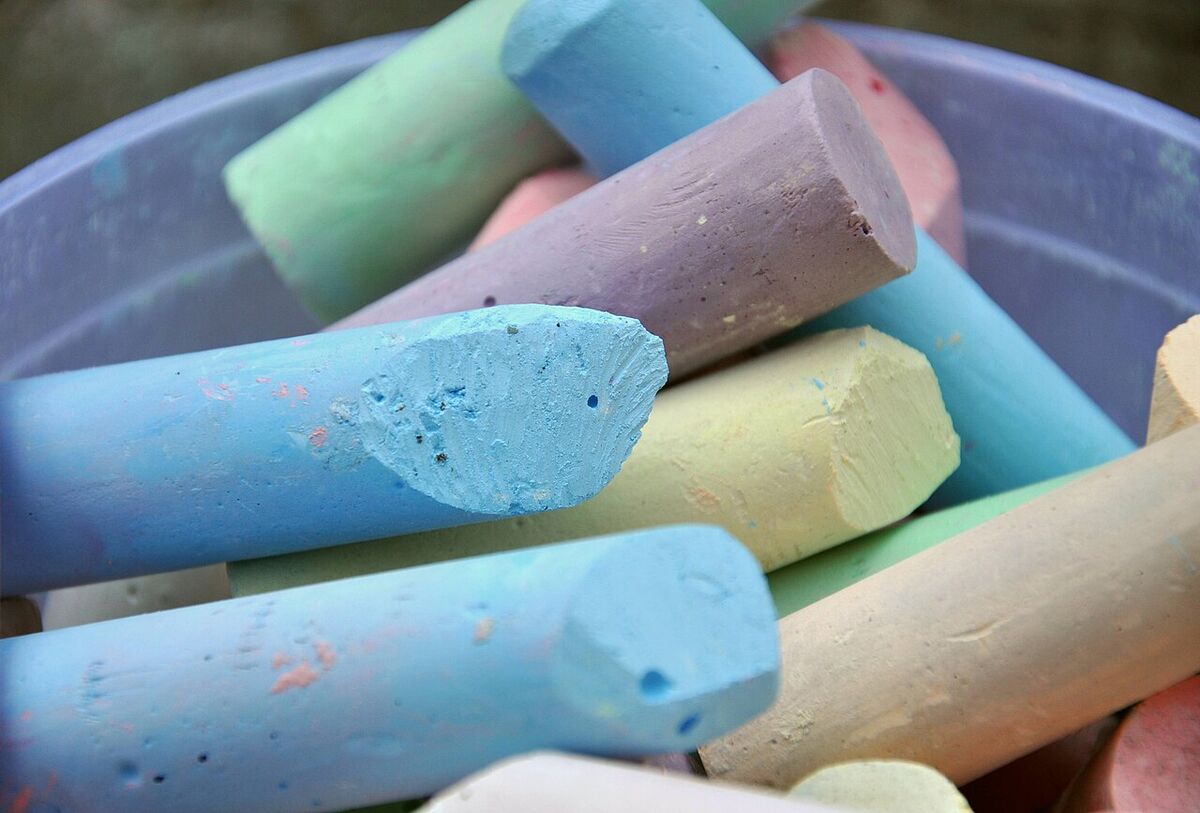
A bundle of chalk hanging in your closet is unlikely to make a real difference to dampness. Chalk is porous, but there's no published measurement showing it lowers the humidity of a closet, and it isn't on the list of materials actually used as desiccants. If your closet smells musty, check the humidity and use proven options: silica gel, calcium chloride moisture absorbers, better airflow, or a dehumidifier.
Does chalk actually dry out a closet?
Not in any way that's been shown to matter. Common desiccants are silica gel, activated charcoal, calcium sulfate, calcium chloride and molecular sieves, according to Wikipedia's overview of desiccants; calcium carbonate and chalk aren't among them. The claim that chalk keeps clothes dry circulates widely online, but we couldn't find any test that measured closet humidity before and after adding chalk.
Why do people think chalk absorbs moisture?
Because chalk is very porous, and porous things look like sponges. Natural chalk typically has porosity of 35 to 47 percent, so it soaks up spilled liquid water readily. Pulling water vapor out of the air at normal room humidity is a different job, and that's what desiccants are made for.
There's also a catch with the "box of blackboard chalk" version of the hack: modern blackboard chalk isn't necessarily chalk. Wikipedia notes it may be made from other calcium carbonate sources or from gypsum (calcium sulfate), and gypsum-based sticks are the cheapest to produce. So the stick in your hand may not even be the material the hack describes.
What humidity causes mold in a closet?
Mold becomes a risk when indoor humidity stays high. The US EPA recommends keeping indoor relative humidity below 60 percent, ideally between 30 and 50 percent, and says "the key to mold control is moisture control." A cheap hygrometer placed inside the closet tells you whether you actually have a problem, and whether whatever you try is working.
Closets can be damper than the rest of the house. North Dakota State University Extension points out that closet air can reach mold-friendly humidity even when the house is dry, especially against a cold outside wall in winter.
What works better than chalk for a damp closet?
| Option | How it helps | Notes |
|---|---|---|
| Silica gel packs | A desiccant that holds water vapor | The most common desiccant; best in small, closed spaces like drawers and boxes |
| Calcium chloride absorbers | Pulls moisture from the air into a collection tray | Listed as a common desiccant; keep the liquid away from clothes and replace when spent |
| Dehumidifier or air conditioner | Lowers humidity for the whole room | The EPA's recommended tool for reducing indoor humidity |
| Airflow | Stops damp, still air from settling | NDSU advises storing items away from outside walls |
Steps that help regardless of what product you use:
- Put a hygrometer in the closet and aim for the EPA's 30–50 percent range.
- Store only clean, completely dry clothes; NDSU notes damp boxed items stay wet and invite mold.
- Leave space between the closet's contents and any outside wall so air can circulate.
- In very cold weather, leave the closet door open (another NDSU recommendation).
- If the whole room is humid, run a dehumidifier or air conditioner rather than relying on something in the closet.
If you like the chalk bundle, it won't hurt anything. Just don't count on it in place of a measured fix.