The Aluminum Foil Dishwasher Hack: Does It Actually Polish Silverware?
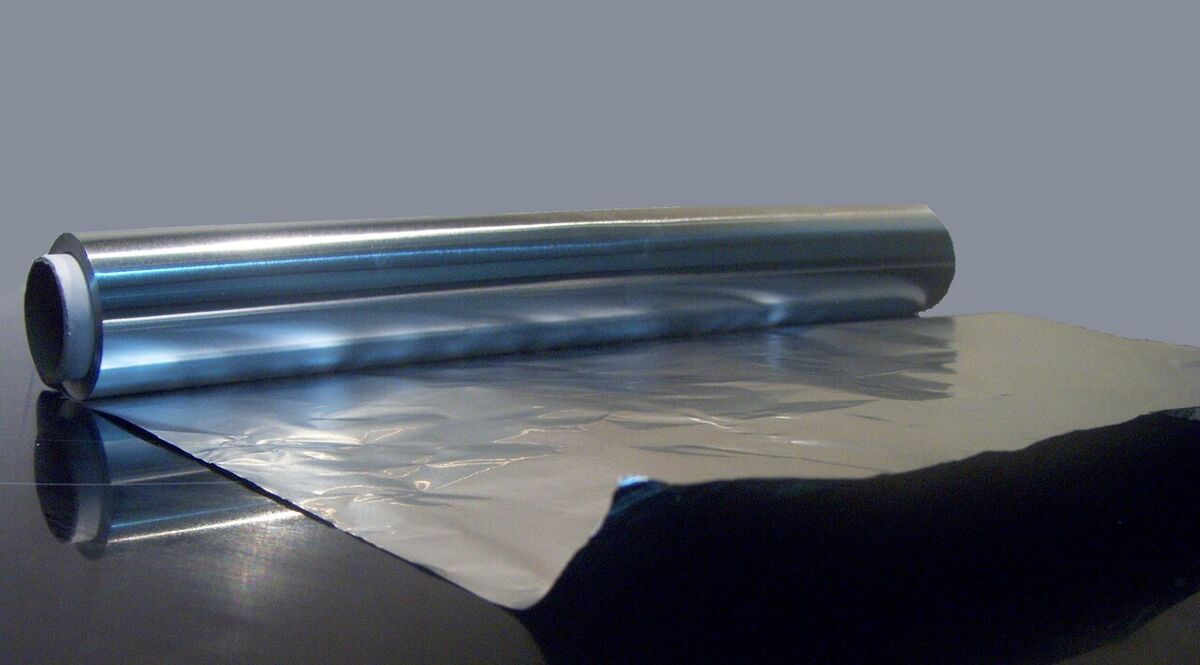
Dropping a ball of aluminum foil into the cutlery basket is not a dependable way to shine your silverware. The chemistry behind it is real, but it only undoes tarnish on actual silver, only where the silver touches the aluminum, and dishwasher manufacturers warn that silver and aluminum in the machine can turn black and stain other things. If you want foil to clean silver, do it in a hot baking soda bath instead.
Is the chemistry behind the foil trick real?
Yes: aluminum can turn tarnish on silver back into silver metal, but it is an electrochemical reaction, not foil "soaking up" dirt through the wash water. Silver tarnish is mostly silver sulfide. When silver touches aluminum in a solution, aluminum is oxidized and silver is reduced, and the University of Wisconsin chemistry department describes the result as an electrochemical cell that turns silver sulfide into silver and aluminum sulfide.
The key detail from the UC Davis demonstration: the silver and aluminum must be in contact, because a small electric current flows between them. Baking soda isn't strictly required, but without it the reaction takes longer.
Why doesn't it work well in a dishwasher?
A foil ball in a dishwasher fails the contact requirement and adds risks the viral videos skip.
- Hardly anything touches it. A tight ball of foil sits against a few pieces at most. Spoons and forks elsewhere in the basket get no benefit.
- Stainless steel isn't the target. The reaction reverses silver sulfide. Everyday stainless flatware doesn't tarnish that way, so there's nothing for the foil to undo.
- Manufacturers advise against it. AEG's support pages say not to wash silver or aluminum items in the dishwasher because both can turn black and leave dark residue on other items and the racks. Hoover warns that when silver and stainless steel touch during a cycle, the detergent can leave a black mark where they met, and recommends putting silver on one side of the basket and stainless on the other.
| Foil ball in the dishwasher | Foil and baking soda bath | |
|---|---|---|
| Silver touches aluminum | Only a few pieces, briefly | Every piece, the whole time |
| Works on stainless steel | No | No (not needed) |
| Risk of dark marks on dishes and racks | Yes, per manufacturer guidance | No, it's outside the machine |
| Control over the result | None | You can watch and pull pieces out |
What's the right way to remove tarnish with foil?
Do it in a container where every piece sits on the foil, following the same setup as the university demonstrations:
- Line the bottom of a heatproof dish or pan with aluminum foil.
- Lay the tarnished silver on the foil so each piece touches it.
- Sprinkle in baking soda (the UC Davis demo also uses table salt).
- Pour in hot water to cover the silver. Be careful pouring; the demos call out scalding risk.
- Wait until the tarnish fades, then lift the pieces out, rinse, and dry them.
Expect a rotten-egg smell. The UC Davis page notes that baking soda reacts with the hydrogen sulfide given off. Unlike abrasive polish, this method converts the tarnish back to silver rather than rubbing metal away.
Which silverware should skip this method?
Skip it on pieces where the dark finish is intentional. Some ornate silver has deliberately darkened recesses to show off the pattern, and the reaction can't tell decorative tarnish from the unwanted kind.
Thinly plated silver also deserves care in the dishwasher in general: AEG notes that some silver items have only a thin silver coating and aren't recommended for machine washing. When in doubt, hand-wash silver and keep it separated from stainless steel.