The Zero-Scrub Trick for Cleaning a Cast Iron Skillet
- Lifestyle
- Exienent
- · Updated
The easiest way to clean a cast iron skillet is with coarse salt and a little oil, not dish soap. Rubbing salt around the warm pan with a paper towel scrapes off burnt-on food and grease while leaving the protective seasoning intact — no water, no soap, and no fancy scrubbers.
Why Shouldn't You Use Soap on Cast Iron?
Soap can strip the seasoning that makes cast iron work. A good cast iron pan takes months, sometimes years, to build up that perfect, non-stick black "seasoning" layer. If you take a soapy sponge and aggressively scrub away at it after making dinner, you strip away all that hard work, leaving the pan vulnerable to rust and causing your next meal to stick like glue.
But what are you supposed to do when you just cooked a beautiful steak or fried up some bacon, and the pan is coated in a thick, sticky layer of burnt-on grease and crusty food bits? Boiling water in it or using special plastic scrapers can still leave a greasy mess, which is enough to make anyone avoid cooking with cast iron. The classic, old-school restaurant answer is salt.
Why Does the Salt Hack Work?
The salt hack works through mechanical abrasion without chemical stripping.
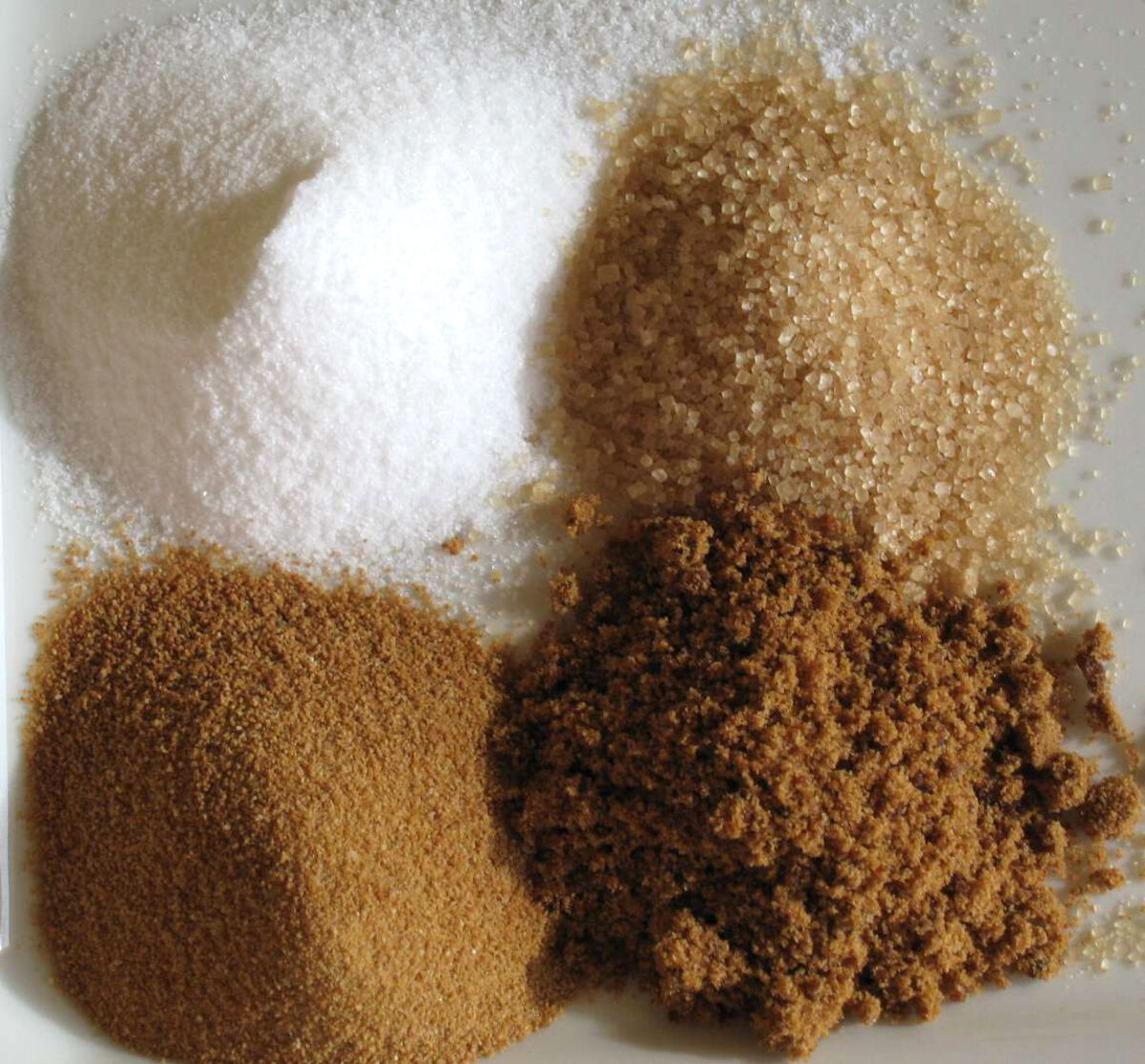
Coarse salt acts as a natural, highly effective abrasive. It is tough enough to physically scrape away burnt-on carbon and food particles, but unlike a harsh wire brush or chemical soaps, it is gentle enough that it won't scratch or eat into the polymerized oil layer (the seasoning) that protects the pan.
When you combine that salt with a little bit of oil and some friction, it creates a gritty, degreasing paste that lifts away the mess with little effort.
How Do You Clean a Cast Iron Skillet in 60 Seconds?
You can clean a cast iron pan this way after every use, without ever touching the dish soap.
1. Let the Pan Cool Down (A Little)
You don't want to do this while the pan is smoking hot right off the stove, or you'll burn yourself. Let it sit until it is warm to the touch, but not completely cold. The residual heat actually helps keep the grease softened.
2. Dump in Coarse Salt
Wipe out any excess, loose grease with a paper towel first. Then, pour a generous handful of coarse salt (like kosher salt or coarse sea salt) directly into the center of the dirty pan. Don't use fine table salt; it doesn't have the necessary grit.
3. Add a Splash of Oil
If your pan is relatively dry, add just a tiny splash of neutral cooking oil (like vegetable or canola oil) over the salt. If the pan still has plenty of cooking grease in it, you can skip this step.
4. Scrub with a Paper Towel
Take a wadded-up paper towel (or a dedicated, dry kitchen rag) and aggressively rub the salt around the entire pan. Focus on the areas with the worst crust. You will see the white salt quickly turn brown as it absorbs the leftover grease and scrapes the burnt food away from the iron.
5. Toss the Salt and Wipe Clean
Once the crust is lifted, simply dump the dirty salt into the trash can. Take a fresh, clean paper towel and give the pan one final, firm wipe down.
What Does the Pan Look Like Afterward?
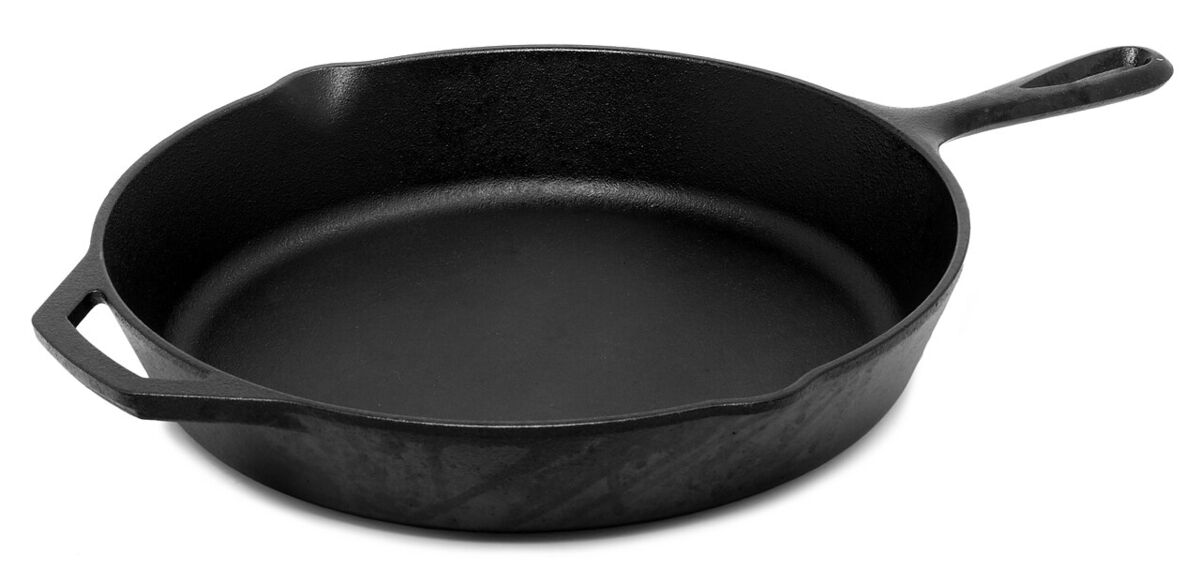
The pan should be clean, smooth, and coated with a very light, fresh layer of oil that protects it for the next time you cook. With no water and no soap involved, there is little chance of rust. It is a ridiculously simple hack that can make you want to use your cast iron skillet every day!