The Magic Rust Remover: Clean Cast Iron with a Potato
- Lifestyle
- 29 Sep, 2026
I used to be terrified of cast iron pans. Everyone tells you how great they are, but the rules are so intimidating! Don't use soap, don't soak them, make sure they are perfectly dry... it felt like a full-time job.
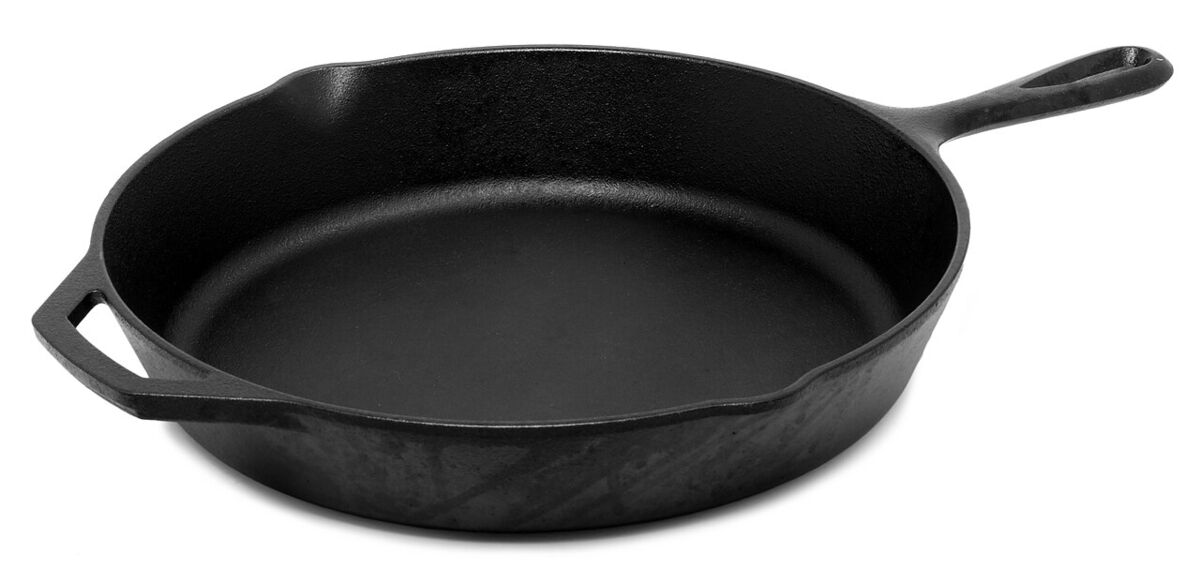
A few months ago, I accidentally left a bit of water in my favorite cast iron skillet overnight. The next morning, I woke up to a disaster: the entire bottom of the pan was covered in a bright orange layer of rust. My heart sank. I thought I had ruined it forever.
I searched online for solutions and found a lot of complicated advice about using harsh chemicals or industrial sandpaper. But then, tucked away in an old forum, I found a trick that sounded absolutely ridiculous. It involved a potato and some baking soda. Desperate, I gave it a try. To my absolute shock, it worked like absolute magic!
Why Does a Potato Remove Rust?
It turns out, there is actual science behind this bizarre trick. Potatoes naturally contain oxalic acid. This is the exact same active ingredient found in many commercial rust removers! The acid reacts with the iron oxide (the rust), breaking down the chemical bonds and making it incredibly easy to scrub away.
When you pair the natural acidity of the potato with the mild abrasive power of baking soda, you get a powerful, all-natural cleaning team that won't scratch up your precious pan.
My Step-by-Step Potato Rust Removal Method
Here is exactly how I saved my pan using stuff I already had in my kitchen.
1. Prep the Potato
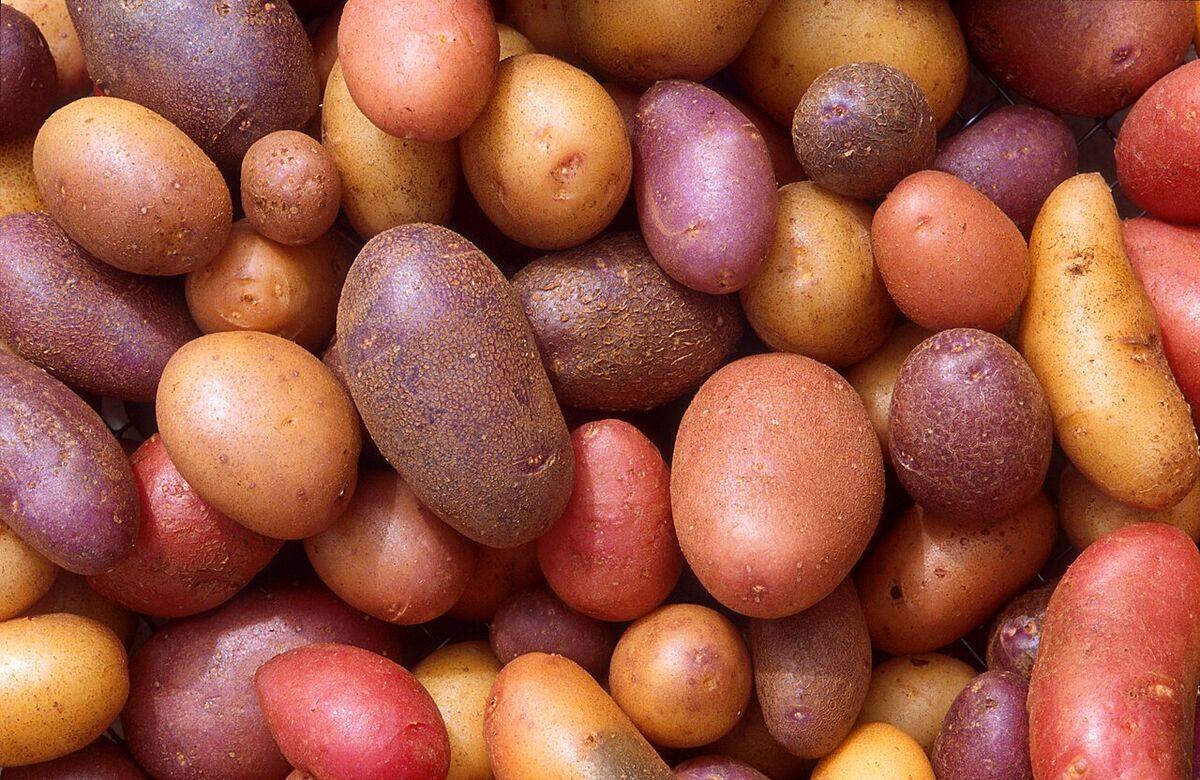
Grab a standard baking potato (russet potatoes work great, but any starchy kind will do). Cut the potato completely in half. You want a nice, large, flat surface area to work with.
2. Coat in Baking Soda
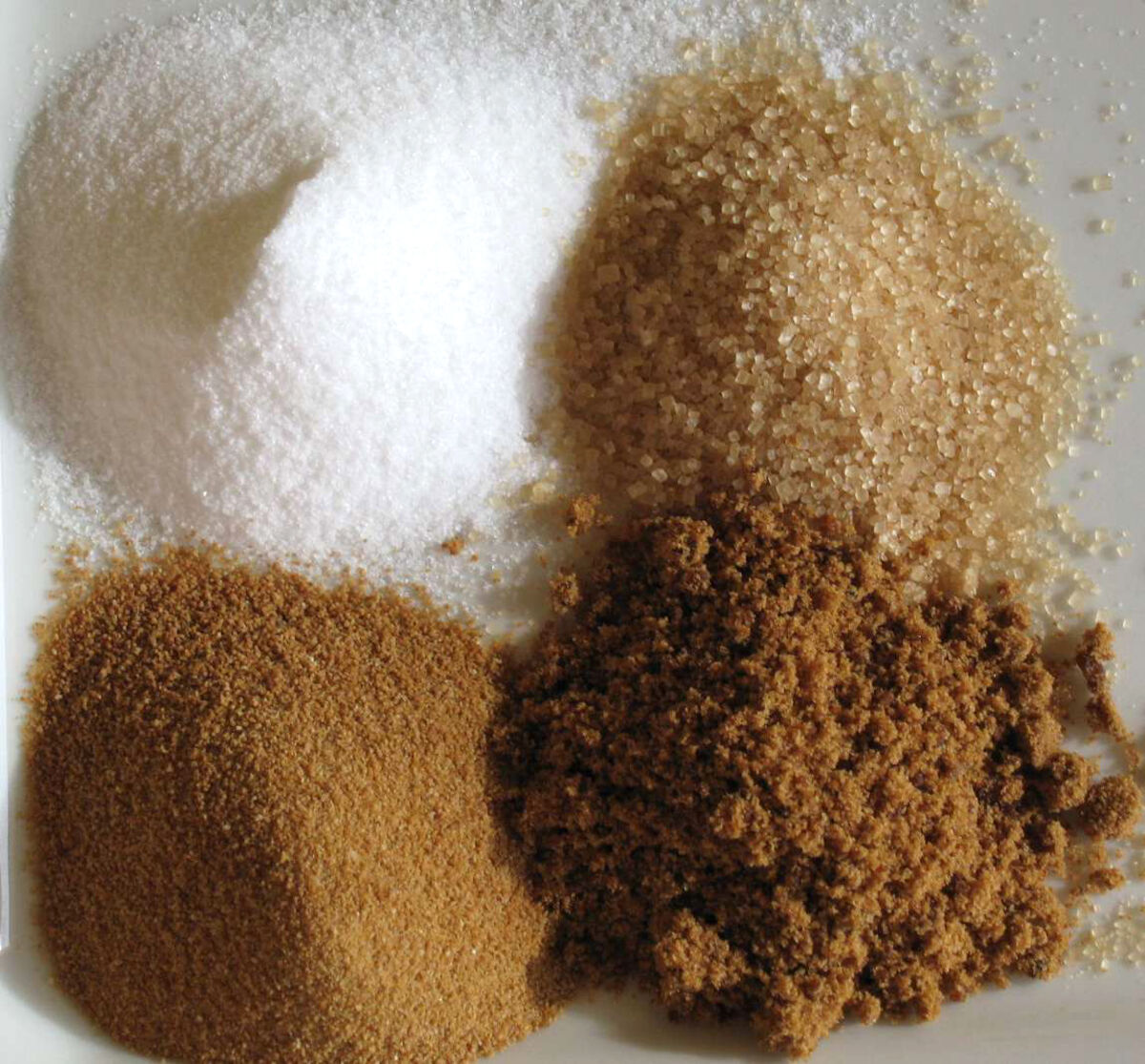
Take your baking soda and pour a generous layer right over the rusty spot in your pan. You can also dip the cut, wet face of the potato directly into a small bowl of baking soda so it is completely coated.
3. Start Scrubbing
Now, take the flat, cut side of your potato and press it firmly against the rusty area of the pan. Start scrubbing vigorously in small, circular motions. You don't need superhuman strength, but use a decent amount of pressure.
Almost immediately, you will notice the bright white baking soda turning a gross, murky brown color. That is the rust lifting straight off the metal!
4. Slice and Repeat (If Necessary)
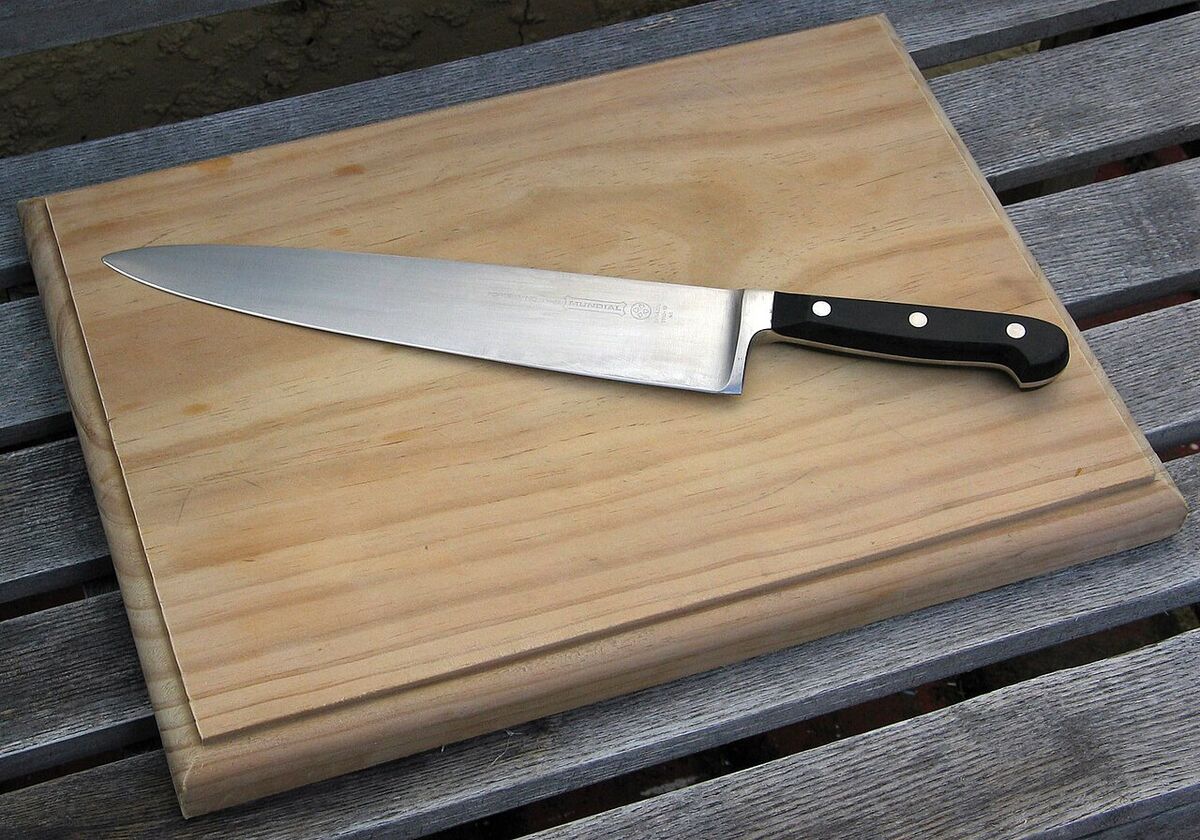
As you scrub, the flat surface of the potato will start to get mushy and saturated with rust. When it stops feeling effective, simply take your knife and slice off the dirty end, revealing a fresh, clean, starchy surface. Dip it back in the baking soda and keep going.
For my pan, I only had to slice the potato twice before the rust was completely gone.
5. Rinse and Re-season
Once the rust is gone, rinse the pan thoroughly with water to wash away the murky paste. Immediately dry it completely with a towel (remember, moisture is the enemy!). Finally, you will need to rub a light layer of cooking oil over the pan and heat it on the stove for a few minutes to re-season the bare metal.
Final Thoughts
I was genuinely amazed at how quickly and effortlessly this worked. No toxic fumes, no expensive cleaners, and no ruined pans. The next time you spot some rust on a skillet, a baking sheet, or even a pair of kitchen shears, don't panic. Just reach for a potato! It is hands-down one of the best kitchen tricks I have ever learned.