The Reality of 3D Printed Houses in 2026: Affordable Housing or Just a Gimmick?
- Technology, Lifestyle
- Exienent
- · Updated
3D printed houses are no longer a gimmick in 2026: printers can build a home's concrete foundation and walls in days, at a fraction of the cost of traditional framing, producing strong shells that resist fire, termites and extreme weather. They are not a complete fix for the affordable housing crisis, though, because land, roofing, plumbing, interiors and permitting still account for most of the cost and delay.
A few years ago, the idea of a "3D printed house" sounded like a cool university science project, not something you would actually want to live in. The early prototypes looked like melted igloos made of gray sludge. Fast-forward to 2026, and the narrative has completely changed. With the global affordable housing crisis reaching a boiling point, massive construction printers are rolling into suburban neighborhoods and printing entire communities. If you've been wondering whether this technology is just a flash in the pan or the future of real estate, here is the honest reality of 3D printed homes today.
How Do You Print a House?
A 3D printer builds a house's foundation and walls—not the entire house, with plumbing, wiring, and windows included, in one go. That distinction clears up the most common misconception about 3D printed houses.
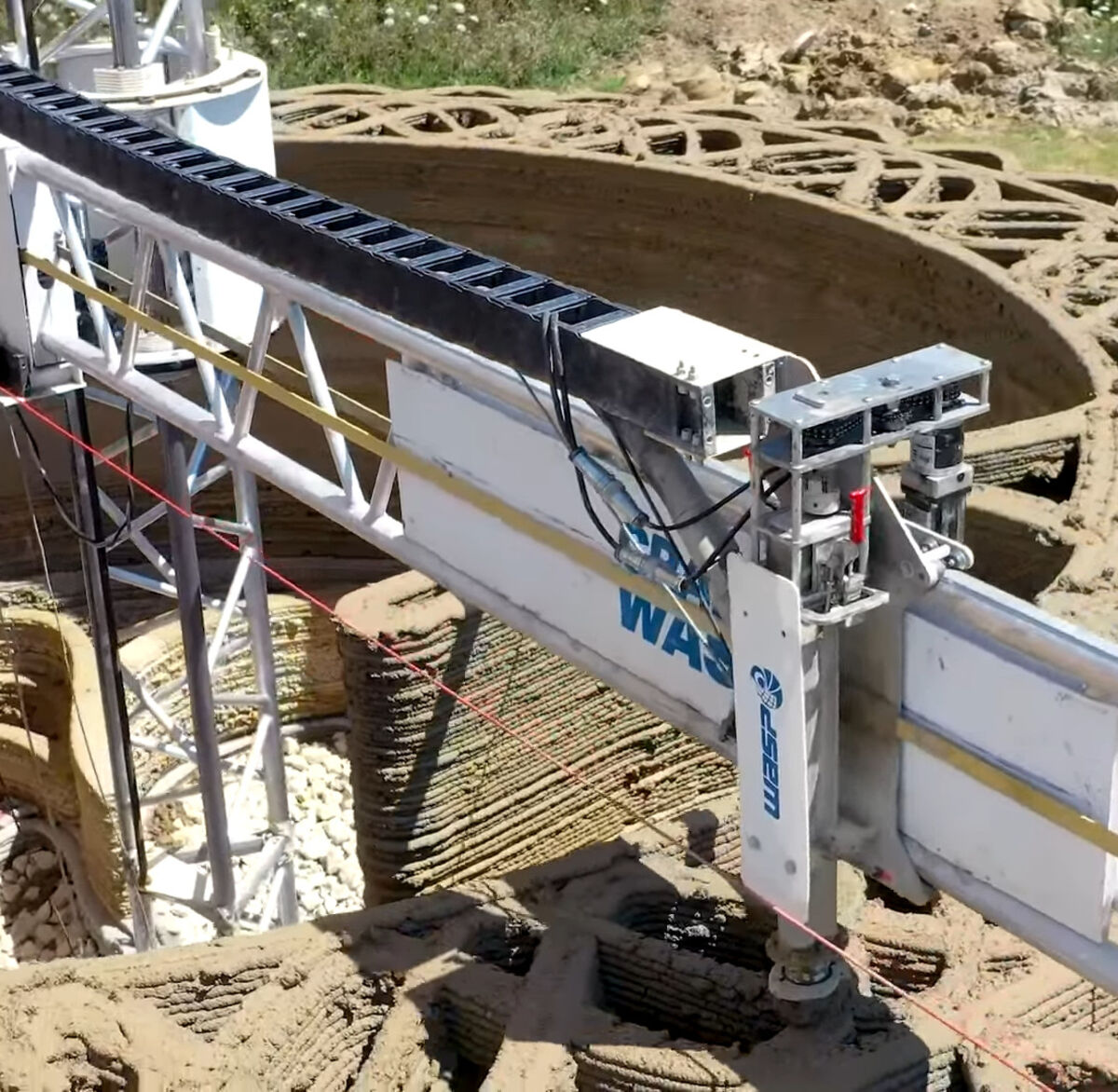
The 3D printer (which looks like a massive, automated gantry crane) is primarily responsible for printing the foundation and the walls. It extrudes a specialized concrete mixture layer by layer, following a digital blueprint with millimeter precision. This process creates the shell of the home incredibly fast—often in less than 48 hours of print time. Once the walls are up, human construction crews still need to come in to install the roof, the electrical wiring, the plumbing, and the interior finishes.
What Are the Benefits of 3D Printed Homes?
The main benefits of 3D printed homes are speed, lower cost, durability and design freedom—and they can look surprisingly good. The layered concrete walls have a distinct, ribbed texture that can look modern and architectural, similar to high-end exposed concrete designs. But the benefits go far beyond looks.
- Extreme Speed and Efficiency: Traditional framing for a house can take weeks and requires a massive crew. A 3D printer can lay down the entire structural envelope of a 2,000-square-foot home in a matter of days, working around the clock with only a handful of operators monitoring the machine.
- Drastically Lower Costs: Because the process requires significantly less manual labor and produces almost zero material waste (the printer only extrudes exactly what is needed), the cost of the structural shell is a fraction of traditional timber framing. This is the main reason why affordable housing nonprofits are heavily investing in this technology.
- Incredible Durability: These aren't flimsy structures. The proprietary concrete mixtures used in 2026 are incredibly strong. These homes are highly resistant to fire, termites, and even extreme weather events like hurricanes and tornadoes, making them much safer than traditional wood-framed houses in disaster-prone areas.
- Design Freedom: Because a printer doesn't care if a line is straight or curved, architects can design beautiful, sweeping, organic shapes without adding to the construction cost. Curved walls and unique floor plans are suddenly incredibly affordable to execute.
What Are the Limitations of 3D Printed Houses?
3D printed houses still face regulatory hurdles, leave most of a home's costs untouched, and can feel cold to some buyers.
- Zoning and Regulation Nightmares: The biggest hurdle for 3D printed homes right now isn't the technology; it's the bureaucracy. Many local building codes and zoning laws simply do not know how to classify or inspect a 3D printed structure, leading to massive delays in getting permits approved.
- It Doesn't Solve the Whole Problem: The printer only builds the foundation and walls. You still have to pay for the land, the roof, the plumbing, and the interior, which make up the vast majority of a home's cost. A 3D printed house is cheaper, but it isn't "free."
- The "Cozy" Factor: The exposed concrete has a modern look, but some people might find it cold or industrial. You can absolutely plaster or drywall over the printed walls, but that adds time and money back into the construction process.
Is This the Future of Housing?
Yes—3D printing is no longer a gimmick. It is a highly viable, scalable construction method that is actively pulling people out of the housing crisis in 2026. While it won't entirely replace traditional construction overnight, the sight of a giant robotic arm squeezing out concrete walls is going to become a very normal part of our suburban landscapes in the years to come. If I were building a new home today, a 3D printed foundation would absolutely be at the top of my list.