Everyday AI: How Artificial Intelligence Silently Took Over the 2026 Workflow
- Technology
- Exienent
- · Updated
Everyday AI is what artificial intelligence looks like once the hype fades: instead of a flashy chatbot you have to visit, it runs quietly inside the tools you already use. In 2026, the shift from "How do we use AI?" to "AI is just how things work" shows up in spreadsheets, email, operating-system search, and smart homes.
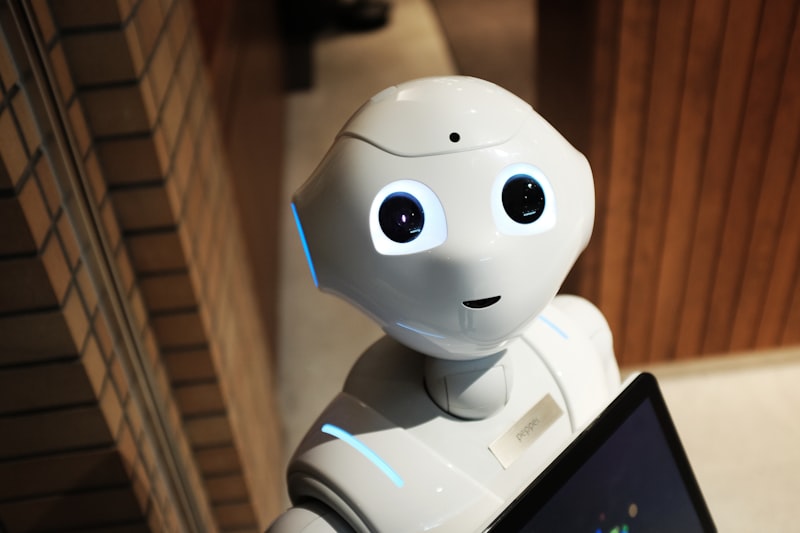
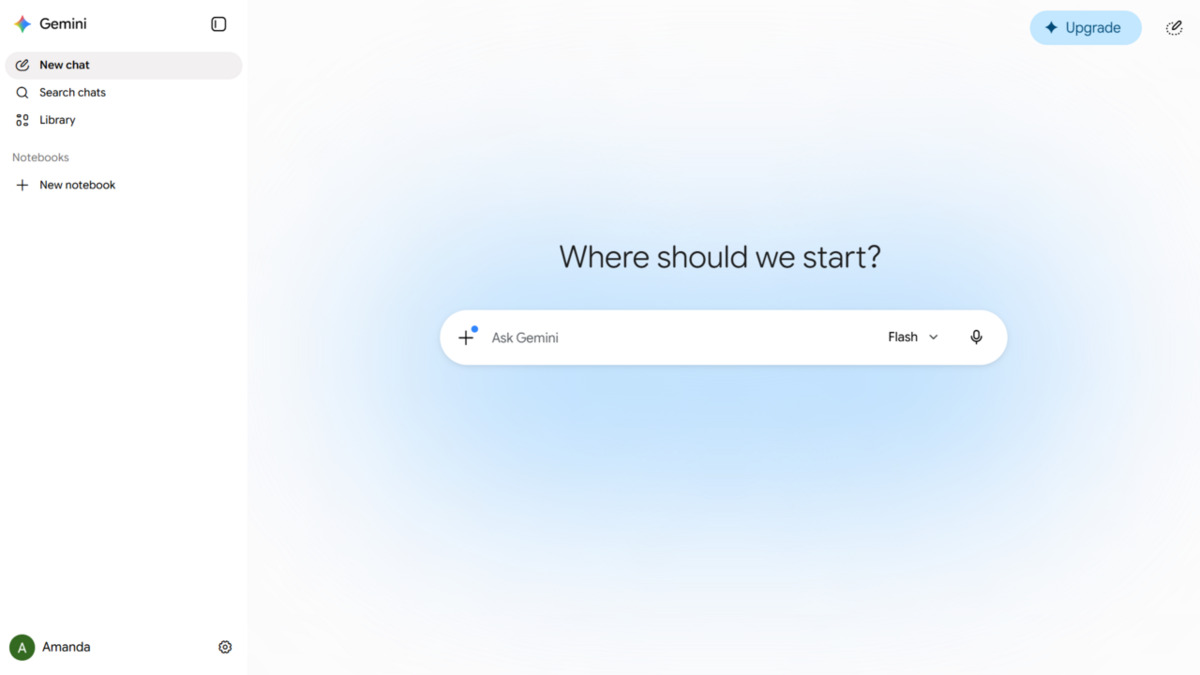
Remember back in 2023 and 2024 when every single app update, hardware launch, and tech keynote was aggressively screaming about "Artificial Intelligence"? It felt like you couldn't open a basic text editor without a giant, glowing chatbot popping up and demanding to write a poem for you. It was loud, chaotic, and honestly, a bit exhausting.
Halfway through 2026, something fascinating has happened. The hype cycle has collapsed, not because the technology failed, but because it finally grew up. We've officially entered the era of Everyday AI.
What Does "Everyday AI" Actually Mean?
Everyday AI means AI that works as invisible plumbing rather than a destination. It quietly runs in the background of almost every digital tool, fixing mistakes, organizing chaos, and anticipating needs without ever asking for a round of applause. You don't open a separate "AI app"; you go about your normal business, and the help happens silently.
How Does Invisible AI Organization Work in Practice?
Invisible AI organization means you describe what you want inside your normal software and it simply happens. Picture a massive, unorganized spreadsheet full of expenses, random notes, and half-baked project ideas. A couple of years ago, sorting it meant writing complex formulas or trying to prompt an external AI to sort it out.
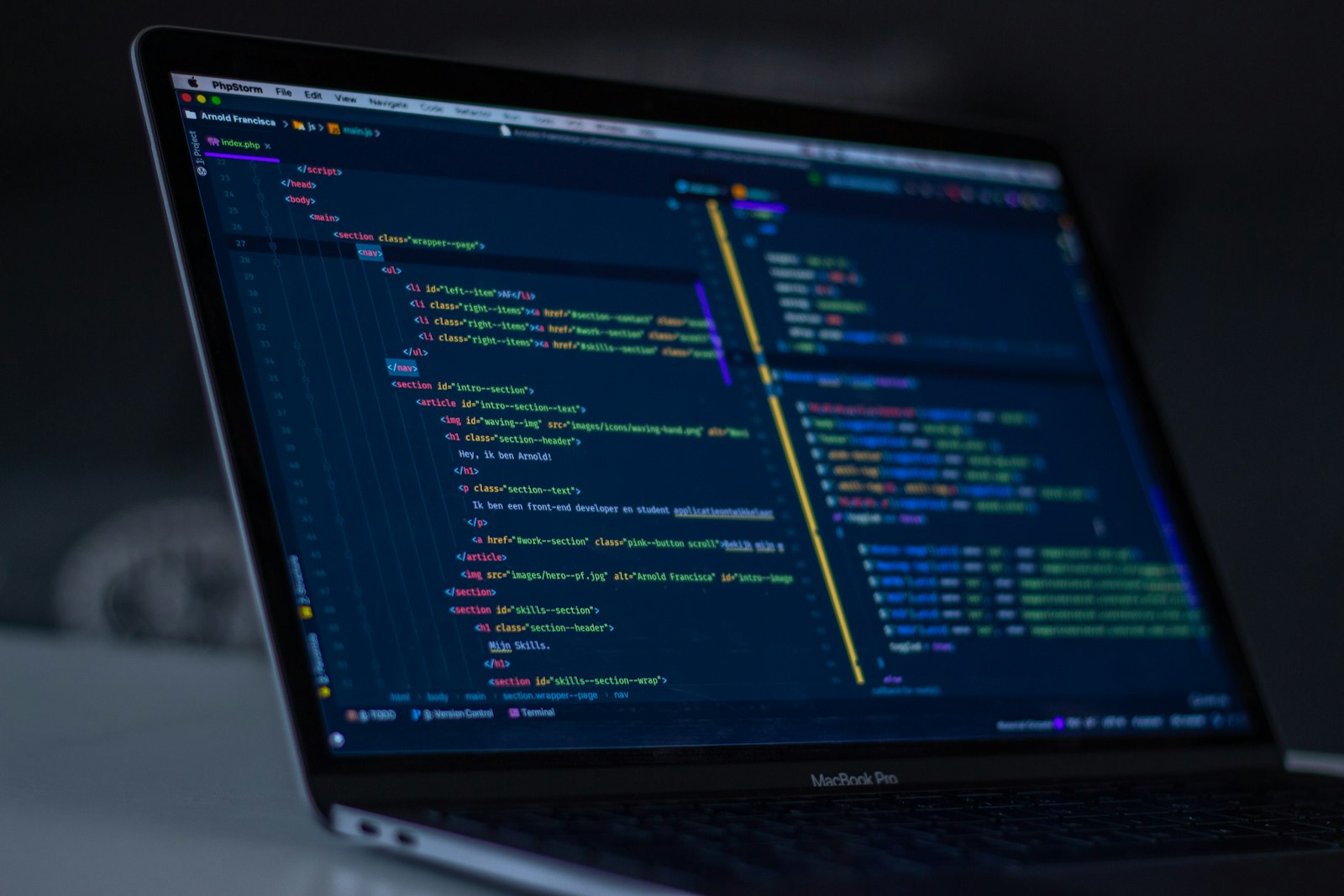
Now you can highlight a column of messy data in standard spreadsheet software and casually type, "Sort these by vendor category and flag anything over $500." The software doesn't open a chat window or proudly announce it is "Thinking..." It can instantly reorganize the data, create a clean pivot table, and highlight the anomalies. The integrated AI capabilities inside standard office software have gotten so good that they feel like a natural extension of the keyboard.
This invisible assistance isn't limited to spreadsheets. It is increasingly baked into the operating systems of laptops and phones.
Where Does Everyday AI Show Up in 2026?
Everyday AI shows up wherever software can read context and act on it without being asked. If you look closely at how we work and live right now, the shift from "How do we use AI?" to "AI is just how things work" is everywhere:
- Context-Aware Communication: Email clients no longer just offer generic auto-replies. They can read the thread, recognize that you are negotiating a contract, and subtly suggest rephrasing a harsh sentence to sound more diplomatic before you hit send. It's like having an emotionally intelligent editor constantly looking over your shoulder.
- Operating System Level Search: Searching for files is no longer an exercise in remembering exact file names. You can type something like, "Find that PDF about the solar panels that Steve sent me last month when I was in Chicago," and a semantic search engine built right into the OS can pull it up by understanding the context, location, and relationships between your data.
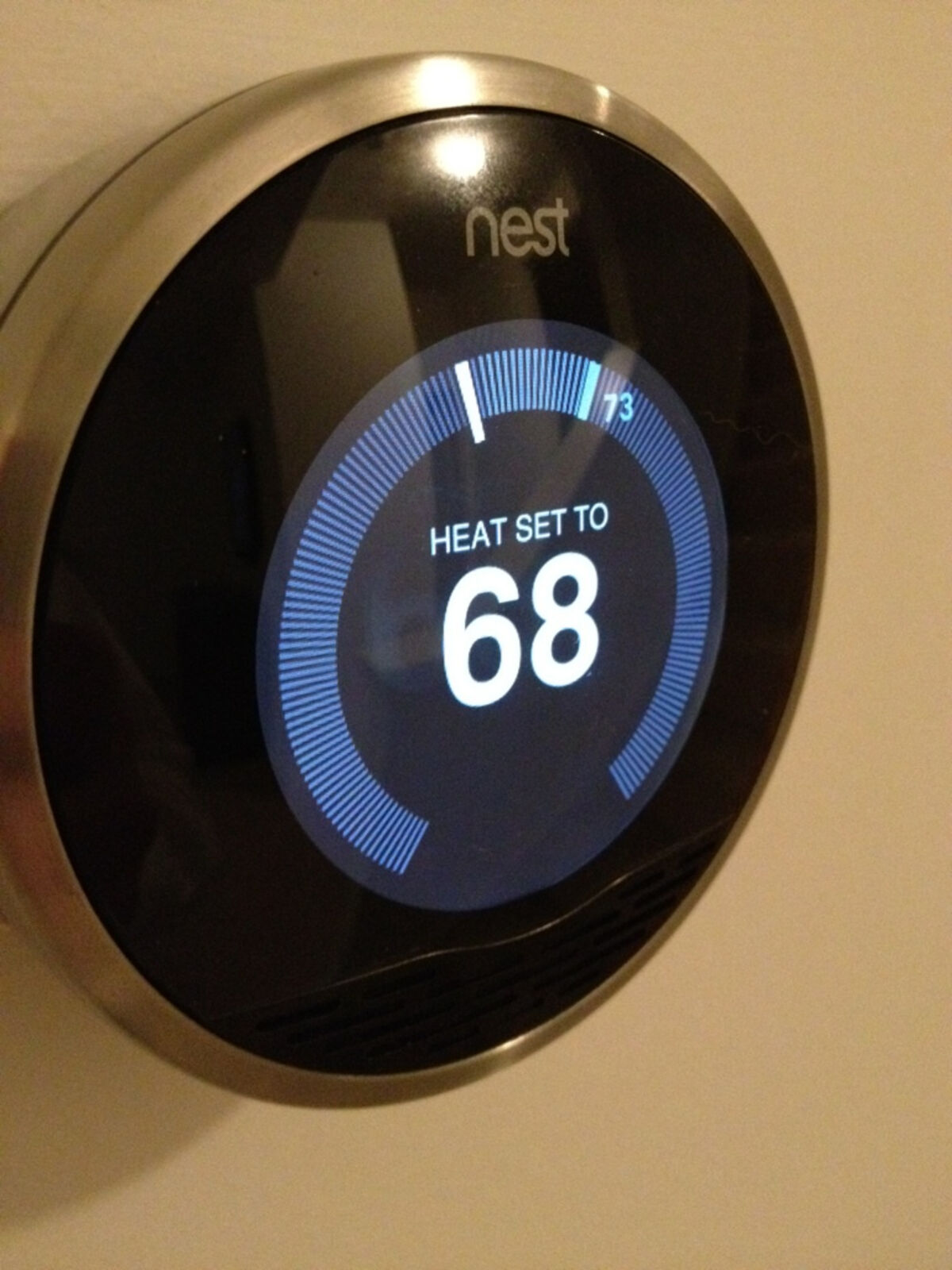
- Proactive Smart Home Orchestration: Smart home setups used to require endless tweaking of "If This Then That" rules. Now, background AI can learn your habits instead. If you come home late every Tuesday and immediately turn on the kitchen lights and the kettle, the system can notice the pattern and start doing it for you, with the kettle already boiling and the lights set the way you like them, without you programming a single rule.
Why Is the "Silent" Era of AI the Most Powerful?
The silent era is the most powerful because we have stopped talking about the AI itself and gone back to focusing on the actual work. That, in my view, is the best part of where technology stands today.
When you use a washing machine, you don't marvel at the complex electric motor inside; you just appreciate having clean clothes. We are finally at that point with artificial intelligence. The best AI-driven applications in 2026 are the ones that you don't even realize are using AI. They just feel like incredibly well-designed, intuitive software that makes your life drastically easier.
The days of the loud, intrusive AI chatbot are fading. The real revolution is happening quietly in the background, saving us seconds and minutes a hundred times a day. And honestly? I wouldn't have it any other way.