The Reality of the Caffeine Crash and How to Reset Your Tolerance in 2026
- Health
- Exienent
- · Updated
If you drink several cups of coffee a day and still feel wiped out by mid-afternoon, you may have built up a caffeine tolerance, and the slump you feel is the caffeine crash. A gradual step-down — cutting coffee in half, swapping to tea, then moving to decaf — is a gentler way to reset than quitting cold turkey, which can bring harsh withdrawal symptoms.
The pattern is easy to fall into: four large cups of dark roast a day, yet by 2:00 PM you can't focus, your eyelids feel like lead, and you reach for a fifth cup just to feel "normal." At that point coffee is no longer giving you a boost; it is only holding off the next crash.
If you rely on coffee, energy drinks, or pre-workout powders to get through your workday, it helps to understand what is happening in your brain and how to reset your system safely in 2026.
Why Does the Caffeine Crash Happen?
The crash happens because caffeine doesn't actually "give" you energy. Instead, it blocks a neurotransmitter in your brain called adenosine.
Adenosine is the chemical that builds up throughout the day and tells your brain, "Hey, we are getting tired, it's time to sleep." Caffeine sneaks in and plugs up the adenosine receptors. You feel awake, but your brain is still producing adenosine in the background.
When the caffeine finally wears off, all that built-up adenosine floods your receptors at once. That is the caffeine crash. It can hit hard, leaving you more exhausted than if you hadn't had the coffee in the first place.
What Is Caffeine Tolerance?
Caffeine tolerance is your brain's response to constant receptor blocking: with heavy caffeine use, it simply creates more adenosine receptors.
That is why one cup of coffee might once have made you jittery, but now you need three just to wake up. You end up trapped in a cycle of consuming more stimulants just to reach a baseline level of function.
How Can You Reset Caffeine Tolerance Without Suffering?
A gradual taper can be easier to manage, because going "cold turkey" from around 400mg of caffeine a day (about four cups of coffee) can lead to brutal withdrawal symptoms: splitting headaches, irritability, and severe brain fog. That is hard to manage if you still have to go to work.
Here is one structured, step-down schedule spread over 14 days:
1. The 50% Cut (Days 1-4)
Don't stop drinking coffee; just halve your intake immediately. Instead of four cups, allow yourself two: one in the morning, and one before noon. The first couple of days may feel a little rough.
2. The Tea Transition (Days 5-8)
Next, swap your remaining two cups of coffee for black tea or matcha. Coffee has roughly 100mg of caffeine per cup, while a cup of black tea has about 45mg. This cuts your total intake in half again, while you still get the satisfaction of drinking a warm, caffeinated beverage.
3. Decaf and Hydration (Days 9-14)
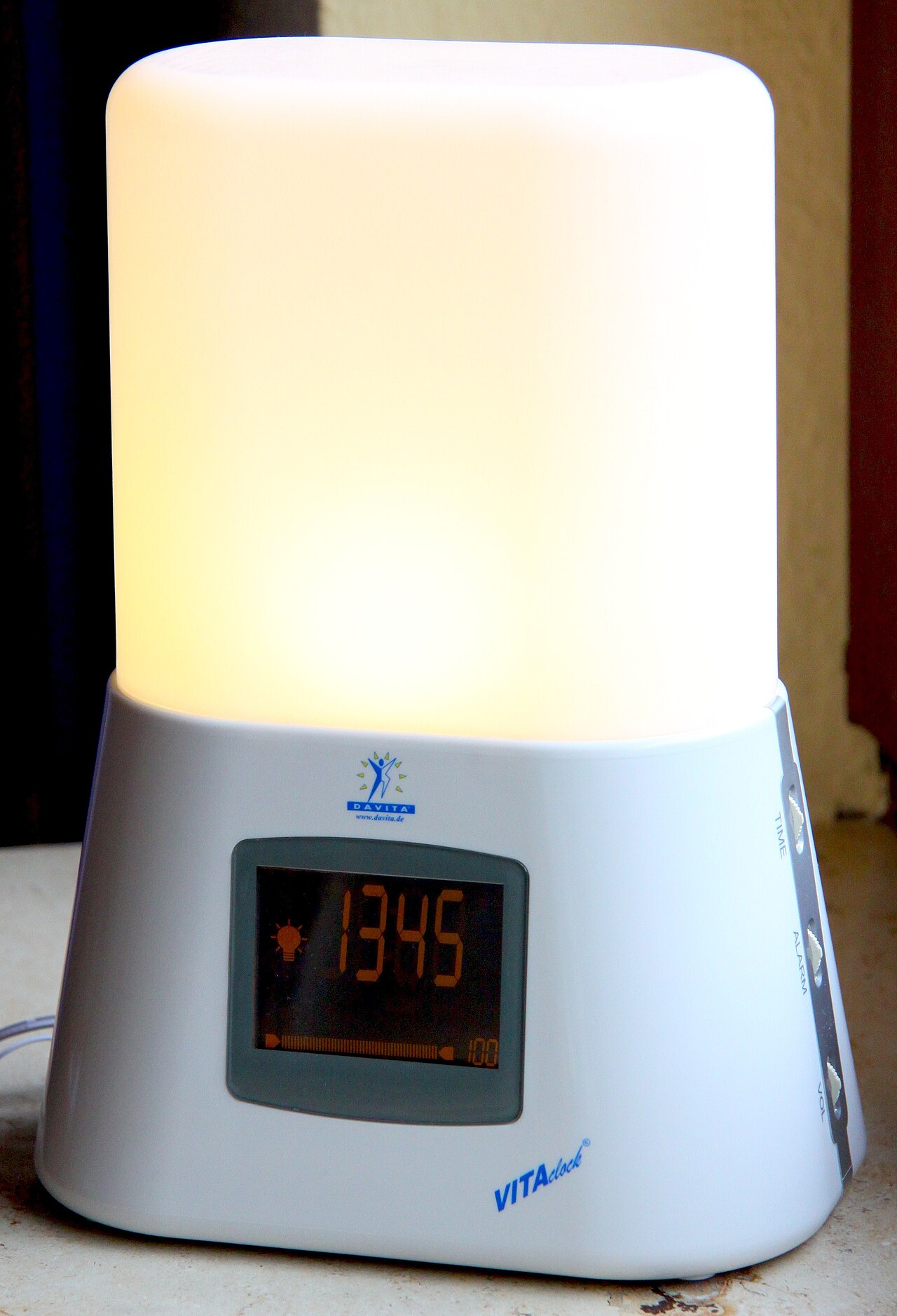
In the final stretch, switch entirely to decaf coffee (which still has a tiny, negligible amount of caffeine) and herbal teas. To make up for the missing stimulant, prioritize drinking cold water first thing in the morning and getting 15 minutes of direct sunlight to help wake up your circadian rhythm naturally.
What Happens After a Caffeine Reset?
After a reset, your natural energy levels may feel steadier, and the 2:00 PM crash may ease once your adenosine receptors have had time to normalize. Results vary from person to person.
You don't have to give up coffee for good. Bringing it back as a strategic tool rather than a daily crutch is one option — for example, limiting yourself to one high-quality cup a few days a week, before a heavy workout or a deep-work session.
If you are feeling chronically fatigued despite a large caffeine intake, a reset may be worth trying. Persistent fatigue can have many causes, though, so if it doesn't improve, talk to a doctor.