'Silent Walking': Is the Viral Self-Care Trend Actually Worth It?
- Health
- Exienent
- · Updated
Silent walking is simply walking without any digital input: no music, no podcasts, no phone calls. It sounds trivial, and the first few walks can feel surprisingly uncomfortable, but for people on the edge of digital burnout it may offer a low-cost way to decompress, notice their surroundings, and give the brain room to think.
What Is Silent Walking?
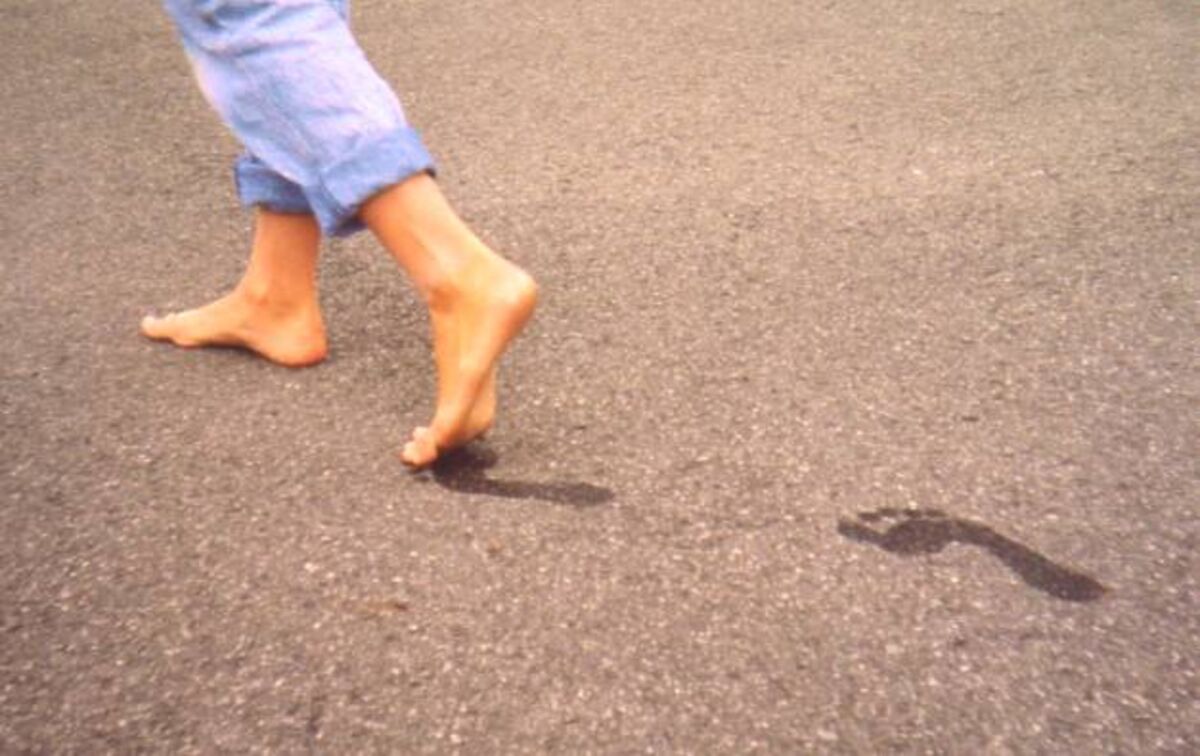
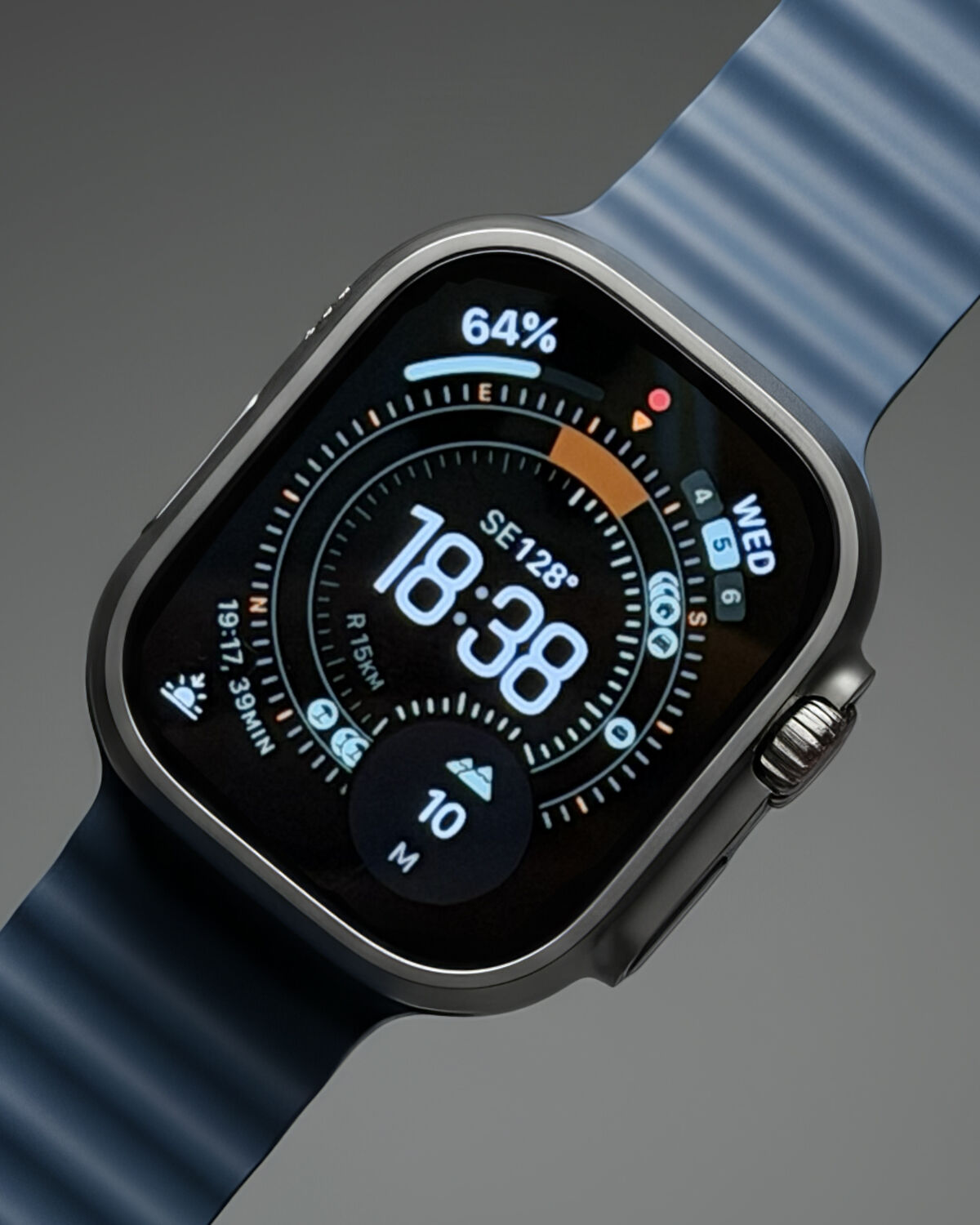
Silent walking is a wellness trend that has spread across social media feeds in 2026, and the rules are deceptively simple: you go for a walk, typically for about 30 minutes, and you bring absolutely zero digital distractions. No music. No podcasts. No Apple Watch tracking your pace. No calling a friend. It is just you, the pavement, and whatever happens to be passing through your own brain.
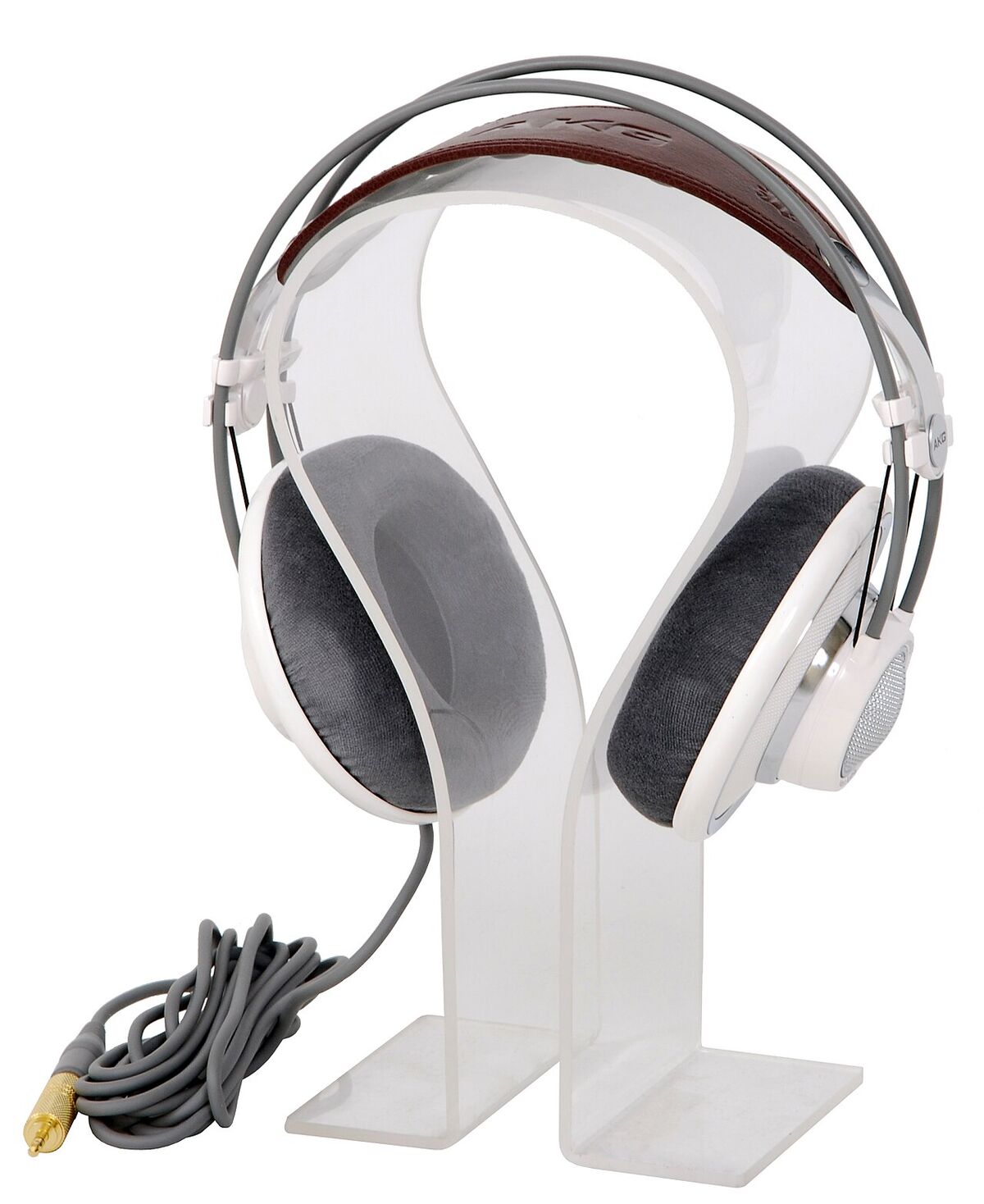
For anyone used to treating walks as time for true crime podcasts, audiobooks, or a curated Spotify playlist, that is a big change. When noise-canceling headphones are always in, walking becomes just a physical vehicle for more content consumption. Silent walking deliberately removes that layer.
Why Do the First Few Days Feel So Hard?
The early days of silent walking can be unpleasant because, without a podcast host holding your attention, the mind tends to fill the gap on its own.
Unanswered emails, awkward conversations from years ago, and a near-physical itch to reach into a pocket and check the phone can all surface at once. When we are used to numbing our own thoughts with external stimulation, silence can feel aggressively loud at first.
That discomfort can be revealing. A walk spent listening to someone else's voice may not have been clearing your head at all; it may have been filling it so you didn't have to listen to your own.
What Changes Once You Settle Into the Rhythm?
After some time, it can become easier to stop managing thoughts and simply let them happen, and that is where silent walking may start to pay off.
You may start noticing details in a familiar neighborhood that you had walked past a hundred times but never actually seen. Even a supposedly quiet suburb has a complex layering of sounds: the wind hitting different types of leaves, a dog barking a few streets over, the distinct hum of electric vehicles passing by.
The brain may also get a chance to process background information. We consume huge amounts of data all day long but rarely give our brains the empty space required to file that data away. Without constant input, solutions to problems that have been nagging you all week can surface unexpectedly—not because you are trying to solve them, but because your brain finally has the bandwidth to connect the dots.
What Are the Possible Benefits of Silent Walking?
Beyond mental clarity, silent walking may offer a few practical benefits, though experiences vary from person to person:
- Lower Stress: You may come back feeling genuinely decompressed rather than just stimulated by whatever you were listening to, with less tension in places like the jaw.
- Sharper Focus: Sitting down to deep work right after a silent walk can feel easier than after a walk spent hooked up to an audio feed.
- Better Posture: Without looking down to skip a song or check a notification, it is easier to walk with your head up and your shoulders back.
If you are dealing with persistent stress, anxiety, or burnout, silent walking is not a substitute for talking to a health professional.
Is Silent Walking Just a Fad?
It is somewhat hilarious that "going for a walk without a phone" has to be branded as a trendy wellness hack in 2026. This is just how humans interacted with the world for thousands of years.
However, in an attention economy designed to hijack every waking second of our lives, choosing silence is a pretty radical act of rebellion. If you are feeling overwhelmed, overstimulated, or chronically stressed, I think it is worth leaving your headphones on the counter tomorrow morning. The first few days might be uncomfortable, but the clarity you may find on the other side could make it worthwhile.