What Is 'Smartphone Pinky'? The Dent Your Phone May Leave on Your Finger
- Health, Technology, Lifestyle
- Exienent
- · Updated
'Smartphone Pinky' is the dent that can form on the finger you use to prop up the bottom of your phone. The dent itself is likely an indentation in the soft tissue rather than a bone deformity, and it may fade if you change your grip. The bigger concern is the strain that constant pressure can put on the joint, ligaments, and nerves.
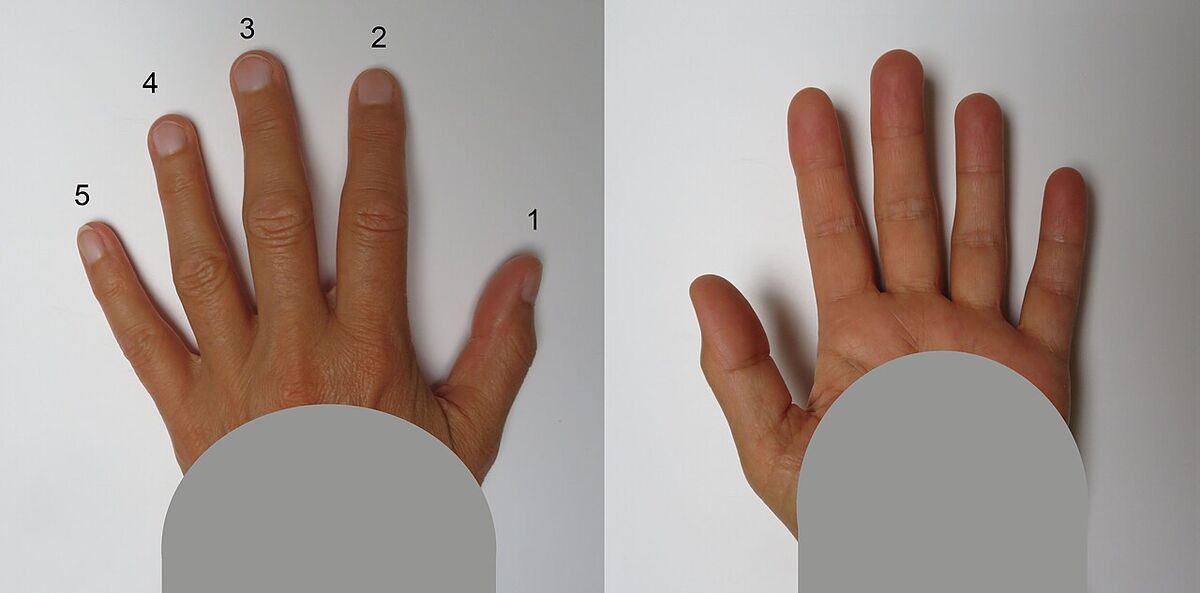
The topic spread through a weirdly specific social media trend: people posting close-up pictures of their right pinky fingers with a simple question: "Do you have a dent on your pinky from holding your phone?" It sounds like peak internet paranoia, but it is easy to check. Put your phone down, hold both hands out in front of you, and compare your left pinky to your right.
What Does Smartphone Pinky Look Like?
Smartphone Pinky shows up as an inward dent on the middle joint of the pinky, right where the heavy bottom edge of a smartphone rests. The joint may also look slightly wider or calloused compared with the pinky on the other hand.
What Causes Smartphone Pinky?
We've all heard of 'Text Neck' (the neck pain from looking down at screens) and 'Smartphone Thumb' (repetitive strain injury in the thumb joints). But Smartphone Pinky is arguably the most visually obvious physical change our devices can cause.
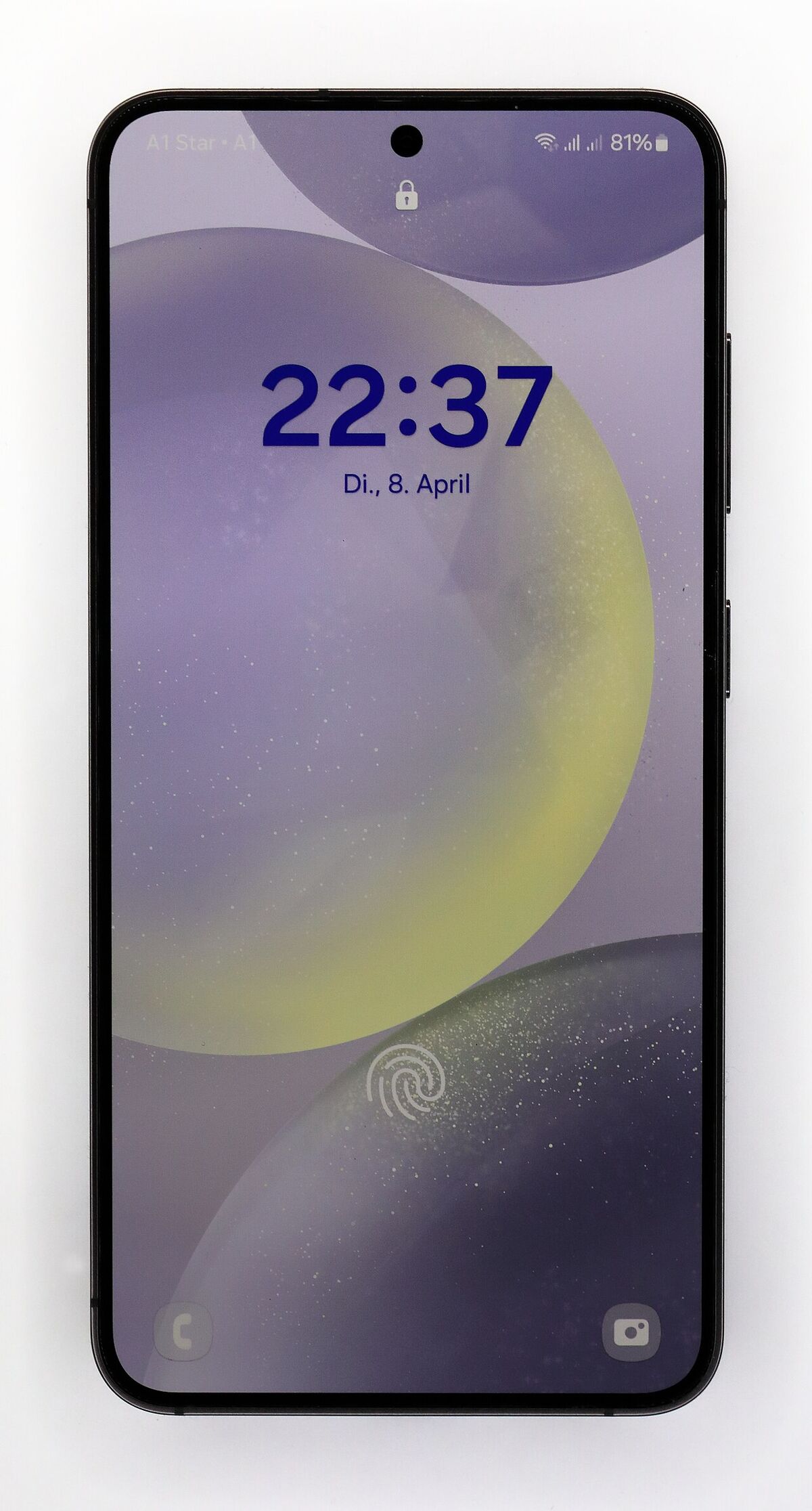
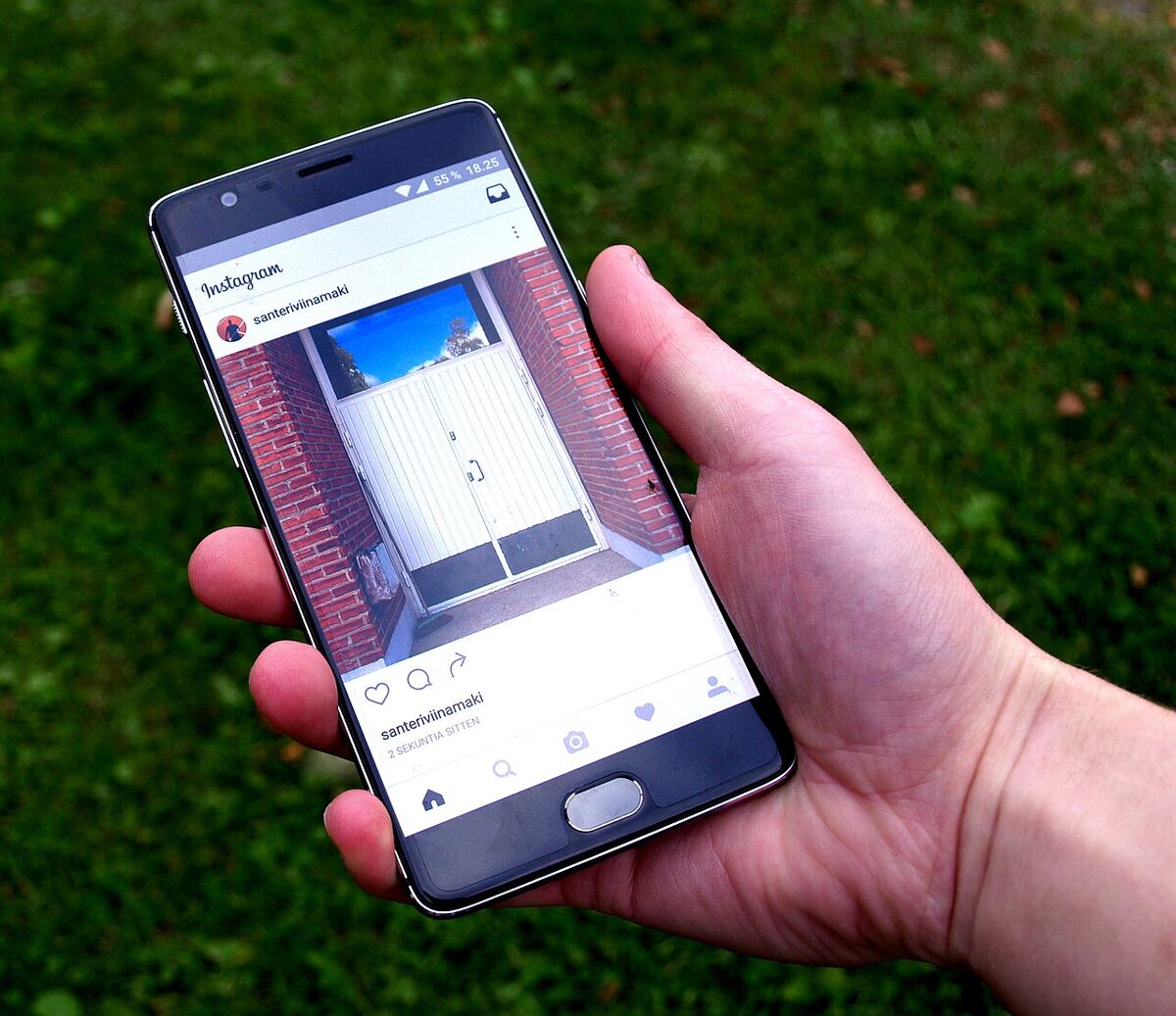
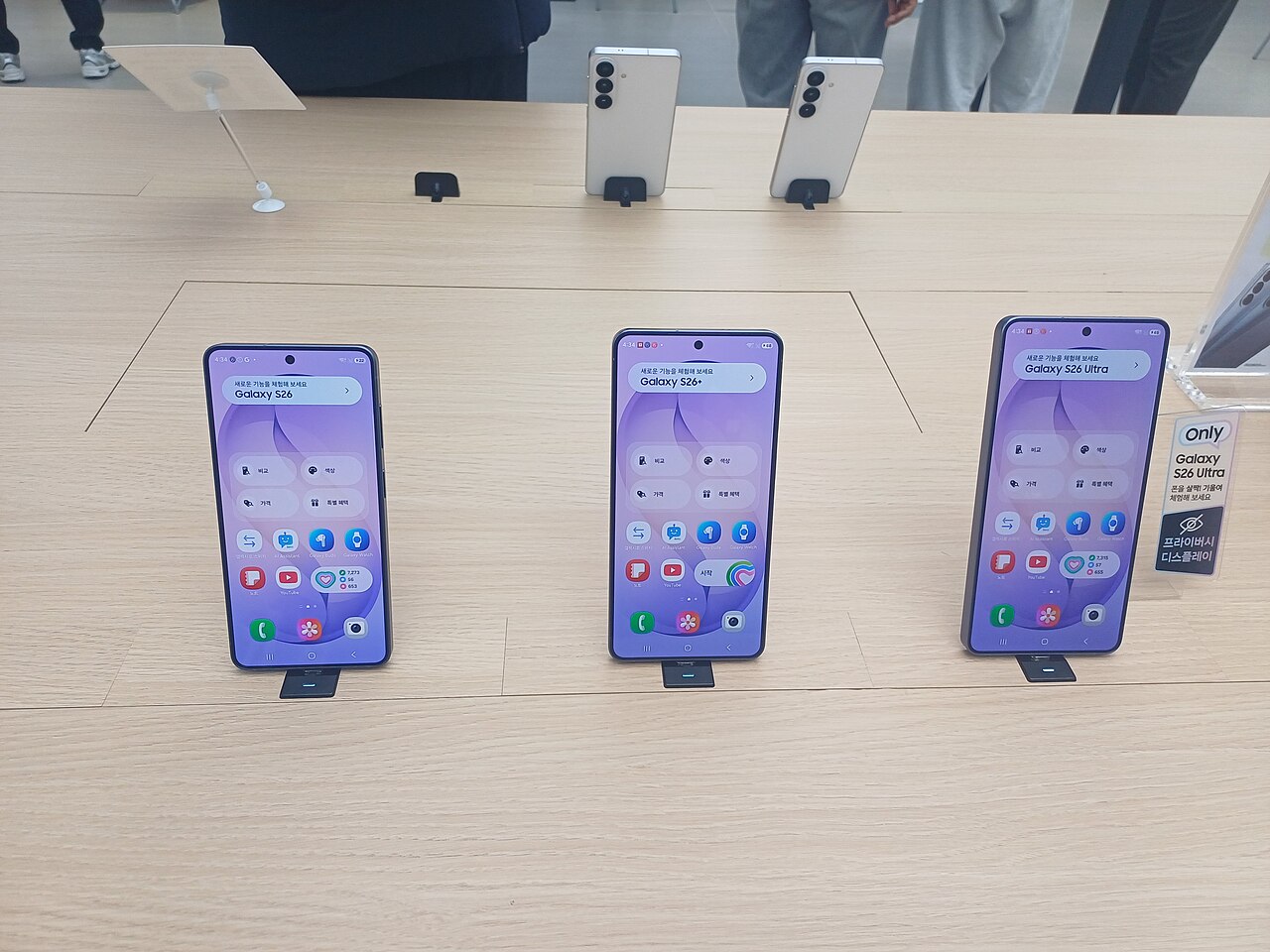
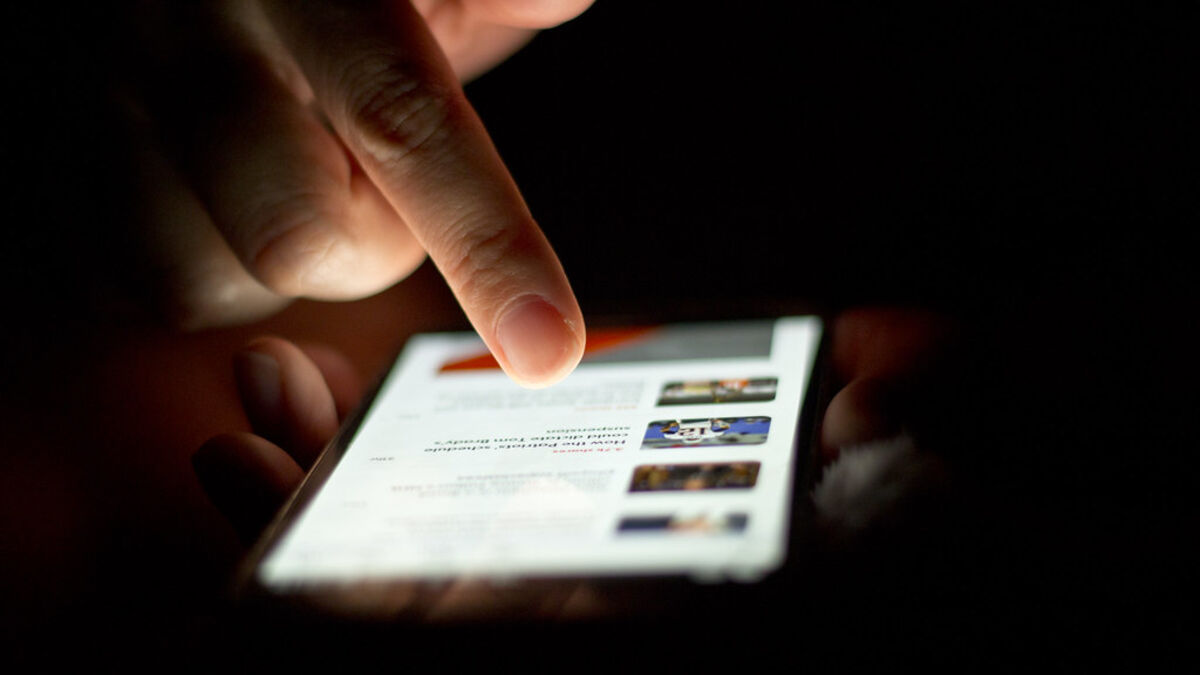
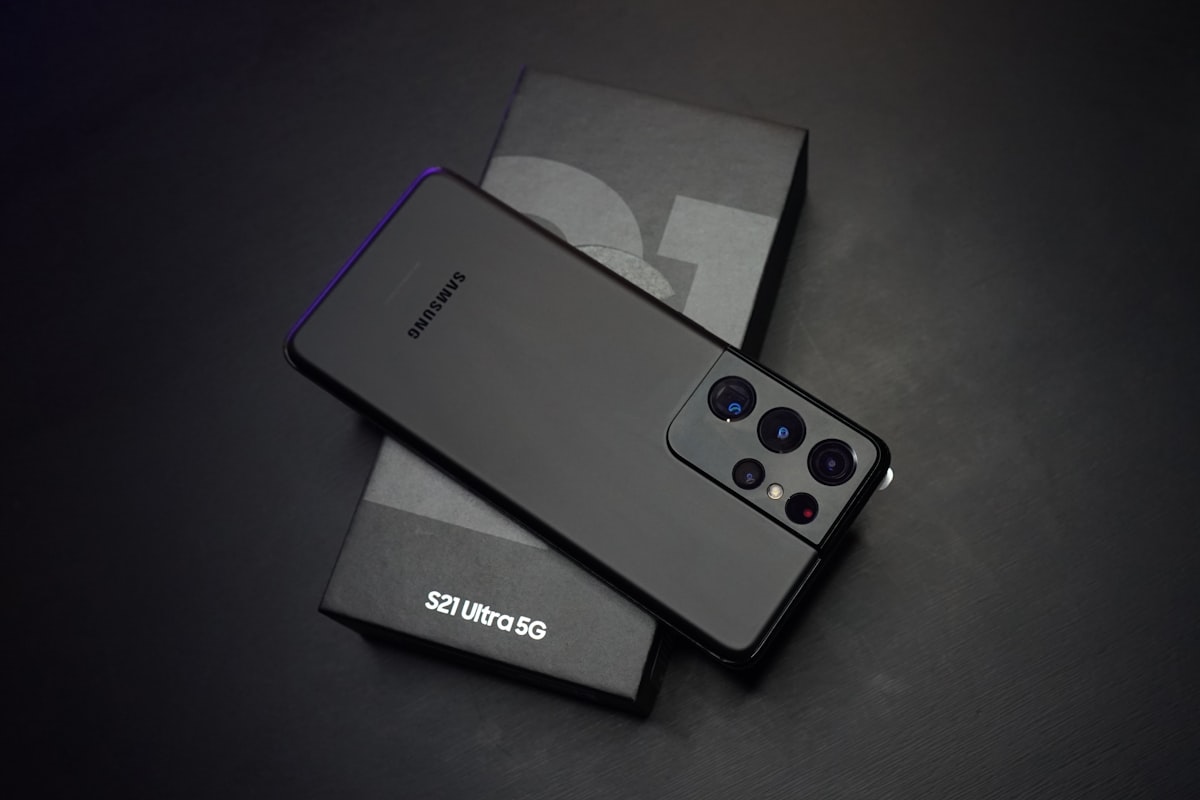
As smartphones have evolved over the years, they have gotten progressively larger, wider, and significantly heavier. To balance these massive slabs of glass and metal while typing or scrolling with one hand, it's easy to slip into a specific grip without noticing: resting the bottom edge of the phone directly on the pinky, using it as a little shelf to stop the phone from sliding down.
The problem? The human pinky finger was never evolutionarily designed to act as a load-bearing shelf for a 230-gram block of metal for 6 hours a day.
Is the Pinky Dent Permanent?
The dent is likely not permanent, because it is not a bone deformity. According to articles from orthopedic surgeons and hand specialists, the reassurance comes with a major caveat.
The dent you are likely seeing is simply an indentation in the soft tissue (the fat and skin) of your finger, combined with a mild callous formed from constant friction and pressure. It's similar to the dent you get on your nose from wearing heavy glasses all day, or the mark left by wearing tight socks. If you stop holding your phone that way, the soft tissue dent may slowly plump back out and disappear over time.
The bad news? The internal strain might be more serious than a superficial dent.
While your bone isn't bending, constant, unnatural pressure on that small joint can lead to:
- Joint Pain and Stiffness: Constant compression can aggravate the joint capsule.
- Ligament Strain: The pinky is being forced outward and downward, straining the delicate ligaments that hold the joint together.
- Nerve Compression: There are sensitive nerves running along the sides of your fingers. Pressing a heavy phone against them can cause tingling, numbness, or a dull ache that radiates up your hand.
If you regularly feel a dull ache in your pinky or wrist after a long scrolling session, that dent may be the visible symptom of a deeper ergonomic issue. Persistent pain, numbness, or tingling is a reason to see a doctor or hand specialist.
How Can You Fix Smartphone Pinky?
The fix is changing your grip, which can be surprisingly difficult after years of doing it unconsciously. These strategies can take the weight off your pinky:
- The Two-Handed Approach: This is the most obvious, but hardest to stick to. Hold the phone with one hand and scroll or type with the index finger of the other, entirely removing the weight from your pinky. It feels slow and boomer-ish, but it works.
- Using Grips and Rings: A MagSafe pop-socket ring on the back of the phone lets you slide your middle finger through the ring, spreading the weight of the phone across your stronger fingers and leaving your pinky free to just hang out. This can be one of the most effective changes.
- Lighter Devices: You don't need to throw away your current phone, but it is worth looking closely at the weight specifications of your next one. Those "Pro Max" versions might have great cameras, but they are incredibly heavy.
- Mindful Scrolling: Simply try to be more aware of how you're holding the device. Whenever you notice your pinky sliding underneath to support the weight, shift your grip.
A dent on your finger is a minor, slightly embarrassing visual cue, but it represents a larger issue. We are integrating technology so deeply into our lives that it can literally reshape our bodies. Take a second right now, put your phone down, and check your pinky. You might be surprised by what you find.