The 'Dense Bean Salad' Trend: Meal Prep Revolution or Just a Fad?
- Lifestyle, Health
- Exienent
- · Updated
The Dense Bean Salad is more than a fad: it is a genuinely practical meal prep method. By replacing leafy greens with beans and sturdy chopped vegetables soaked in a punchy vinaigrette, one big bowl can cover a full workweek of lunches, and it can taste better as it marinates in the fridge.
If there is one thing TikTok loves, it is a low-effort, high-reward food trend. We've survived the era of baked feta pasta, we've made our way through folded tortilla wraps, and in 2024 the algorithm delivered a new obsession. "Dense bean salad" sounds almost aggressively boring, but creators swear it is the holy grail of meal prep. The promise is simple: spend 20 minutes chopping things on a Sunday, throw it all in a massive bowl, and you have healthy, filling lunches for the entire workweek that actually get better as they sit in the fridge. For anyone stuck in the midday "what am I going to eat for lunch" panic, that is an appealing pitch.
What Makes a Salad "Dense"?
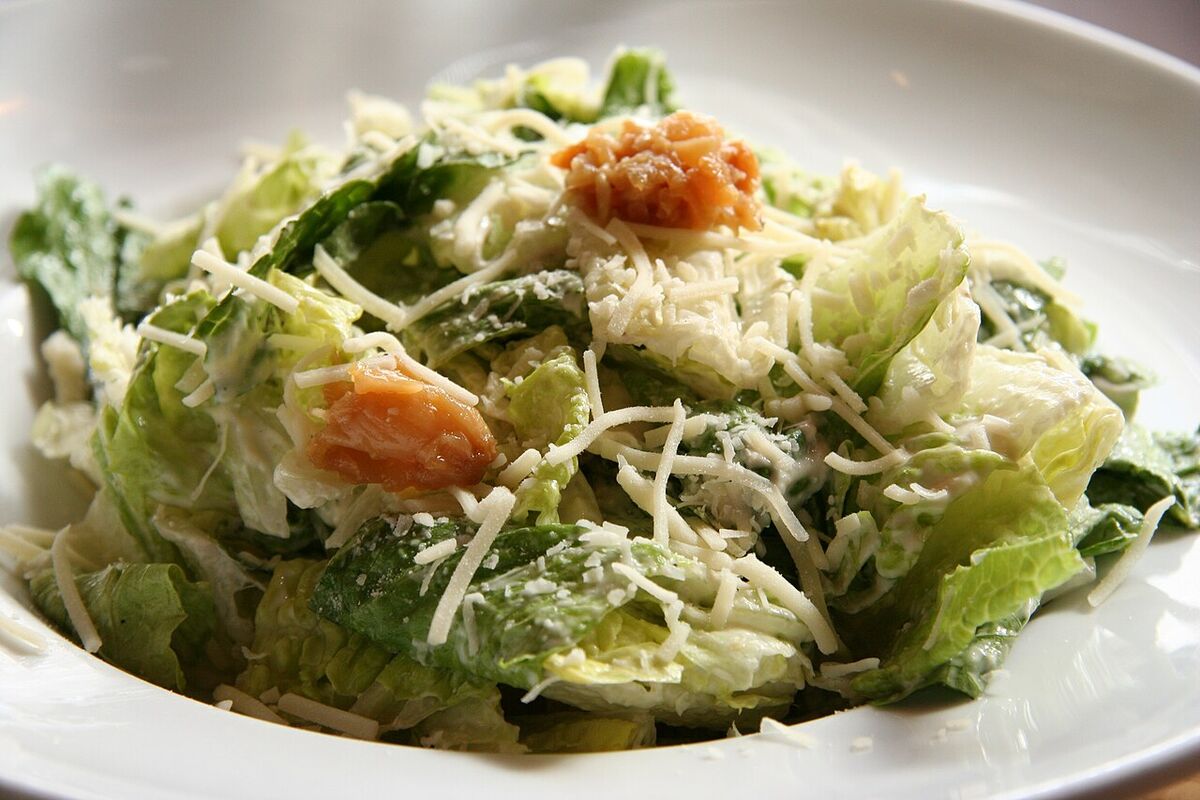
A salad is "dense" when it contains no flimsy, wilting greens. There is no lettuce, no spinach, no arugula.
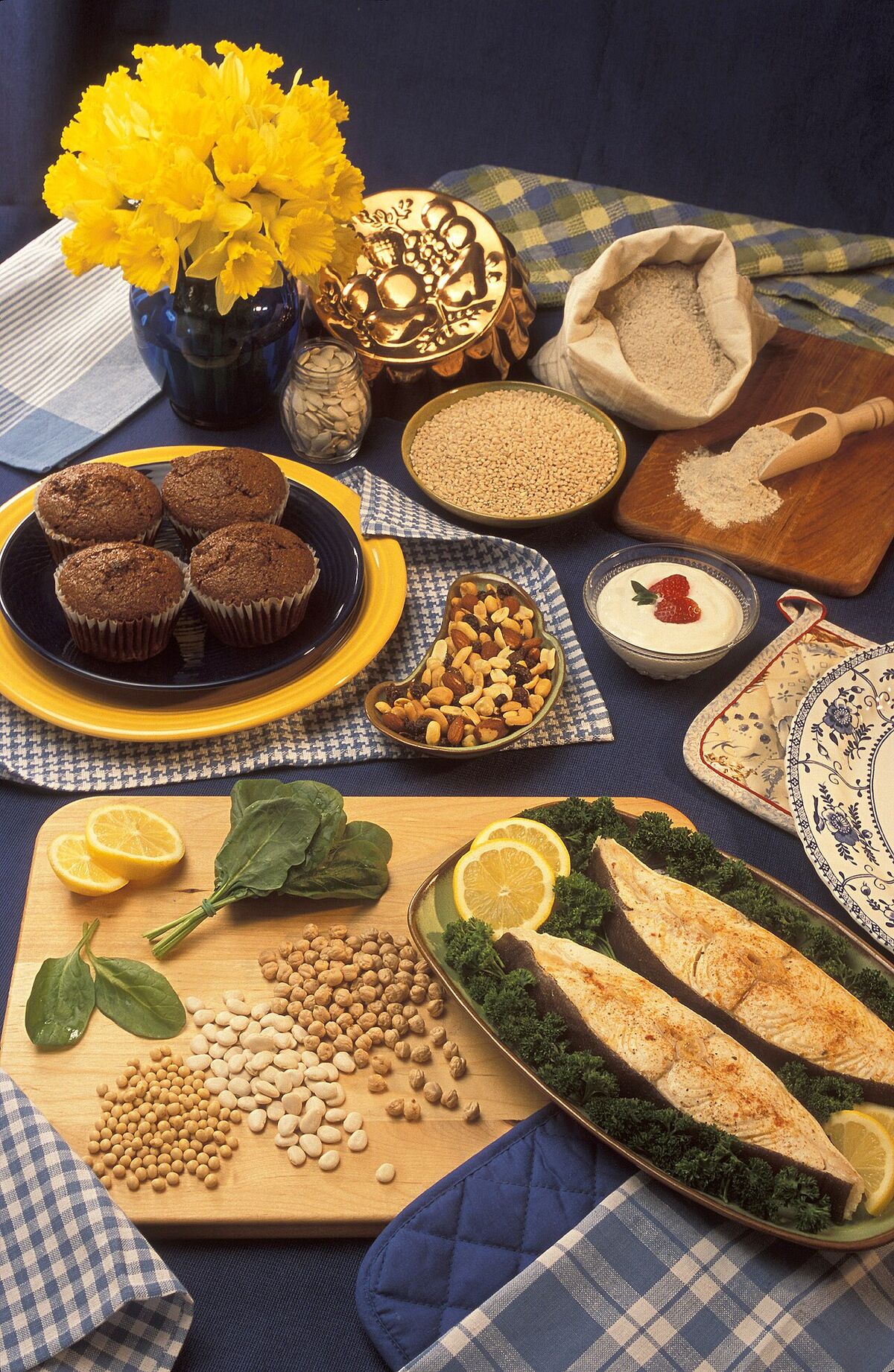
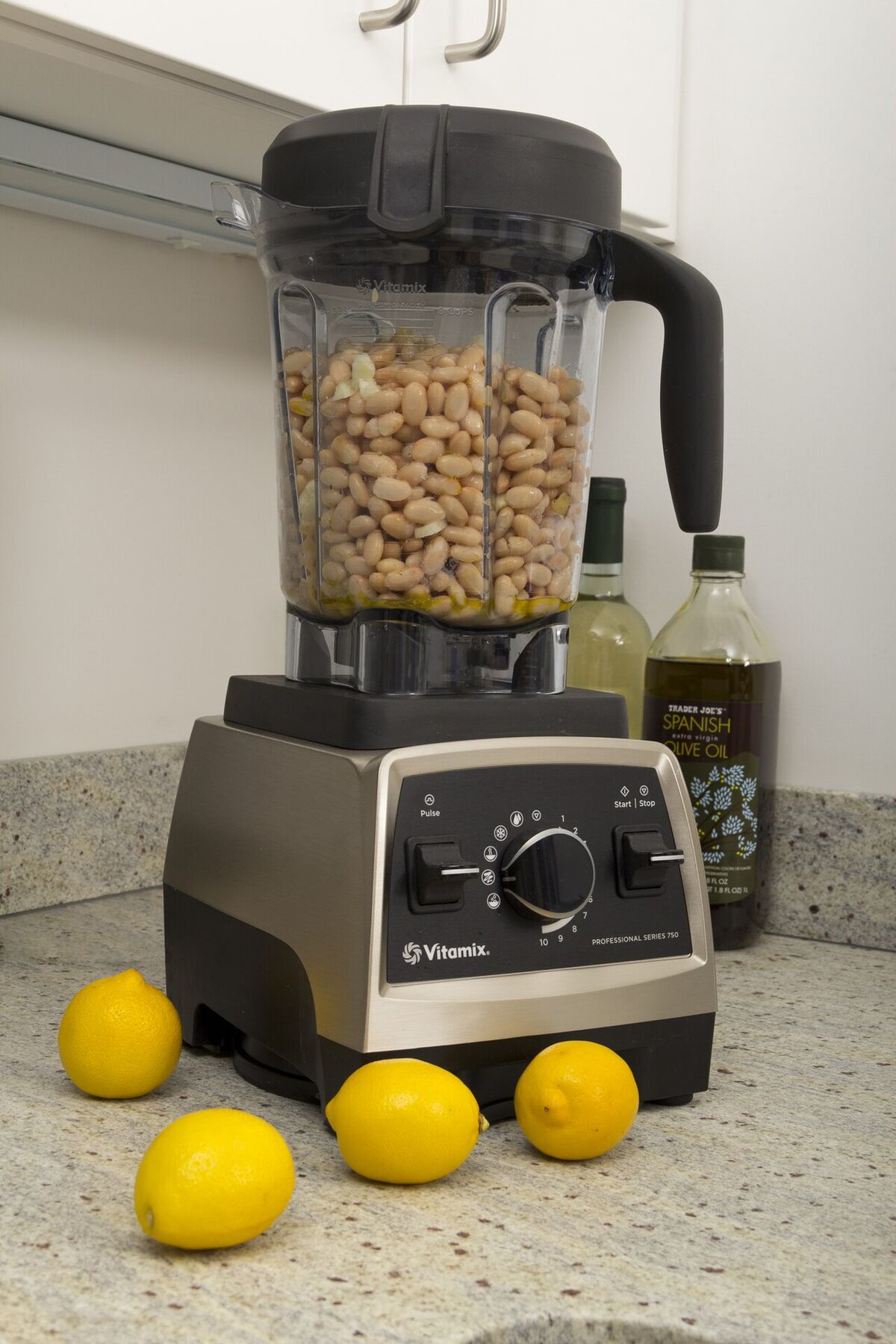
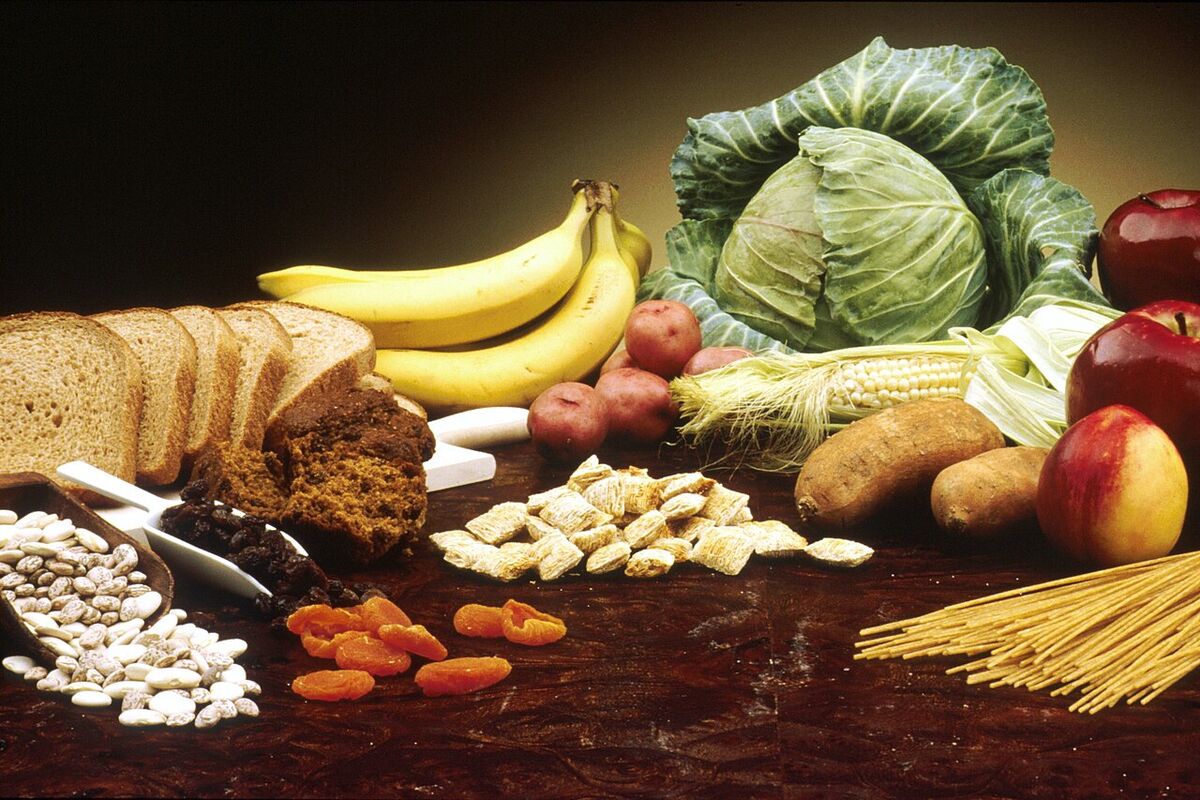
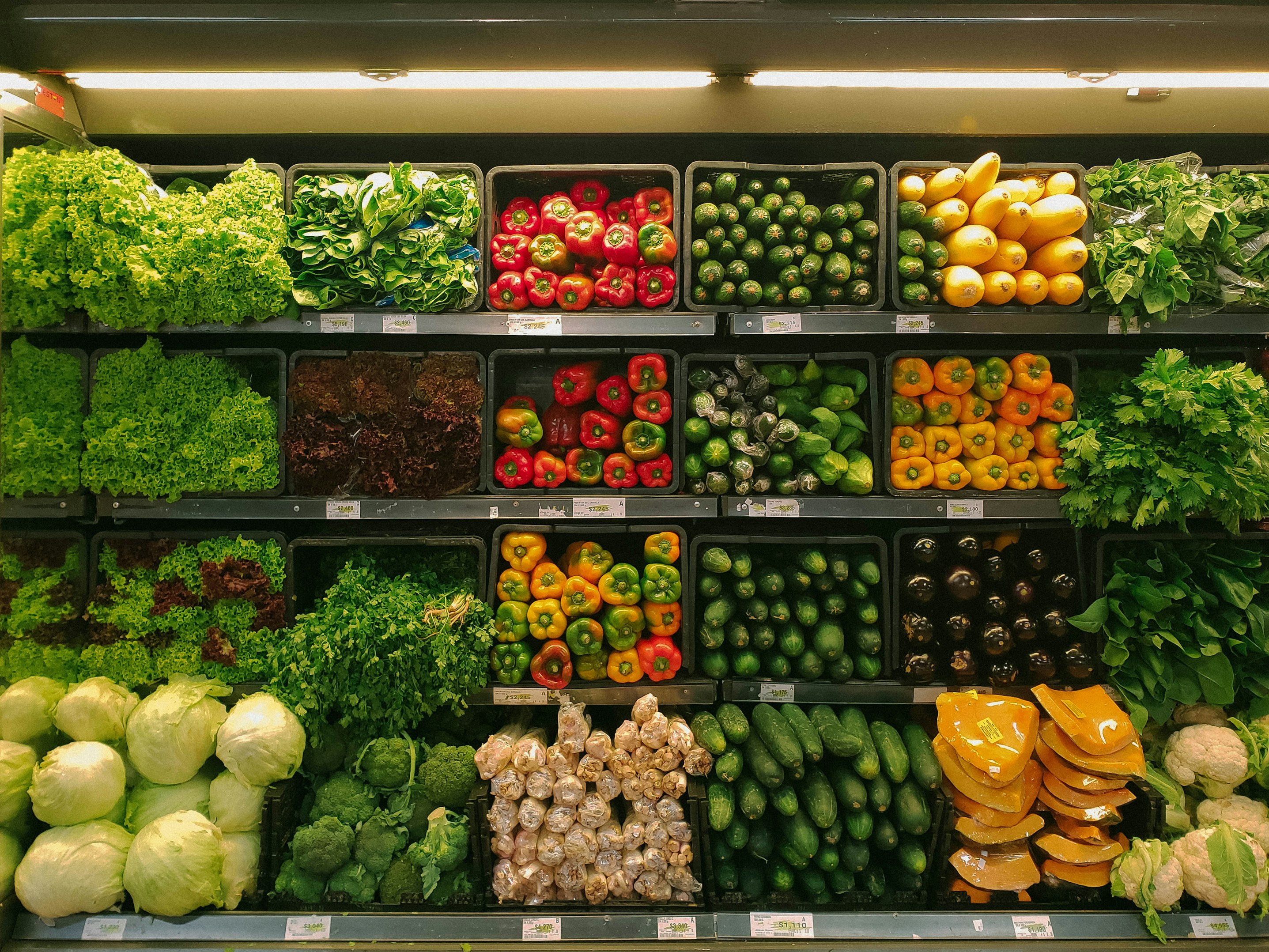
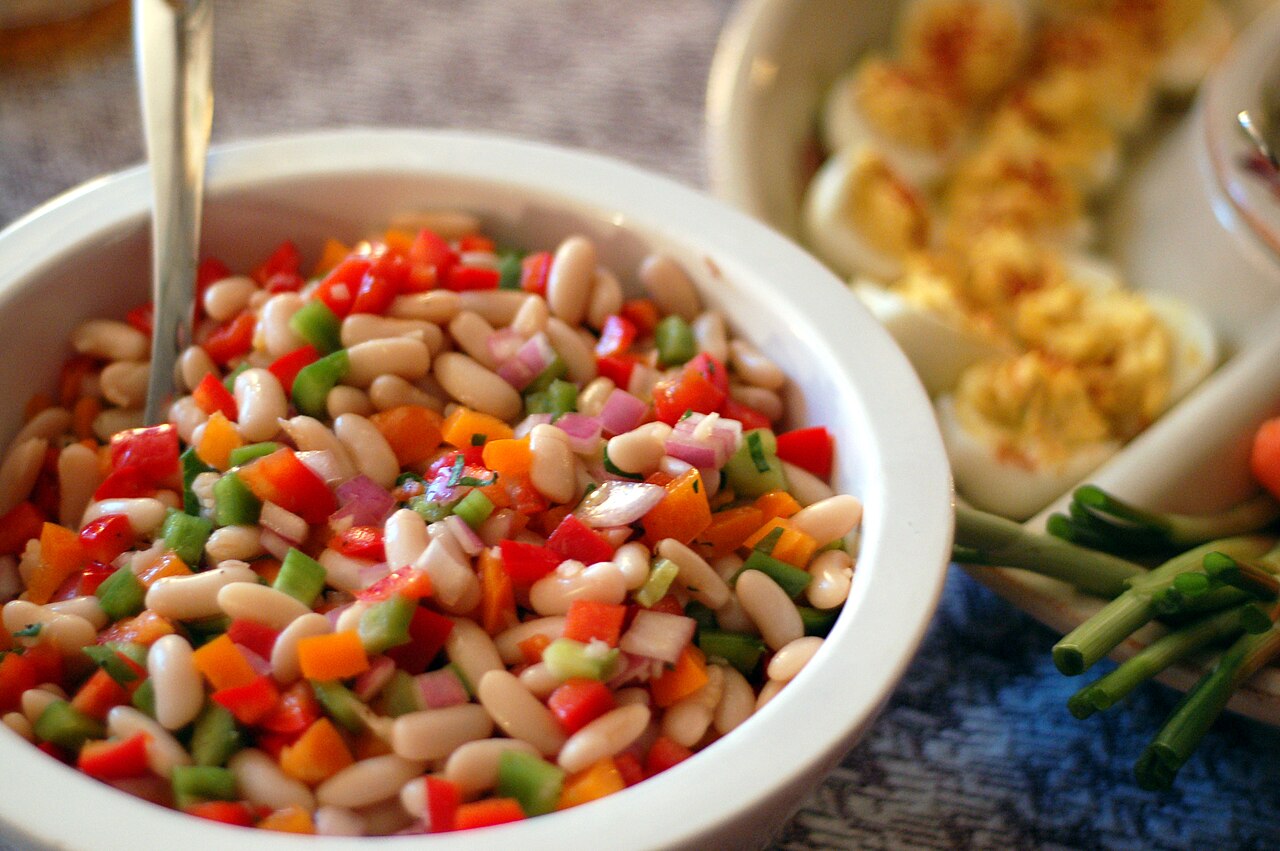
Instead, the foundation is beans. Chickpeas, black beans, cannellini beans, edamame—usually a mix of two or three. Then you add the "dense" crunch factor: bell peppers, cucumbers, red onions, maybe some cherry tomatoes. You can throw in some protein like grilled chicken or feta cheese, and finally, you drown it all in a highly seasoned, acidic vinaigrette.
The genius here isn't the flavor combination (which is infinitely customizable), but the physics. Because there are no fragile greens to get soggy, the salad can sit in a pool of dressing for five days and not only survive, but actually marinate.
How Does a Dense Bean Salad Change Over the Week?
A dense bean salad goes from a fresh, crunchy side salad on day one to a more cohesive, marinated dish by the end of the week. A Mediterranean-inspired version makes a good example: chickpeas, white beans, cucumbers, cherry tomatoes, kalamata olives, red onion, a generous amount of feta cheese, and a punchy lemon-herb dressing.
Day 1: Fresh, crunchy, and very filling. At this stage, it can taste like a pretty standard side salad from a Greek restaurant.
Day 3: By midweek, the beans can absorb the dressing. The sharp bite of the raw red onion mellows out. The cucumbers can stay crunchy while taking on a quick-pickle flavor, which may make the salad noticeably better than on Monday.
Day 5: Instead of turning into a mushy disaster, the texture can hold up well, because nothing in the bowl wilts. The flavors meld into a cohesive, tangy, savory bowl, and the last lunch of the week may well be the best one.
Why Does the Dense Bean Salad Trend Have Staying Power?
I think the Dense Bean Salad is not a fad but a practical approach to modern eating, for three reasons:
- The Cost: Beans are very cheap. Even with fresh vegetables and cheese added, a batch of five filling lunches can come in at a low cost.
- The Time: The entire prep process is chopping vegetables and opening cans, roughly the 20 minutes the trend promises. Zero cooking required.
- The Macros: It's naturally rich in fiber and plant-based protein, which may help you stay full through the afternoon compared with a heavy carb meal.
Is the Dense Bean Salad Worth Trying?
Yes, if you want an easy, affordable way to bring lunch to work. Is it the most glamorous food in the world? No. But as a tool for surviving the workweek while eating something that is good for your wallet and packed with fiber, the Dense Bean Salad is hard to beat. I have to hand it to TikTok on this one. If you try it, stock up on chickpeas.