The Rise of the 'Old Money' Aesthetic: Quiet Luxury Explained
- Lifestyle
- Exienent
- · Updated
The "Old Money Aesthetic," also called "Quiet Luxury," is a style built on logo-free clothing, excellent fabrics, neutral colors, and flawless fit. Its message is simple: you don't need to prove you have money. In 2026 it has replaced logo-heavy dressing as the trend social media is obsessed with, and you can achieve it without a luxury budget.
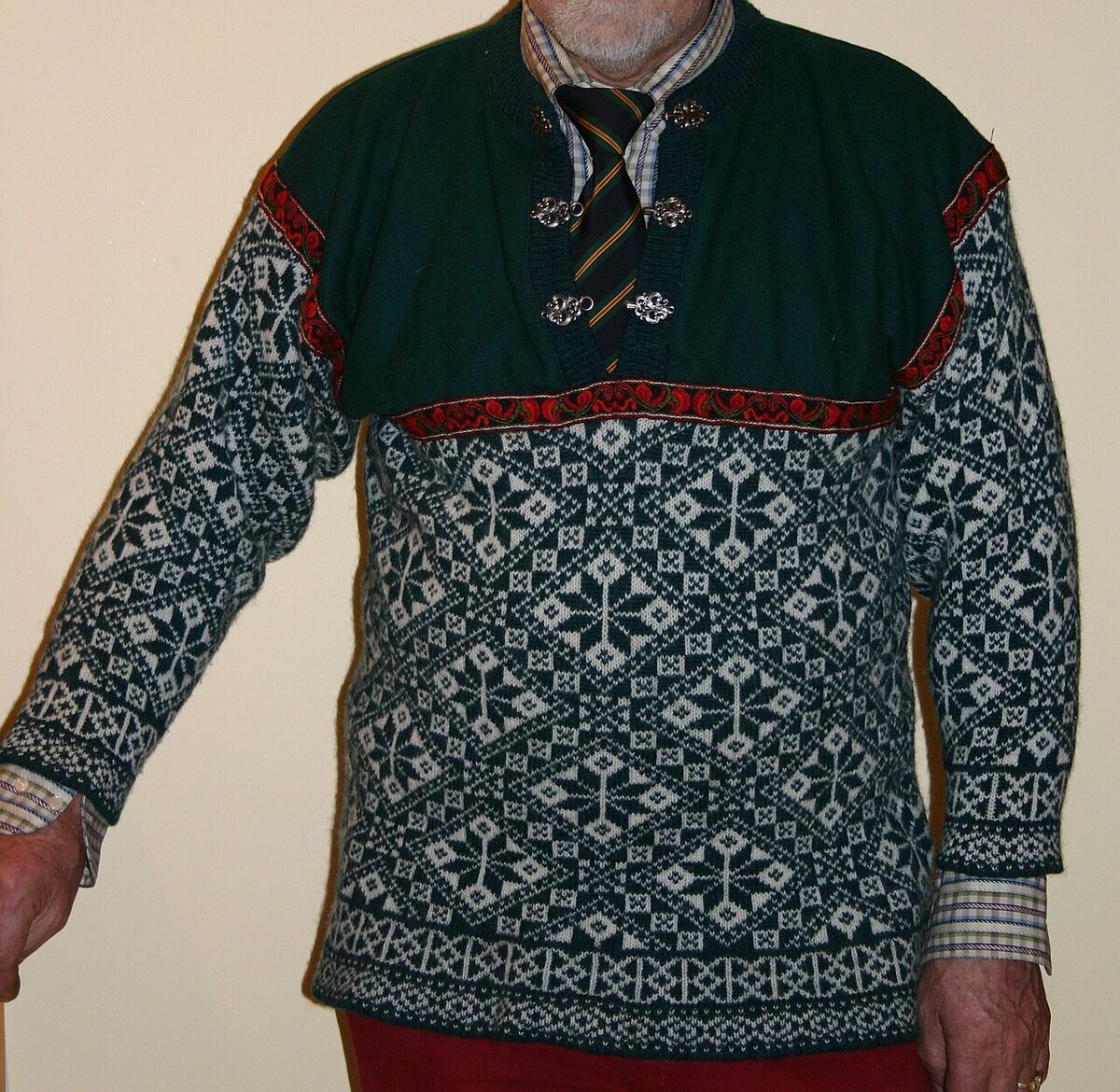
Picture a sweater with no brand logo anywhere, yet you can tell from across the room that the cashmere is impossibly soft and the fit is perfect. That is the look in a single garment.
How Did Fashion Move From Logos to Quiet Luxury?
Fashion swung from loud branding to understatement in just a few years. Not long ago, the trend was all about massive designer logos slapped across chests and bags covered in recognizable monograms. But in 2026, the fashion pendulum has swung hard in the completely opposite direction. We have entered the era of "Quiet Luxury."
What Exactly Is the Old Money Aesthetic?
The Old Money aesthetic is dressing the way generational wealth is imagined to dress. "Old money" refers to the traditional upper class with inherited wealth, as opposed to the newly rich (new money).
The core philosophy here is simple: "I don't need to prove I have money." People with true, deep-rooted wealth don't feel the need to show off.
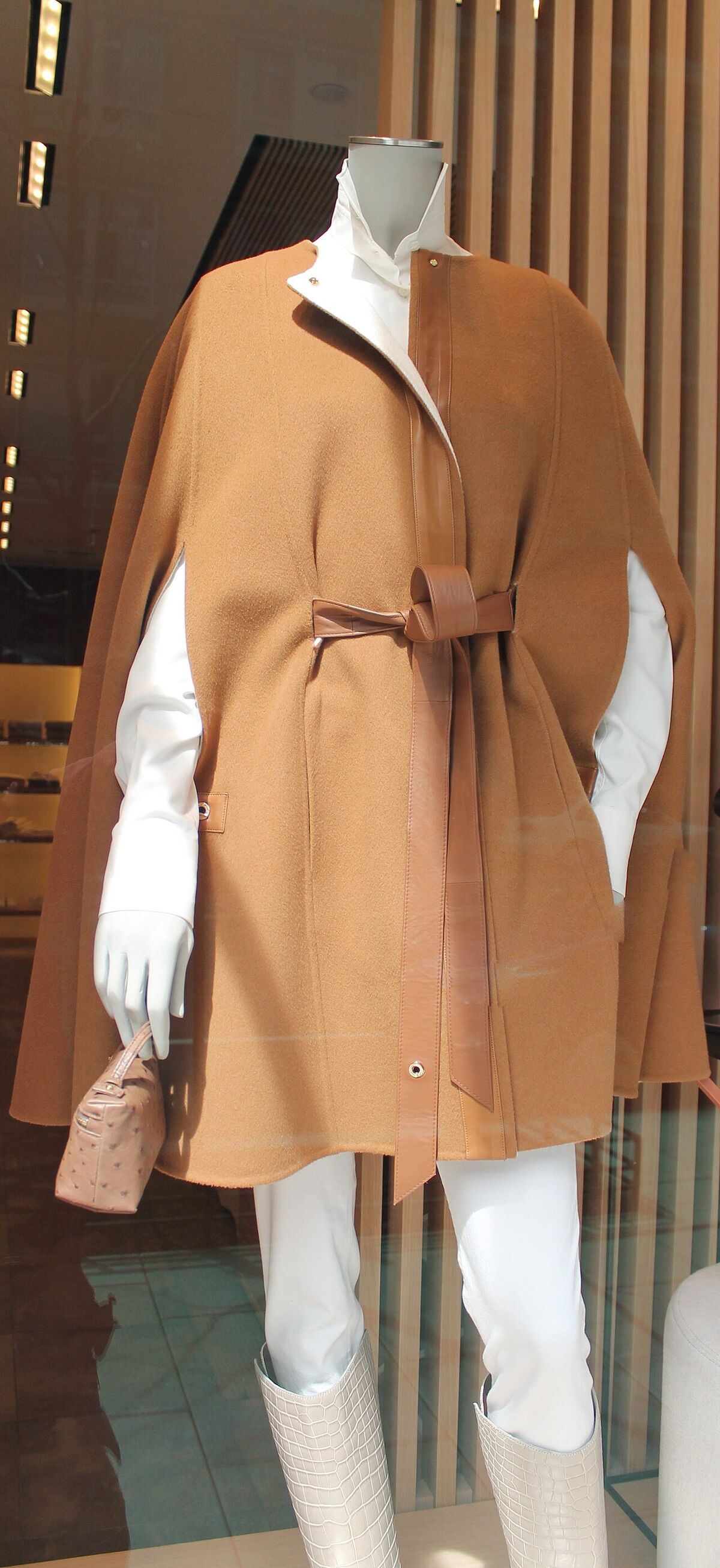
Because of this, the most defining characteristic of this style is being logoless. Loud branding and flashy patterns are completely removed. Instead, that space is filled with overwhelming fabric quality and immaculate tailoring (the fit). Think high-end silk, fine cashmere, rich linen, and a color palette dominated by calm, neutral tones like beige, cream, navy, and black.
Why Is Everyone So Obsessed With Quiet Luxury?
I think the biggest reason is pure fatigue. If you open Instagram or TikTok, you are blasted with hyper-fast, incredibly loud micro-trends that change every week. It's exhausting to keep up. People are also getting a bit tired of the "flex" culture where you cover yourself in logos just to show how much you spent.
Also, during times of economic uncertainty, people tend to gravitate toward classic, timeless items. Instead of spending a lot of money on a trendy piece that will look ridiculous next year, people are choosing to invest in elegant, foundational garments that will still look good a decade from now.
How Can You Pull Off Old Money Style Without Being a Billionaire?
You don't need to exclusively shop at Loro Piana or The Row to achieve the Old Money look. By following a few basic principles, you can make even affordable clothing look incredibly expensive.
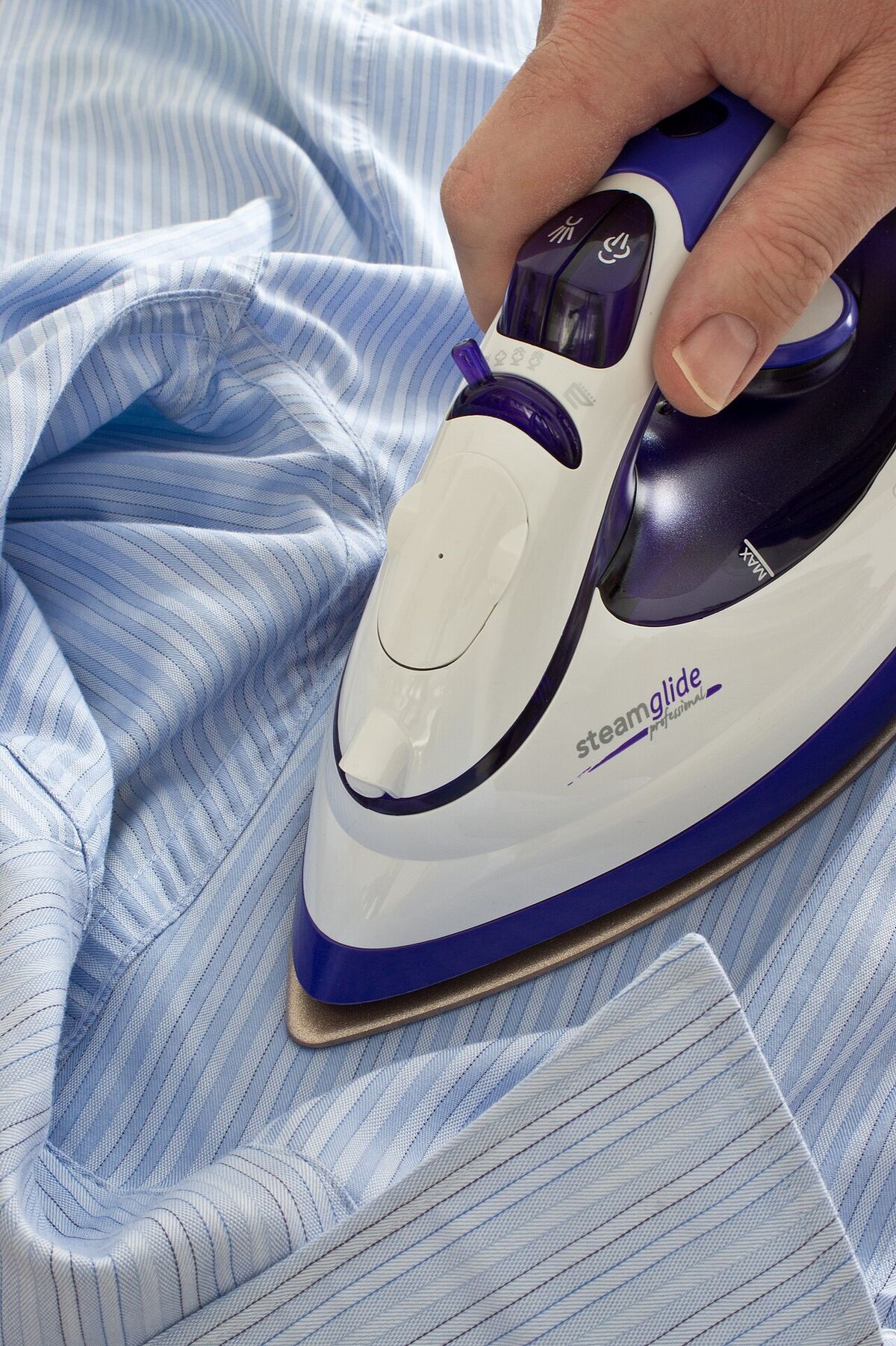
- Ironing is Everything: A $500 shirt looks cheap if it's deeply wrinkled, while a $30 shirt can look incredibly chic if it's crisply ironed. Taking care of your clothes signals having the luxury of time.
- Embrace Tone-on-Tone: Try wearing different shades of the same color (like varying tones of beige and cream) from head to toe. It creates a visually calm, unified, and highly sophisticated silhouette.
- Fit is King: Clothes shouldn't be excessively baggy or skin-tight. They should skim your body perfectly. If your pants are a weird length, spend $15 at a local tailor to get them hemmed perfectly to your height. It makes a world of difference.
- Keep Accessories Minimal: Ditch the chunky, flashy jewelry. A simple, thin gold chain or a classic leather-band watch is all you need to complete the look.
What Does the Old Money Trend Say About Style?
The Old Money trend suggests that true style doesn't come from flashy displays of wealth, but from a sense of inner comfort and a mastery of the basics.
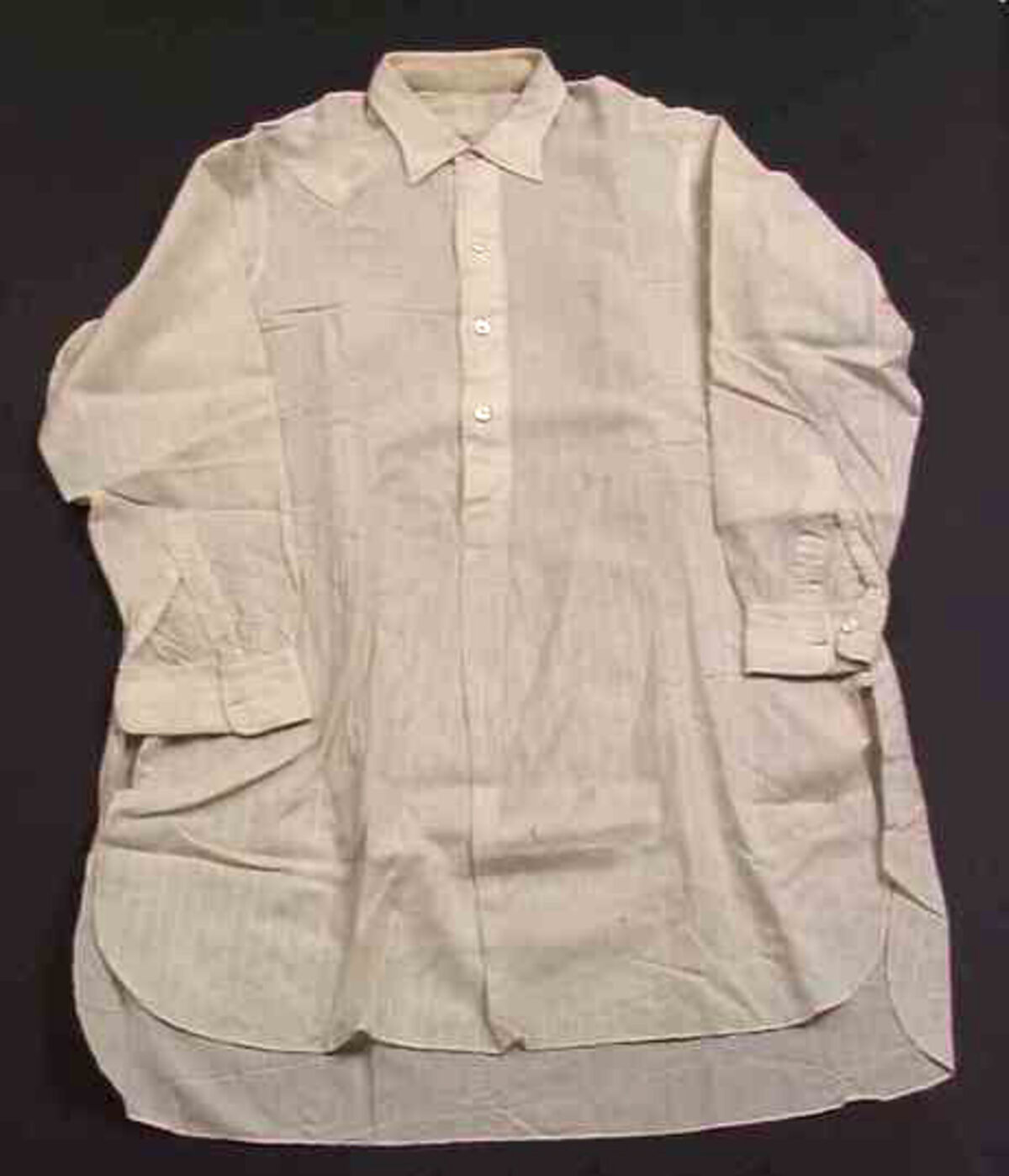
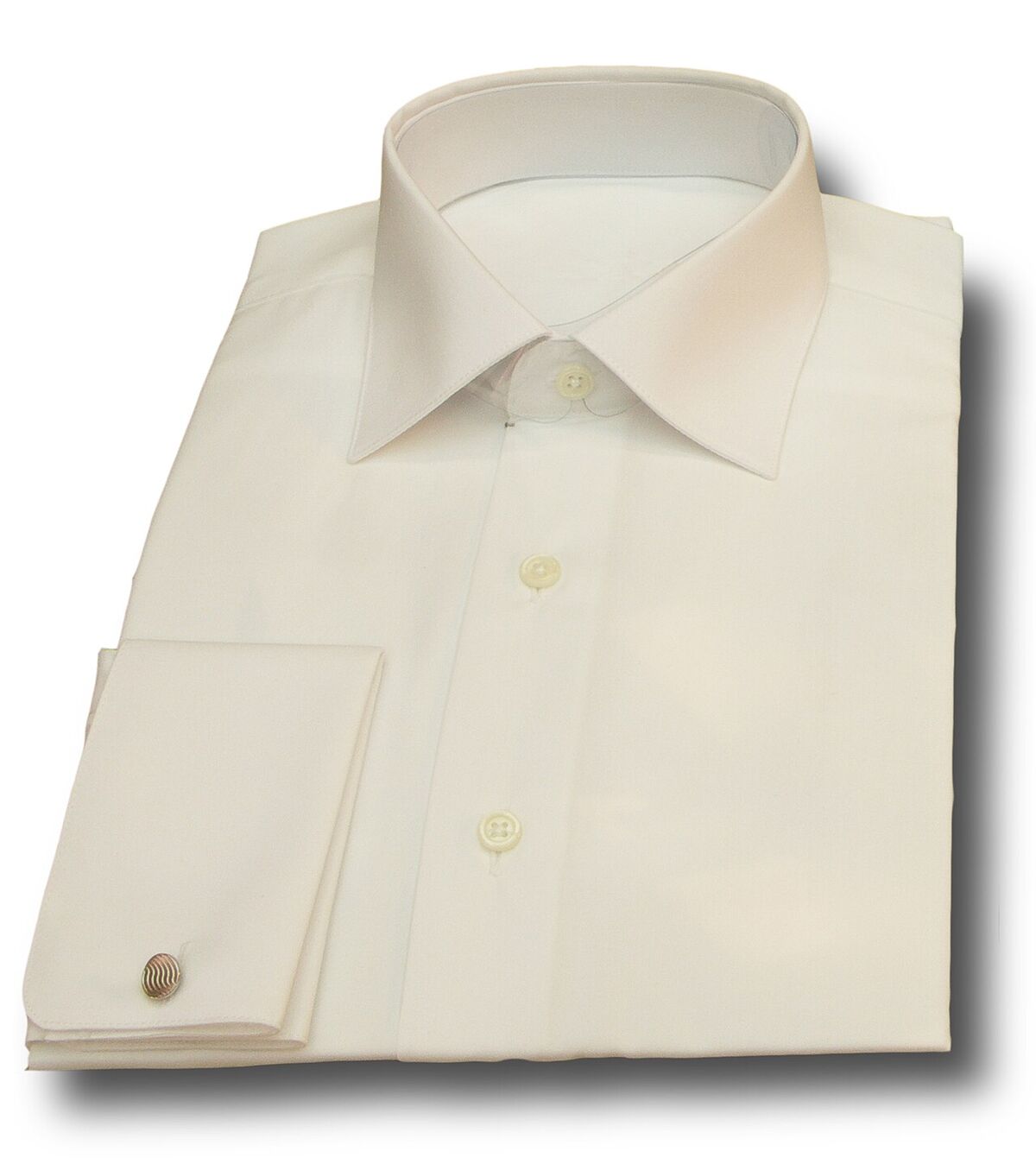
If you are feeling overwhelmed by a closet full of loud, trendy clothes, try this tomorrow: put on a clean, crisp, logo-free white shirt and a perfectly fitting pair of trousers. You won't be dressing to show off to anyone else—you'll just be dressing for a comfortable, elegant day for yourself.