Zero Sugar Drinks: Are They Really the Magic Bullet for Weight Loss?
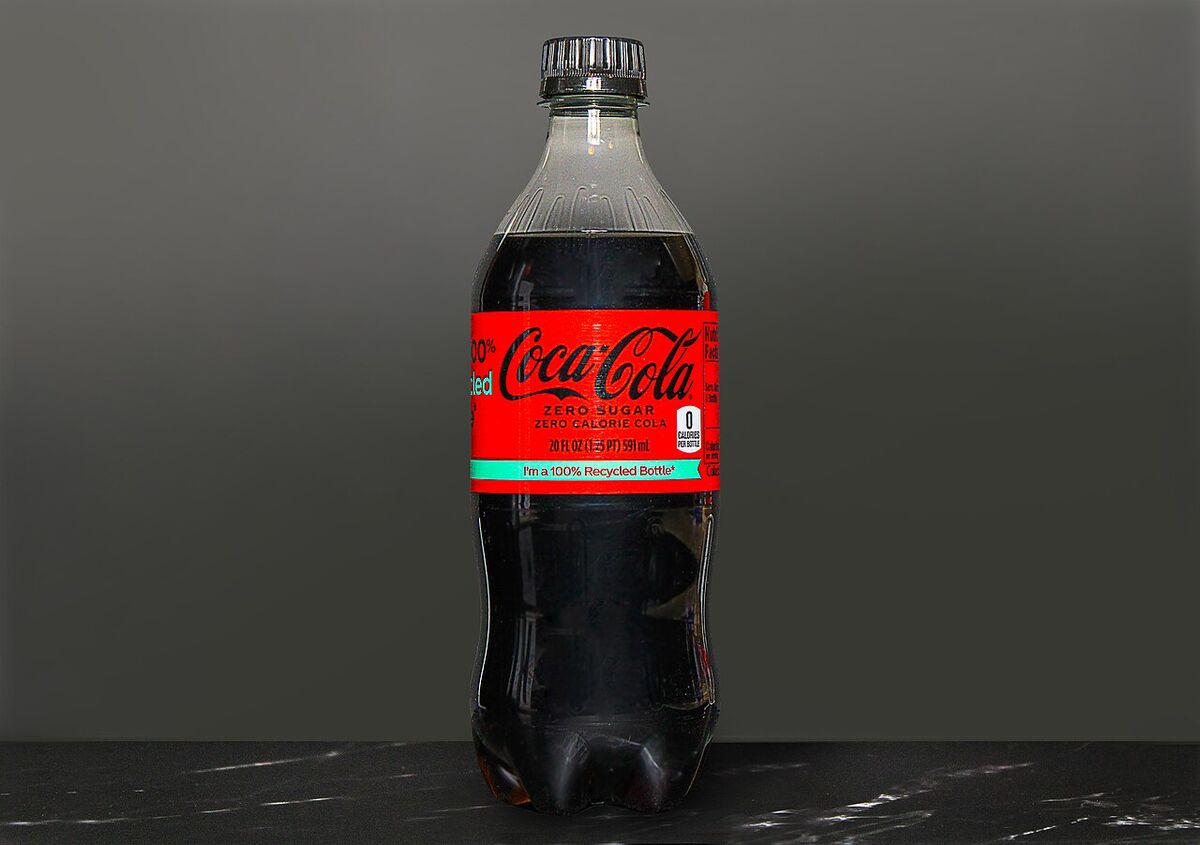
We've all been there: staring at the beverage aisle, feeling a little guilty about wanting a soda, and then spotting the "Zero Sugar" label. It feels like a free pass. You get the sweet, fizzy satisfaction of a cola or energy drink without the crash or the calories. But as these drinks dominate the shelves in 2026, a lot of us are starting to wonder: are zero sugar drinks actually the magic bullet for weight loss, or is there a catch?
The short answer is that they can be a helpful tool if you're trying to cut down on massive amounts of liquid calories, but they aren't exactly "healthy" water replacements, and they might be messing with your cravings in unexpected ways. Let's look at what actually happens when you swap your regular soda for the zero-calorie version.
How Do They Taste So Sweet With No Calories?
The secret to zero sugar drinks lies in artificial or alternative sweeteners. The most common ones you'll see on the label are aspartame, sucralose (Splenda), stevia, or erythritol. These compounds are engineered to be hundreds, sometimes thousands of times sweeter than regular table sugar.
Because they are so intensely sweet, manufacturers only need to use a microscopic amount to flavor an entire can. That tiny amount doesn't contain enough calories or carbohydrates for your body to process as energy, hence the "zero calorie" claim. Your tastebuds register the sweetness, but your digestive system doesn't get the fuel.
The Craving Confusion: Does Fake Sugar Make You Hungry?
This is where things get tricky. When you drink a regular, sugar-filled soda, your brain tastes the sweetness and prepares your body for an influx of calories and energy. When you drink a zero sugar soda, your brain still tastes the intense sweetness, but the calories never arrive.
Some experts believe this creates a "confusion" in the brain's reward center. Because your body anticipated energy that it didn't receive, it might prompt you to seek out those missing calories elsewhere. You might find yourself reaching for a cookie or a bag of chips an hour after finishing a diet soda because your brain is trying to balance the ledger.
While the drink itself has zero calories, if it makes you hungrier for junk food later in the day, the weight-loss benefits quickly disappear.
The Gut Microbiome Mystery
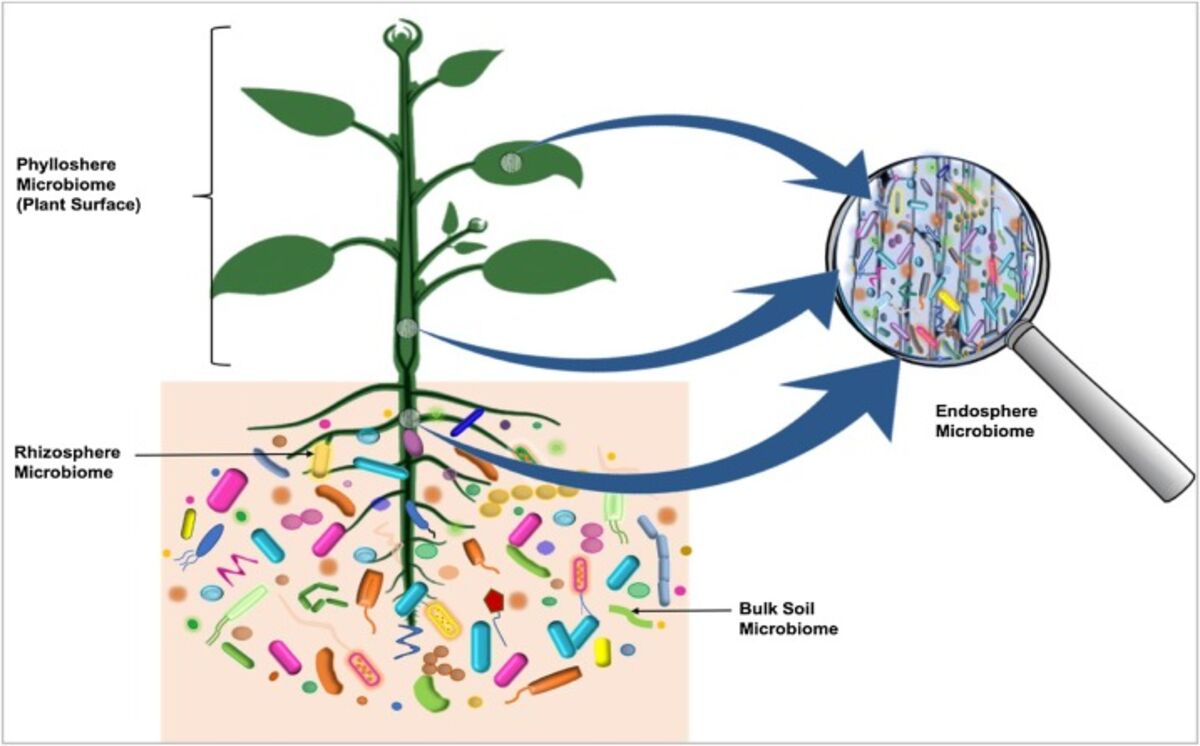
Another area of growing interest is how these artificial sweeteners affect the bacteria living in our gut. Our microbiome plays a massive role in everything from our immune system to our mood and how we process food.
Recent studies suggest that consuming large amounts of certain artificial sweeteners might alter the balance of these good bacteria over time. While a single diet soda won't destroy your gut health, making it your primary source of hydration every single day might not be doing your digestive system any favors.
So, Should You Stop Drinking Them?
If you are currently drinking three cans of full-sugar soda a day, switching to zero sugar is a massive reduction in empty calories and a great first step toward better health. It is undeniably better for your blood sugar levels and your teeth than drinking liquid syrup.
However, treating zero sugar drinks like water is a mistake. The best approach is to view them as what they are: a treat. Enjoy a cold zero sugar soda with your lunch or when you really need a sweet fix, but don't let it replace actual water, unsweetened tea, or black coffee as your main source of hydration.
If you find that drinking them leaves you craving sugary snacks all afternoon, it might be worth experimenting with sparkling water and a squeeze of real lemon or lime instead. You still get the carbonation and the flavor, but without the confusing signals to your brain.