Smart Backpacks for Everyday Use: What Surprises Most
- Tech Review, Hardware, Lifestyle
- Exienent
- · Updated
Is a smart backpack worth it in 2026? For heavy commuters, frequent travelers, and people who work from cafes and co-working spaces, the integrated charging and built-in security can be genuinely useful. For anyone who only walks from a car to a desk, the extra weight, premium price, and extra airport screening probably outweigh the benefits.
A standard messenger bag holds a laptop, a few cables, and a water bottle, but it is essentially just a sack. "Smart backpacks" promise much more: built-in solar panels and power banks, biometric locks, and GPS tracking. A backpack as connected as a phone can sound excessive, but for anyone who constantly runs out of battery or worries about leaving gear behind on the train, the pitch is tempting. Here is how the main features hold up for daily commuting and travel.
Does Built-In Charging Make a Smart Backpack Worth It?
Integrated charging is the most useful feature of a smart backpack, because it removes the need to hunt for an outlet. Some models house a 20,000mAh battery in a hidden compartment, connected directly to USB-C ports on the exterior strap and inside the main laptop sleeve.
- Seamless Charging: Plugging your phone into the shoulder strap while walking to the office, without a cable dangling awkwardly out of a zipper, is very convenient.
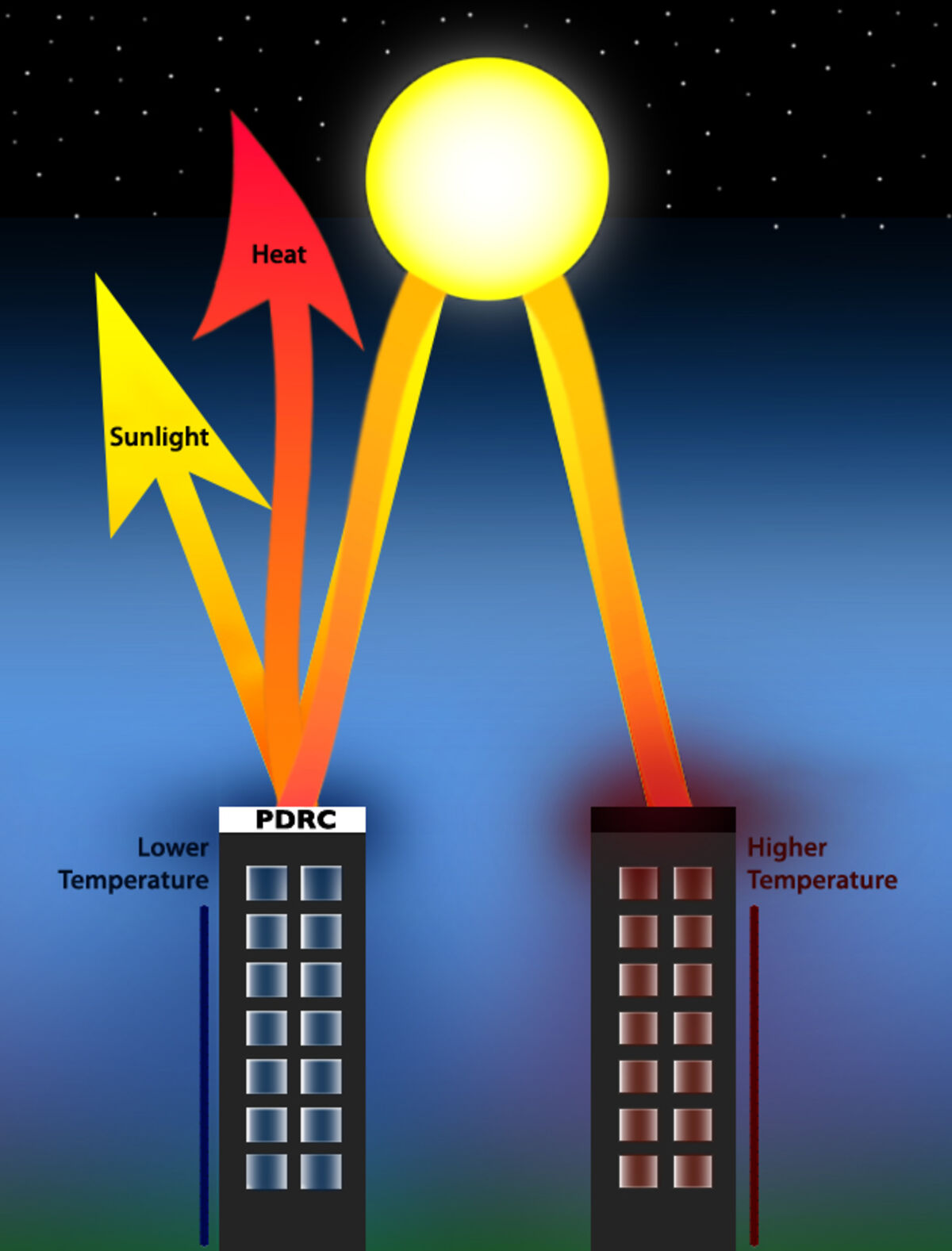
- The Solar Trickle: The small, flexible solar panel on the front is admittedly a bit of a gimmick. In everyday city commuting, it barely moves the needle on the internal battery. Left in the sun for hours on a weekend hike, though, it can provide enough juice to top up a phone—so it's not entirely useless, just situational.
What Are the Downsides of a Smart Backpack?
The main trade-offs are weight and travel hassle.
- It's Heavy: Even completely empty, a smart backpack weighs considerably more than a regular bag. The battery pack, reinforced anti-theft materials, and internal wiring add noticeable bulk. Add a laptop and a water bottle, and your shoulders can feel it by the end of the day.
- Airport Security Anxiety: Because of the built-in electronics and dense battery pack, airport security agents may pull the bag aside for additional screening. It should pass once they verify the battery capacity is within regulations, but it can add a stressful delay to your travel time.
Are Smart Backpack Security Features Useful?
Yes—the built-in tracking and security can be the most reassuring part of a smart backpack, even if they seem like the least important features at first.
- Biometric Zippers: The main compartment locks with a small fingerprint scanner. It may sound like overkill, but in a crowded coffee shop it is reassuring to know someone can't casually unzip your bag while you aren't looking.
- Integrated Tracking: Unlike an AirTag tossed in a pocket, where it can easily fall out or be removed, the built-in GPS/Bluetooth tracker is integrated into the lining of the bag itself. That means you can pinpoint your laptop's location at any time.
Should You Upgrade to a Smart Backpack?
It depends on how far you usually are from a wall outlet.
| Your routine | Recommendation |
|---|---|
| Walking from your car to a desk | Probably overkill; the extra weight and premium price aren't justified |
| Heavy commuting, frequent travel, or moving between cafes and co-working spaces all day | Worth considering for the integrated charging and the peace of mind from the security features |
For mobile users, I think the convenience of always having power and knowing your gear is secure can make it hard to go back to a "dumb" bag, despite the extra weight. Just be prepared to explain the solar panels to curious strangers on the subway!