Can a Solar EV Go 30 Days Without Being Plugged In?
- Technology, Hardware, Environment
- Exienent
- · Updated
A mass-production Solar Electric Vehicle (sEV) can, in the right conditions, cover a short daily commute without ever being plugged in. The catch is that "the right conditions" means a sunny climate, uncovered parking, and a willingness to drive an unusually shaped, ultra-efficient car. Outside that niche, you will still need a wall outlet.
For years, the electric vehicle conversation has been dominated by two things: range anxiety and charging infrastructure. We've all played the mental gymnastics of planning a road trip around fast-charger locations or dealing with the frustration of a broken public charging station. But what if the car just... charged itself?
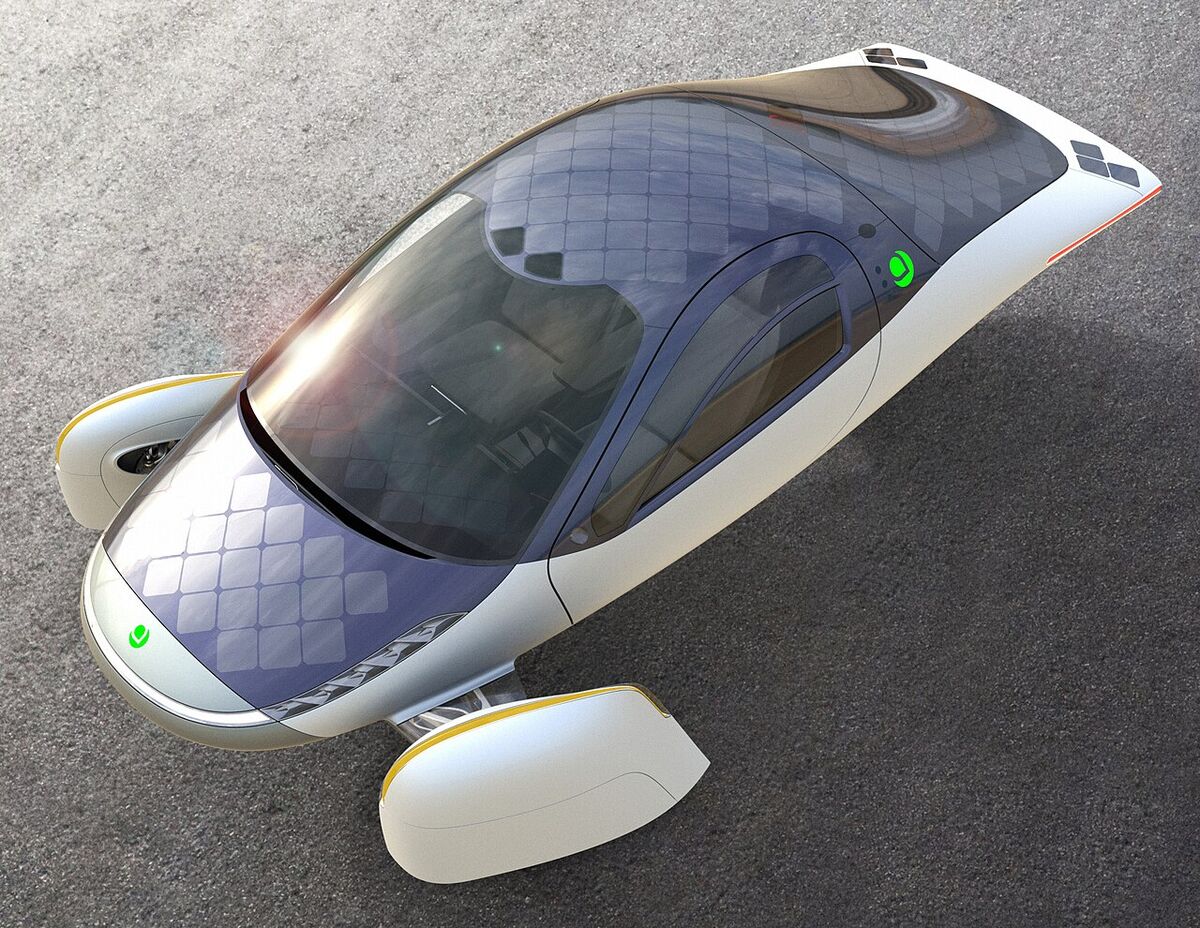
In 2026, the first true wave of mass-production sEVs, cars covered almost entirely in highly efficient solar panels and highly reminiscent of the Aptera and Lightyear designs tracked for years, finally hit the mainstream consumer market. The question is whether one can work as a daily commuter for 30 days without touching a plug, and why "parking for sun" could become a new obsession.
How Much Range Can Solar Panels Add to an EV?
A solar EV is not going to recharge a dead battery from 0% to 100% while you grab a coffee. The physics of sunlight and the surface area of a car simply don't allow for that.
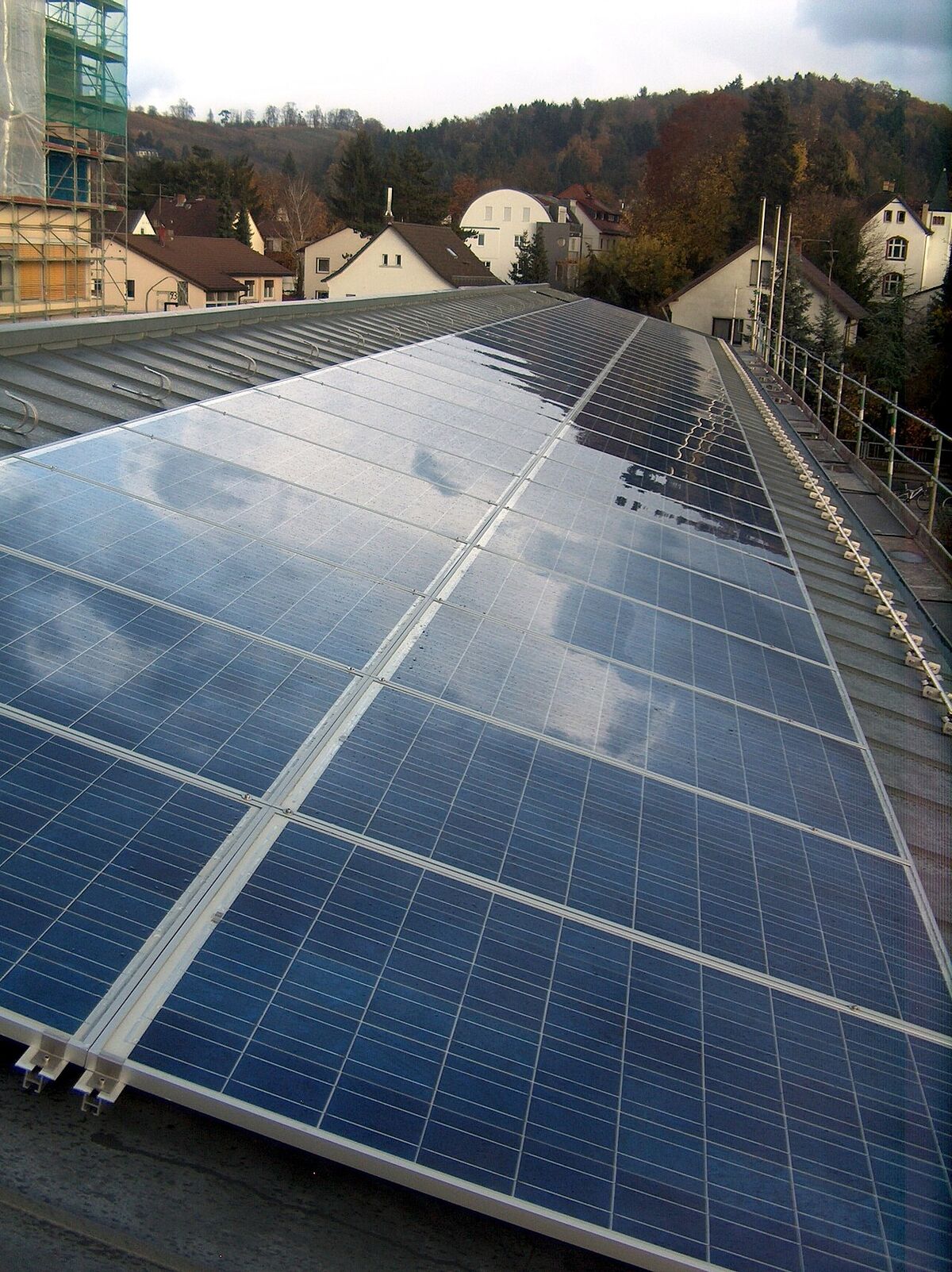
However, these cars are engineered with obsessive aerodynamics and ultra-lightweight materials. They are so efficient that they require vastly less energy to move than a standard heavy Tesla or Ford Mustang Mach-E. That is what makes solar meaningful: with panels integrated into the roof, hood, and dashboard, a car parked outside in a sunny region can add a useful amount of free range each day just by sitting there.
What Is "Parking for Sun"?
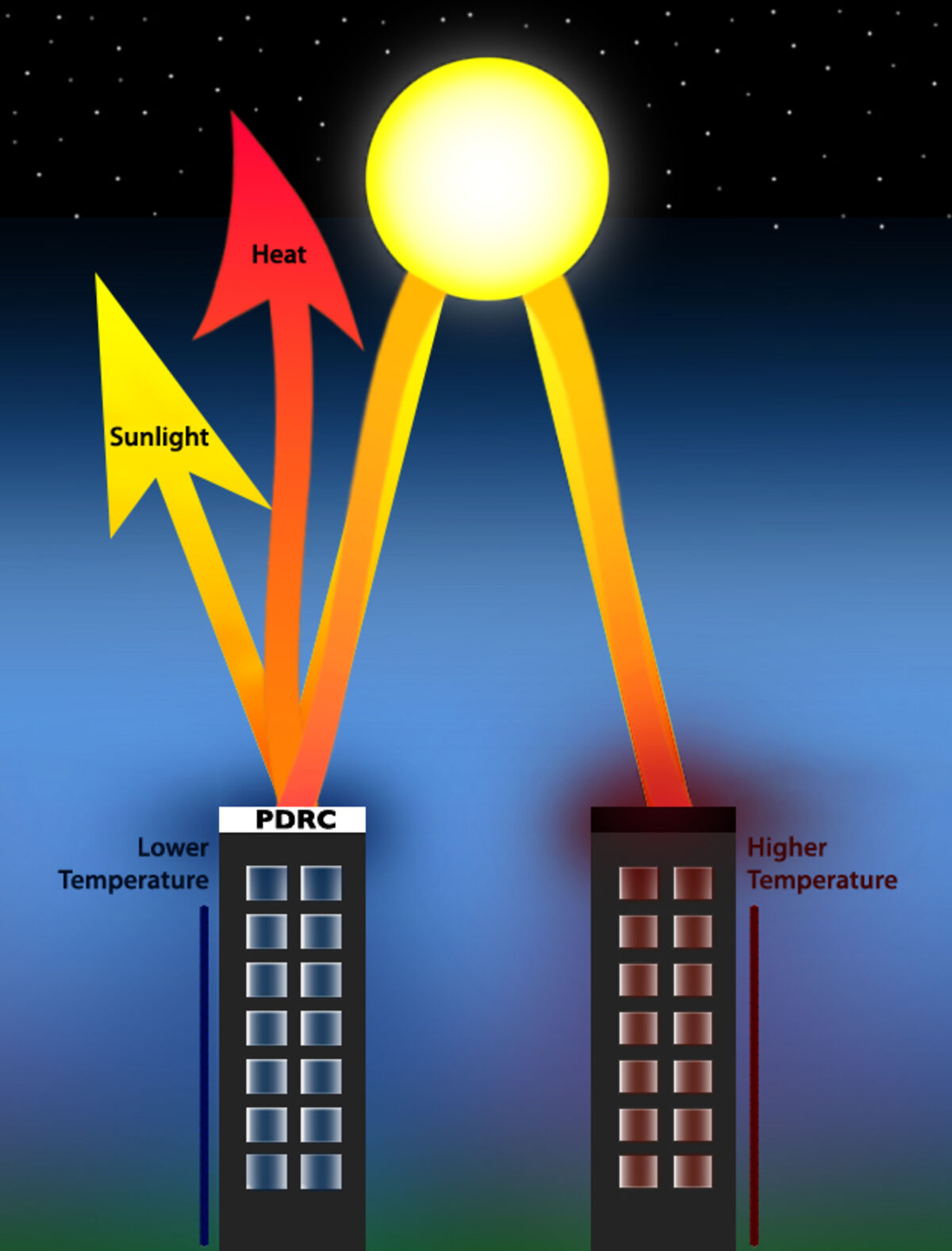
"Parking for Sun" is the habit, named by early adopters, of choosing parking spots for sunlight instead of shade. If the car generates more energy sitting in the sun than a short commute uses, the battery gauge can actually go up over the course of a week, and that changes how you park.
Normally, when you pull into a grocery store or office parking lot, you look for shade, right? You want to park under a tree so your steering wheel isn't lava when you get back. With a solar EV, shade is the enemy.
- You seek out the hottest, most exposed spots in the parking lot.
- When parking near tall buildings, you start checking the angle of the sun and calculating where the shadow will fall in two hours.
- A cloudy day starts to feel like losing out on "free money."
It is a complete psychological shift. Your car is no longer just a mode of transport; it becomes a mobile, money-generating asset.
What Are the Downsides of a Solar EV?
The limitations are real if you don't fit the specific demographic this car is built for.
The Covered Parking Problem If you live in an apartment complex with an underground parking garage, or if your office forces you to park in a covered structure, the core value proposition of a solar EV instantly vanishes. You are essentially paying a premium for solar panels that sit in the dark.
Extreme Climates and Winter Summer sun is the best case. If you live in a region with long, overcast winters (like Seattle or London), your daily solar yield will plummet drastically. You will still have to plug it in.
Design Compromises To achieve the extreme aerodynamic efficiency required to make solar charging viable, these cars can look... weird. They are teardrop-shaped, sometimes missing rear windows, and can have tight interiors to keep weight down. If you need a massive 7-seater SUV for carpooling, a true solar EV is not going to work for you yet.
Is the Solar EV the Future of Driving?
For a specific kind of driver, I think it already feels like it. Going back to a standard EV that has to be plugged in can feel like a step backward, like going from a smartphone back to a rotary dial.
For a suburban commuter with a short daily drive and access to uncovered parking, a Solar EV can feel like magic. It is the ultimate "set it and forget it" machine. No gas station visits, no remembering to plug it in at night. You just drive, and the sun picks up the tab.
In 2026, the charging infrastructure debate is still raging, but for a growing segment of drivers, the solution was simply looking up.