Running a DePIN Node: The Reality of Decentralized Infrastructure in 2026
- Technology, Review, Business & Marketing
- Exienent
- · Updated
Running a DePIN node in 2026 is simple to set up, but it is not a reliable income stream: earnings depend on local network demand and volatile token prices, and recovering the hardware cost can take a long time. The stronger case for DePIN is what it builds—crowdsourced, locally owned infrastructure—rather than what it pays.
DePIN stands for Decentralized Physical Infrastructure Networks, and it is arguably one of the most heavily hyped tech trends of 2026. The pitch is seductive: buy a small piece of hardware, plug it in at home, help build a global decentralized network (like telecommunications or cloud storage), and earn passive income in the form of tokens while you sleep. Here is what that pitch looks like once you separate it from the hype.
What does it take to start running a DePIN node?
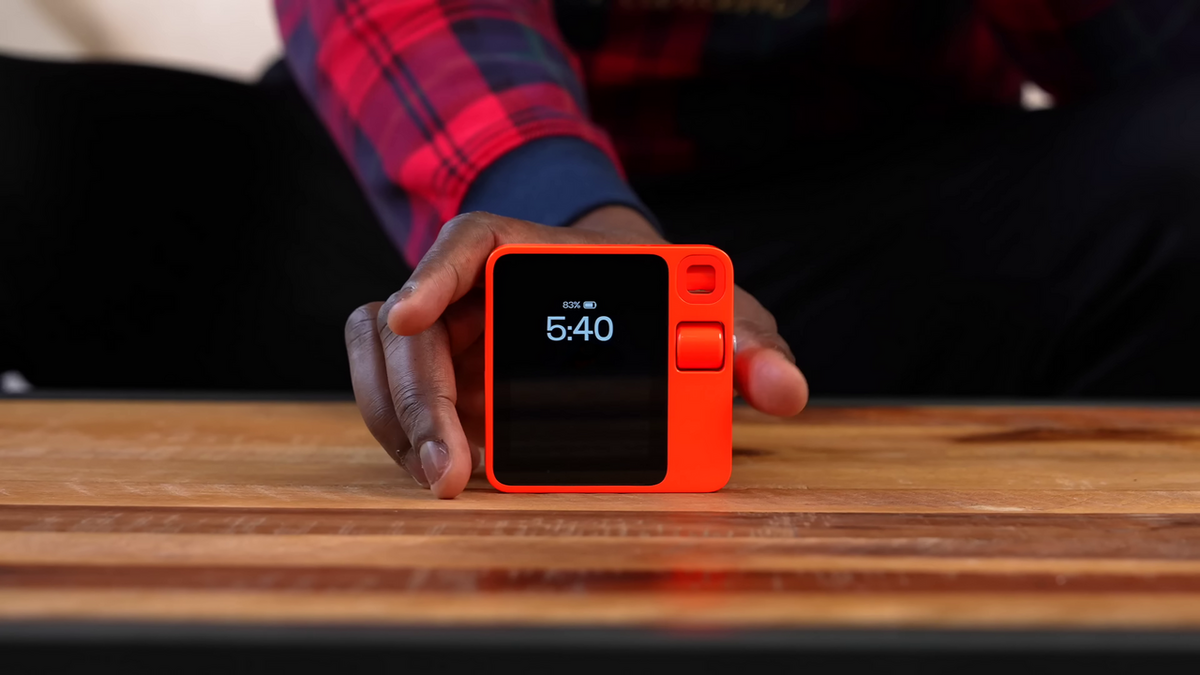
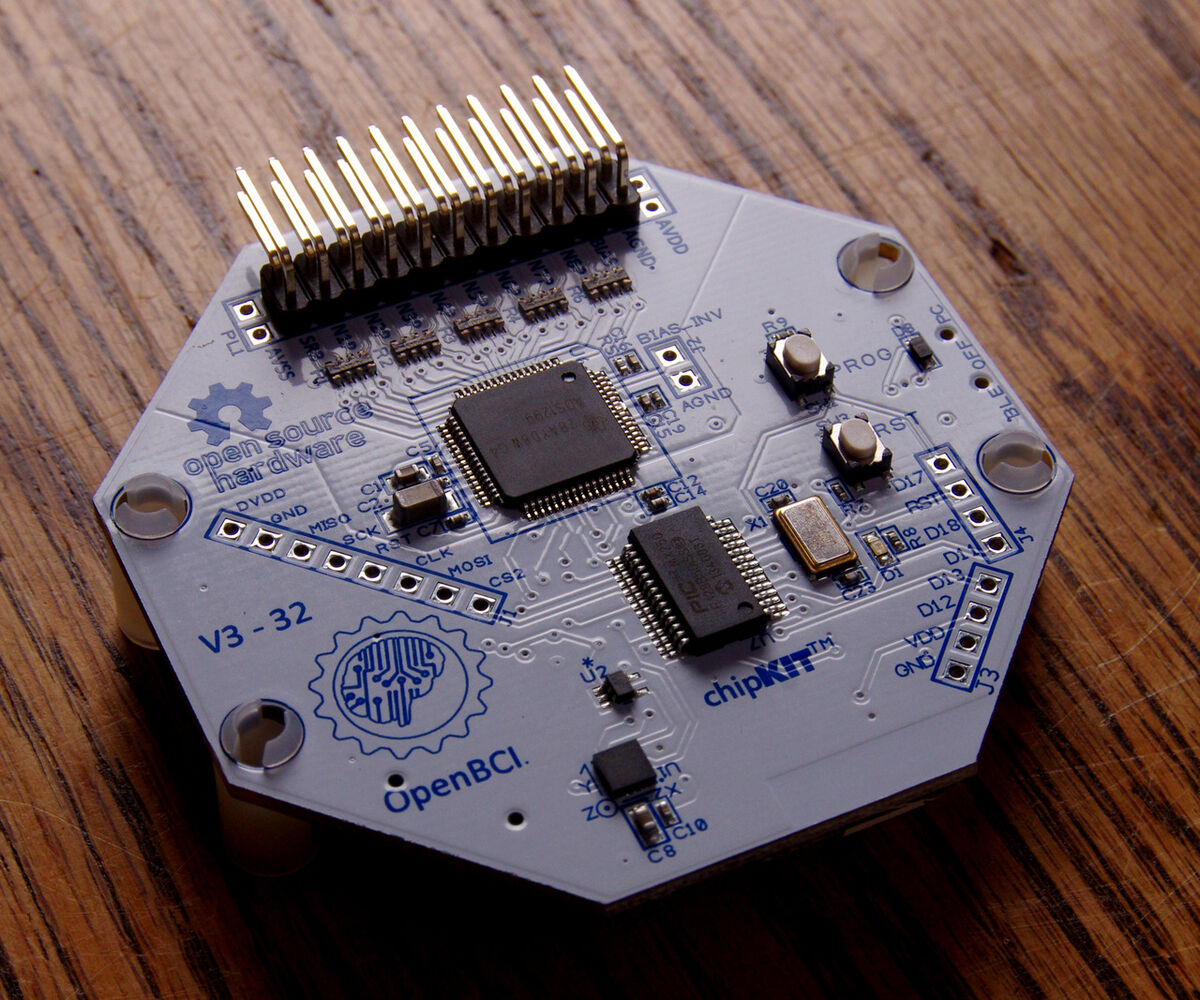
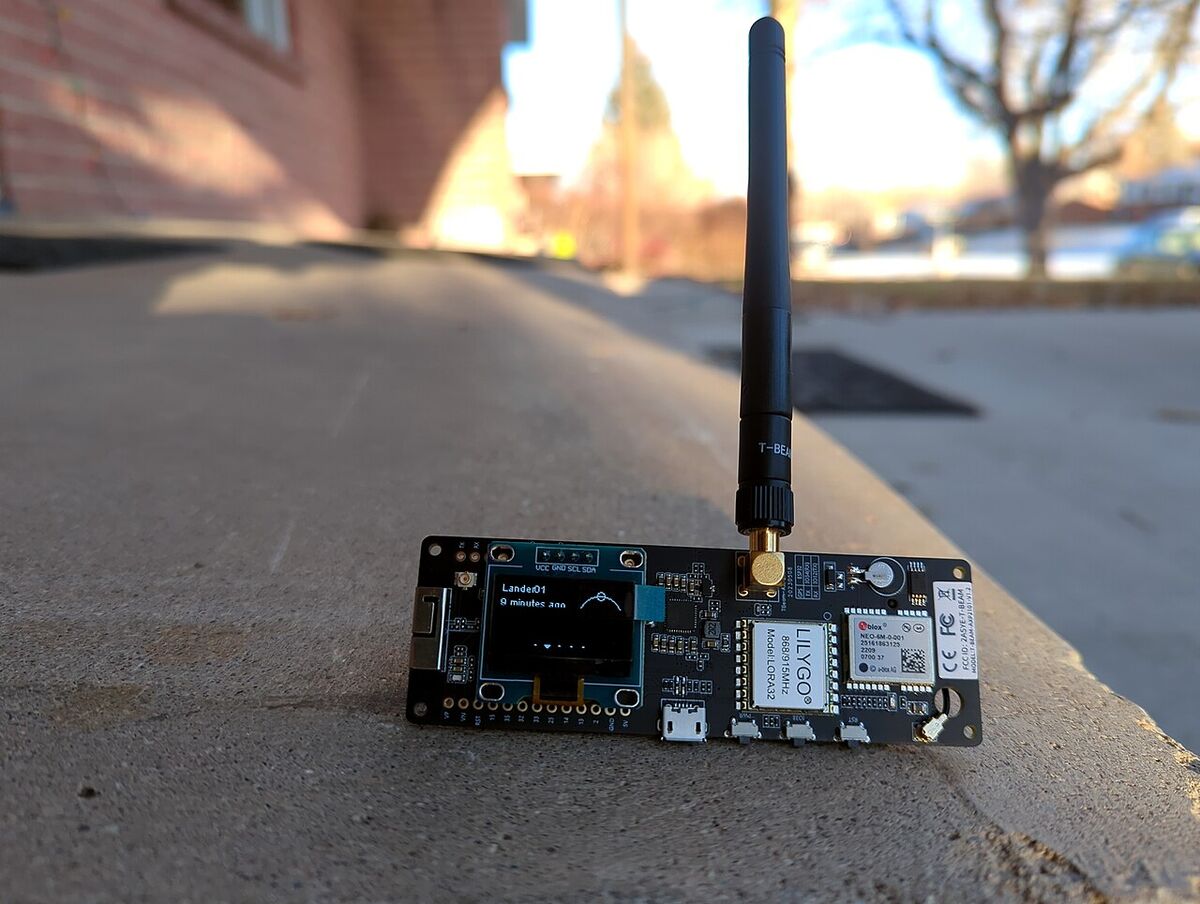
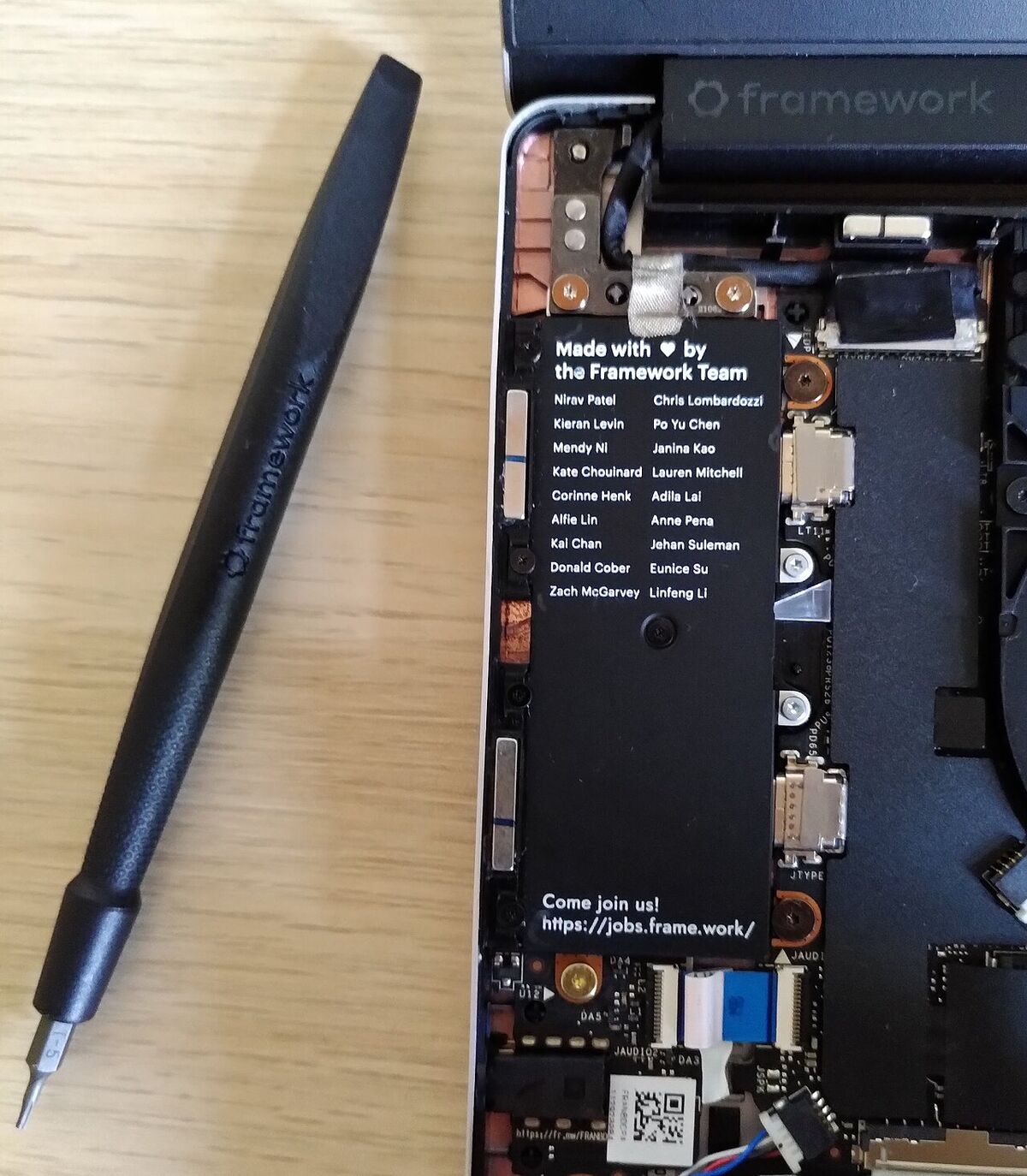
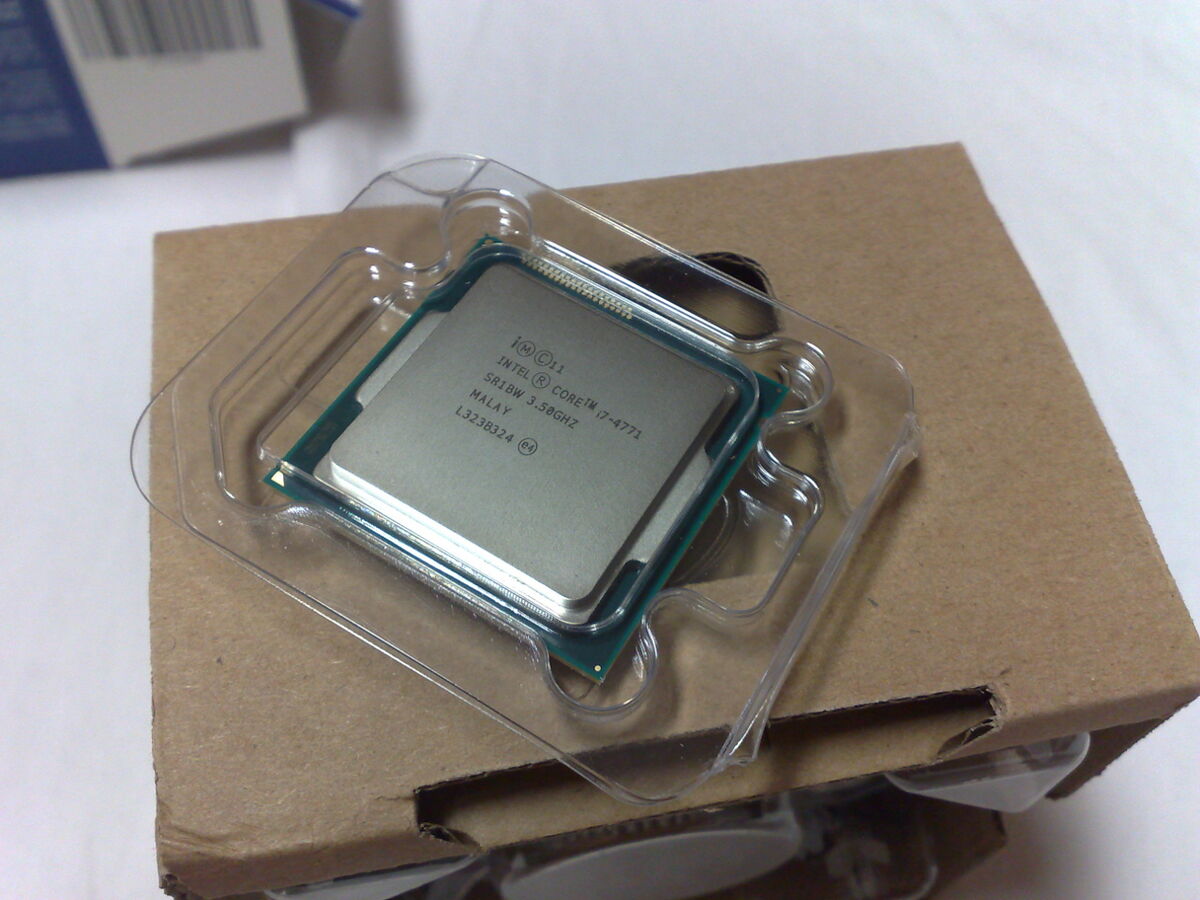
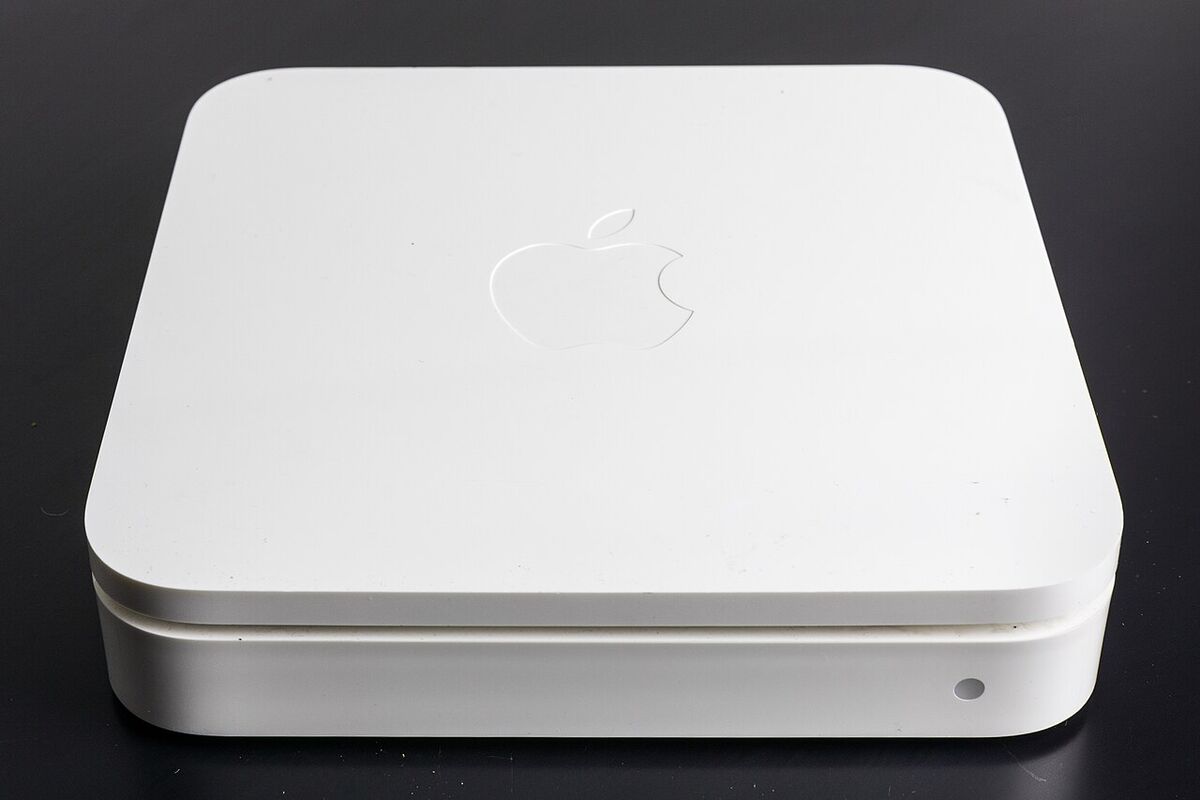
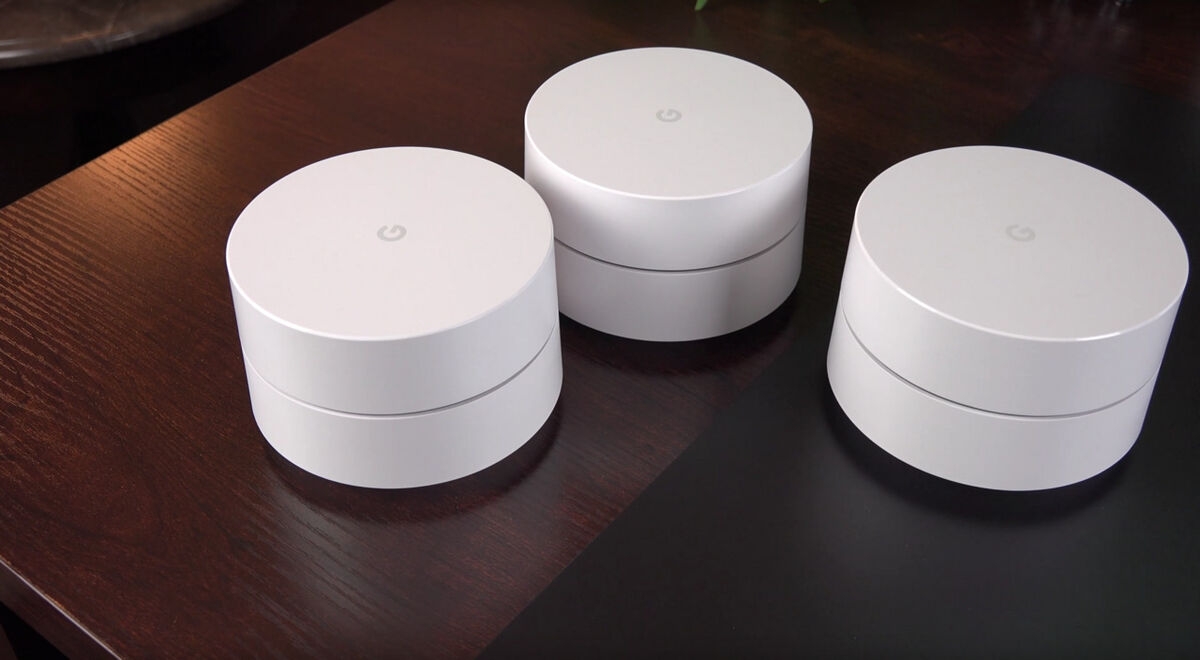
Starting a DePIN node takes physical hardware and an upfront purchase, because DePIN is not purely a software play. A common entry point is a decentralized wireless network project, where you buy a dedicated router node and host it in your home.
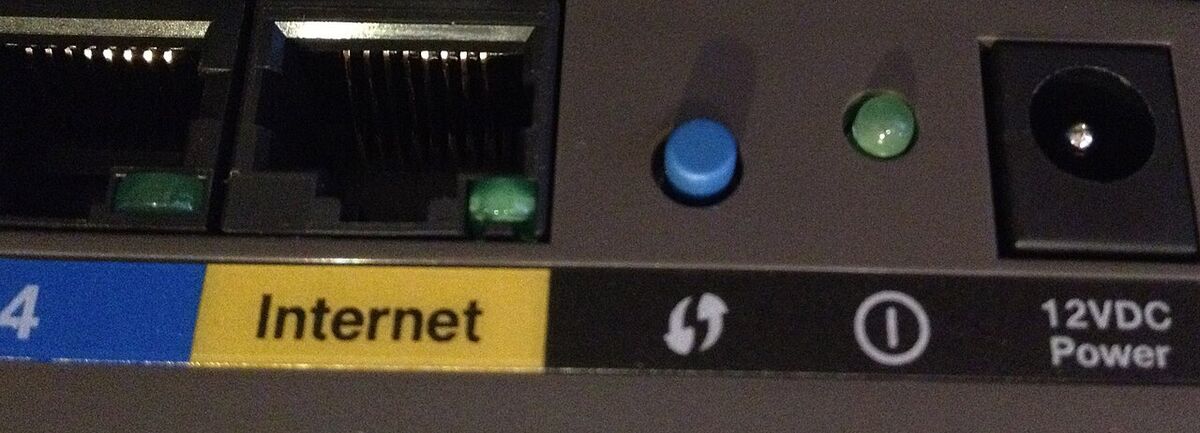
Setup can be straightforward. Gone are the days of needing a degree in computer science to participate in decentralized networks. A typical flow is to plug the node into a wall outlet, connect it to your existing home Wi-Fi through a mobile app, and wait for a status light to show it is live. From then on, the node broadcasts a secure wireless signal for nearby IoT devices and earns tokens for providing that coverage.
How much passive income can a DePIN node earn?
A DePIN node's income is highly variable and cannot be predicted in advance. The app dashboard can start ticking up right away: each time a device authenticates and uses a tiny amount of data through your node, you earn a fraction of a token. It is easy to get absorbed in watching the counter and projecting monthly totals, but those projections are unreliable.
Earnings depend on two factors:
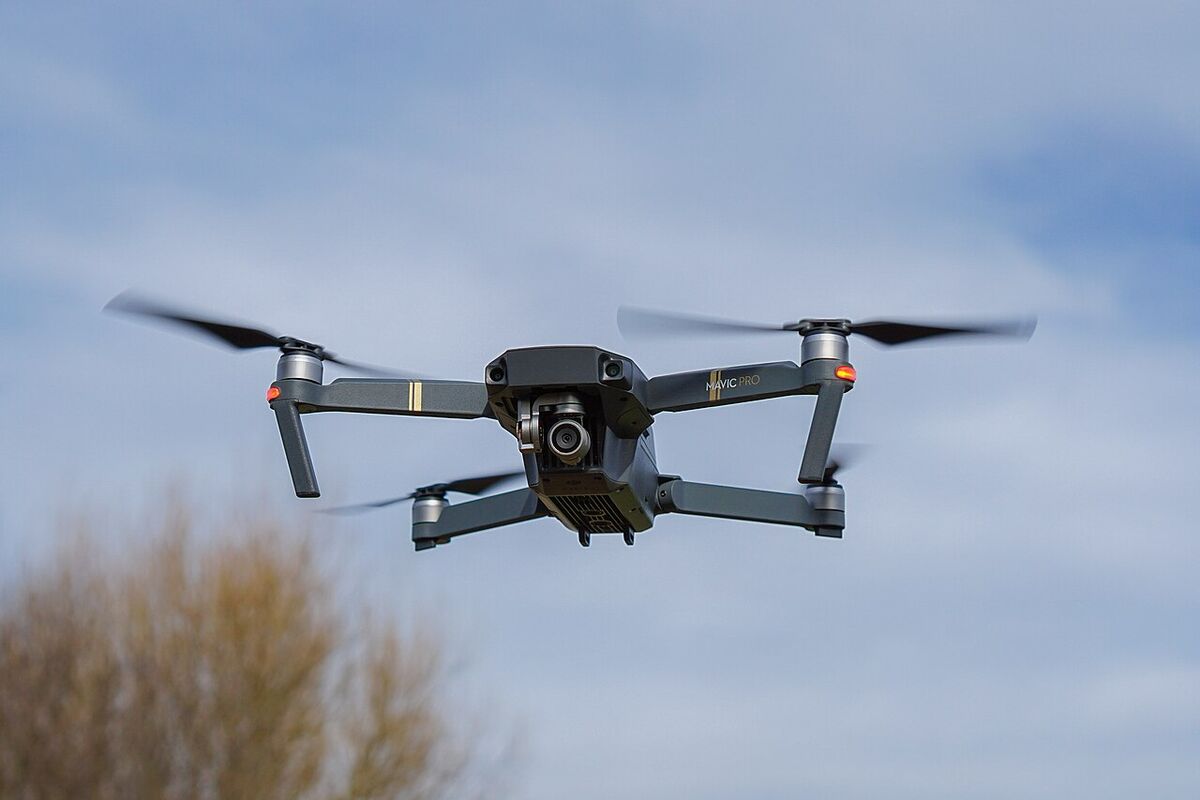
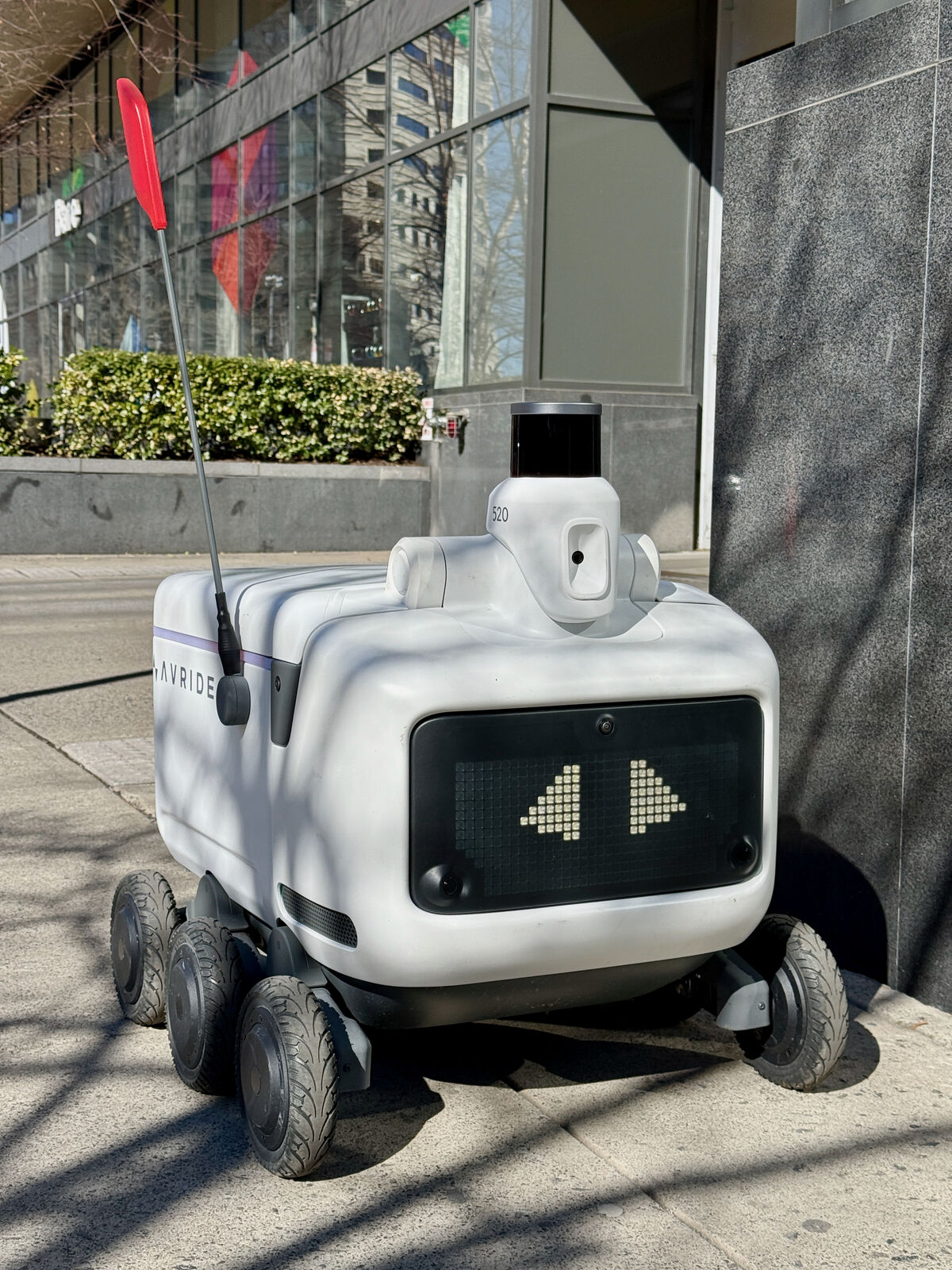
- Network Utility: Are actual people and devices using the network you are supporting? A node in a dense urban area with lots of IoT devices (like smart scooters, delivery drones, or environmental sensors) may see heavier traffic and earn more, while a node in a quieter suburb may see steady but modest traffic.
- Token Volatility: You are usually paid in the network's native cryptocurrency, not cash. Token values can swing noticeably even within a single month, so your "passive income" is inherently tied to the whims of the crypto market.
Because of both factors, breaking even on the hardware can take many months, or may not happen at all. It is not a get-rich-quick scheme, and nothing here should be read as financial advice—treat any node purchase as money you can afford to lose.
What is the real value of DePIN beyond the hype?
The real value of DePIN is a different way of building infrastructure, not the payouts.
Traditionally, if a massive telecom company wanted to build a new wireless network, they would have to spend billions of dollars buying land, erecting massive cell towers, and hiring technicians. It's a slow, centralized, and incredibly expensive process.
DePIN flips that entirely on its head. By incentivizing everyday people to host small nodes in their homes, these networks are crowdsourcing the physical build-out. It's the Airbnb model applied to telecommunications and cloud computing. The network can scale quickly, and the capital expenditure is distributed among thousands of individuals rather than a single corporation.
A mesh design also adds resilience. Local devices such as smart city sensors can keep communicating through the decentralized mesh even when an individual home's internet connection goes down. In that sense, node hosts are not just earning small amounts of tokens; they are contributing to a more resilient, locally owned internet backbone.
Is running a DePIN node worth it in 2026?
Running a DePIN node is worth it mainly for enthusiasts who value the network itself, not for people seeking to replace a salary. The hardware costs are real, and the token payouts require patience and a tolerance for market volatility.
If you are a tech enthusiast who wants to support a decentralized way of building global infrastructure—and you don't mind possibly earning a little crypto along the way—setting up a DePIN node can be a fascinating and rewarding experience.
As we move deeper into 2026, I believe this crowdsourced model of infrastructure is here to stay. It's no longer just a crypto buzzword; it's quietly blinking away in living rooms around the world, building the next generation of the internet from the ground up.