The 2026 Robot Vacuum Reality Check: Can It Finally Replace Your Upright Cleaner?
- Smart Home, Review
- Exienent
- · Updated
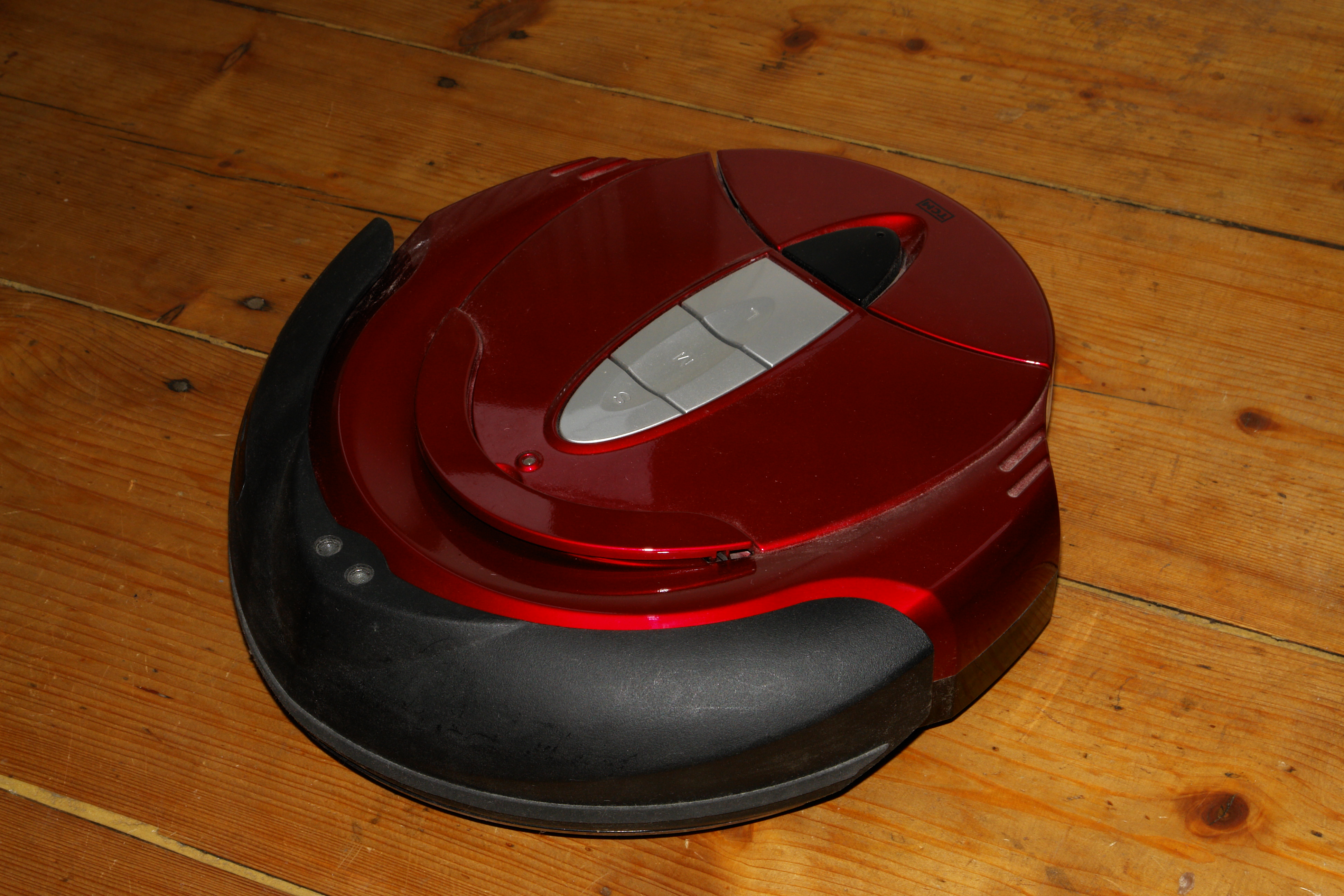
Yes—in a single-floor home, a high-end 2026 robot vacuum can realistically replace a traditional upright cleaner. On-device vision AI now recognizes cables, socks and pet messes, and self-cleaning base stations handle emptying, mop washing and even water refills. Stairs, the sharpest carpet corners and camera privacy remain the main caveats.
For years, robot vacuums felt like a supplementary gadget. They were cute and did a decent job picking up surface dust, but you still needed a "real" vacuum for deep cleans, corners, and the inevitable moments when the little disc got tangled in a charging cable or wedged under the sofa.
This year, something shifted. The tech industry has been buzzing about physical AI and advanced robotics, and the consumer versions of these technologies have finally hit the mainstream market. The 2026 generation of robot cleaners isn't just about spinning brushes anymore; it's about localized AI and environmental awareness.
What Actually Makes the 2026 Models Different?
The core difference is that 2026 models understand their surroundings instead of bumping into walls until the room is clean. If you haven't looked at robot vacuums since 2022 or 2023, you might be surprised by how much the technology has evolved.
- Real-Time Object Recognition: The biggest game-changer is the integration of on-device vision AI. Older models used basic sensors to detect large obstacles. The new ones use built-in cameras processed by local neural networks to actually understand what they are looking at.
- The Cable and Pet Mess Solution: A high-end model can identify a loose USB-C cable, a stray sock, or a dog mess on the floor. It doesn't just avoid them; it navigates around them cleanly and can send a picture of the obstacle to your phone, asking if you want it to clean that spot later once the object is moved.
- Dynamic Suction Adjustments: Instead of just ramping up power on carpets, the bot analyzes the type of debris. It recognizes heavy dirt versus light dust and adjusts its suction and brush speed on the fly, saving battery life while maximizing cleaning efficiency.
How Do Self-Cleaning Docks Reduce Maintenance?
Self-cleaning base stations remove most of the maintenance that made older robot vacuums annoying. Emptying a tiny dustbin every other day and manually cutting hair out of the roller was often more hassle than just vacuuming yourself.
The self-cleaning base stations have finally perfected the hands-off experience.
- Hot Water Mopping: The base station doesn't just empty the dust. It washes the mop pads with hot water and automatically dries them with hot air to prevent mildew smells.
- Auto-Refill and Drain: You can now hook the base station directly into your home's plumbing. It automatically drains dirty water and refills the clean water tank. With this setup, routine maintenance can shrink to an occasional wipe of the base station tray, making the system feel close to fully autonomous.
Where Do Robot Vacuums Still Struggle?
Robot vacuums still have a few weak spots, though they are becoming increasingly rare.
- Stairs: Yes, we are seeing prototypes of stair-climbing robots, but the consumer models on the market right now still can't handle them. If you live in a multi-story house, you still need to carry the robot upstairs or buy a second unit.
- Deep Carpet Corners: While the edge-cleaning technology has improved drastically with extending side arms, the absolute sharpest corners of thick carpets can still accumulate a bit of dust over time that the round chassis just can't reach effectively.
- Privacy Concerns: These devices have cameras driving around your house. While companies swear the image processing is done entirely on-device and nothing is sent to the cloud without permission, it still requires a leap of faith to have a rolling camera in your living room.
Is a 2026 Robot Vacuum Worth It?
If you value your time and despise chores, a top-tier model is worth considering this year. A good way to judge any robot is to run an upright vacuum over the rug and bedroom after a few weeks of robot-only cleaning: a well-performing 2026 model should leave very little behind.
In my view, the 2026 generation of robot vacuums has crossed the threshold from "convenient gadget" to "essential home appliance." By leveraging physical AI for navigation and fully automating the maintenance process, they come close to delivering on the promise made a decade ago: a clean house with almost no physical effort.
If you live on a single floor and are comfortable with an on-device camera, the upright vacuum may finally be the one heading for the closet—or a resale listing.