Samsung Galaxy Ring Review: Is It Actually Better Than a Smartwatch?
- Gadgets, Health Tech, Review
- Exienent
- · Updated
The Samsung Galaxy Ring is a screenless titanium smart ring built for passive health and sleep tracking, with all the data living in the Samsung Health app. It is not a smartwatch replacement if you rely on wrist notifications, cellular calls, or athletic pacing—but if you hate wearing a watch to bed and want discreet, continuous health data, it is a compelling alternative.
What Is the Samsung Galaxy Ring?
The Galaxy Ring is Samsung's first smart ring, teased earlier this year to a lot of buzz in the tech world. Smart rings aren't entirely new—Oura has been holding down the fort for years—but having a tech giant like Samsung enter the arena changes the category.
The main question is simple: does this tiny, screenless piece of titanium do enough to justify the hype, or is it just another expensive accessory? The sections below break down the design, the tracking features, battery life, and who it actually suits.
How Does the Galaxy Ring's Design Feel?
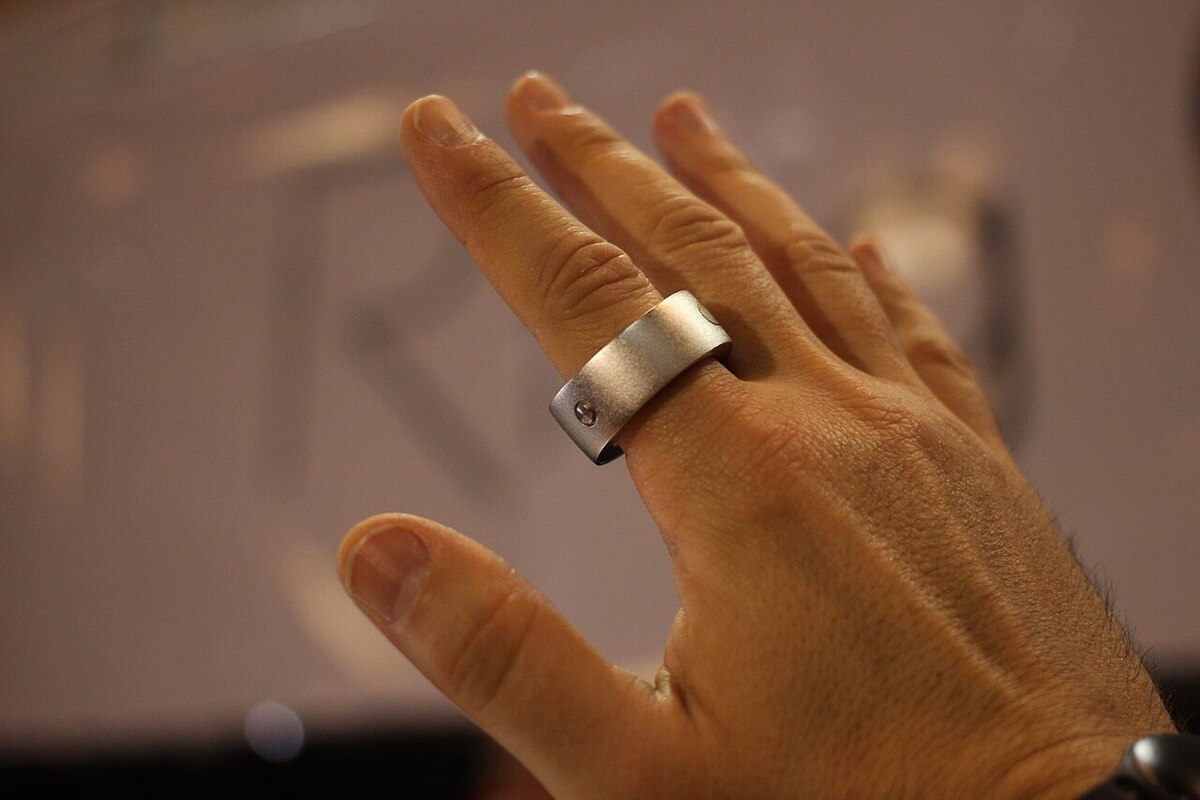
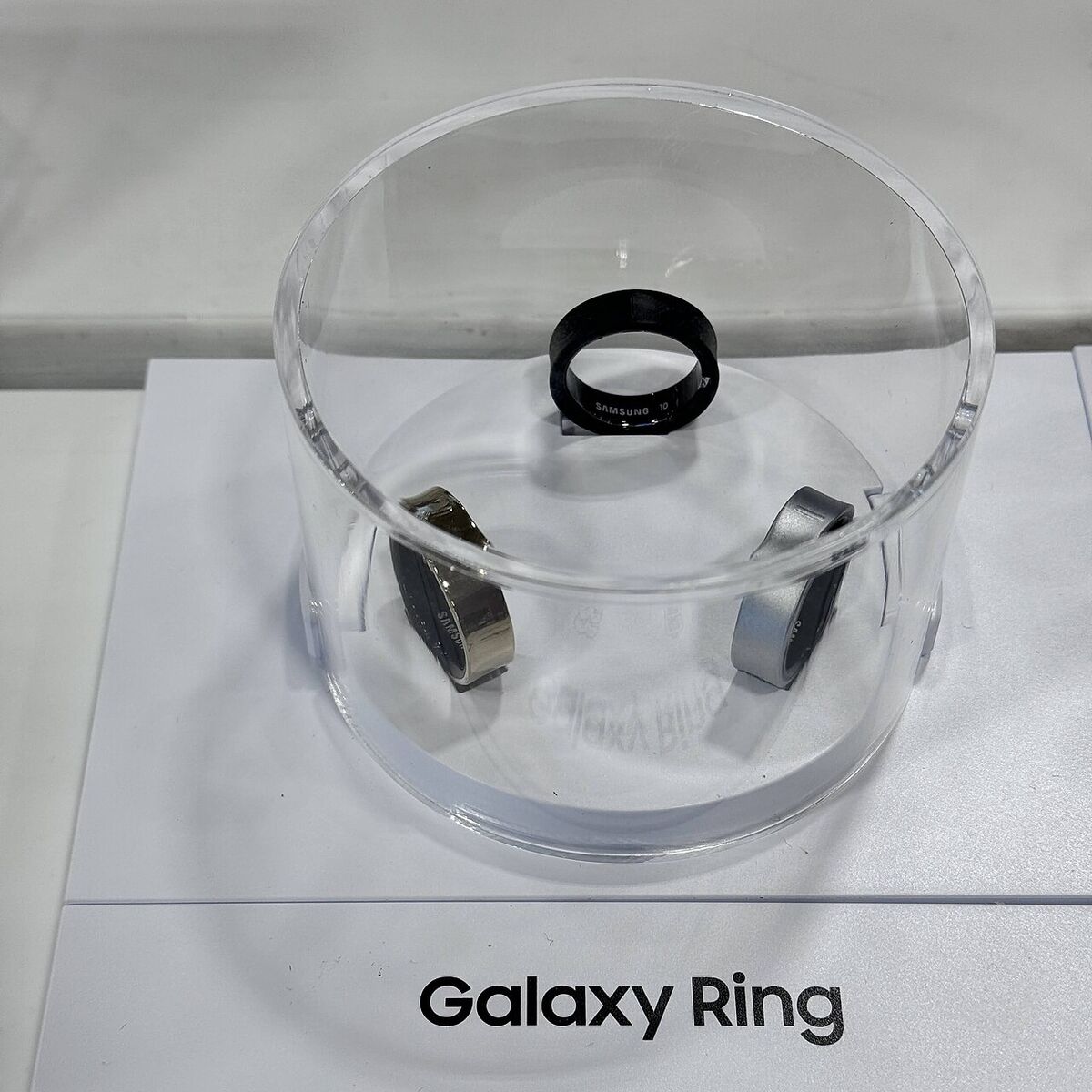
The Galaxy Ring is incredibly light, and that is the first thing you notice when unboxing it. The titanium black finish looks like a premium, minimalist piece of jewelry. Unlike a bulky smartwatch that catches on sleeves and begs for attention with constant vibrations, the Galaxy Ring just... vanishes into the background. It is easy to forget you are wearing a piece of health-tracking technology at all.
- Comfort During Sleep: This is the game-changer. A heavy watch face sliding around the wrist can make wearing a smartwatch to bed annoying. The Galaxy Ring is unobtrusive enough that wearing it every night is realistic, which means fewer gaps in sleep data.
- Durability: The titanium build is designed to be worn while lifting weights, washing dishes, and showering. Expect the possibility of minor micro-scratches on the bottom over time.
What Can the Galaxy Ring Track Without a Screen?
Because there is no screen to tap, swipe, or stare at, you are forced to change how you interact with your health data. Instead of obsessively checking your step count every hour, you live your life and check the Samsung Health app at your convenience.
Sleep Tracking
In my view, sleep tracking is the Galaxy Ring's strongest feature. Because it sits snugly on your finger, the sensors keep consistent contact with your skin.
It breaks down your REM, light, and deep sleep cycles. The standout is the Energy Score: every morning, Samsung Health gives you a score out of 100 based on your sleep quality, overnight heart rate variability, and previous day's activity. A low score can be a useful nudge to take it easier that day, though it is a wellness indicator, not a medical assessment.
Passive Activity Tracking
If you are training for an Ironman triathlon, you still need a dedicated GPS watch. The Galaxy Ring is designed for passive health monitoring. It automatically detects when you go for a brisk walk or start a run, and it continuously monitors your heart rate and skin temperature in the background. It doesn't scream at you to stand up; it quietly gathers the data and presents a holistic view of your well-being.
How Long Does the Galaxy Ring Battery Last?
The Galaxy Ring can run for several days on a single charge, which addresses the biggest pain point of modern wearables: charging. With a smartwatch, forgetting to charge it during a shower can mean it dies halfway through the next day. The ring removes much of that battery anxiety.
- Days of Power: Battery life can stretch across several days between charges, so the ring doesn't need a nightly top-up.
- The Charging Case: Samsung adopted the wireless earbuds model. The Ring comes with a sleek, transparent charging case that holds multiple extra charges. Toss the case in your bag, and you may go a long time without hunting for a wall outlet.
Who Is the Galaxy Ring Actually For?
The Galaxy Ring is for people who want health and sleep data without a screen on their wrist.
The Samsung Galaxy Ring is not a smartwatch replacement if you rely on wrist notifications, cellular calls, or hardcore athletic pacing. However, if you are experiencing "screen fatigue," if you hate wearing a watch to bed, or if you simply want a beautiful, discreet wearable that provides continuous health and sleep data, this is the device you've been waiting for.
I think it is more than a gadget: it folds health tracking into daily life so seamlessly that it is easy to keep wearing it.