Wearing Your Health on Your Sleeve: What a 30-Day CGM Experiment Can Reveal in 2026
- Health Tech, Wearables
- Exienent
- · Updated
For a relatively healthy adult, a Continuous Glucose Monitor (CGM) is most useful as a 30-day metabolic audit, not a permanent gadget. A month of data can show how your meals, movement, and sleep affect your blood sugar, but constant tracking also carries a real risk of information overload.
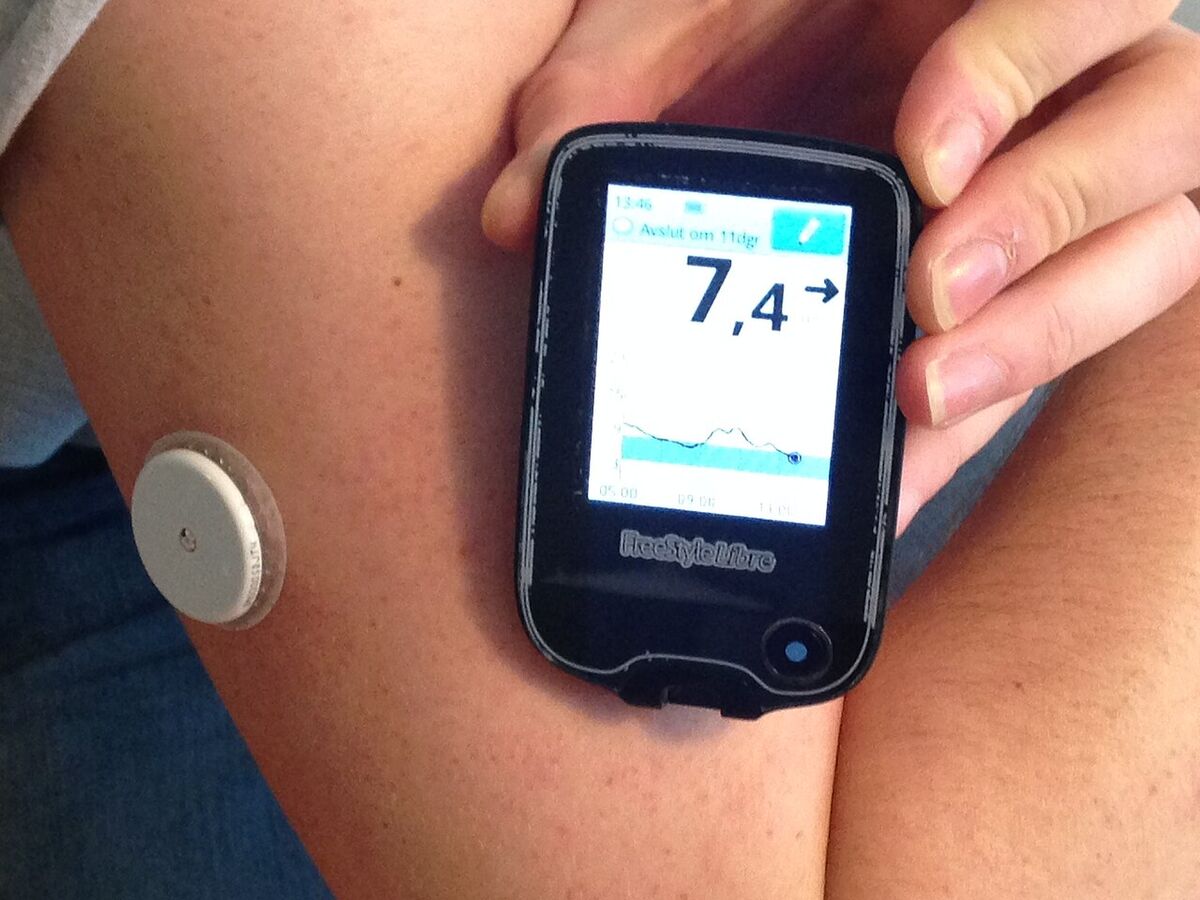
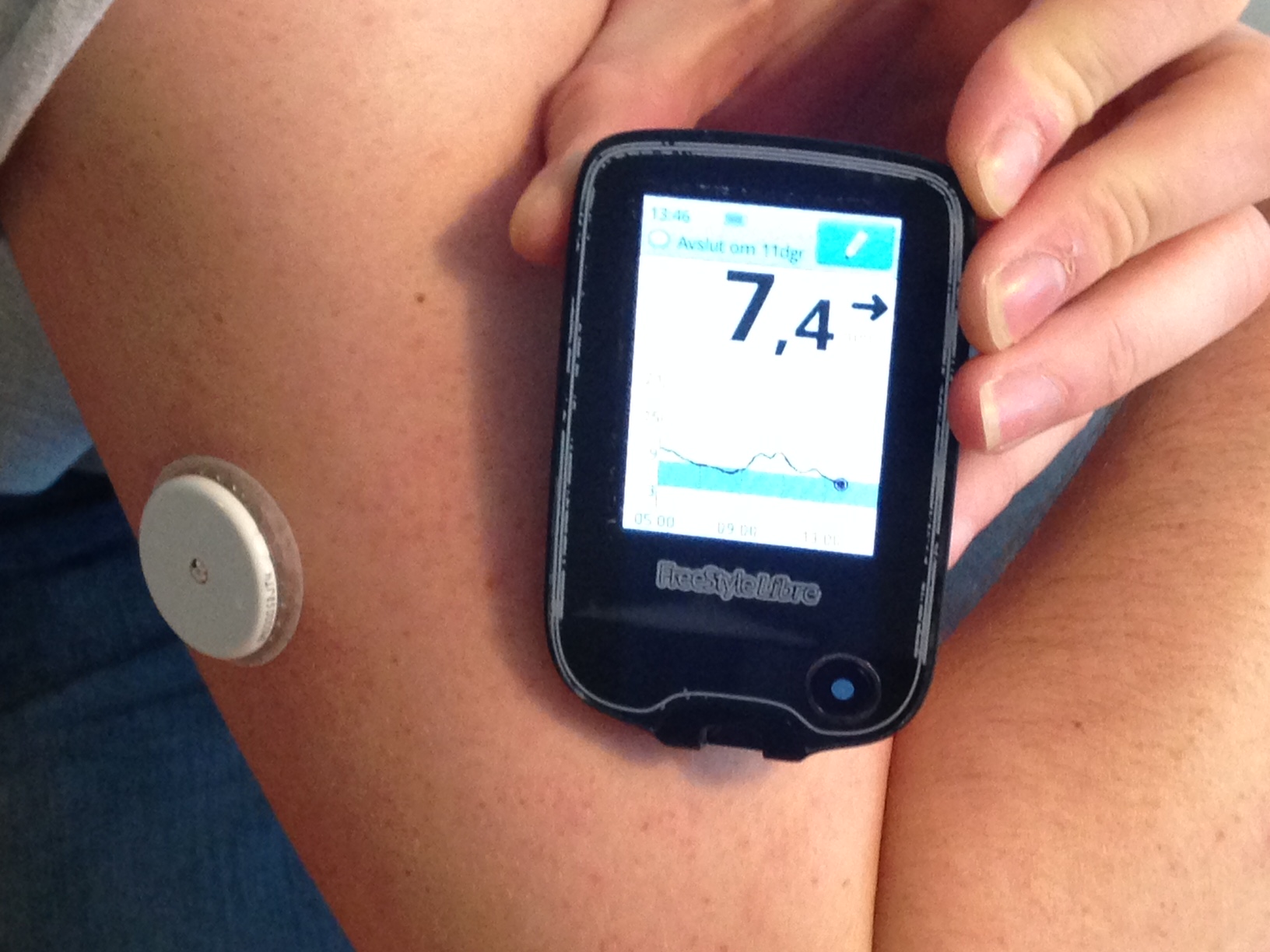
A few years ago, if you saw someone with a small white patch stuck to the back of their arm, you safely assumed they were managing diabetes. In 2026, CGMs have become a popular wearable for fitness enthusiasts, biohackers, and anyone focused on optimizing their daily energy levels.
The transition from "reactive medical device" to "proactive wellness gadget" has been rapid. That raises a fair question: does a healthy person with no underlying blood sugar issues actually need 24/7 access to their metabolic data, or is this the tech industry manufacturing another metric to obsess over? The sections below look at what a month with a mainstream, over-the-counter CGM and an AI-driven health app can involve.
Does Applying a CGM Sensor Hurt?
It may not hurt much, even though the idea of a small filament going under your skin is intimidating. Modern applicators are well designed: you push a plastic stamp against your arm, hear a loud click, and it's done. It can feel less noticeable than a standard flu shot.
Once applied, the patch is waterproof, sweatproof, and easy to forget. You go about your day while it beams your blood sugar levels to your smartphone every few minutes via Bluetooth.
What Can CGM Data Reveal About Your Diet?
CGM data can expose hidden glucose spikes and crashes that may be linked to afternoon fatigue, even in people who consider themselves healthy eaters. A few patterns are worth watching for:
- Oatmeal May Not Be Your Friend: A bowl of plain oatmeal with berries is easy to assume is the ultimate healthy breakfast. For some bodies, though, a CGM may show a response closer to a can of soda: a large glucose spike followed by a crash later in the morning. Swapping in eggs and avocado is one way to test whether a flatter morning curve also means less mid-morning brain fog.
- The Power of Walking: One of the most actionable things a CGM can show is the immediate impact of light movement. After a heavy pasta dinner followed by the couch, blood sugar can stay elevated for hours. A short walk around the block right after the same meal may noticeably reduce the spike. It illustrates that when and how you move after eating can matter almost as much as what you eat.
- Stress and Sleep Matter Too: It isn't just about food. After a poor night of sleep, baseline glucose may run higher the next day, and foods you normally handle well may produce bigger rises. A CGM can make the link between sleep and metabolism visible in your own data.
How Does AI Turn CGM Data Into Coaching?
The software layer is what makes the 2026 generation of these devices different, because raw data is useless without context.
Companion apps can do more than show a squiggly line graph. Some use predictive AI to coach you. If you log a meal that has caused a spike before, the app may proactively send a notification along the lines of: "Looks like you just had sushi. Based on your past data, a short walk right now may help prevent your usual afternoon energy crash."
That shifts the technology from a passive monitor to an active participant in daily choices.
What Are the Downsides of Wearing a CGM?
The biggest downside is information overload. The insights can be useful, but wearing a CGM isn't entirely positive.
It is easy to start checking the app compulsively and to become overly restrictive, for example avoiding a piece of fruit just to avoid a red "spike" on the graph. Hyper-fixation on a single metric can feed disordered eating patterns (orthorexia), where a flat glucose line takes priority over nutritional balance and enjoying your life.
Slight glucose spikes after eating are a normal, healthy physiological response, not a moral failure. If tracking starts to feel stressful, that is a sign to step back.
Is a CGM Worth It for a Healthy Adult?
As a permanent fixture, probably not. Wearing one indefinitely brings a lot of mental overhead, and the sensors are still quite expensive.
As a 30-day metabolic audit, however, I think it can be one of the more valuable health experiments in 2026. It reduces the guesswork in your diet and adds personal, biological data on top of generalized nutritional advice.
A month can be enough to learn which foods seem to leave you crashing, which keep you energized, and how sleep and movement affect the way your body handles carbohydrates. The patch comes off, but the habits it prompts can last much longer. Anyone with a medical condition should discuss CGM data with a doctor rather than self-interpret it.