Neural Headbands in 2026: Can a Brainwave Wearable End Procrastination?
- Technology
- Exienent
- · Updated
Can a neural headband end procrastination? Not on its own, but it can make focus measurable. Consumer Neural Headbands in 2026 read your brainwaves through dry EEG sensors and use real-time audio feedback to flag the moment your attention drifts, which may help some people catch distractions sooner.
The classic productivity hacks are a double shot of espresso and turning off phone notifications. When those stop working, it is easy to sit down to work and end up thirty minutes deep into social media, with a brain that feels like a browser with too many tabs open. That is the problem this latest wave of consumer tech is aimed at.
These aren't the invasive implants you read about in sci-fi novels or the clinical EEG caps covered in gel. They are sleek, non-invasive bands worn across the forehead, designed to read brainwaves in real time and actively train you to focus. Here is how they work, what using one involves, and where the drawbacks lie.
How Does a Neural Headband Actually Work?
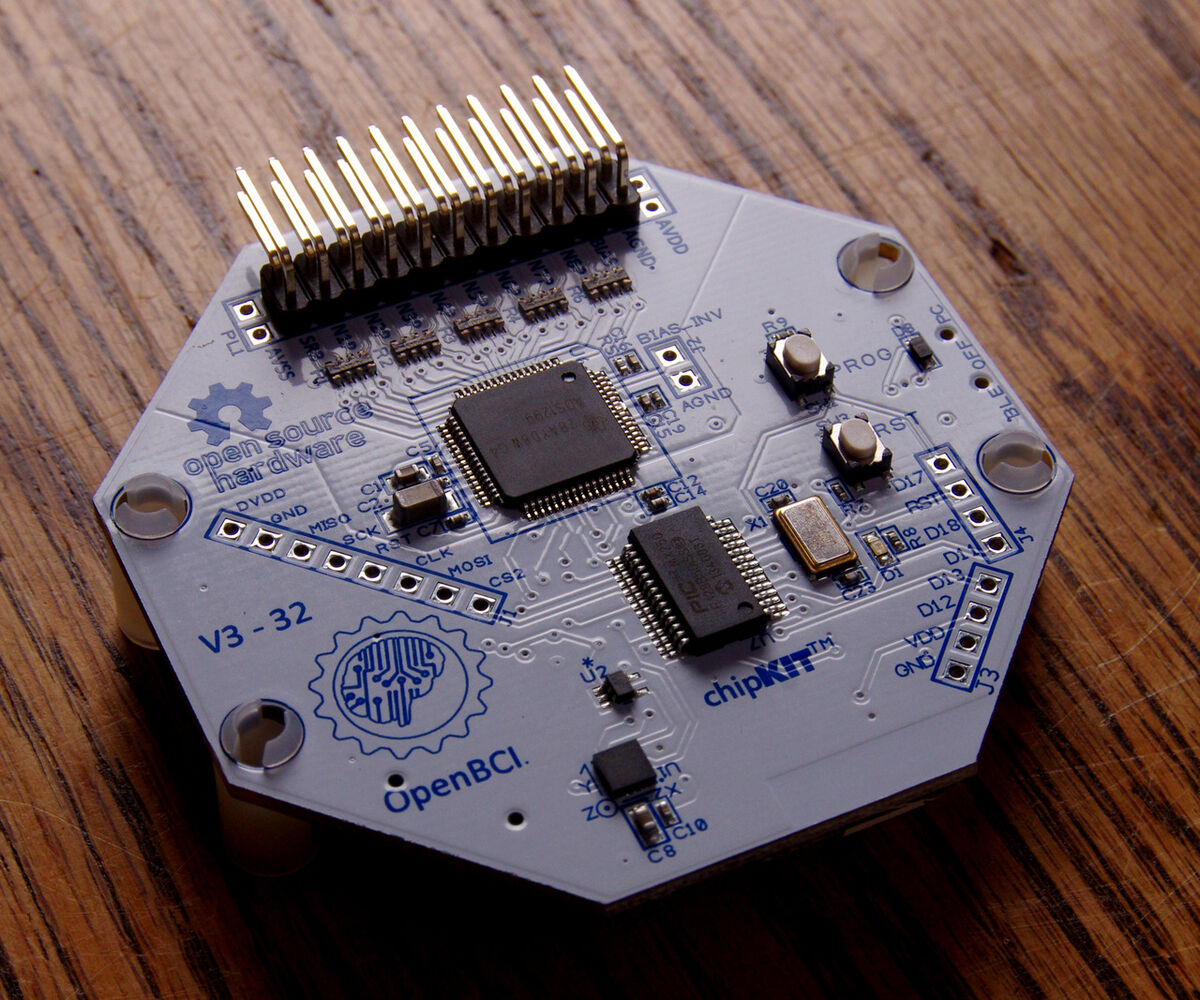
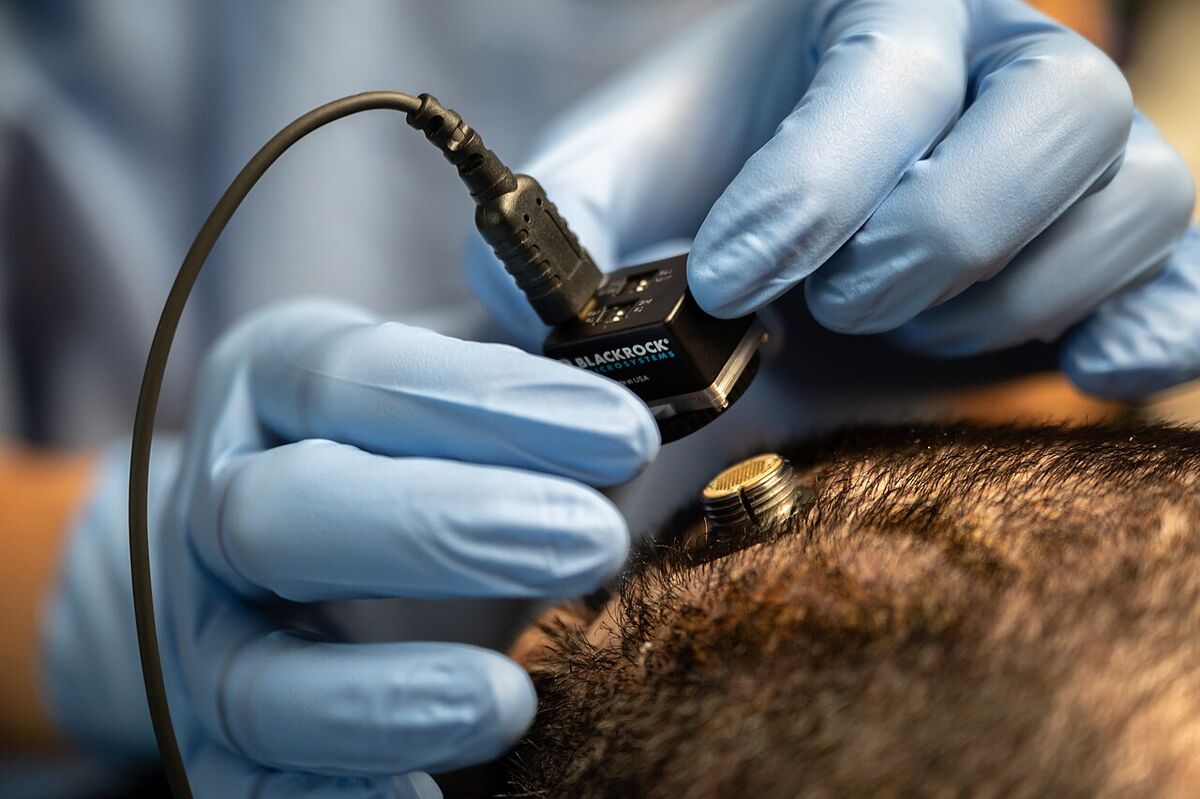
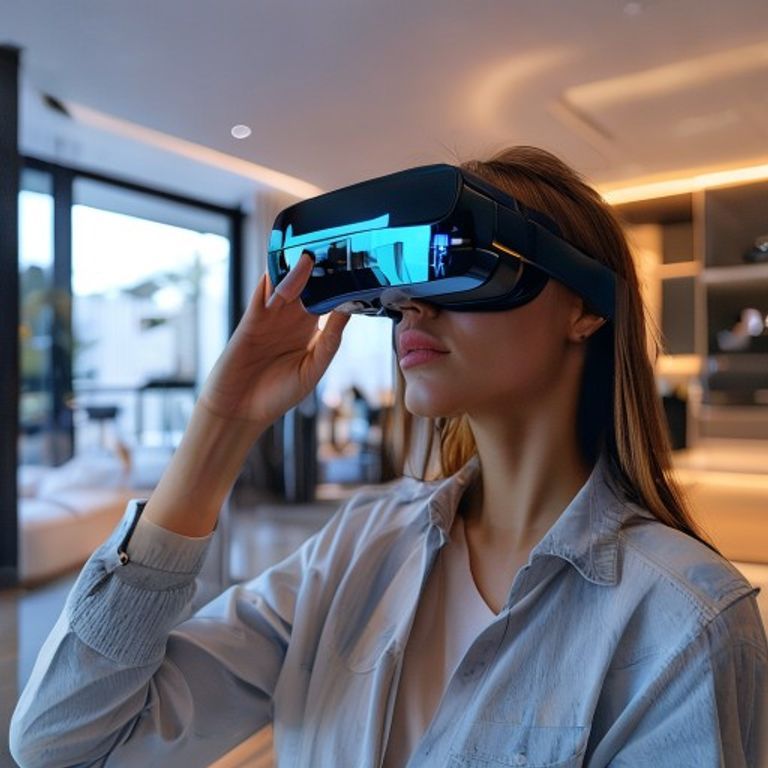
A neural headband measures the electrical activity of your brain and turns it into instant feedback. The device can look a bit like a futuristic sweatband. Inside, there are dry EEG (electroencephalogram) sensors that press gently against your forehead, and the band connects via Bluetooth to an app on your laptop or phone.
Instead of just tracking physical movement like a smartwatch, the headband tracks brain activity. It is looking for specific frequencies, like Beta waves (which indicate active thinking and focus) and Theta waves (which pop up when you are daydreaming or distracted).
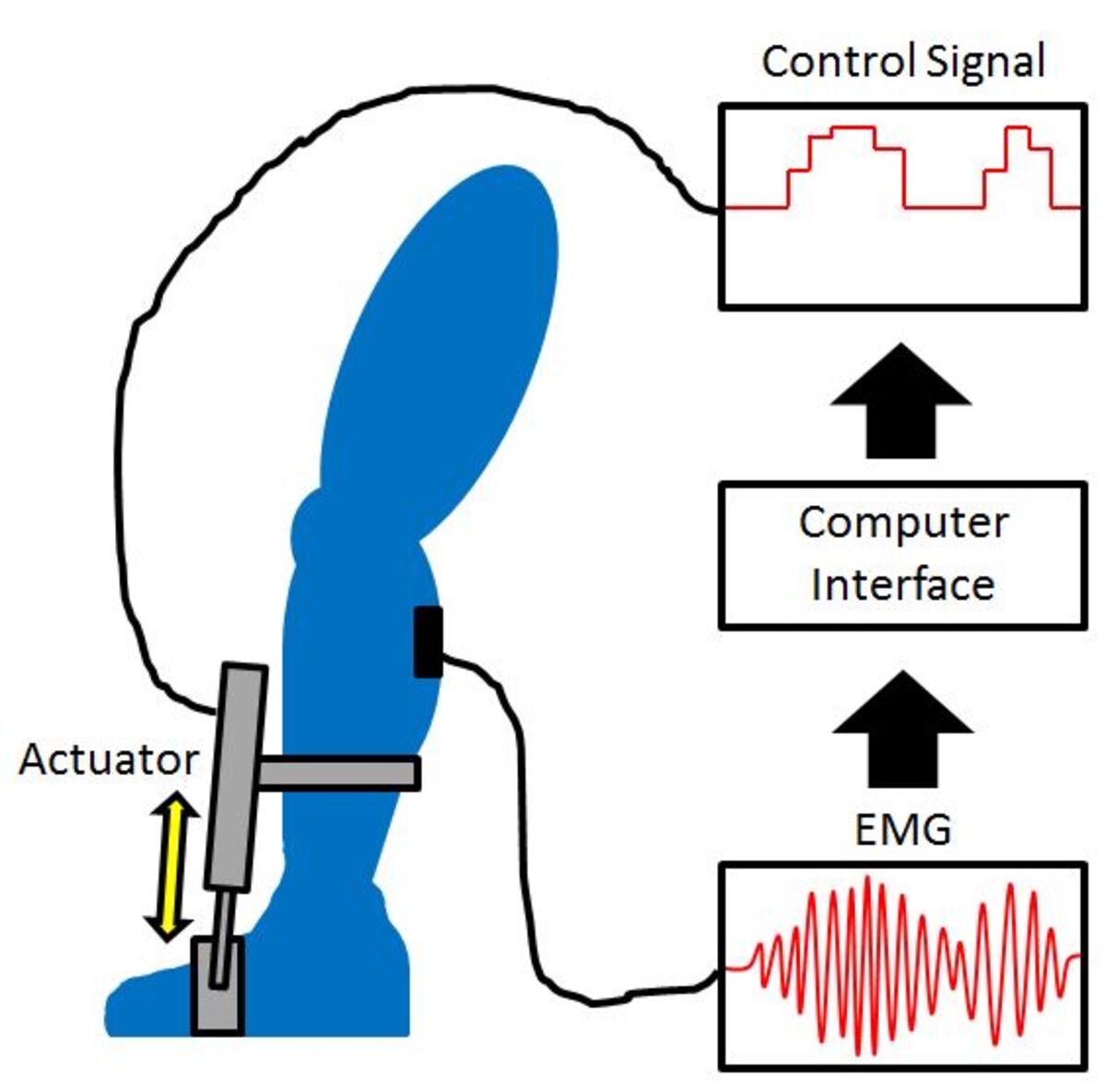
The magic happens in the real-time feedback loop.
What Is It Like to Use a Neural Headband at First?
Setup is simple, but the first sessions can be humbling.
A session might start with the headband on, a complex spreadsheet open, and the app's "Deep Work" mode running. The app plays ambient background music, and here is the catch: the volume and clarity of the music change based on your brainwaves.
When you are locked in and focused (high Beta waves), the music stays crystal clear and steady. The moment your mind starts to wander, thinking about lunch or feeling the urge to check email, the music grows quiet and muffled, like it is playing underwater.
That can be jarring. It can reveal that what felt like "focusing" was actually a fragmented mess of micro-distractions. The headband acts like a strict coach, calling you out the very second your attention slips.
Can a Neural Headband Train Your Focus?
It may, by turning focus into something you can practice. With regular use, focus can start to feel like a muscle you actively flex rather than a fleeting mood.
The app provides detailed analytics at the end of each session, showing what times of day your brain is sharpest and when you are most vulnerable to fatigue.
More importantly, the real-time audio feedback can train you to catch yourself before you completely lose focus. Instead of realizing you have been staring blankly at a screen for a long stretch, the dip in the audio can pull you back after a few seconds of daydreaming, which may make it easier to enter and stay in flow states.
Is a Neural Headband Worth It? The Pros and Cons
Wearing a neural headband is not without its drawbacks.
First, wearing a tight band around your head for hours can get uncomfortable, and you may need regular breaks to relieve the pressure on your forehead.
Second, there is a mental toll. Being intensely, actively focused is exhausting. Heavy-use days can be very productive yet leave your brain feeling drained by the end of the workday. You cannot operate at 100% capacity all day, and trying to force it with neurofeedback could lead to burnout. If you have persistent trouble concentrating, it is worth talking to a professional rather than relying on a gadget.
On the plus side, for tasks that require deep, uninterrupted thought, like coding, writing, or complex data analysis, I think a neural headband is one of the more interesting tools available.
If you struggle with procrastination or staying on task, 2026 is a reasonable year to try one. It takes the invisible concept of "focus" and turns it into a tangible, measurable metric. It doesn't do the work for you, but it pushes you to show up.