Ditching 2D Photos for 3D Gaussian Splatting: Is This the Future of Memories?
- Technology
- Exienent
- · Updated
3D Gaussian Splatting on a smartphone isn't ready to fully replace 2D photos, but in 2026 it is a remarkable way to preserve places and static scenes. Modern phones can compute photorealistic splats almost in real time; the trade-offs are poor handling of moving subjects, large files and awkward sharing.
The appeal is easy to understand. We all take thousands of photos on our smartphones every year, but how many of them actually capture the feeling of being in that moment? A 2D photograph is just a flat representation—a frozen slice of reality that misses the depth of a room or the spatial dynamics of a family gathering. Capturing memories with 3D Gaussian Splatting directly on a smartphone offers a completely different approach.
Here is what it is actually like to step away from traditional photography and start saving your life in full 3D in 2026.
What is 3D Gaussian Splatting and Why Does It Matter?
3D Gaussian Splatting (often just called "Splatting") is a computer vision technique for rendering highly detailed, photorealistic 3D scenes. Unlike traditional photogrammetry, which creates a clunky 3D mesh and pastes textures onto it, Gaussian Splatting represents a scene using millions of microscopic, semi-transparent blobs (the "Gaussians").
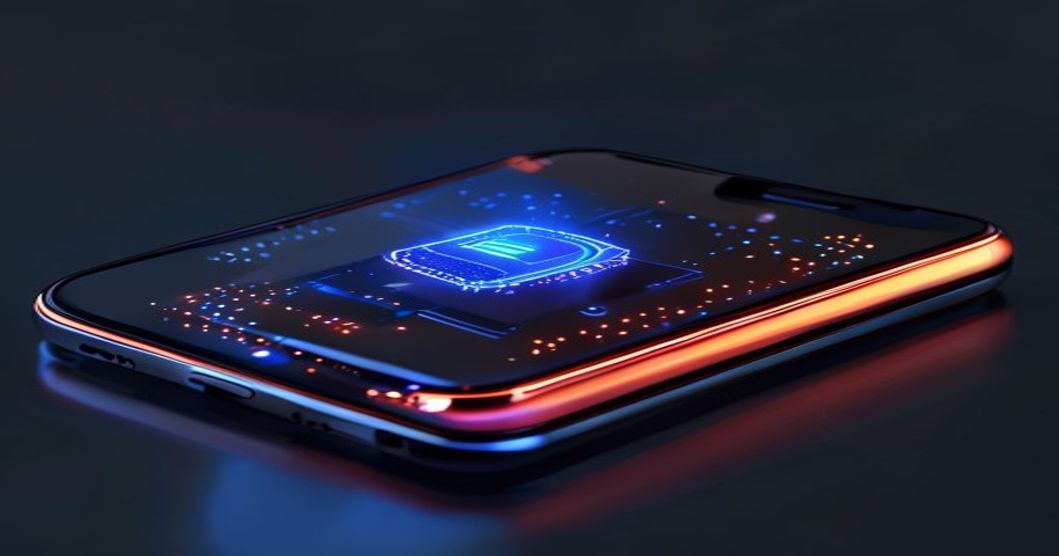
The result? It captures specular highlights, reflections, and fine details like hair or foliage with mind-bending accuracy. And the best part? In 2026, the processing hardware on modern smartphones has gotten so powerful that you can compute these splats almost in real-time, right on your device.
How Do You Capture a 3D Scan on a Phone?
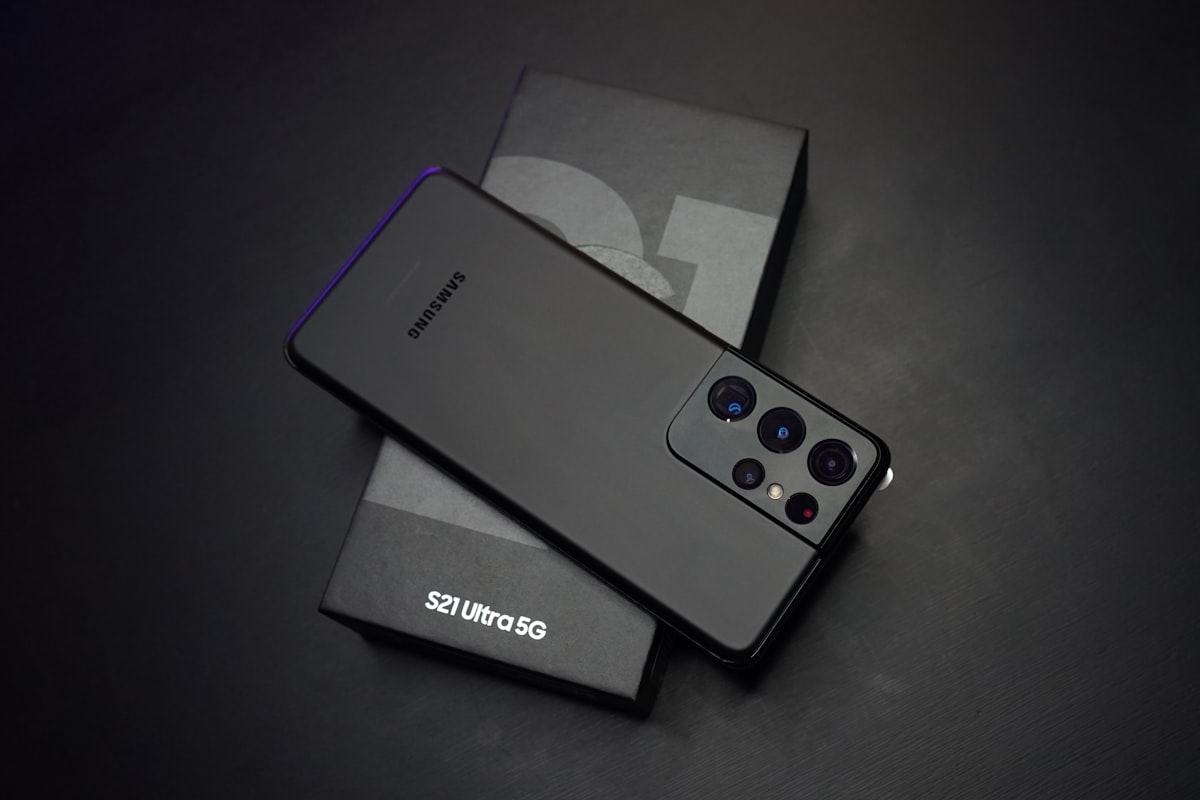
Capturing a scene means slowly panning the phone around an object or a room, similar to taking a panoramic photo, but moving in a short arc. The phone's spatial sensors and camera array do the heavy lifting, grabbing visual data from slightly different angles.
The Good: The fidelity can be astonishing. A captured living room can feel like a tangible space rather than a photo. Viewed on a spatial display (or simply swiped around on a phone screen), the lighting and reflections shift realistically as the viewing angle changes. It is about the closest thing to a "pensieve" from Harry Potter that consumer tech offers.
The Bad: It requires a shift in mindset. You can't just quickly snap a photo of a moving target. If a dog runs through the frame during a capture, the result is a blurry, ghostly smear in the 3D space. Gaussian Splatting currently excels at static scenes—landscapes, rooms, still objects, or very patient people.
How Much Storage Do Splats Take, and Can You Share Them?
Data management is one of the biggest hurdles: a high-quality Gaussian Splat file can be massive. While compression algorithms have improved significantly, capturing a dozen 3D memories a day will chew through your phone's storage at an alarming rate.
Sharing these memories isn't as simple as texting a JPEG, either. While major social platforms have started supporting interactive 3D embeds, sending a splat to a family member often means they have to view it through a specific web viewer, or they only get a pre-rendered 2D video fly-through of the 3D space.
Is It Time to Ditch 2D Photos?
Not completely. The speed and convenience of a point-and-shoot 2D camera are still essential for capturing fleeting moments.
However, for monumental life events—a new house, a beautifully decorated wedding venue, or simply the exact state of a child's messy bedroom—3D Gaussian Splatting makes a strong case as the new default. It doesn't just capture a picture; it captures the geometry and lighting of a memory. The ability to spatially revisit a place exactly as it was is an incredibly powerful emotional experience, and the fact that we can now do this with the devices in our pockets is nothing short of revolutionary.