The 1,000-Mile Road Trip Without Range Anxiety: What a Solid-State EV Changes in 2026
- Hardware, Review, Technology
- Exienent
- · Updated
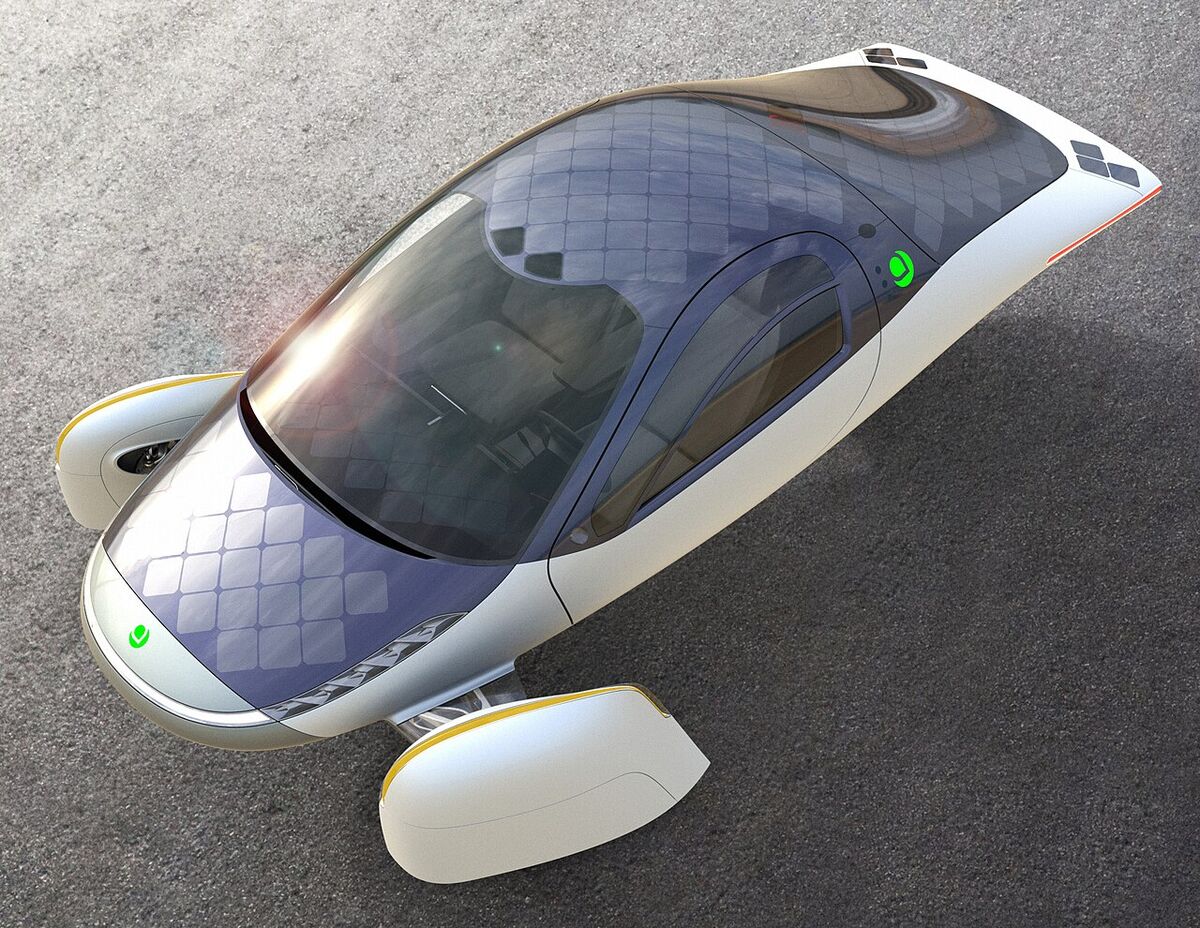
Solid-state EVs, the first of which reach production in 2026, come close to ending range anxiety. Their batteries pack far more energy into the same footprint and can sustain very high fast-charging speeds, so a 1,000-mile weekend road trip starts to feel like driving a gas car. The catches are price and the limited number of truly ultra-fast chargers.
Why Has Range Anxiety Been Such a Problem?
Range anxiety comes from the planning that long EV trips have demanded. Electric vehicles offer a lot to love—instant torque, a silent cabin, and never visiting a gas station—but any road trip longer than about three hours has required spreadsheet-style mental math. Drivers have had to factor in weather and elevation, and hope that the single charger in a rural town wasn't broken by vandals.
A true solid-state battery (SSB) targets exactly that stress. A 1,000-mile weekend road trip is a useful test of whether range anxiety is finally over in 2026, and it highlights what the spec sheets alone don't tell you.
How Far Can a Solid-State EV Go on One Charge?
Far enough that stops become optional for long stretches. Sitting in a solid-state EV, you wouldn't immediately notice anything different: it drives like a modern, premium electric car. The difference shows up on the dashboard's range estimate, not when you press the accelerator.
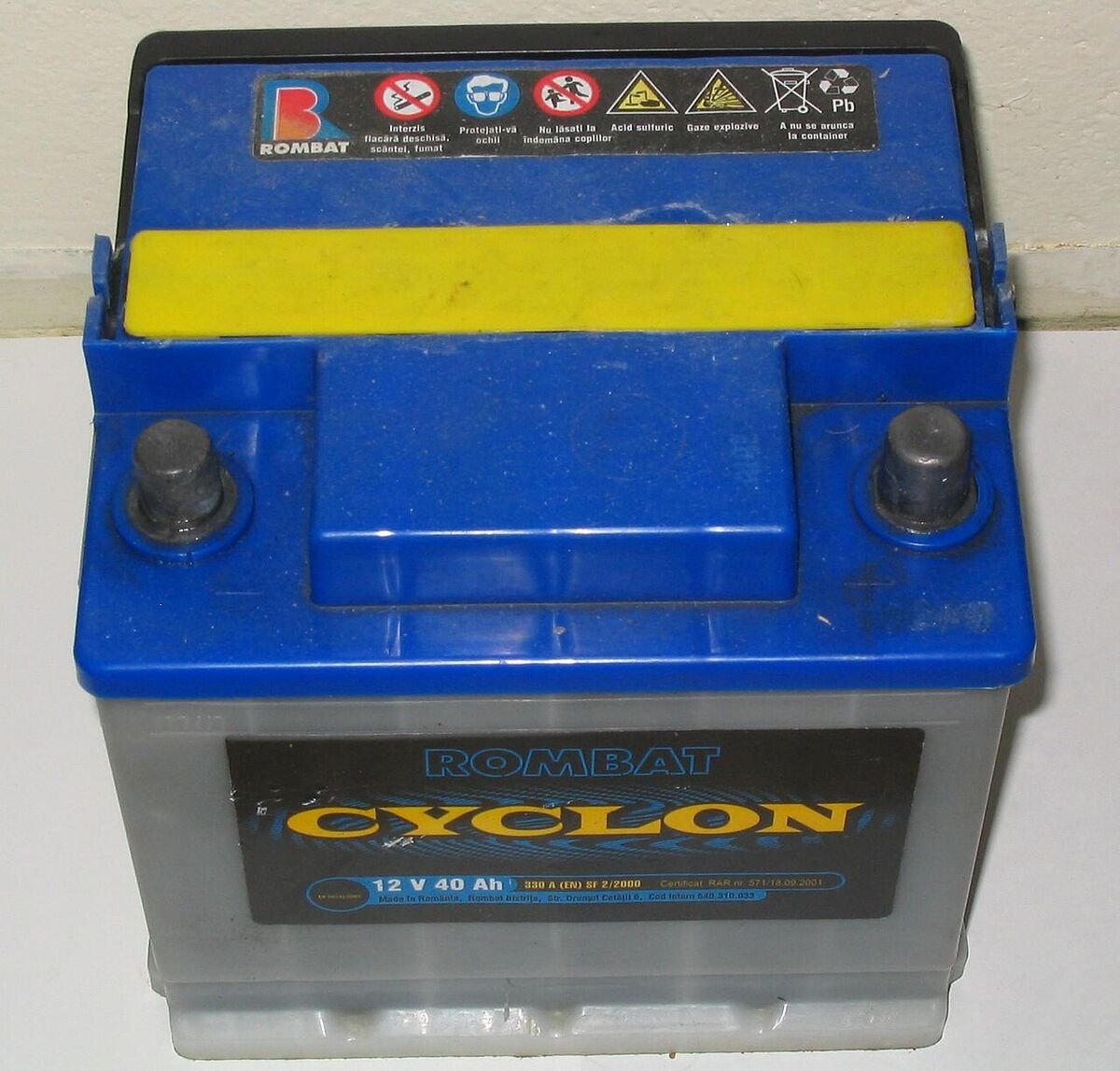
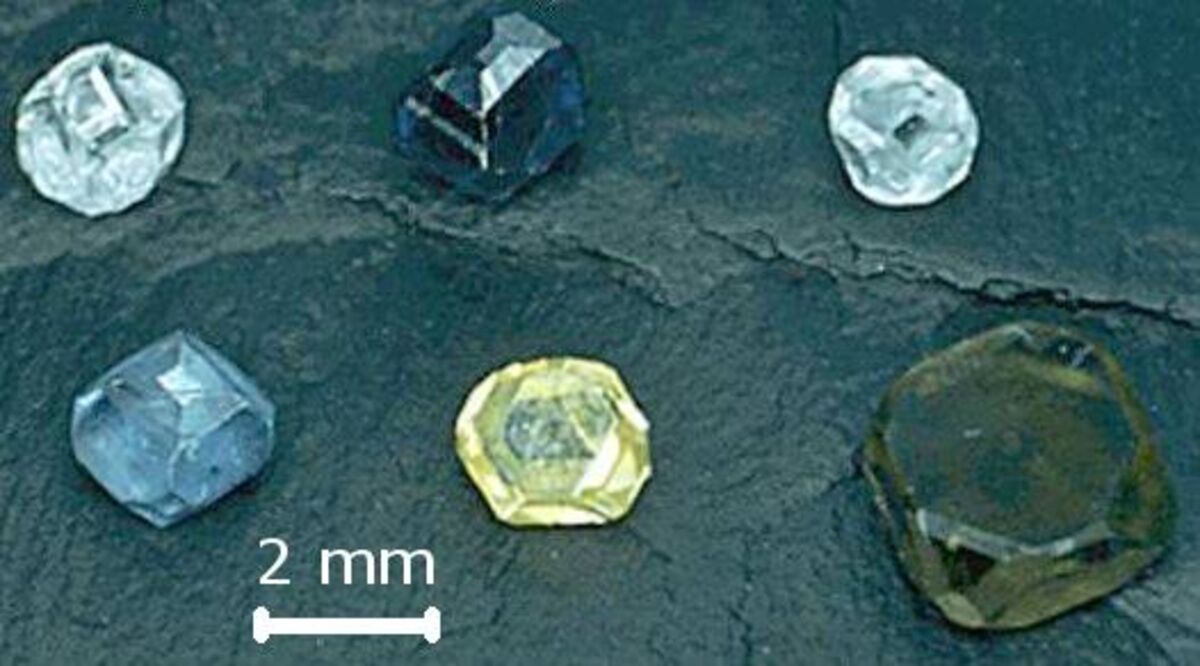
In a traditional lithium-ion EV, the battery takes up a massive amount of physical space and weight. Solid-state batteries replace the liquid electrolyte found in older batteries with a solid conductive material, which significantly increases energy density. In effect, a manufacturer can pack roughly double the energy into the same footprint while also shaving off a few hundred pounds of vehicle weight.
That means a long highway leg can be driven at normal speeds, with the AC on and no drafting behind semi-trucks to save energy, while still leaving a comfortable buffer of range at the next stop.
How Fast Does a Solid-State EV Charge?
Very fast, and for longer, because the battery handles heat far better. The real change isn't just how far you can go; it is what happens when you do need to plug in.
Traditional lithium-ion batteries are sensitive to heat. On a DC fast charger, the car has to carefully throttle the charging speed to prevent the liquid electrolyte from boiling and degrading the battery, which is why older EVs throttle down aggressively past 50%. Solid-state batteries have no liquid component, so they are far more thermally stable and can take a beating when it comes to fast charging.
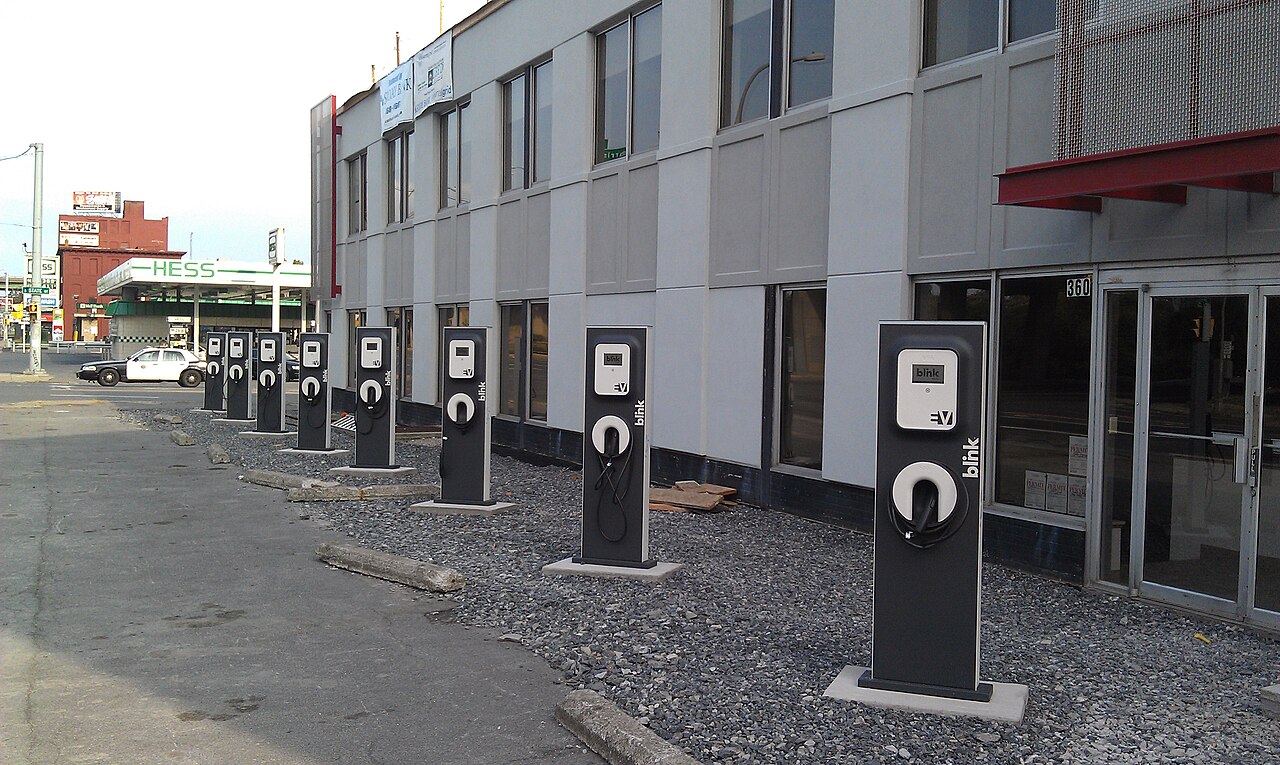
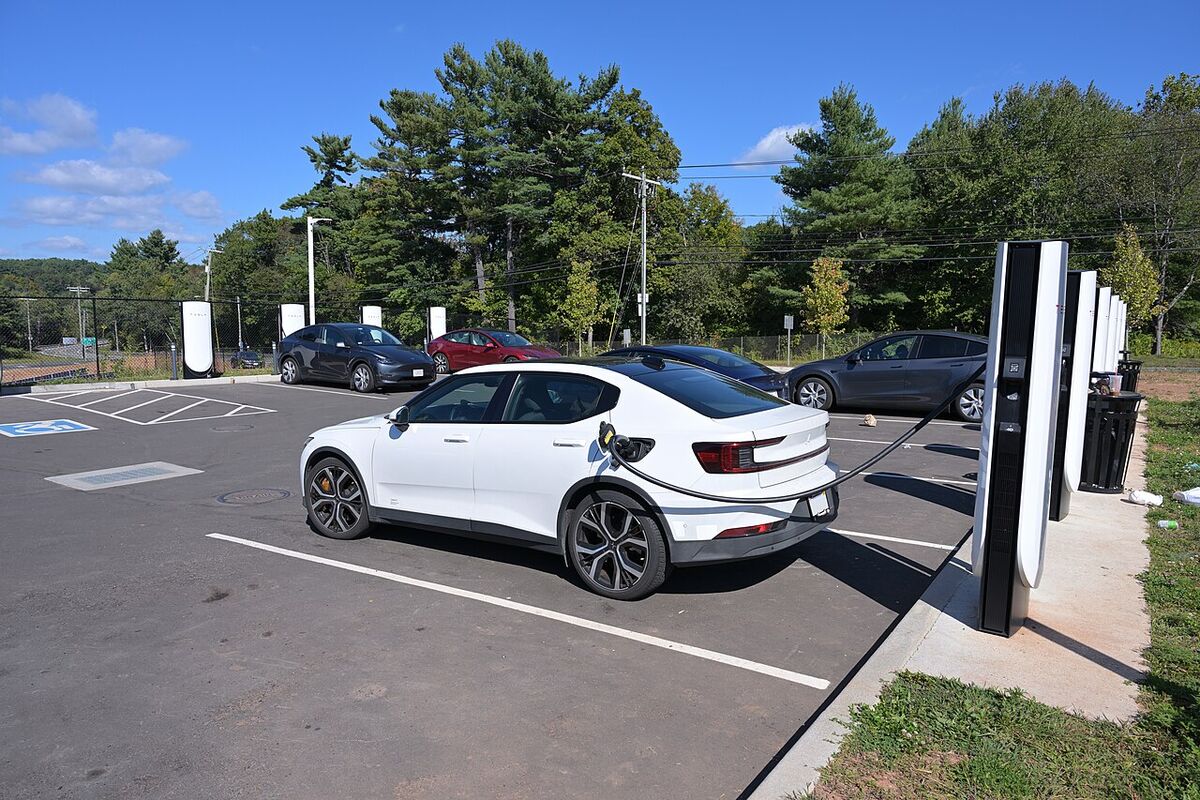
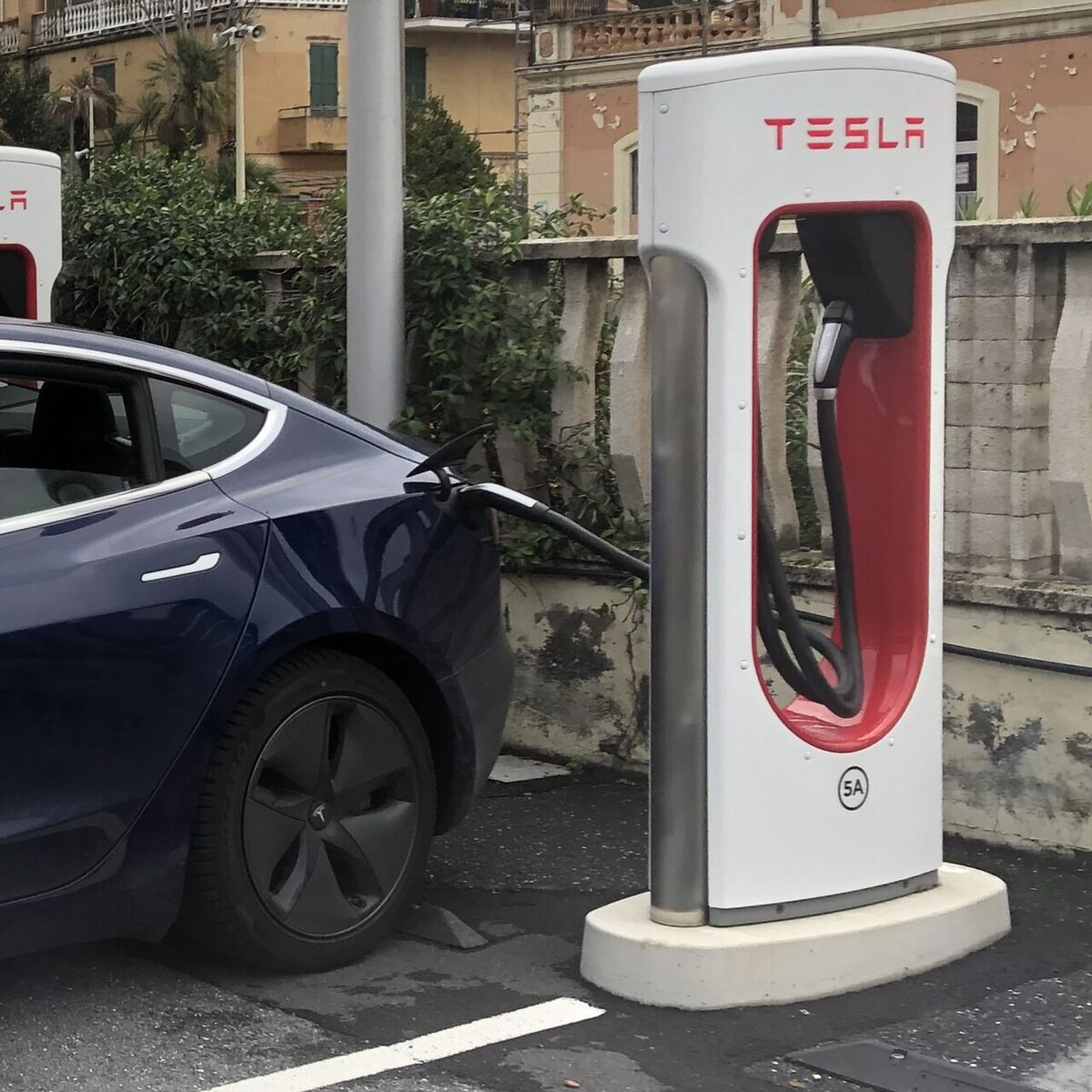
On a new 350kW ultra-fast charging station, a solid-state EV can hold high charging power across much more of the charging curve. A stop for coffee and the restroom can be enough to add most of a battery's capacity, which makes charging feel functionally similar to filling a gas tank.
What Are the Downsides of Solid-State EVs Today?
The transition isn't perfect yet:
- Price: First-generation solid-state cars carry a significant price premium, which keeps them in the luxury category for now.
- Charging infrastructure: Public stations that can reliably output 350kW are still a bit of a scavenger hunt in certain regions.
- Old chargers: Plugging one of these cars into an old 50kW charger feels like trying to fill a swimming pool with a garden hose.
Is Range Anxiety Really Over?
For drivers who can afford a first-generation solid-state EV, largely yes. The biggest change isn't a spec or a charging curve; it is no longer constantly calculating the distance to the next charger or worrying about a 10-mile detour.
In my view, solid-state batteries don't just improve the electric vehicle; they normalize it. Range anxiety isn't only cured—it can be forgotten.