The Reality of Asteroid Mining in 2026: Beyond the Sci-Fi Dreams
- Technology
- Exienent
- · Updated
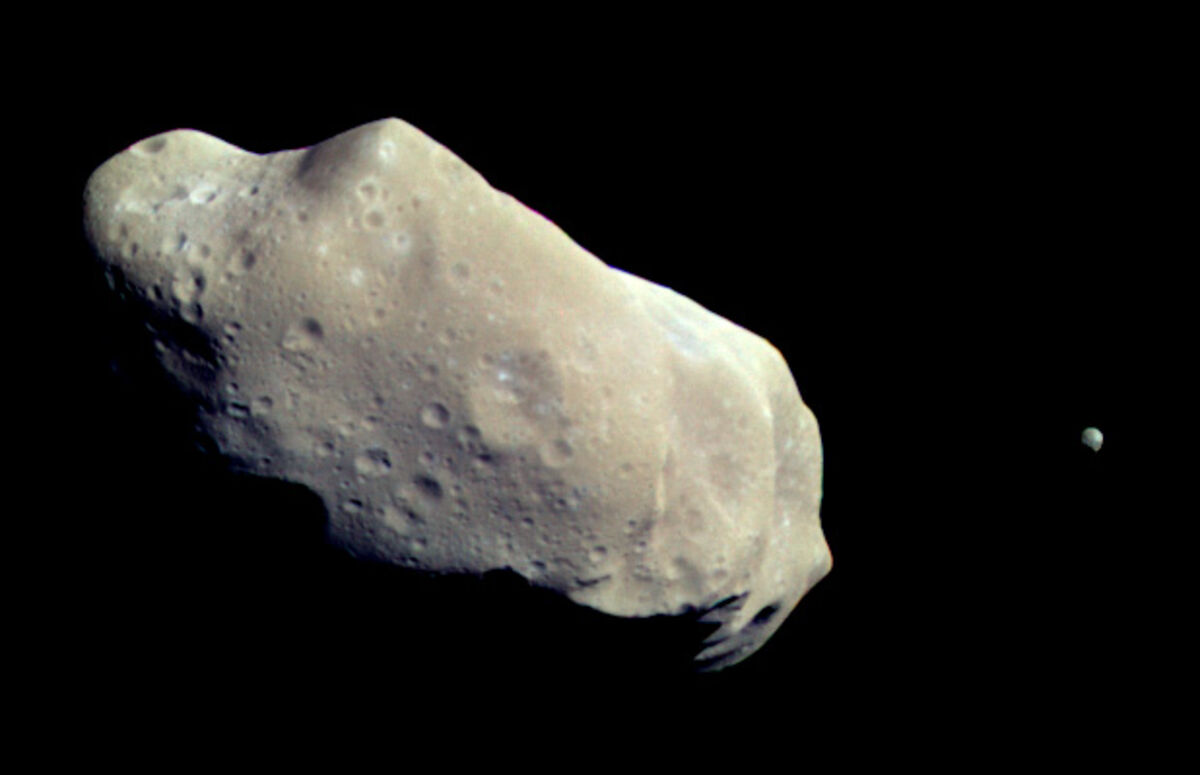
Asteroid mining in 2026 is still in its "prospecting and infrastructure" phase. No one is currently hauling back massive chunks of platinum from the asteroid belt, and the timeline for actual commercial extraction is still likely decades away. What is happening right now is a massive, quiet revolution in the foundational technologies required to make it a reality.
I've always been captivated by the idea. Venturing out into the solar system to harvest precious metals and water from floating space rocks sounds like something straight out of a classic sci-fi novel. But the conversation has been shifting from pure science fiction to serious economic and technological planning, so it's worth taking a grounded look at where asteroid mining actually stands, setting aside the hype to understand the real challenges and opportunities.
Why Are Asteroids Worth Mining?
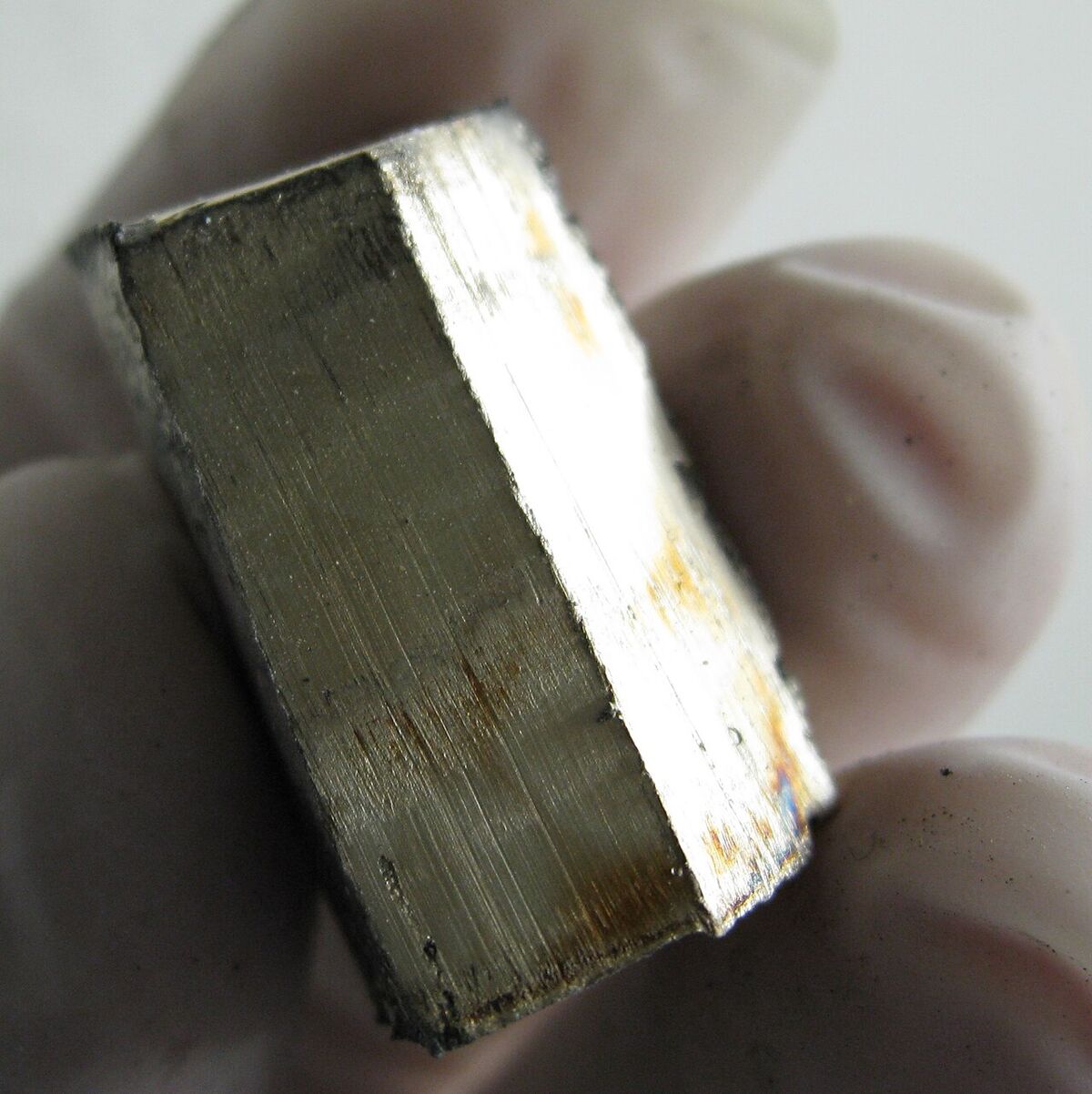
The economic incentive is staggering. A single, relatively small metallic asteroid could contain more platinum group metals than have ever been mined on Earth. These materials are critical for everything from electronics and catalytic converters to advanced clean energy technologies.
But perhaps even more valuable in the short term is water. In space, water is the ultimate currency. It can be split into hydrogen and oxygen to create rocket fuel. The ability to refuel spacecraft in orbit or on the Moon using water extracted from near-Earth asteroids drastically reduces the cost of space exploration, as we wouldn't need to launch heavy fuel from Earth's deep gravity well.
How Are Asteroid Mining Targets Chosen?
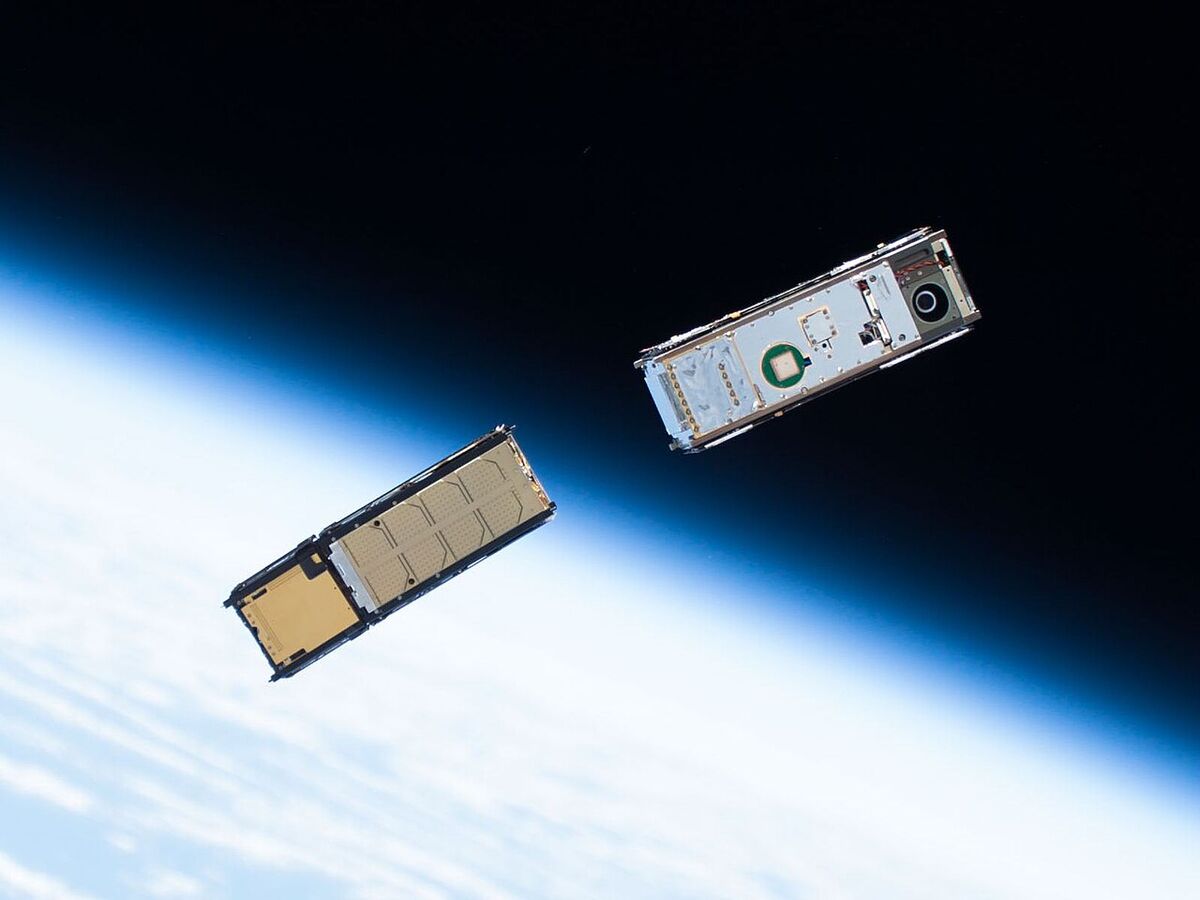
Identifying the right targets is currently the primary focus of companies and space agencies. Not all asteroids are created equal. We need to find near-Earth objects (NEOs) that are not only rich in desired resources but also have favorable orbits that make them accessible with current propulsion technology. We're seeing a surge in sophisticated space telescopes and small, low-cost "smallsat" missions designed specifically to categorize and analyze these potential targets. It's essentially a cosmic gold rush, but right now, the race is to map the territory rather than dig the mine.
What Makes Mining in Microgravity So Hard?
Extracting materials in a microgravity environment is incredibly complex, even once the perfect asteroid is identified. Traditional mining techniques rely on gravity to hold equipment down and separate materials. In space, you have to anchor your spacecraft to a tumbling rock, drill or excavate without pushing yourself away, and then process the raw material in a vacuum. Companies are actively testing innovative solutions, like optical mining—using concentrated sunlight to essentially bake water and volatile compounds out of the asteroid material without needing heavy mechanical drills.
Who Owns an Asteroid?
Nobody has a clear answer yet, which makes the legal and regulatory framework another major challenge in 2026. The Outer Space Treaty of 1967 states that no nation can claim sovereignty over a celestial body, but it's ambiguous regarding the extraction and ownership of resources by private companies. We're seeing intense international debate as countries try to establish a viable legal framework that encourages investment while preventing a chaotic land grab in space.
What Comes Next for Asteroid Mining?
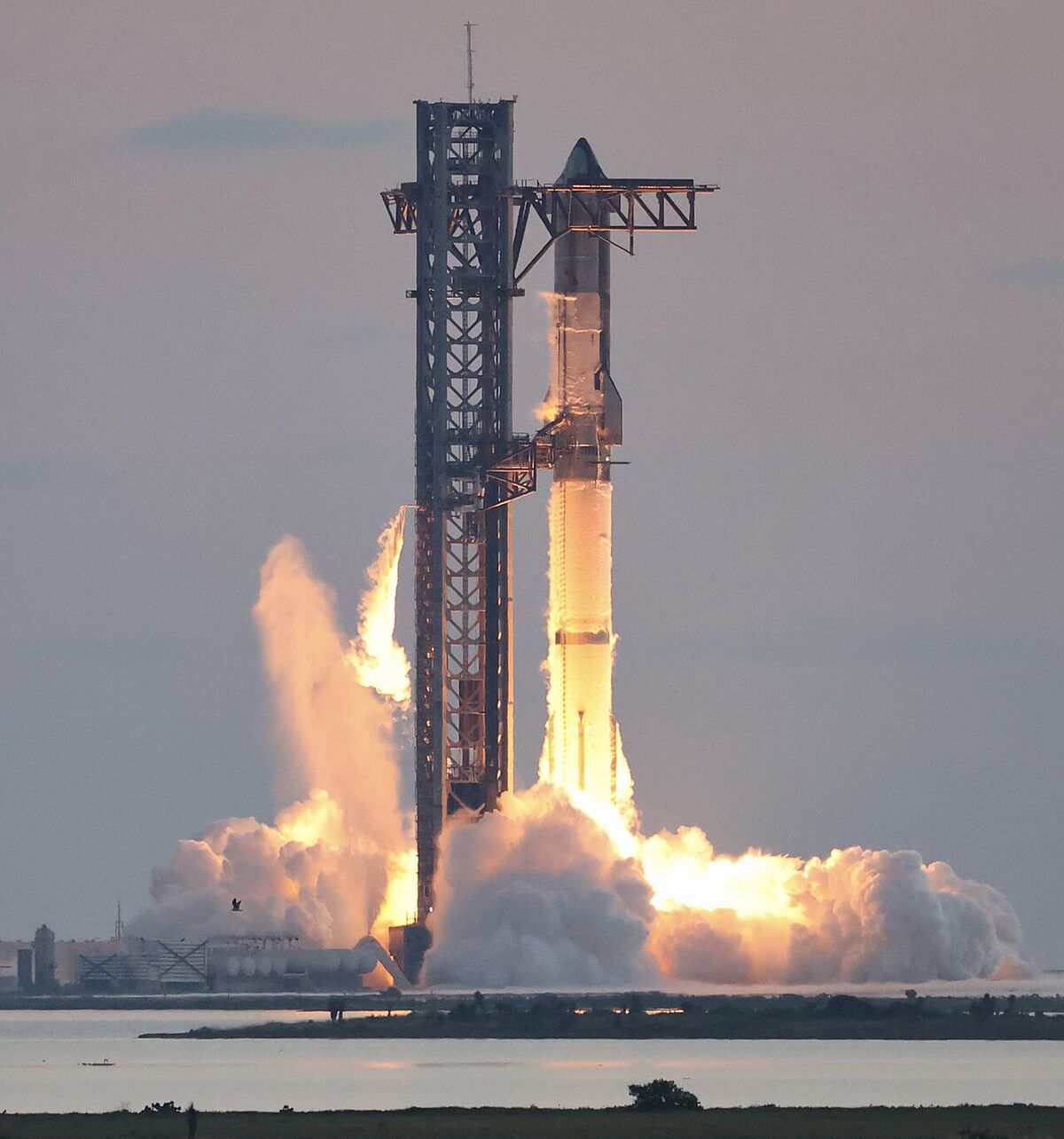
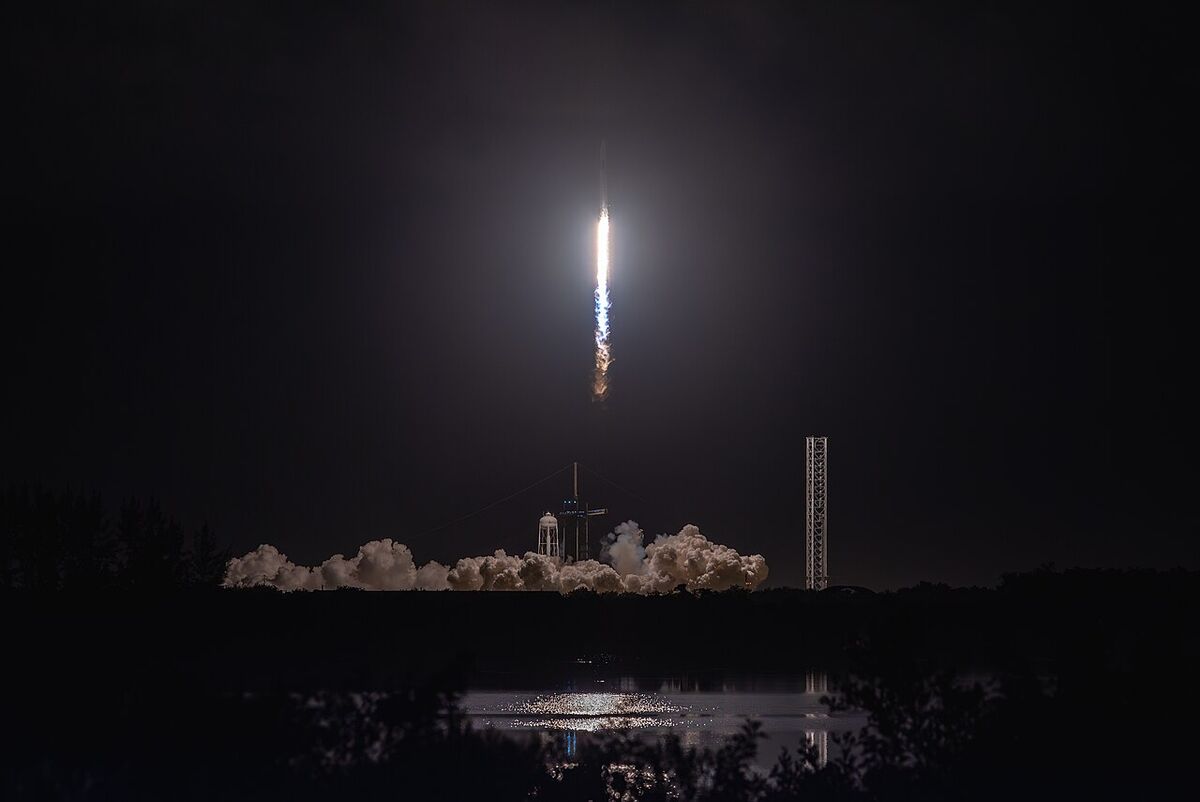
The near future is about infrastructure, not riches. While the dream of trillionaire asteroid miners might still be a long way off, the progress being made is undeniable. The convergence of reusable rockets, miniaturized robotics, and advanced AI is making deep space operations more feasible than ever before. For now, asteroid mining is less about bringing gold back to Earth and more about building a sustainable, self-sufficient infrastructure in space that will fuel the next great era of human exploration. It's a long game, but the foundation is being built right now.