Letting an AI Print Your Daily Vitamins: A 2026 Health Tech Review
- Health, Technology, Lifestyle
- Exienent
- · Updated
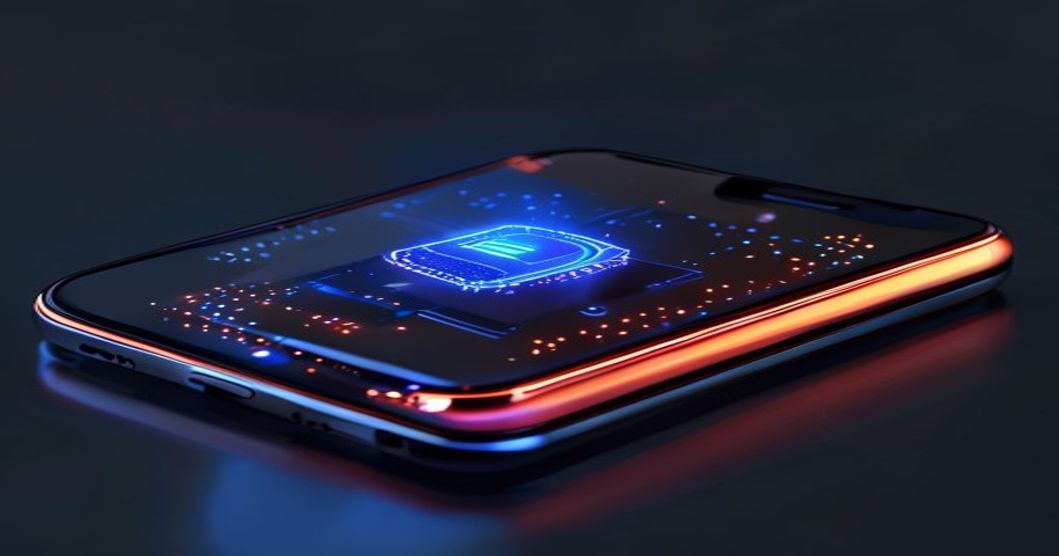
An AI 3D vitamin printer such as the Nutri-Print AI Smart Dispenser replaces a cabinet of supplement bottles with one customized gummy printed every morning from your health data. It mainly removes the hassle of managing supplements; it is not a proven health upgrade, and its cartridge subscription makes it expensive to run.
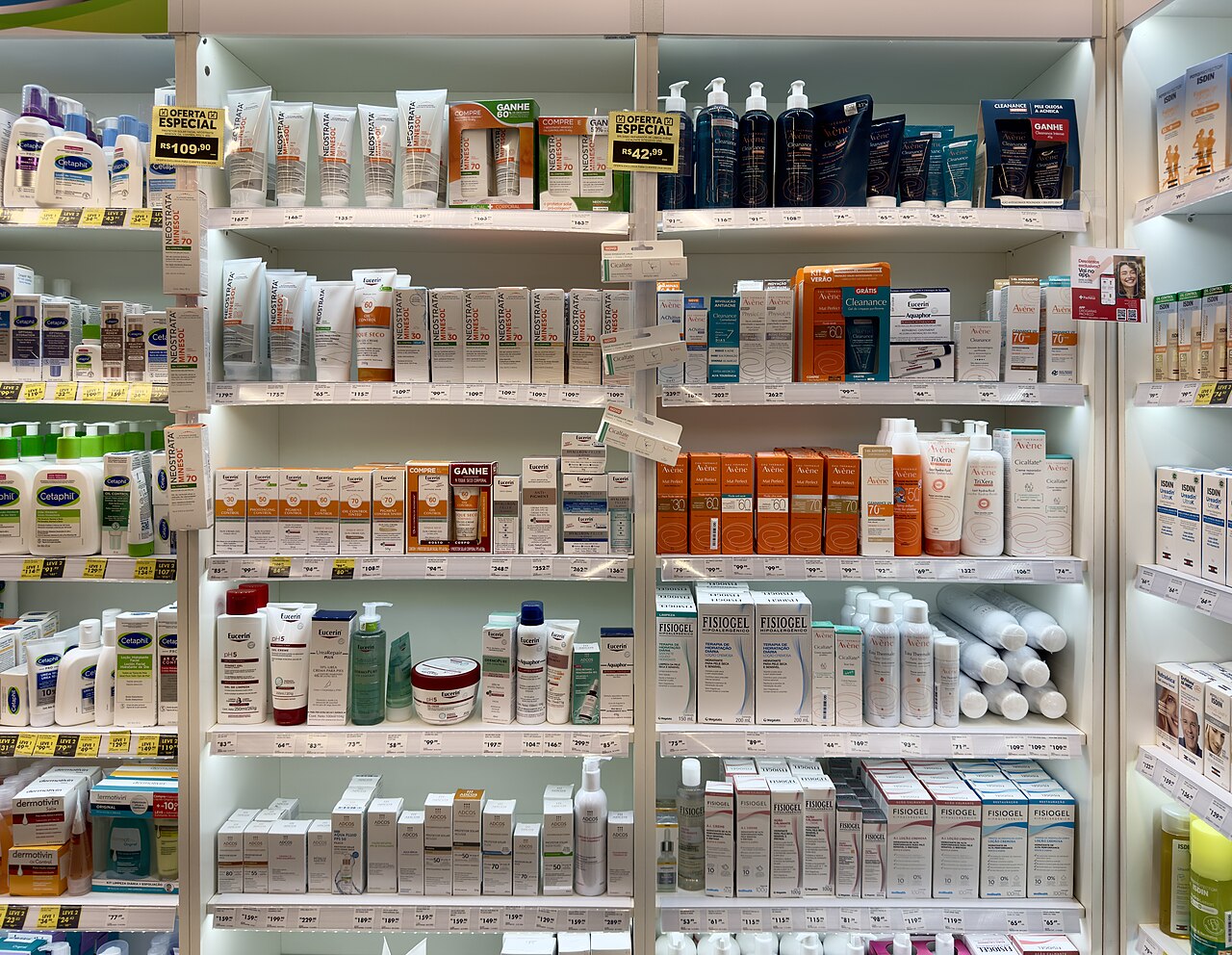
Many bathroom cabinets hold a chaotic graveyard of half-empty supplement bottles. Vitamin C, D3, magnesium, zinc, ashwagandha—bought after a random health podcast and forgotten a week later. Sound familiar?
The supplement industry has always felt like a guessing game. You buy generic dosages meant for a statistical average human, pop a handful of pills, and hope your expensive urine means something is working. But by late 2025, a new wave of "Hyper-Personalized Nutrition" hit the consumer market, driven by desktop 3D printing and AI.
The Nutri-Print is a countertop machine that mixes and 3D prints a single, customized gummy vitamin every morning based on real-time health data. Below is how it works, what it may and may not do for you, and whether it's worth the hefty price tag.
How Do You Set Up an AI Vitamin Printer?
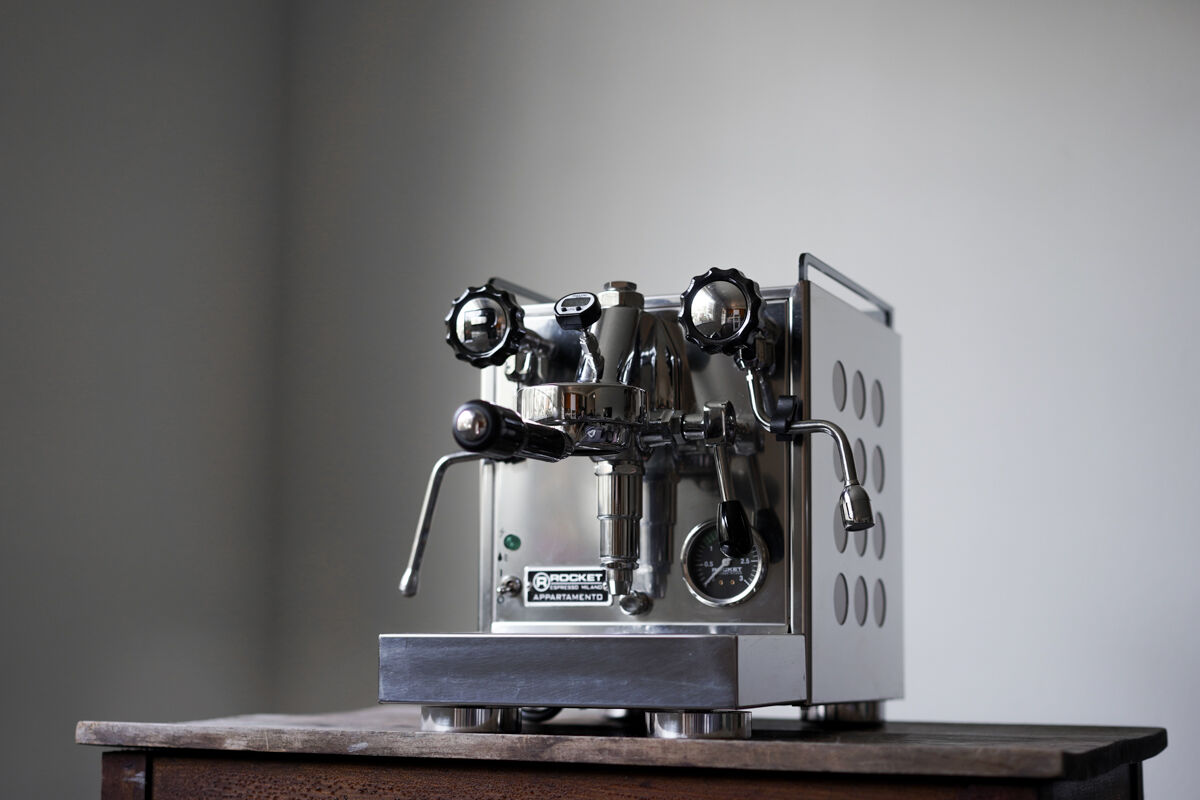
Setting up the printer resembles installing a high-end espresso machine, but instead of coffee beans, you load it with standardized nutrient cartridges. The real work, however, happens in the app.
To get started, the AI needs to know who you are, so onboarding is intensive:
- The Baseline Blood Test: The company mails a micro-needle patch. You place it on your arm for five minutes and mail it back. This gives the AI your baseline micronutrient levels.
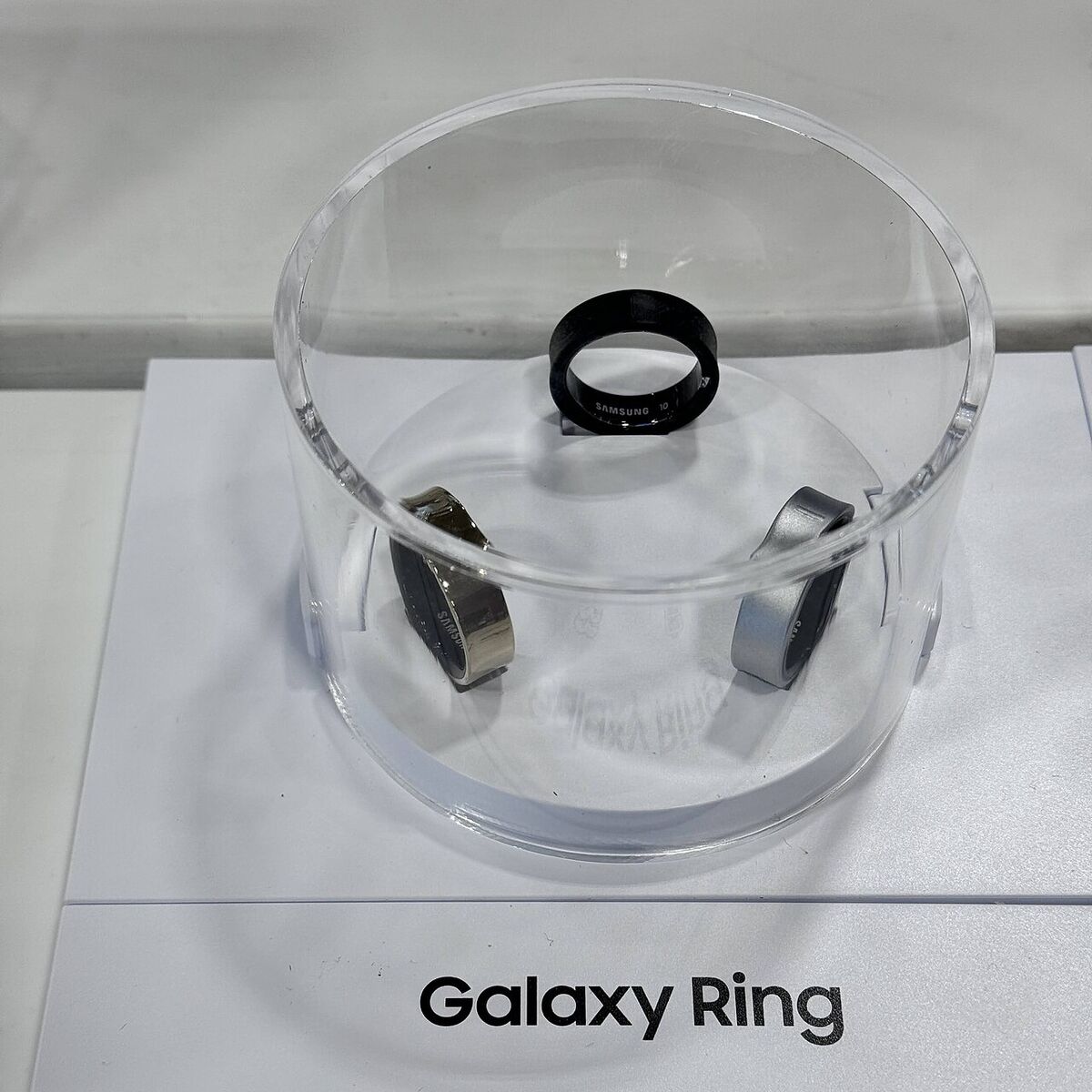
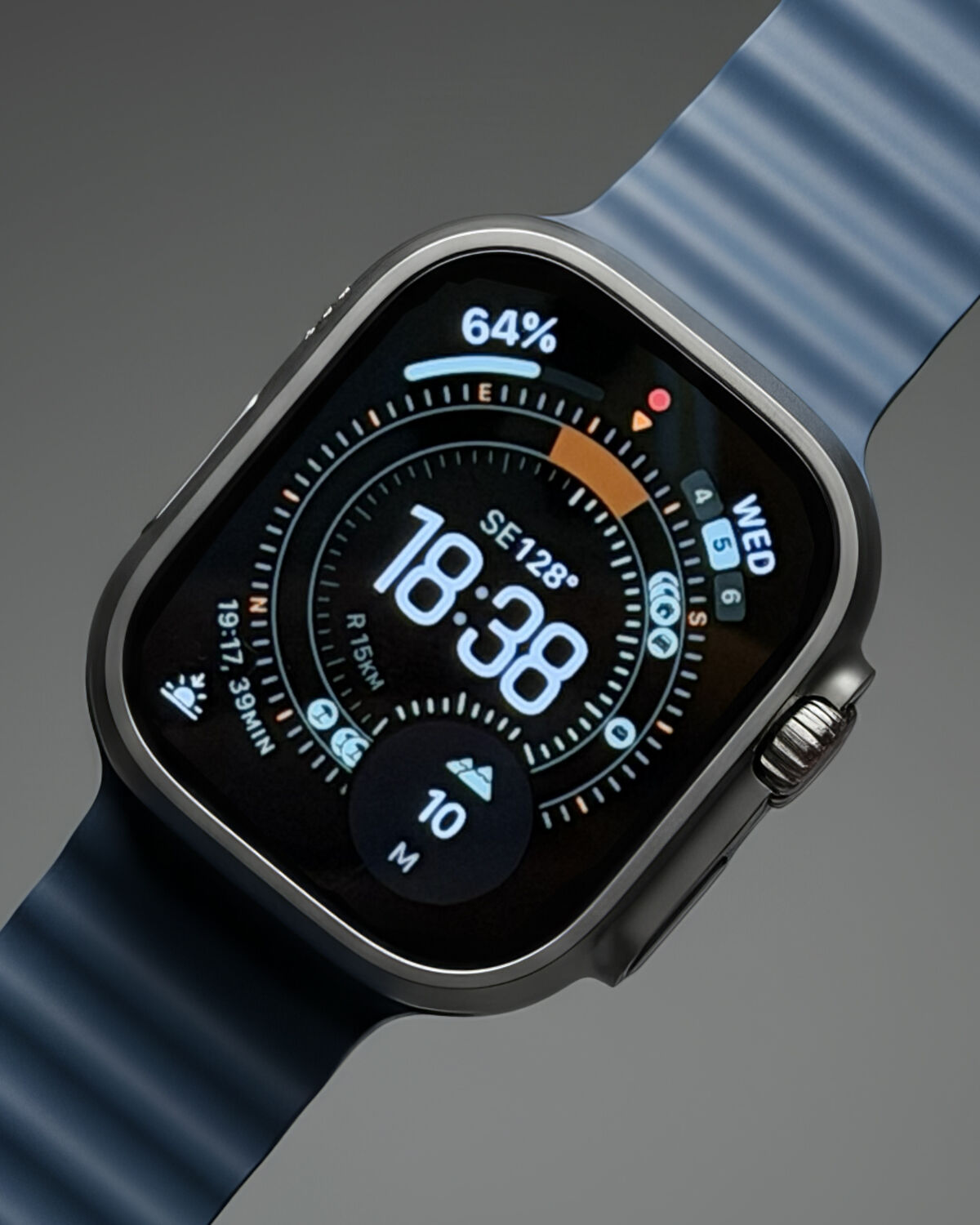
- Wearable Integration: The app syncs with a smartwatch and Oura ring, giving the system access to daily sleep quality, heart rate variability (HRV), and activity levels.
- Dietary Logging: Using the AI's photo-recognition feature, you snap pictures of meals so the system can estimate daily macro and micronutrient intake.
How Does the Daily Gummy Get Made?
Each morning you tap the screen on the dispenser, and the AI takes about 5 seconds to crunch the last 24 hours of data and formulate a recipe.
- Did you go for a long run yesterday and sweat heavily? It bumps up the electrolytes and magnesium.
- Did your Oura ring detect poor sleep and high stress? It increases the L-theanine and Ashwagandha.
- Is it winter with little sunlight? Extra Vitamin D3 goes into the mix.
Then, the printing starts. It takes about two minutes. The machine uses a food-grade extrusion process, layering a hydrocolloid gel mixed with the precise micro-doses of nutrients. The result is a single, brightly colored, slightly chewy "gummy" roughly the size of a large blackberry.
What does it taste like? Because the AI factors in taste profiles, it flavors the gummy with a natural citrus or berry extract, which can avoid the chalky, medicinal aftertaste that many multivitamin gummies have.
Does a 3D-Printed Vitamin Actually Make You Feel Better?
There is no guarantee it will, and it will not turn anyone into a superhuman. Any effect depends on your body, diet, and existing nutrient levels, so treat the points below as possibilities, not promises.
1. Possibly Gentler on the Stomach Taking a handful of zinc and B-vitamins on an empty stomach can make some people nauseous. Because the 3D-printed gummy embeds the nutrients in a slow-release gel matrix, it may be easier to tolerate, even before breakfast.
2. Potentially Steadier Energy The AI dynamically adjusts B-vitamin and adaptogen levels based on sleep data, which is meant to support a stable baseline of energy rather than a jolt. Whether that softens an afternoon slump will vary from person to person. If you have persistent fatigue, see a doctor rather than relying on supplements.
3. The Psychological Relief of the "One Pill" Solution The clearest benefit is behavioral. The friction of opening five different bottles, remembering what to take, and wondering if you are taking too much or too little disappears. The machine handles the cognitive load: you press a button and eat the gummy. That can turn nutrition from a chore into a seamless, almost fun morning ritual.
How Much Does an AI Vitamin Printer Cost?
The machine itself costs $350, but the business model is exactly what you'd expect from modern hardware tech: It's a subscription trap.
The real cost is the nutrient cartridges. A monthly subscription for the base nutrients runs about $79. If you want "premium" additions like rare adaptogens, NAD+ precursors, or specific probiotics, the cost easily pushes past $120 a month.
Furthermore, you are entirely locked into their ecosystem. You can't just buy generic Vitamin C powder and dump it in. When a cartridge runs low, the machine automatically orders a replacement via Wi-Fi. It's incredibly convenient, but you are absolutely paying a premium for that convenience.
Who Should Buy an AI 3D Vitamin Printer?
If you already eat a balanced, nutrient-dense diet and have the discipline to manage a traditional supplement stack, you do not need this machine.
However, if you value health but struggle with the consistency and complexity of managing supplements, and have some disposable income, I think the AI 3D Vitamin Printer can be a game-changer for convenience. Check with a doctor or pharmacist before changing your supplement routine, especially if you take medication.
It aims to take the guesswork out of nutrition by dosing what your data suggests on a given day, without you having to think about it. As this technology scales and cartridge prices drop over the next few years, I believe this hyper-personalized approach could replace many of the dusty bottles of generic multivitamins sitting in our cabinets today.