Holographic AI Assistants vs. Smart Speakers: What Changes at Home in 2026
- Technology
- Exienent
- · Updated
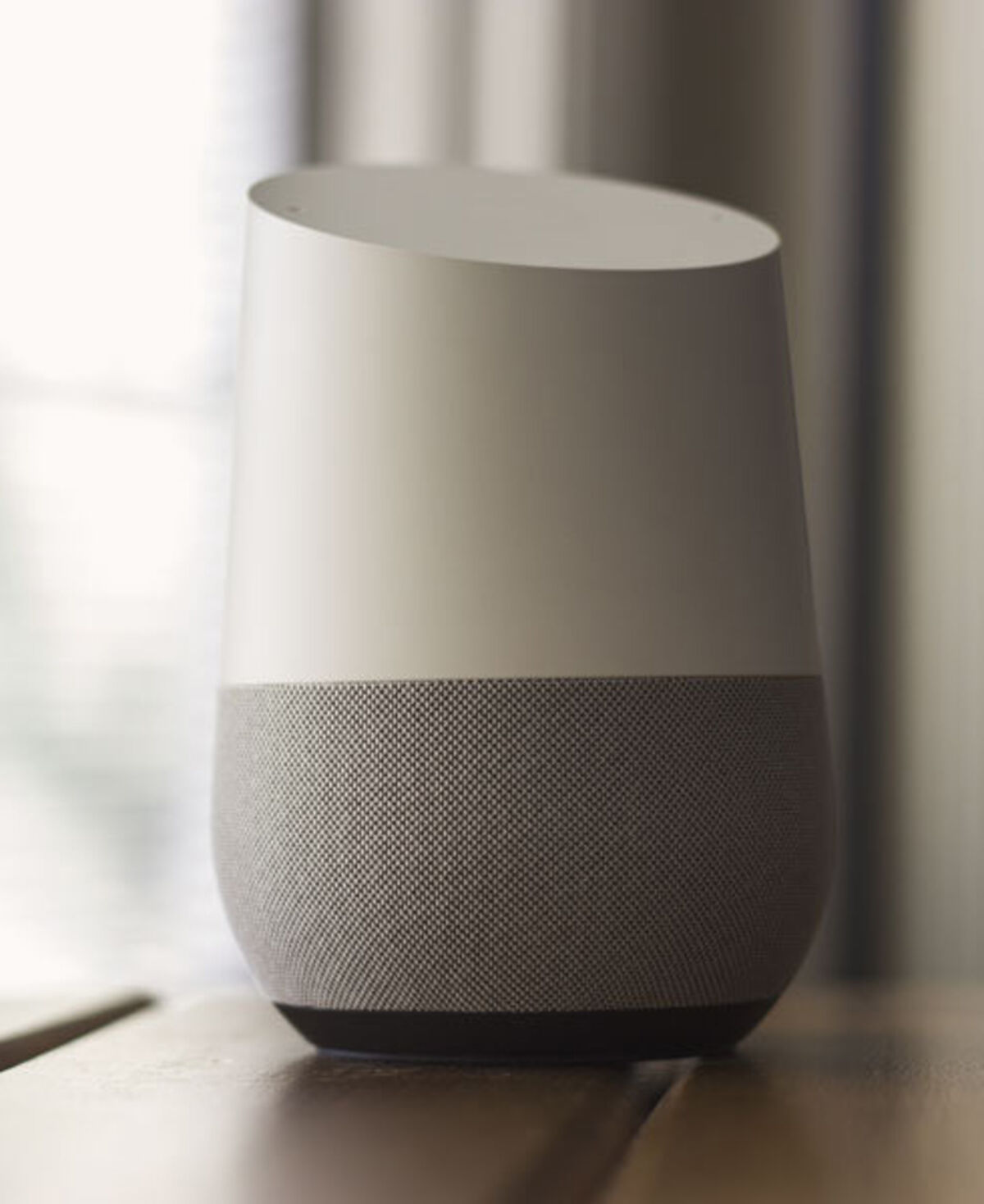
Desktop holographic AI assistants are the 2026 successor to the smart speaker: a glass prism that shows a 3D avatar, watches the room with cameras, and responds to gestures as well as voice. They make traditional smart speakers feel dated, but they are expensive and take some getting used to.
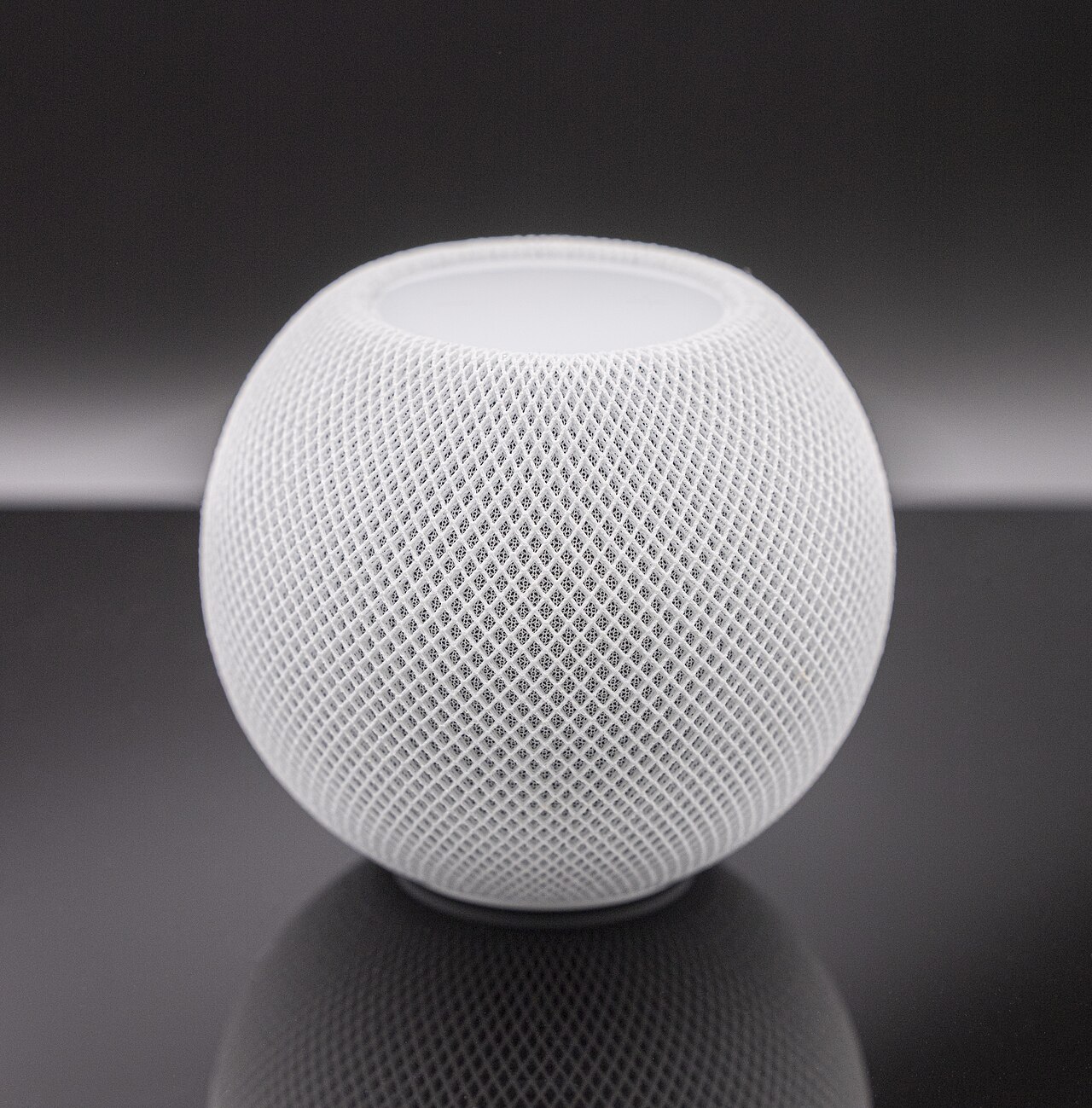
For the past decade, smart home technology has mostly meant shouting at a little plastic cylinder on the counter to turn off the lights, set a timer, or report the weather. Sometimes it listened, sometimes it misunderstood, but it always felt like talking to an appliance. Now the major tech companies have started rolling out the next generation of smart home hubs, Desktop Holographic AI Assistants, which use naked-eye 3D displays to give AI companions a spatial presence in the physical world.
What Does a Holographic AI Assistant Look Like?
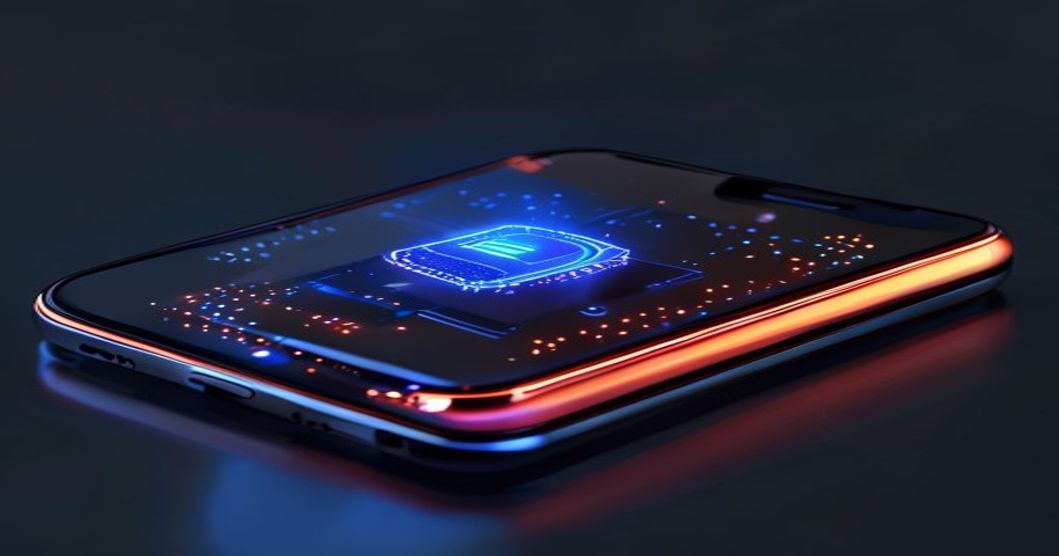
The unit looks like a sleek, minimalist glass prism sitting on a heavy metallic base. There are no VR or AR glasses required. It uses an advanced light-field display—similar to what we've seen in high-end medical imaging and prototyping—shrunk down for consumer use.
When it's off, it just looks like an expensive paperweight. But when you wake it up, a fully three-dimensional, high-resolution avatar appears, floating in the center of the glass. You can walk around the device and view the hologram from different angles. It feels like something pulled straight out of a Star Wars movie.
How Is Talking to a Hologram Different From a Smart Speaker?
The visual element changes the dynamic of how you interact with the AI. With a traditional smart speaker, you ask a question, and it recites a robotic answer. The holographic assistant uses the latest multimodal AI models (like GPT-5 and Gemini 3.5), and the avatar actually looks at you.
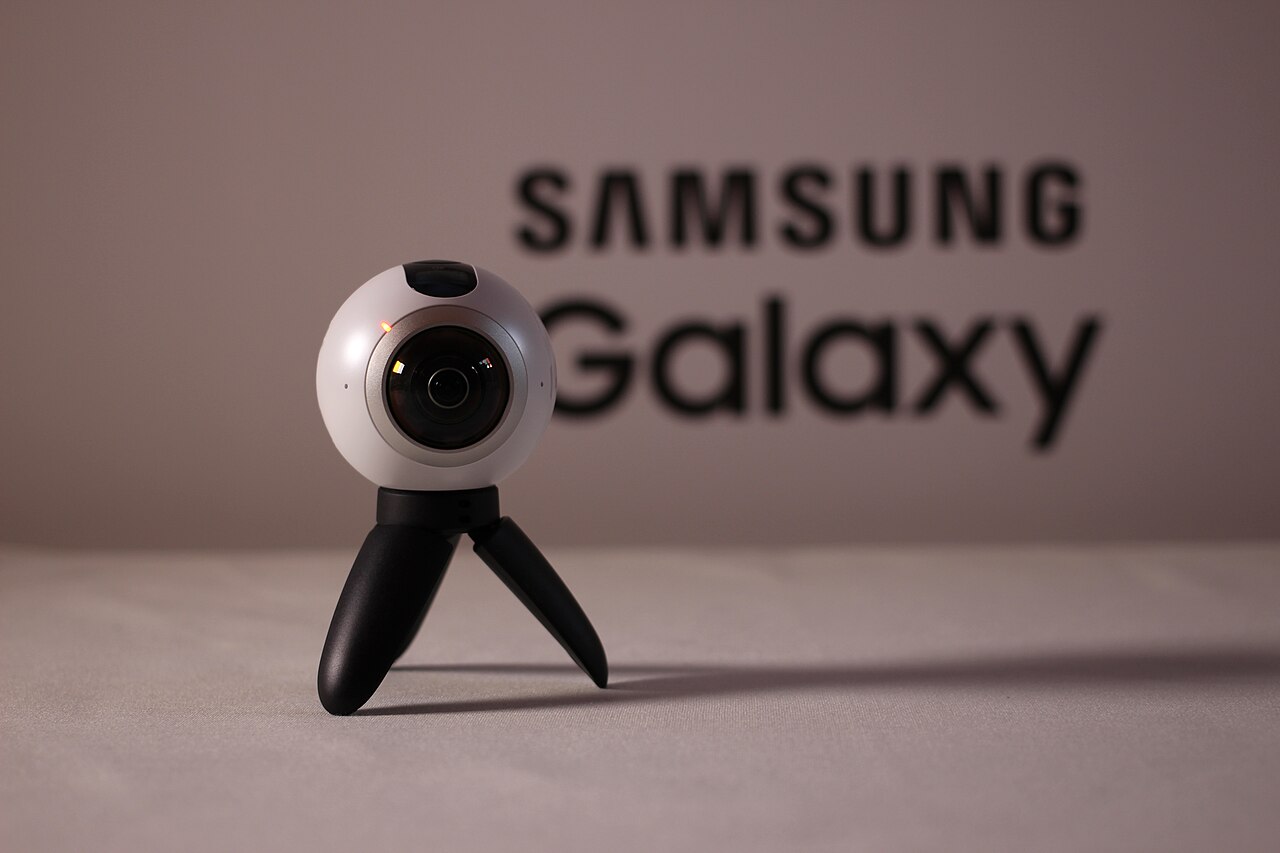
The base of the unit houses a 360-degree camera array. When someone walks into the room, the holographic avatar turns its head to track their movement. Ask it to explain a complex recipe, and the avatar uses hand gestures while 3D visual aids—like a floating, rotating image of the dish—appear next to it.
The biggest change is conversational fluidity. Because it has a physical presence, it uses non-verbal cues. If it is processing a complex query, it adopts a "thinking" posture. If it didn't quite hear you over the TV, it leans forward with a confused expression. That can make it feel natural to stop barking commands and start speaking conversationally, the way you would to a person in the room.
Is a Holographic Assistant Actually Useful?
Yes—beyond the "wow" factor, the device offers several practical features:
- Spatial Widgets: Ask for your calendar and, instead of reading it out loud, it shows a 3D, interactive calendar floating in the air. You can reach out and use the device's gesture tracking to swipe through the weeks.
- Video Calls: This is where the tech shines. When calling family members who also own a unit, their faces are rendered in 3D within the prism instead of a flat video feed. The eye contact can feel genuine, which may ease the familiar "Zoom fatigue."
- Smart Home Control: Instead of remembering specific names for lights ("Turn on Living Room Light 2"), the AI maps the room. You can point at the lamp in the corner and say, "Turn that one off," and the camera array tracks your finger and executes the command.
Does a Holographic Assistant Feel Creepy?
It can. Having a hyper-realistic, 3D face constantly present in your living space takes some getting used to. At first it may feel like being constantly watched, and the illusion of presence is strong enough that walking out of the room mid-sentence can feel oddly rude. A setting that fades the avatar into a minimalist, abstract glowing orb when you aren't actively talking to it makes the device feel much less intrusive.
Should You Replace Your Smart Speaker?
In my view, moving to a holographic AI assistant in 2026 is like the jump from a flip phone to the first smartphone. Visual, spatial data combined with an LLM that understands context and gestures makes traditional smart speakers feel archaic.
Yes, they are currently expensive, and sharing your living space with a 3D digital entity requires a slight mental adjustment. Next to one, a voice-only speaker can seem lifeless. The future of the smart home isn't just about voice control; it's about giving AI a physical presence in our world.