Directional Sound Beaming in 2026: The End of Headphones?
- Technology, Hardware, Lifestyle
- Exienent
- · Updated
Directional Audio, often called Sound Beaming, works like invisible headphones: a speaker shoots a tight, focused "laser beam" of audio at your ears, and if you step out of the beam you hear almost nothing. In 2026 it is excellent for shared home offices, late-night TV and spatial gaming, but it cannot produce deep bass, needs line of sight, and is strictly a solo experience. It will not replace headphones everywhere.
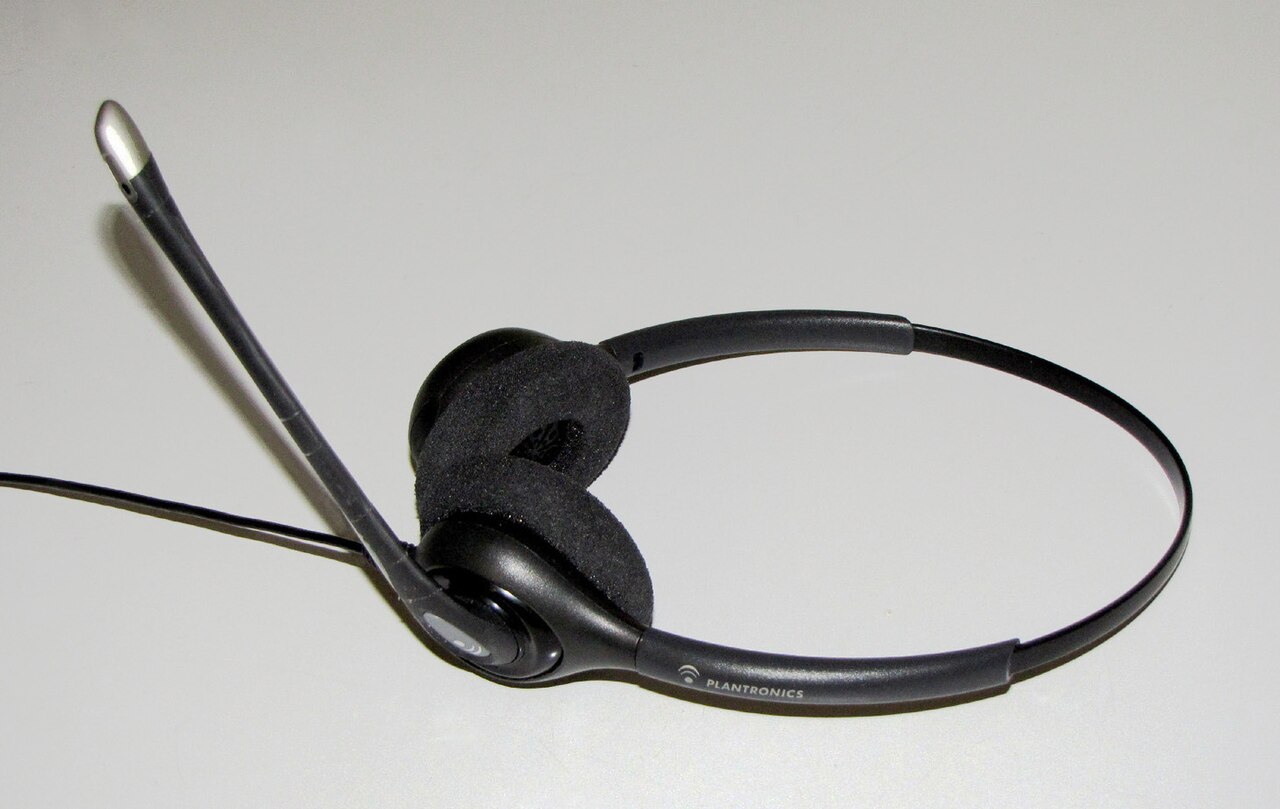
Headphones around the house have real downsides. Whether you are listening to a podcast while cooking or watching a movie late at night while a partner sleeps, they feel isolating. You miss the doorbell, you can't easily have a quick conversation, and after a few hours even the best over-ear models get sweaty and uncomfortable. For years, tech companies promised sound beaming as the fix, and in early 2026 a few mainstream tech brands finally released consumer-ready sound beaming soundbars for home use.
How Does Directional Audio (Sound Beaming) Work?
Directional audio works by creating sound in the air right next to your ears using ultrasonic waves. Traditional speakers use moving cones to push air, creating low-frequency sound waves that spread out widely. It's like dropping a rock in a pond; the ripples go everywhere. Sound beaming takes a completely different approach:
- The Carrier Wave: The device generates a highly focused beam of high-frequency ultrasonic sound. This frequency is so high (usually over 40kHz) that human ears physically cannot hear it.
- Modulation: The actual audio you want to hear (music, a movie track, a voice) is encoded onto this ultrasonic carrier wave.
- Non-Linear Demodulation (The Magic Trick): When this intense, focused ultrasonic beam hits an object—like your head, or even just the air immediately around your ears—the air acts in a non-linear way. It naturally "unpacks" the ultrasonic wave, converting it back into regular, audible sound waves right at the point of impact.
The result? The sound is literally created in the air right next to your ears, not at the speaker on your desk.
What Does Sound Beaming Sound Like?
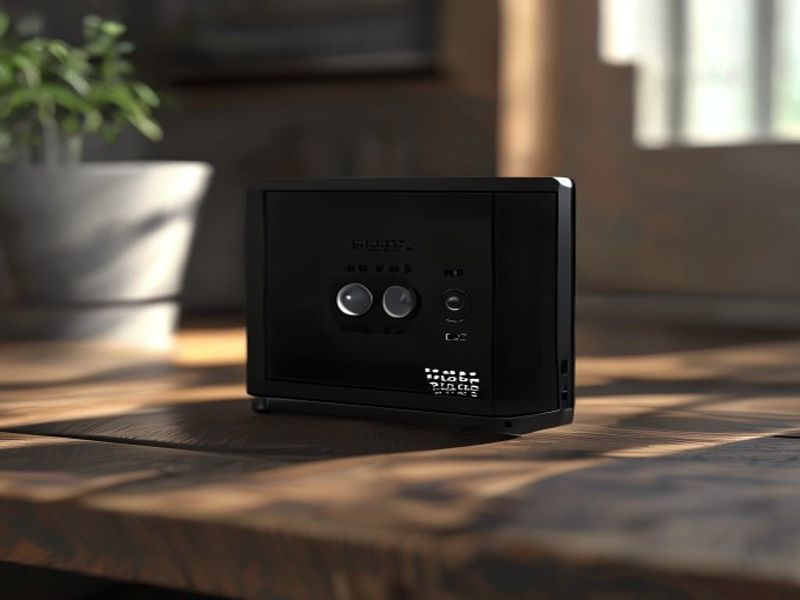
Sound beaming can sound crisp, clear, and as if it originates right inside your head, much like a pair of high-end open-back headphones. The hardware looks like a sleek, slightly chunky soundbar with an array of tiny metallic circles across the front (the ultrasonic transducers). It uses a 3D camera to track the position of your ears in real-time, and setup on a desk is simple.
Because the sound is essentially materialized out of ultrasonic waves near your head, it can feel incredibly intimate, to the point that a listener may instinctively reach up to adjust earcups that aren't there.
The most striking effect is what happens outside the beam. Take one step to the side and the music doesn't just get quieter; it can seem to vanish, like someone muted a TV in the next room. At most a very faint, tinny whisper may remain. Step back into the invisible beam and the full sound returns. I think it is one of the most magical tricks in modern consumer technology.
Where Is Sound Beaming Most Useful?
Sound beaming is most useful wherever personal audio and shared space collide:
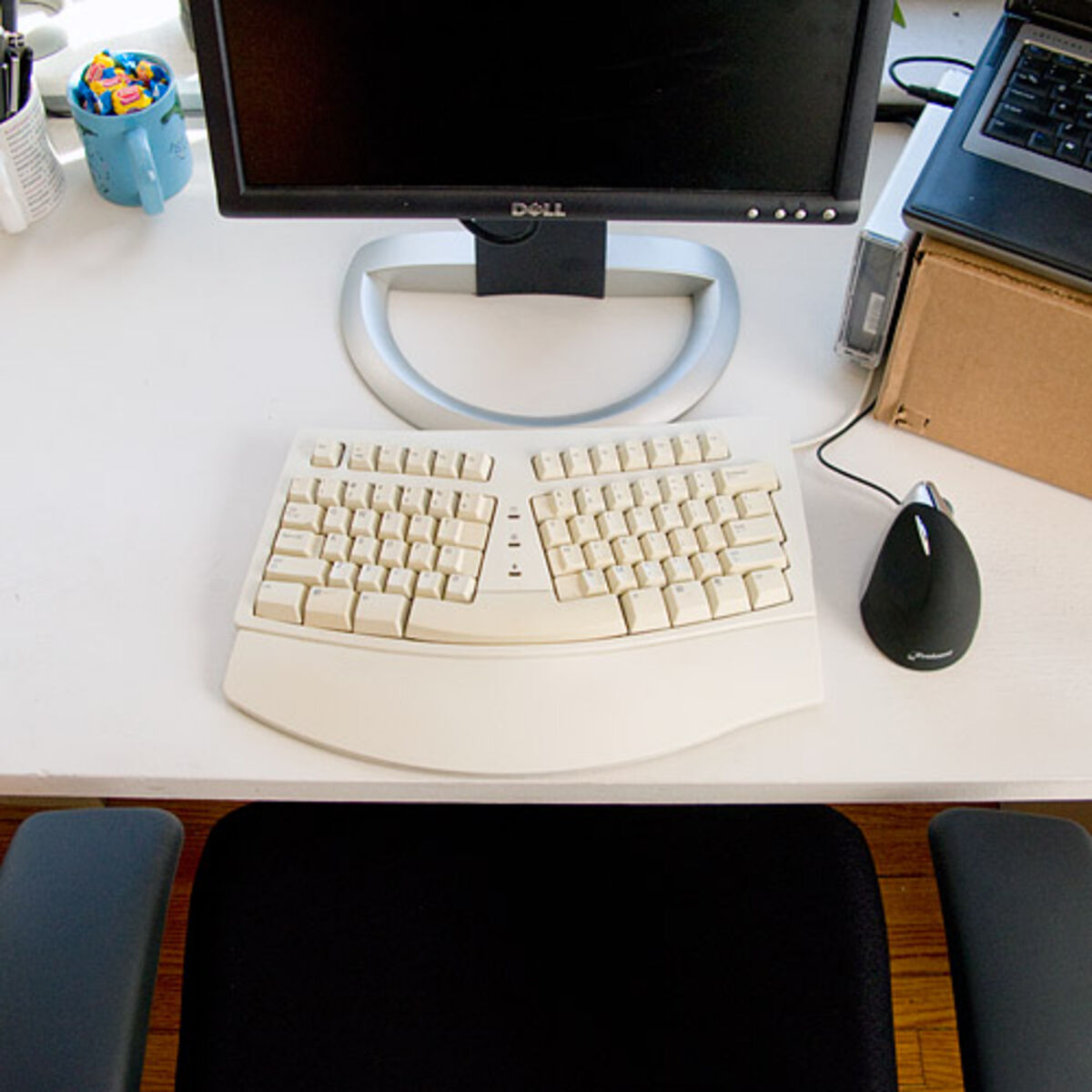
- The Shared Workspace: When two people share a home office, both wearing noise-canceling headphones all day isolates them from each other. With a sound beaming speaker on one desk, that person can listen to lo-fi beats and take Zoom calls without bothering the other, and because no one has headphones on, casual conversation across the room stays easy.
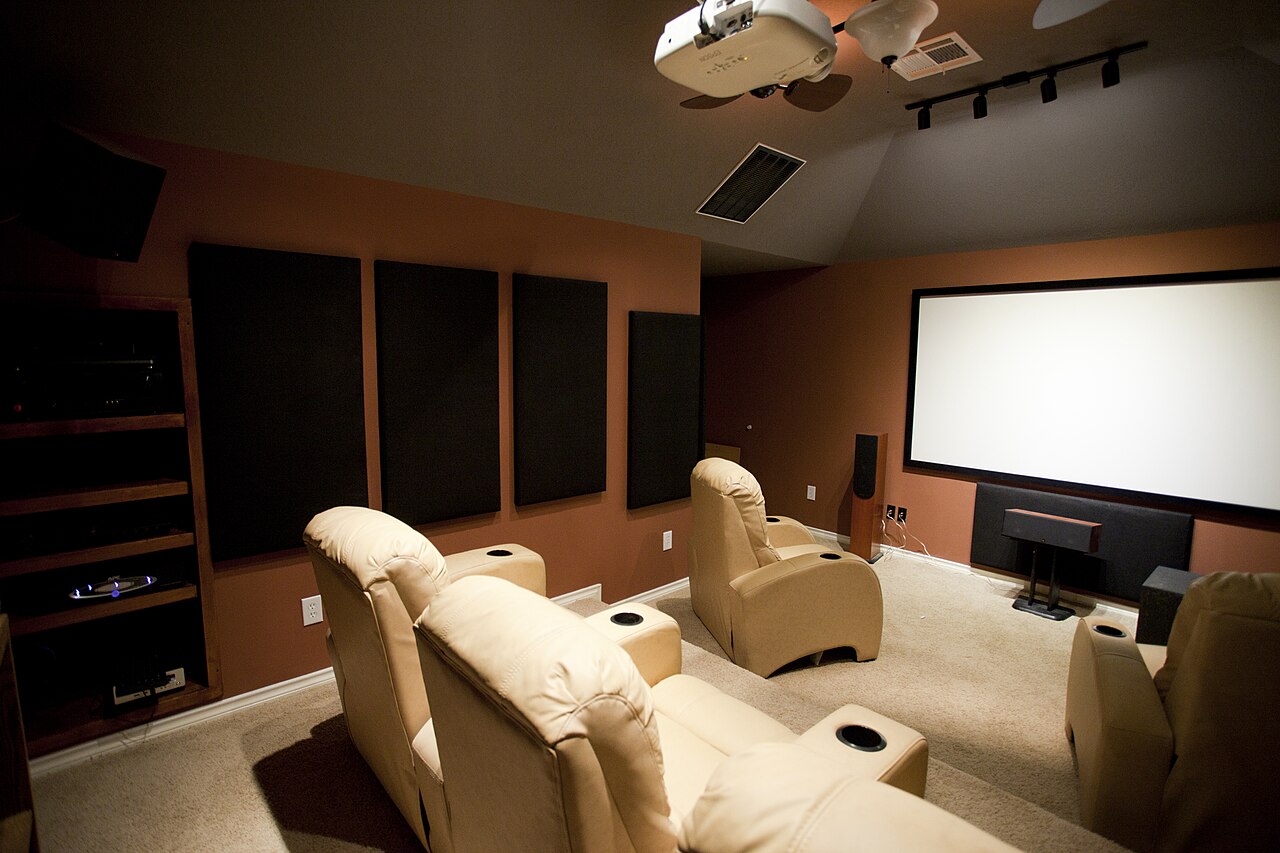
- Late-Night TV: Hooked up to a living room TV, it can let one person on the left side of the couch watch an explosive action movie at full volume while someone on the right side reads in near silence. The camera tracks the listener's head as they move, keeping the beam locked onto their ears.
- Spatial Audio Gaming: Because the device knows exactly where your left and right ears are, it can deliver very precise spatial audio. In a first-person shooter, directional cues of footsteps and gunfire may rival an expensive gaming headset, and your ears never get hot.
What Are the Drawbacks of Directional Audio?
Directional audio still has physical limitations that keep it from completely killing off traditional headphones or room-filling stereos.
- The Bass Problem: Ultrasonic waves are fantastic for high and mid-range frequencies, but they are physically incapable of producing deep, thumping bass. With heavy EDM or hip-hop, the sound beaming speaker can handle the vocals and the synth, but the heavy bass drop just isn't there. You don't feel it in your chest. Some systems try to compensate by pairing the directional speaker with a traditional subwoofer hidden in the room, but it breaks the illusion a bit.
- The Line of Sight Rule: Sound beaming acts like light. If you put your hand in front of a flashlight, you block the beam. If you put your hand over your ear, or walk behind a thick pillar, the audio cuts out. You have to maintain line-of-sight with the speaker array.
- It's a Solo Experience: By definition, this creates a personalized sound bubble. Showing a funny YouTube video to someone else means either pulling them physically into the beam or manually switching the device to "wide broadcast" mode, which defeats the purpose.
Will Sound Beaming Replace Headphones?
No, not entirely. Directional audio in 2026 solves the very specific, modern problem of wanting to consume personal media without isolating yourself from your environment or disturbing others.
It is not going to replace AirPods for the commute, and it definitely won't replace a massive home theater subwoofer setup for a movie night with friends.
But as a dedicated desk speaker for working from home, or a personal audio solution for shared living spaces, I think sound beaming is phenomenal. It brings back the comfort and awareness of listening out loud, with the privacy of wearing headphones. Once you get used to your own invisible bubble of sound, going back to sweaty earcups can feel like a step backward.