Ditching Google for AI Search Engines: Is It Actually Better?
- Technology
- Exienent
- · Updated
Is AI search actually better than Google? For research, coding help, and quick objective facts, AI search engines like Perplexity AI and ChatGPT with web browsing are faster because they read sources for you and return a direct, cited answer. Traditional search still matters for local businesses, login pages, and reading diverse human opinions, and AI answers must be verified wherever accuracy is critical.
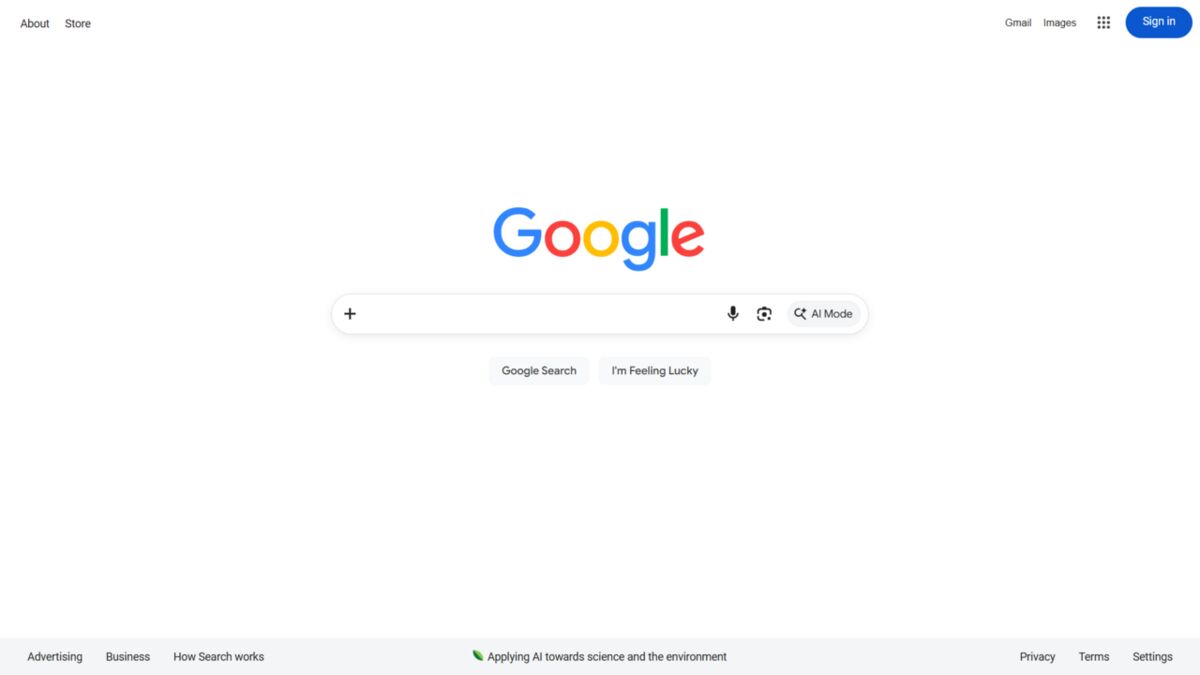
When was the last time you typed a complex, multi-part question into Google and got a straightforward answer without clicking through three different websites, rejecting all cookies, and scrolling past a mountain of ads? The traditional search experience has been slowly decaying. What used to be a magical oracle that instantly delivered information now often feels like a heavily monetized obstacle course. This breakdown looks at what it means to stop using traditional search for everything except basic navigation and lean into generative search instead.
Why Are Direct Answers the Biggest Advantage of AI Search?
Direct answers eliminate friction, which is the single most significant advantage of AI search. It completely flips the traditional model on its head.
With a standard search engine, you ask a question, and the engine points you to places where the answer might live. You are still doing the heavy lifting of reading, synthesizing, and extracting the information.
With an AI search engine like Perplexity, you ask a question, and it acts as your personal research assistant. It scours the web, reads those articles for you, synthesizes the information from multiple sources, and delivers a concise, custom-written answer directly to you.
Consider a question like the specific differences between two types of tax-advantaged retirement accounts under a newly proposed 2024 regulation. Traditional search tends to return dense financial jargon on government websites or 3,000-word SEO-optimized blog posts that bury the actual answer at the very bottom.
Perplexity can turn the same query into a neatly formatted bulleted list outlining the differences, complete with clickable footnote citations linking directly to the source material for verification. That can save a meaningful amount of reading time. It isn't just an incremental improvement; it's a completely different workflow. (For financial decisions, the summary is a starting point, not a substitute for the official rules or a professional.)
What Are the Pitfalls of AI Search?
Relying entirely on generative search comes with its own set of headaches, and the two biggest are hallucinations and a loss of source diversity.
Can AI Search Engines Hallucinate?
Yes. AI models, even when grounded by web search, can still hallucinate. They are fundamentally prediction engines, not databases of truth. Sometimes they will confidently state a fact that is completely fabricated.
Engines like Perplexity are much better at this because they cite their sources, but they can still misinterpret the source material. If you are researching something where accuracy is critical—like medical advice, legal interpretations, or precise historical dates—you cannot blindly trust the AI's summary. You still have to click those footnotes and verify.
Does AI Search Reduce Source Diversity?
It does, and the issue is subtle but important. When you use AI search, you are viewing the web through a very narrow, algorithmic lens. The AI decides which sources are most relevant and summarizes them.
You miss out on the serendipity of discovering a niche, passionate blog or a forum thread with a unique perspective. You lose the nuance of reading a primary source in the author's original voice. AI summaries tend to flatten all information into a very neutral, slightly robotic tone. For objective facts, that's great. For opinion, critique, or nuanced debate, it's a massive loss.
Should You Replace Google with AI Search?
For most informational queries, yes, but with a caveat. For coding help, synthesizing complex topics, troubleshooting technical issues, or finding quick objective facts, the speed and efficiency of AI search are hard to beat.
Traditional search still has a place, though:
- Finding a specific local business
- Navigating to a particular login page
- Diving deep into a subjective topic by reading diverse human opinions on Reddit
We are living through a fundamental transition in how people access information. AI search isn't just a new feature; it is a profound behavioral shift. In my view, if you haven't started integrating it into your daily workflow, you are missing out on one of the biggest productivity leaps of this decade.