AI 'Follow-Me' Drones for Backpacking: What Actually Works and What Doesn't
- Technology, Lifestyle, Review
- Exienent
- · Updated
AI "follow-me" drones can capture cinematic footage of a solo traveler with almost no piloting skill, but they are not foolproof. Obstacle avoidance can miss thin branches, the AI has no real situational awareness around other people, and short battery life adds weight and planning to any trip off the grid. Think of the drone as an assistant, not a replacement for your own judgment.
How Have Camera Drones Changed in 2026?
A few years ago, buying a camera drone meant you needed to essentially become a part-time pilot. You had to worry about joysticks, wind speeds, collision sensors, and keeping your subject in the frame, all while trying not to crash a very expensive piece of plastic into a tree. If you wanted that epic, cinematic shot of yourself hiking up a mountain, you either needed a highly skilled friend or a lot of luck.
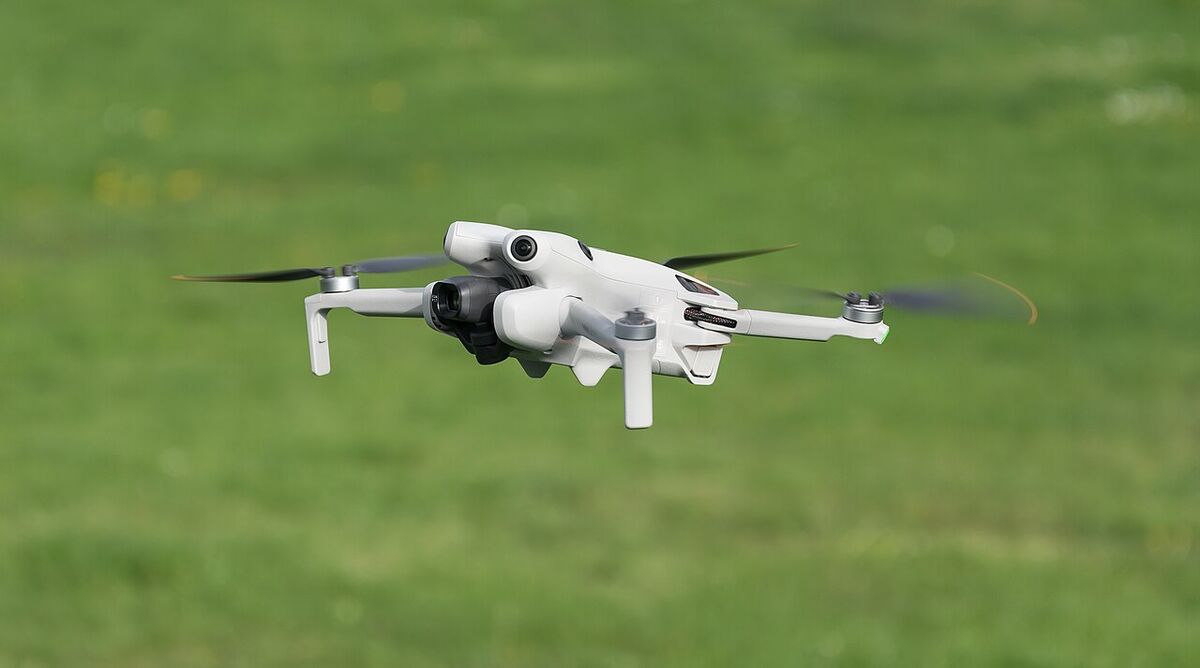
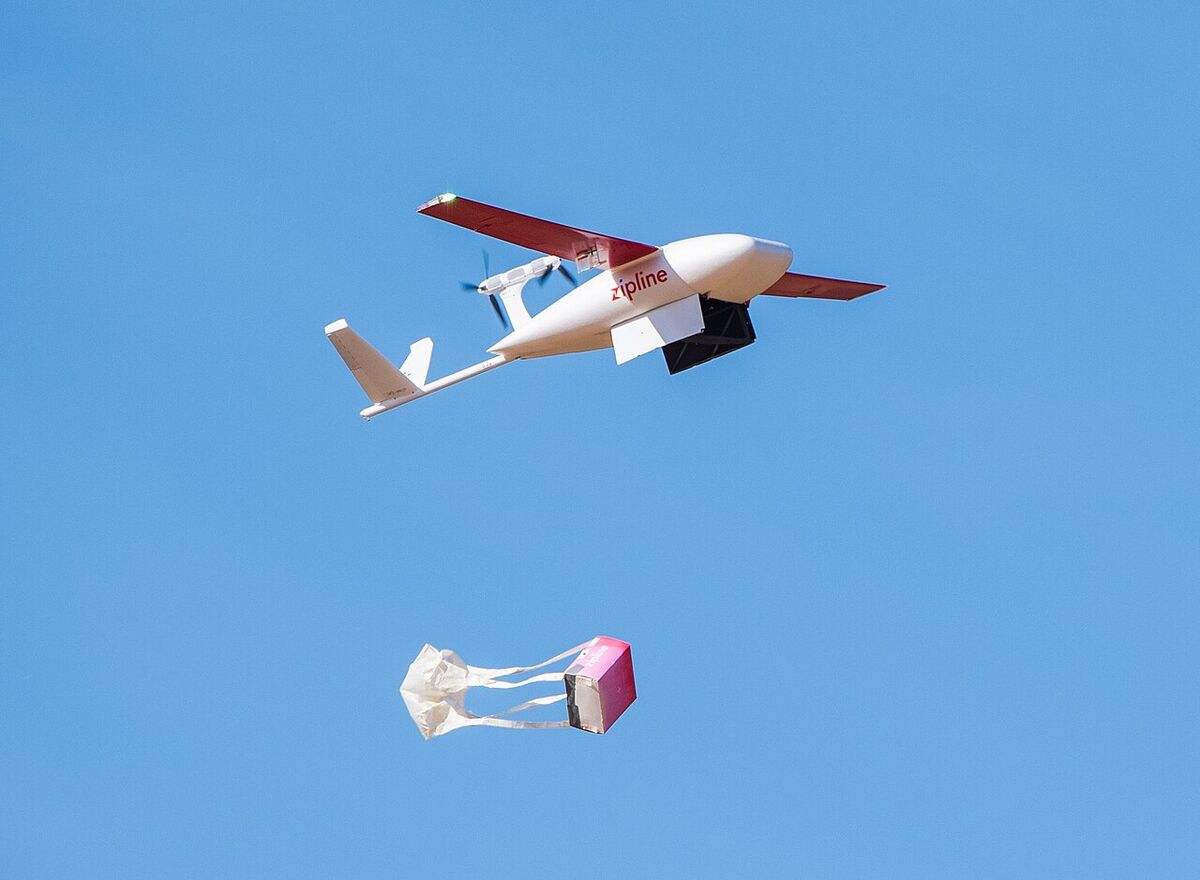
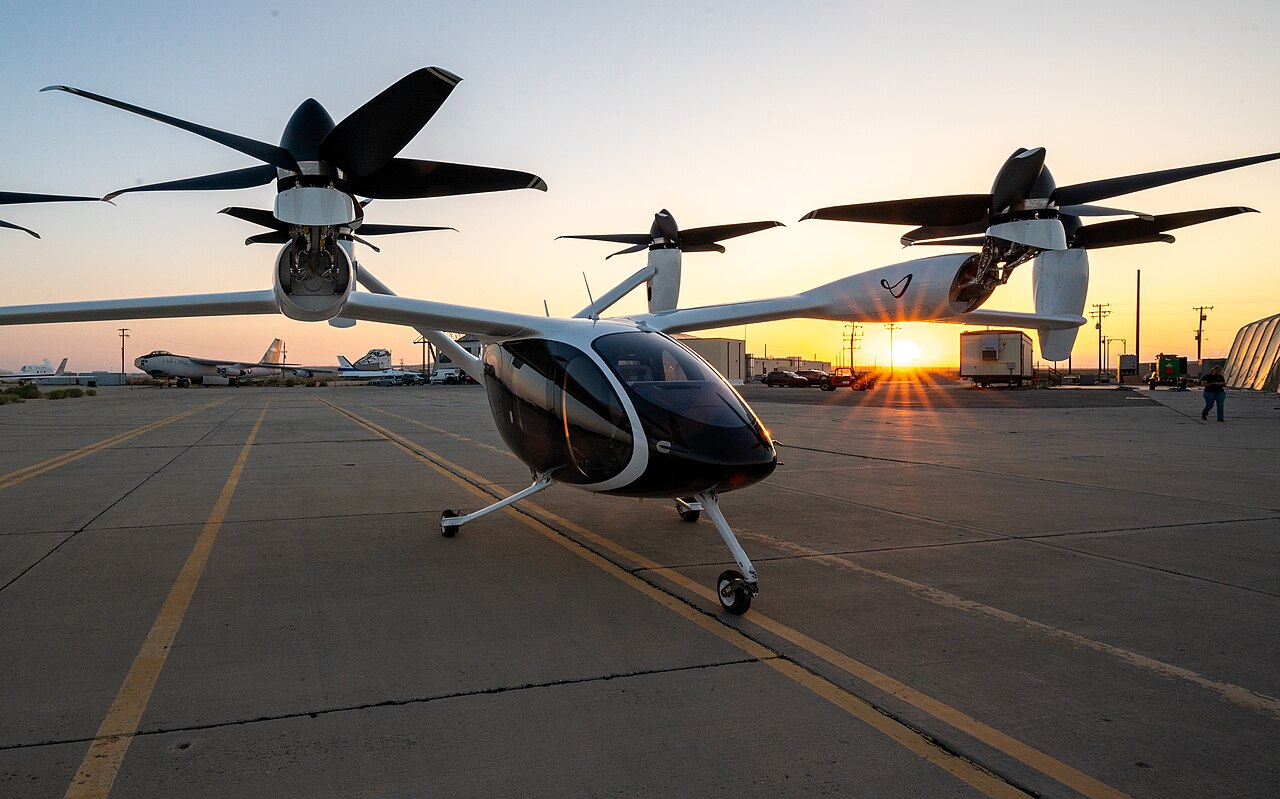
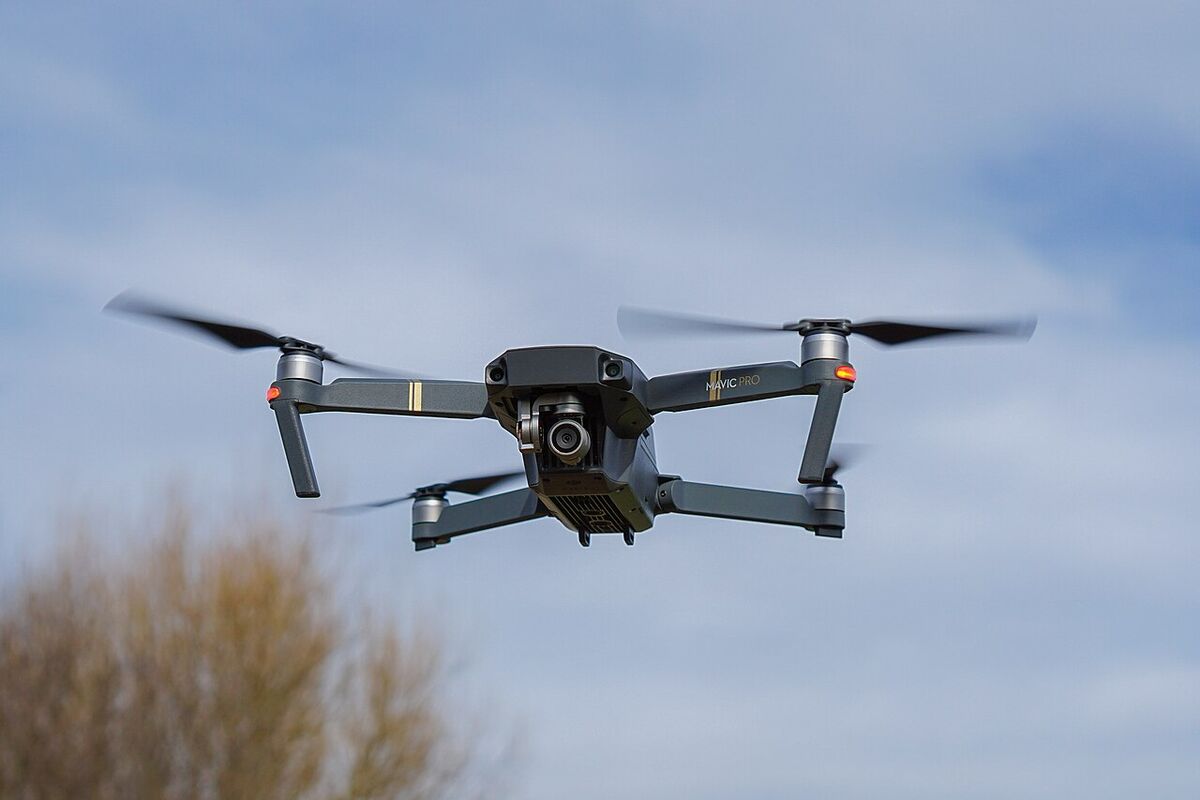
In 2026, the drone industry has completely shifted. The latest consumer drones are heavily marketed not as remote-controlled aircraft, but as autonomous AI flying cameras. You simply throw them in the air, tell the AI to "follow me," and walk away. The onboard neural processors promise to handle all the flying, framing, and obstacle avoidance perfectly.
For a multi-day backpacking trip across rugged coastal trails, that promise is exactly the kind of magic a traveler wants: no vacation spent staring at a remote control screen, just a robotic camera crew that lives in your backpack. The sections below look at what relying on an AI drone in the wild actually involves.
How Well Does AI Follow-Me Tracking Work?
When the system works as advertised, it feels like absolute witchcraft.
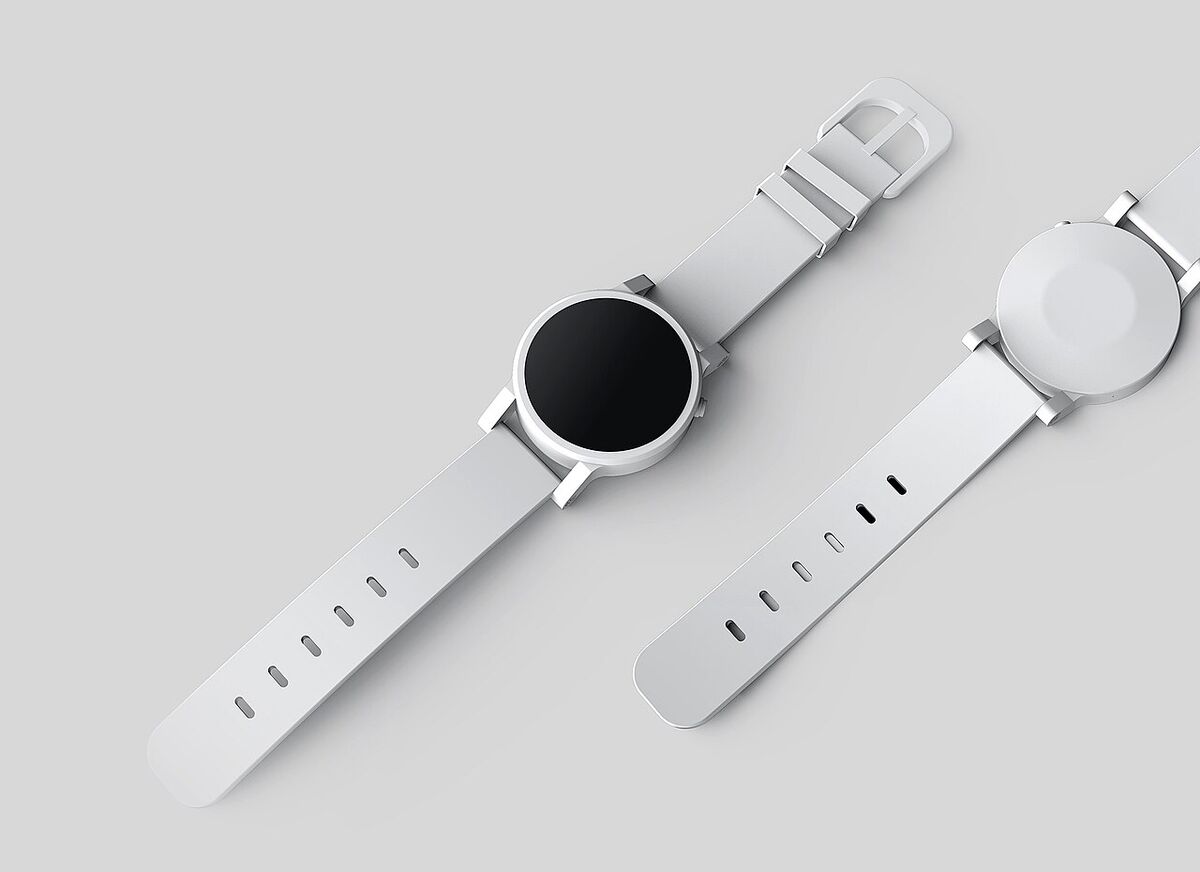
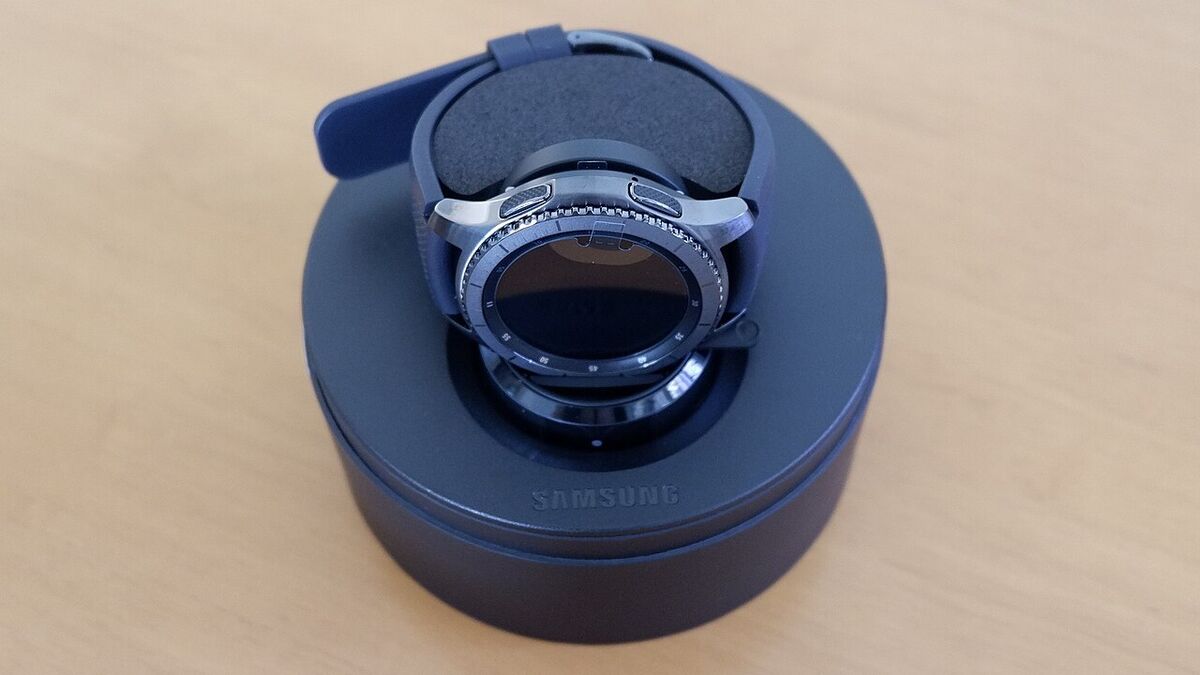
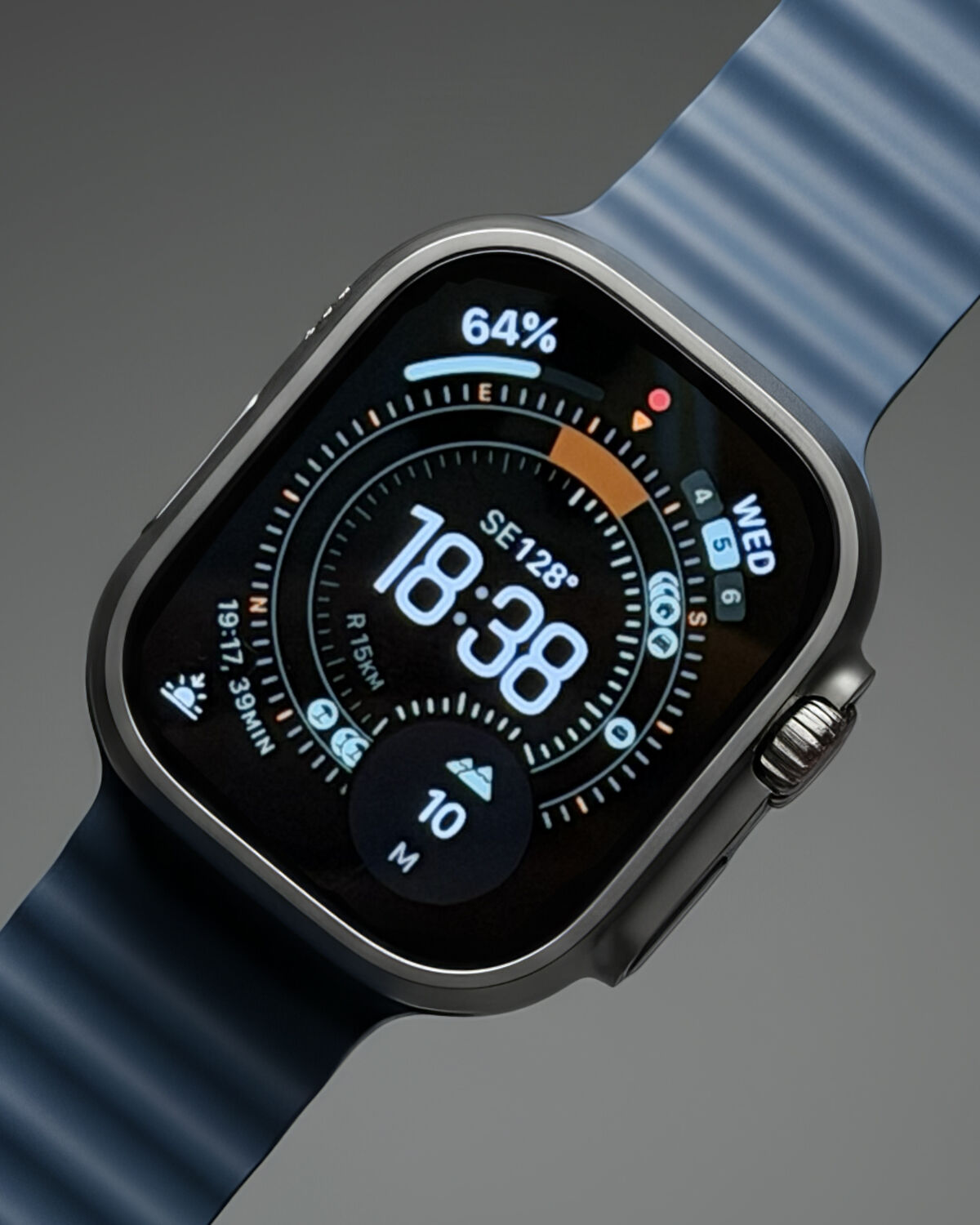
Picture a stunning, narrow ridge line with steep drops on either side. Operating a manual drone there would be a nerve-wracking nightmare. With an autonomous model, the workflow can be as simple as pressing the single physical button on its chassis and tossing it into the air. In a companion app on a smartwatch, you tap your face to lock the tracking algorithm, select a mode like "Cinematic Orbit," and just start walking.
The AI tracking can be remarkably sticky. When the subject walks behind thin trees or large boulders, the drone doesn't have to panic. Its predictive algorithms map the subject's trajectory and can reacquire their visual signature as soon as they emerge. A good system maintains the rule of thirds, smoothly panning around the subject while calculating depth to avoid a jagged cliff face.
The resulting footage can look like the work of a professional Hollywood helicopter crew. For a solo traveler wanting to capture memories without breaking the immersion of the moment, that convenience is hard to beat.
Where Does AI Drone Autonomy Fail?
Bringing an autonomous flying robot into unpredictable wilderness quickly exposes the limitations of 2026's consumer AI.
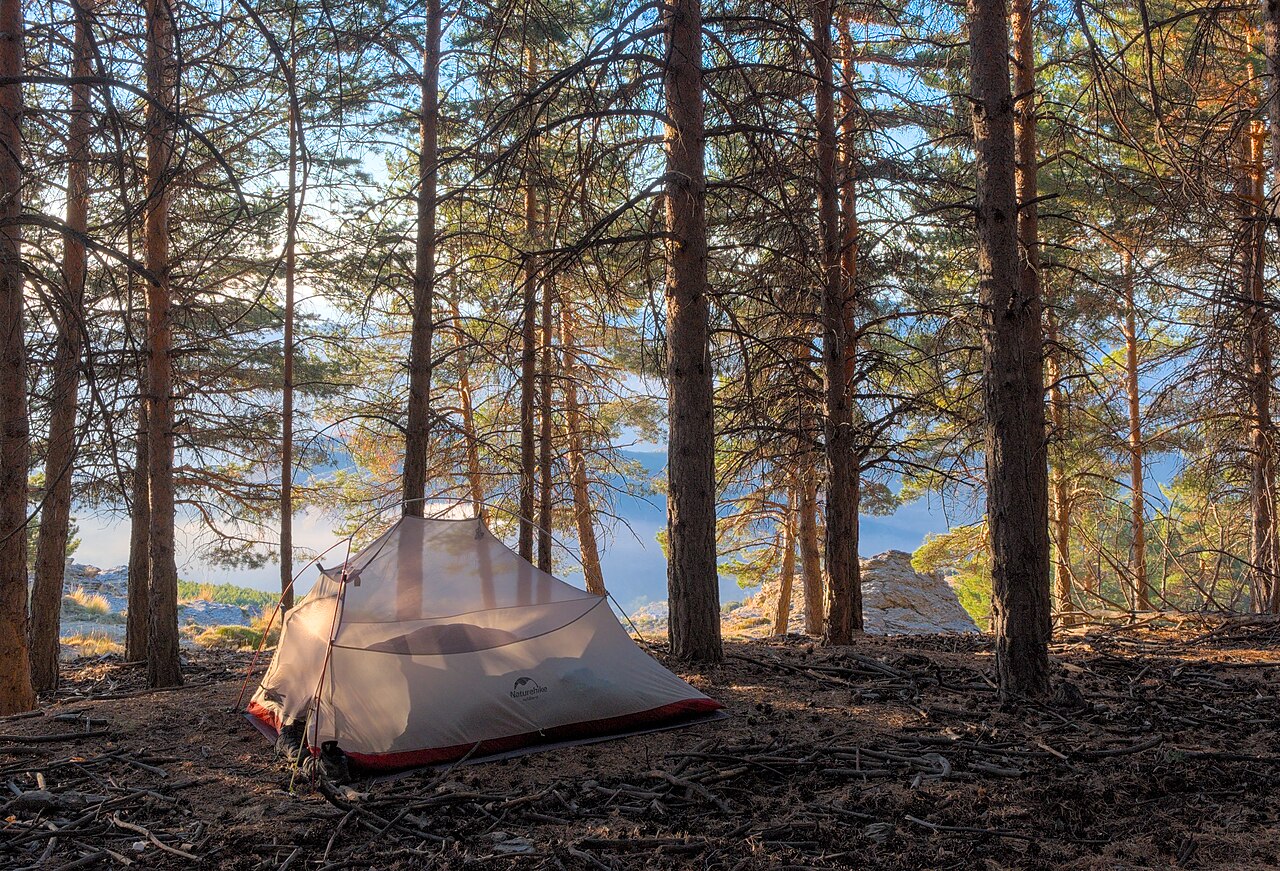
The obstacle avoidance is good, but not perfect. The sensors are adept at dodging large, solid objects like tree trunks or brick walls, but they can struggle with thin, complex geometries. On a hike through a dense pine forest, a drone may confidently track its subject right into a web of thin, dead branches that the AI simply doesn't register as a threat. The result can be a crash, a broken propeller, and a search through the bushes.
The AI also lacks situational awareness. The drone understands where you are, but it doesn't understand the context of where you are. It may decide that the "best cinematic angle" is to fly backward directly over a crowded public trail or dangerously close to other hikers just trying to enjoy their day. It doesn't know what a "no-fly zone" looks like visually unless it's hardcoded into its GPS map. You still have to babysit the machine to ensure it isn't being a nuisance to the public.
How Much Do Batteries Limit an AI Drone?
Battery anxiety is the biggest issue the flashy commercials rarely mention.
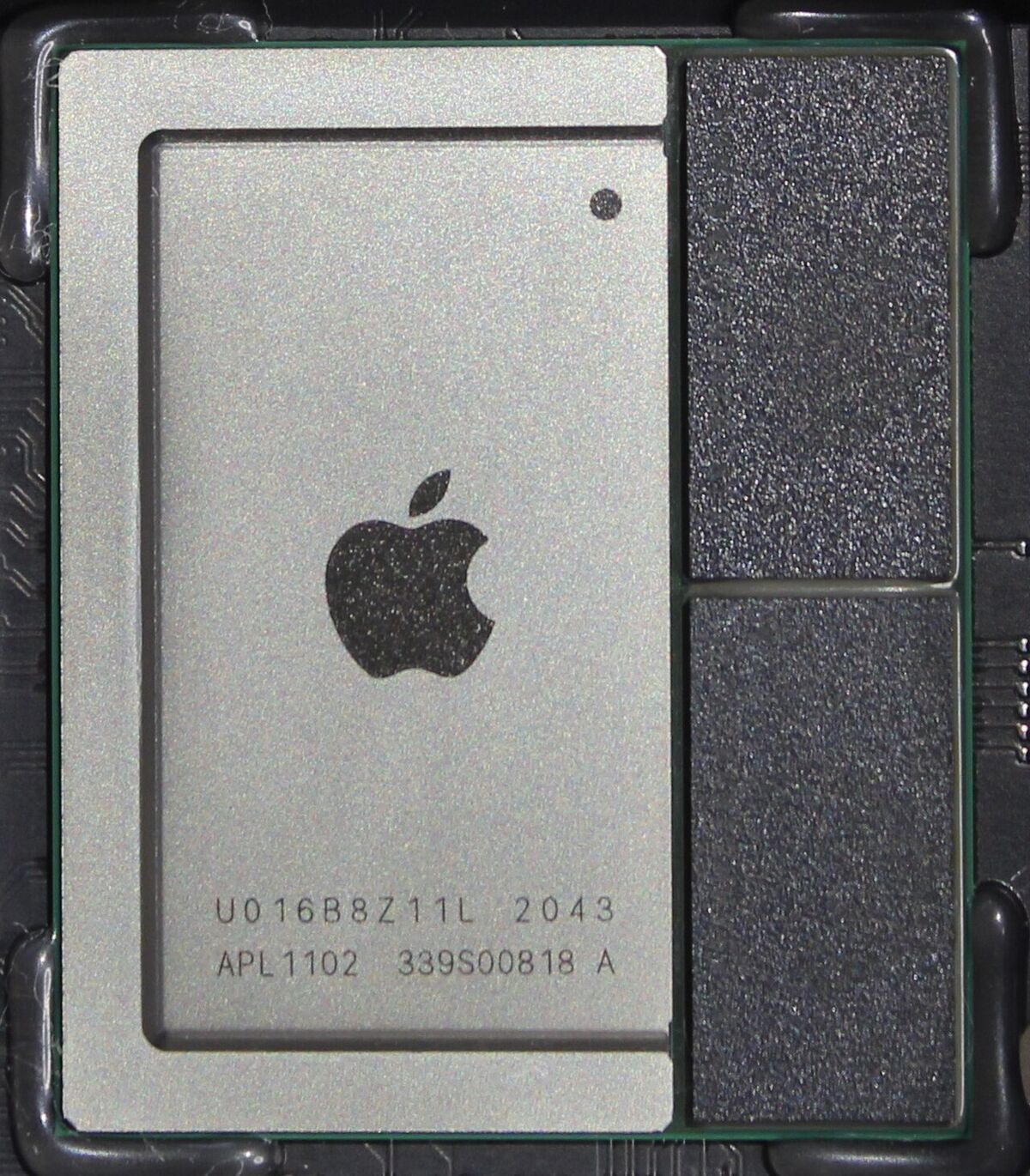
To process advanced AI vision models in real time, the onboard Neural Processing Unit (NPU) draws a massive amount of power. Even if the drone itself is light, the actual flight time per charge can be short.
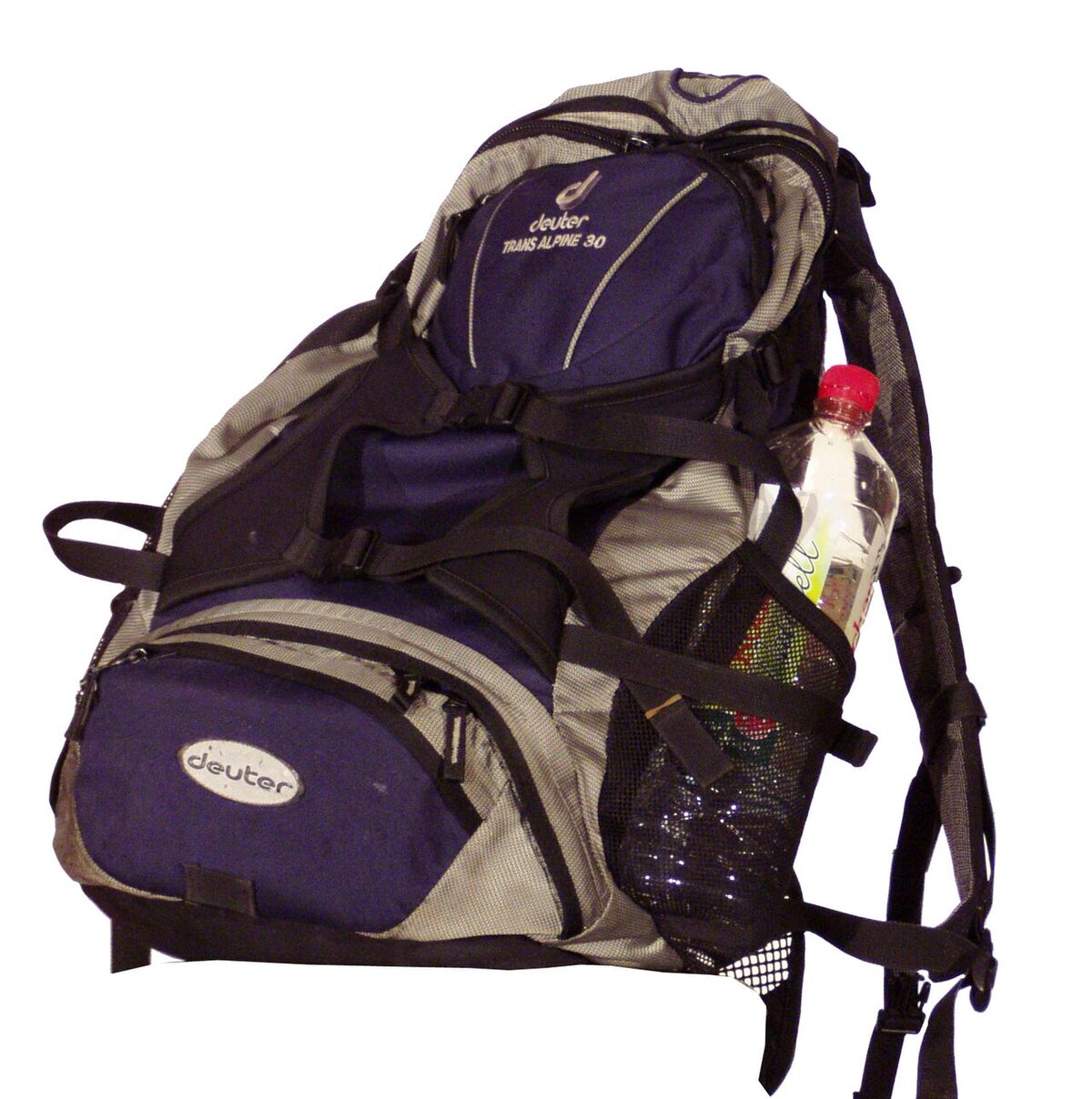
Off the grid, that means carrying spare batteries and a portable power bank just to keep the drone fed. The drone might be a lightweight "flying camera," but the logistical ecosystem required to keep it airborne can add real weight to a backpack. On long hiking days, you feel every single ounce.
Is a Fully Autonomous Drone Worth It?
Is the era of the fully autonomous, set-it-and-forget-it drone finally here? Sort of.
If you are a solo content creator, a vlogger, or just someone who wants incredible footage of your adventures without learning how to be a drone pilot, these AI-powered cameras are a massive leap forward. The footage they can capture autonomously is breathtaking and was previously out of reach for most amateurs.
However, do not mistake "autonomous" for "foolproof." You cannot simply throw it in the air and forget about it. You still need to manage its batteries, monitor its flight path to ensure it doesn't annoy bystanders, and be ready to intervene when its computer vision fails to see a thin tree branch.
It is an incredible tool, but for now, the AI is still just an assistant. You are still the director.