Why Buy Vinyl Records in the Age of AI Music Generation?
- Lifestyle, Hardware
- Exienent
- · Updated
In 2026, buying vinyl records makes sense precisely because it is inconvenient. A record demands your attention, gives you music you actually own, and its pops and crackles are proof of a physical, human process, which is exactly what AI-generated and streamed music lacks.
Why Does Vinyl Feel Different From AI-Generated Music?
Vinyl feels different because AI music is effortless and flawless, and that is the problem. Generative AI music tools like Suno and Udio can turn a prompt about drinking coffee in the rain into a perfectly mixed, studio-quality lo-fi track in seconds. The result can be mathematically flawless and still completely devoid of any emotional weight.
That kind of digital emptiness is a good reason to visit a local record store, pick up a refurbished 1980s turntable, and start collecting vinyl.
When every song ever recorded—plus millions of AI-generated ones—is available instantly via a voice command, buying a physical plastic disc seems absurd. But the sheer inconvenience of vinyl is exactly what gives it value.
Why Is the Friction of Vinyl a Feature?
The friction of vinyl turns music from background noise into something you actually listen to. When you listen to Spotify, music is just wallpaper. It's passive background noise for driving, working, or doing the dishes. If a song doesn't grab your attention in the first three seconds, you hit skip. The algorithms have trained us to be musically impatient.
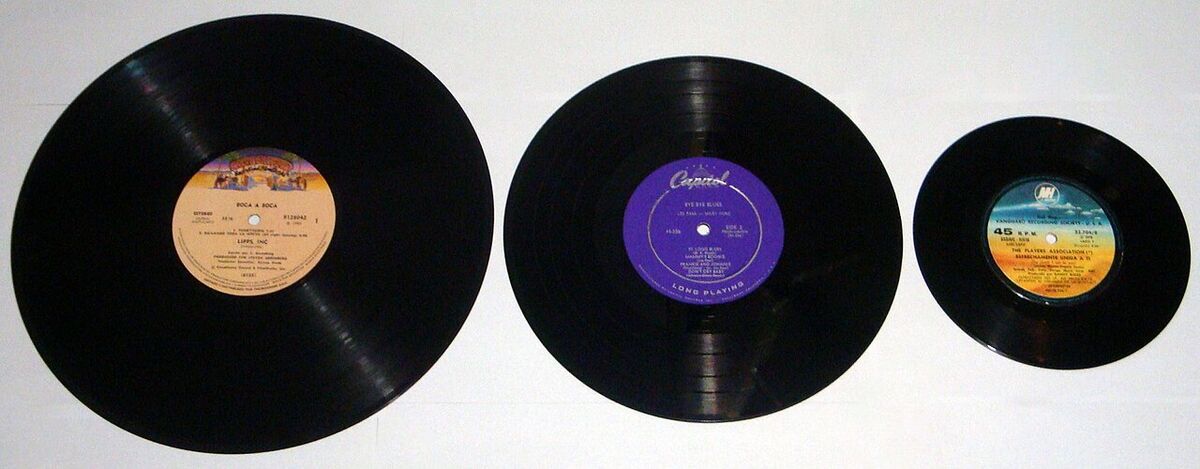
Vinyl demands your full attention. The process is inherently manual and full of friction. You have to physically flip through a shelf, pull out a large cardboard sleeve, carefully slide out the record without touching the grooves, place it on the platter, turn on the motor, and gently lower the needle.
Because of this ritual, you don't just "put music on" in the background. Listening becomes a primary activity. You sit down. You look at the large, beautiful album artwork. You actually read the liner notes. You commit to the artist's vision for 20 minutes at a time, because getting up to move the needle to skip a track is just too annoying.
Do You Really Own Your Music When You Stream It?
Not in the way you own a record. There is a growing anxiety in 2026 about what we actually own. We rent our software, we stream our movies, and our books can theoretically be deleted from our e-readers by the platform at any time. We are living in a subscription-based, cloud-hosted world.
Bringing a physical record home feels radically grounding. If the internet goes out, you still have your music. If a streaming service gets into a licensing dispute and pulls an artist's entire discography, it doesn't affect the plastic disc spinning on your shelf. Holding a 12-inch record feels like holding a piece of history—a physical manifestation of someone's art that cannot be altered or removed by an algorithm update.
Why Do Vinyl's Flaws Make It Feel Human?
Vinyl's flaws are audible evidence of a mechanical process happening in the real world. Audio purists will argue endlessly about the "warmth" of analog sound versus the crisp, clinical precision of lossless digital audio. To me, it's not just about the warmth; it's about the imperfections.
Vinyl records crackle. They pop. If there is a speck of dust on the groove, you hear it. The inner grooves of the record sound slightly different than the outer grooves due to tracking distortion. It is a deeply flawed medium.
But in a year where AI can generate a mathematically perfect, pitch-corrected, hyper-compressed pop song in seconds, those flaws are a beautiful reminder of human engineering. A physical diamond stylus is vibrating against a piece of plastic, and those mechanical vibrations are being amplified into the music you hear. It is practically magic, and the little pops and hisses are just proof that the magic is happening in the real world, not inside a server farm.
How Can You Start Listening to Vinyl?
Start cheap. If you are feeling burnt out by the endless, perfect, algorithmically-generated content feed, go find an inexpensive turntable. Go to a thrift store and buy an old jazz record for three dollars. Make a cup of coffee, drop the needle, and just sit there. You might remember what it feels like to actually listen.