The Rise of Polyfunctional Robots: Why 2026 is the Year Hardware Gets Smart
- Hardware
- Exienent
- · Updated
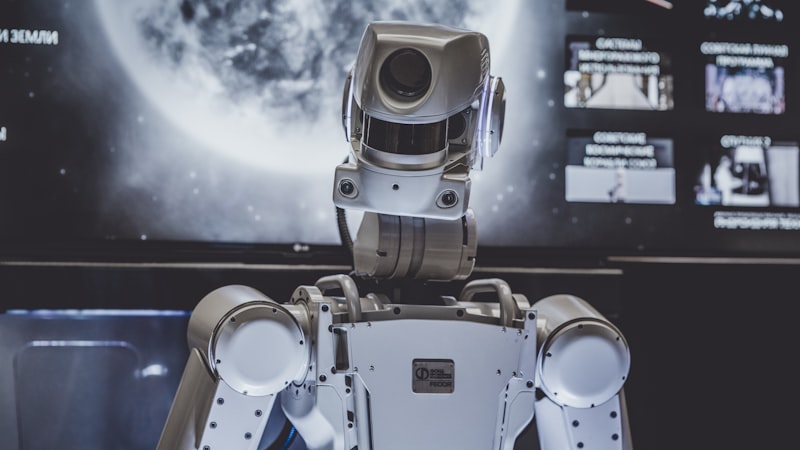
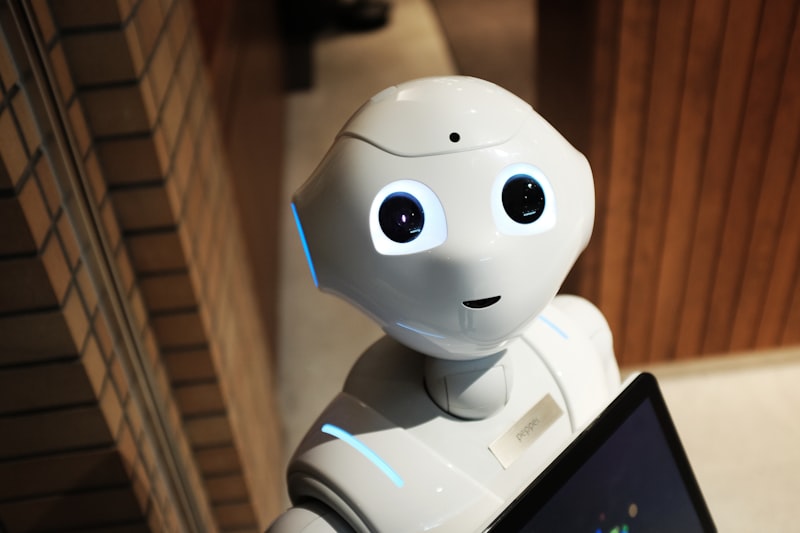
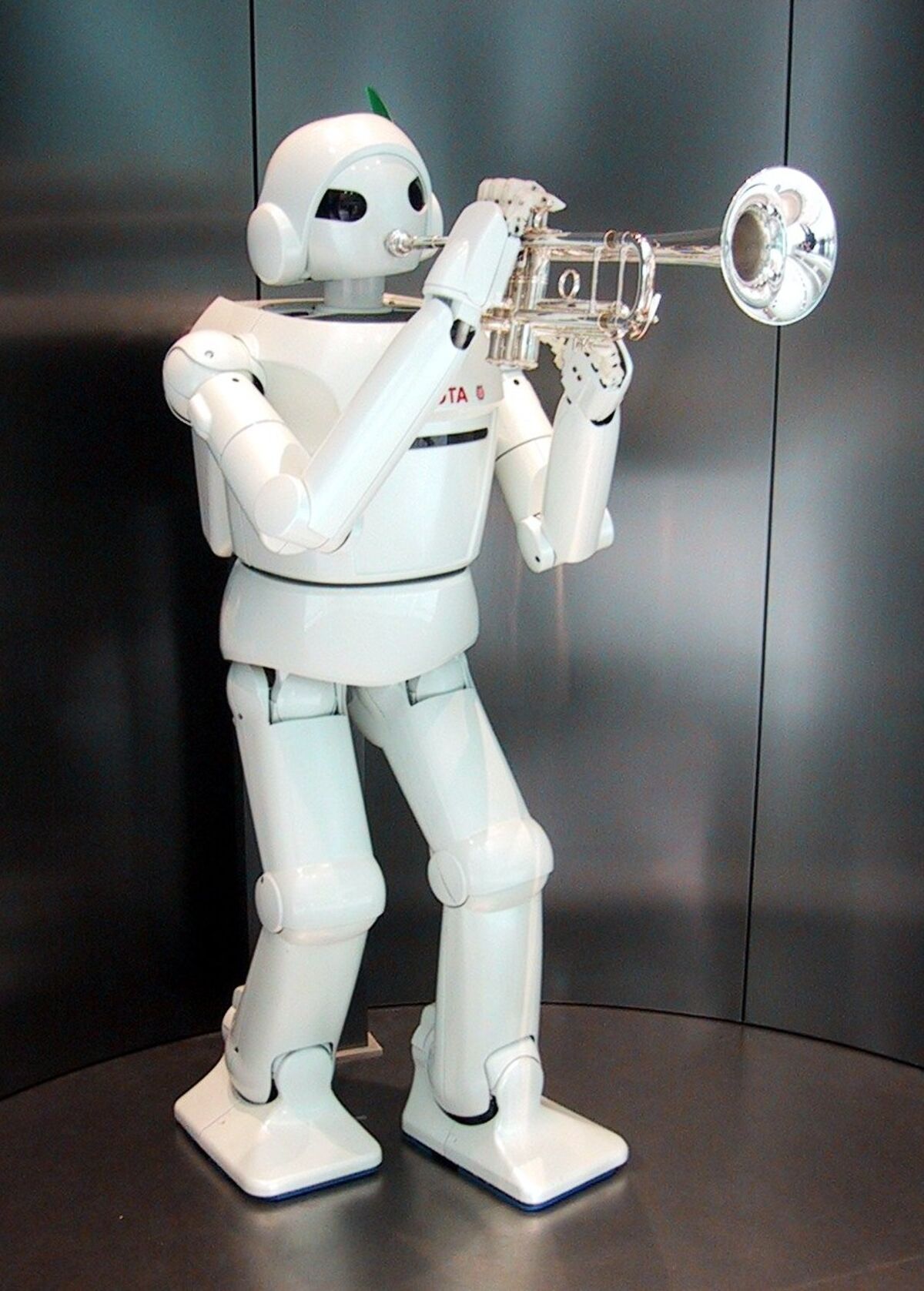
Polyfunctional robots are machines that can learn, adapt, and switch between entirely different tasks instead of repeating one hardcoded motion. In 2026 they are emerging because Information Technology (IT) and Operational Technology (OT) are finally converging, and they mark the start of the end for the single-use industrial robot.
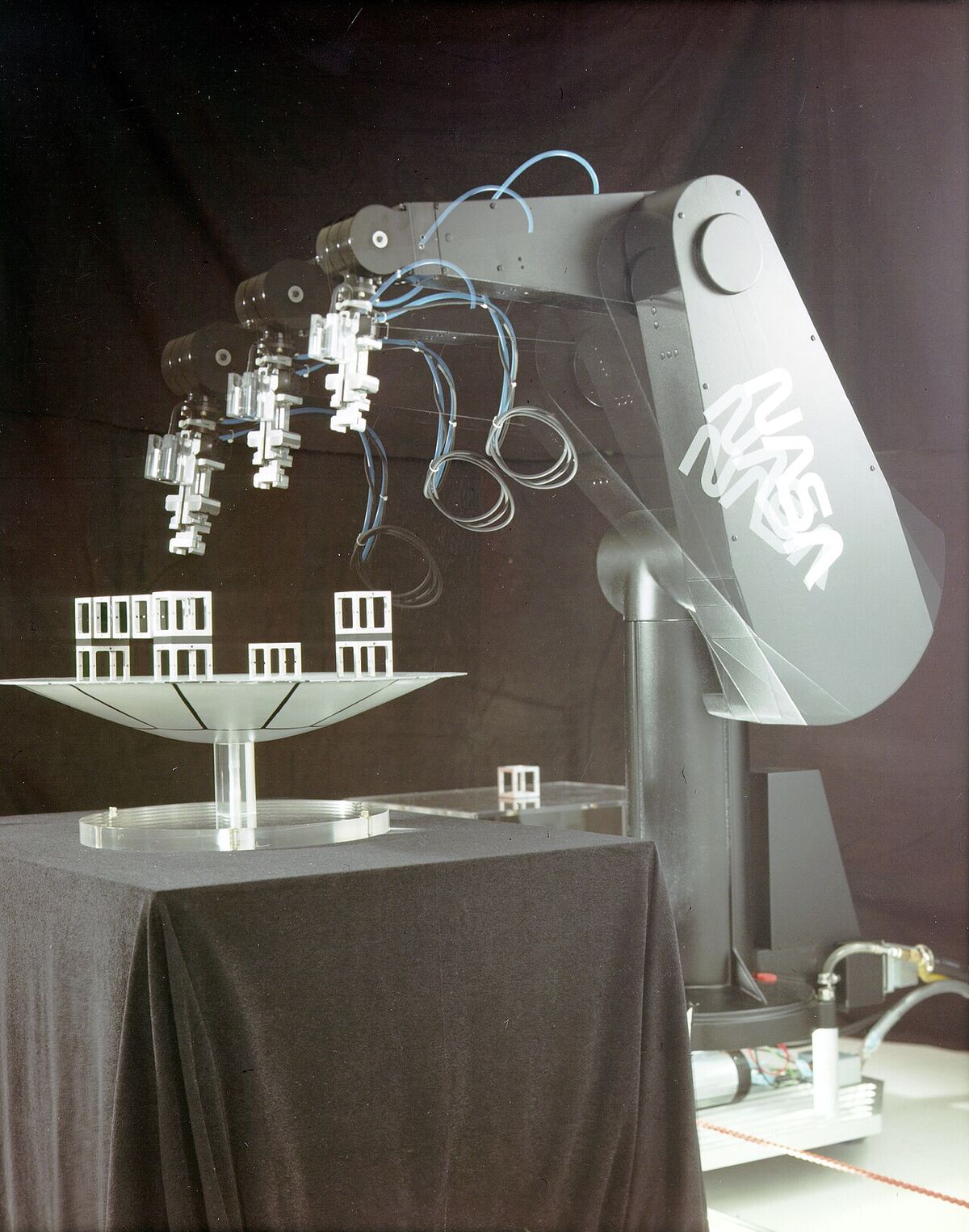
If you picture a robot in a factory, you probably imagine a massive mechanical arm doing exactly one thing: welding a car door, painting a chassis, or moving a specific box from point A to point B. For decades, that has been the reality. Industrial robots were incredibly fast and strong, but they were also incredibly rigid. They were strictly single-function machines.
Polyfunctional robots aren't just incremental upgrades. They represent a fundamental change in how we think about automation, blending physical capability with unprecedented digital intelligence.
What Makes a Robot "Polyfunctional"?
A polyfunctional robot is versatile. Instead of being hardcoded to perform one repetitive motion, it can learn, adapt, and switch between entirely different tasks based on real-time needs.
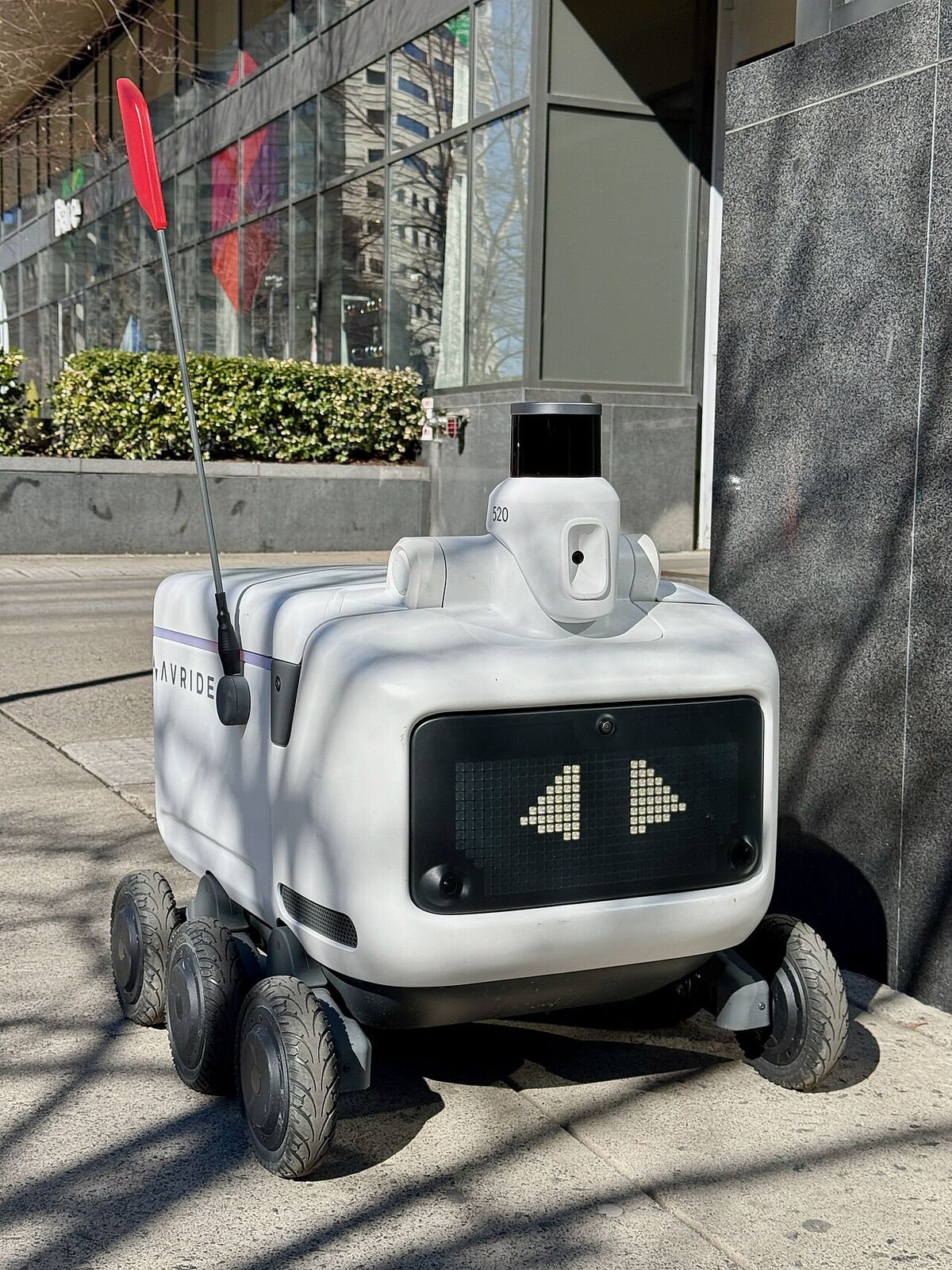
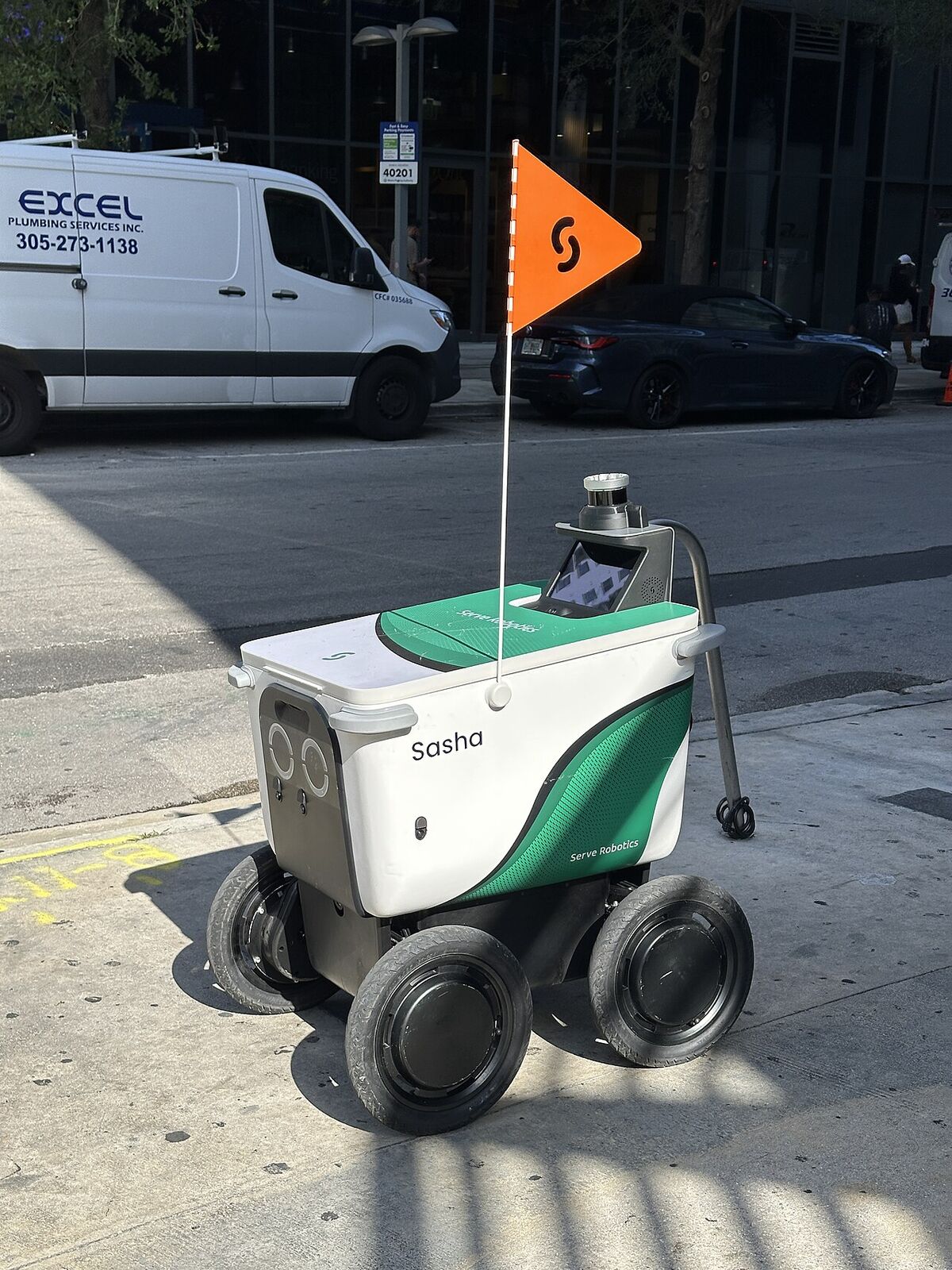
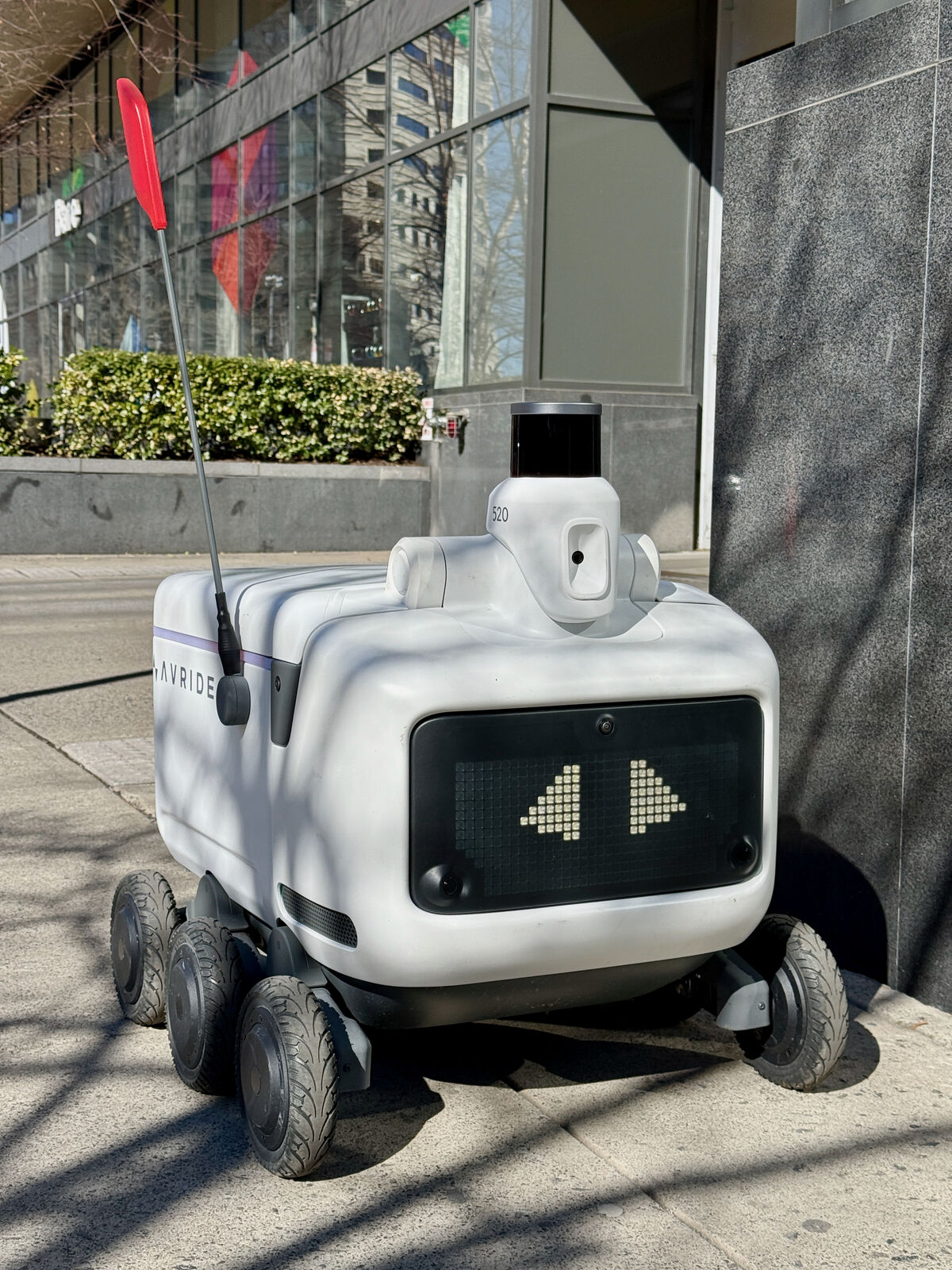
Imagine a mobile robotic unit in a warehouse. In the morning, it might be navigating the aisles, picking items to fulfill online orders. In the afternoon, when a large shipment arrives, the same robot can swap out its gripper attachment, connect to the inventory system, and start unloading the delivery truck and stocking shelves. Later that night, it could switch to cleaning the floors.
This adaptability is what makes them so powerful. You no longer need to buy ten different highly specialized machines; you can invest in a fleet of polyfunctional robots that dynamically reallocate themselves to wherever the work is heaviest.
How Does IT and OT Convergence Make Robots Smarter?
Robots got smart and flexible because the brain (IT) and the muscle (OT) are finally connected. This convergence is one of the biggest tech trends of 2026.
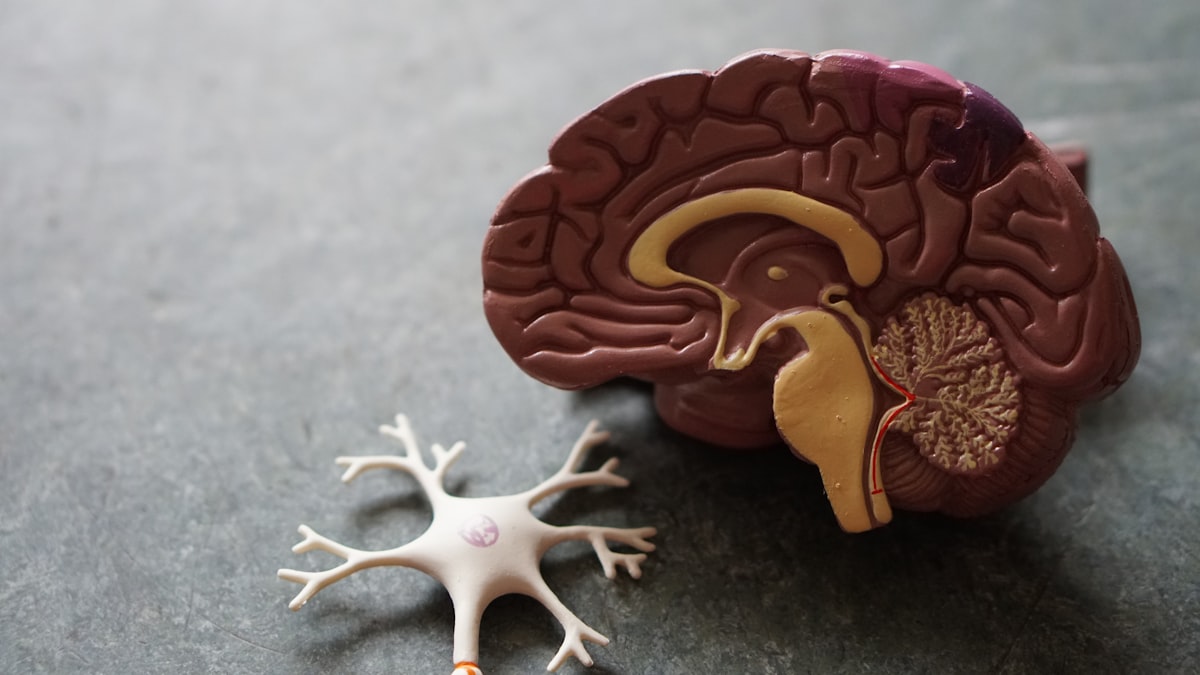
- Information Technology (IT): This is the brain. It's the cloud computing, the data analytics, and the AI models that process massive amounts of information.
- Operational Technology (OT): This is the muscle. It's the physical hardware, the sensors, the motors, and the control systems that actually move the robot in the physical world.
For a long time, IT and OT lived in completely separate silos. The people writing code in the cloud didn't talk to the people turning wrenches on the factory floor.
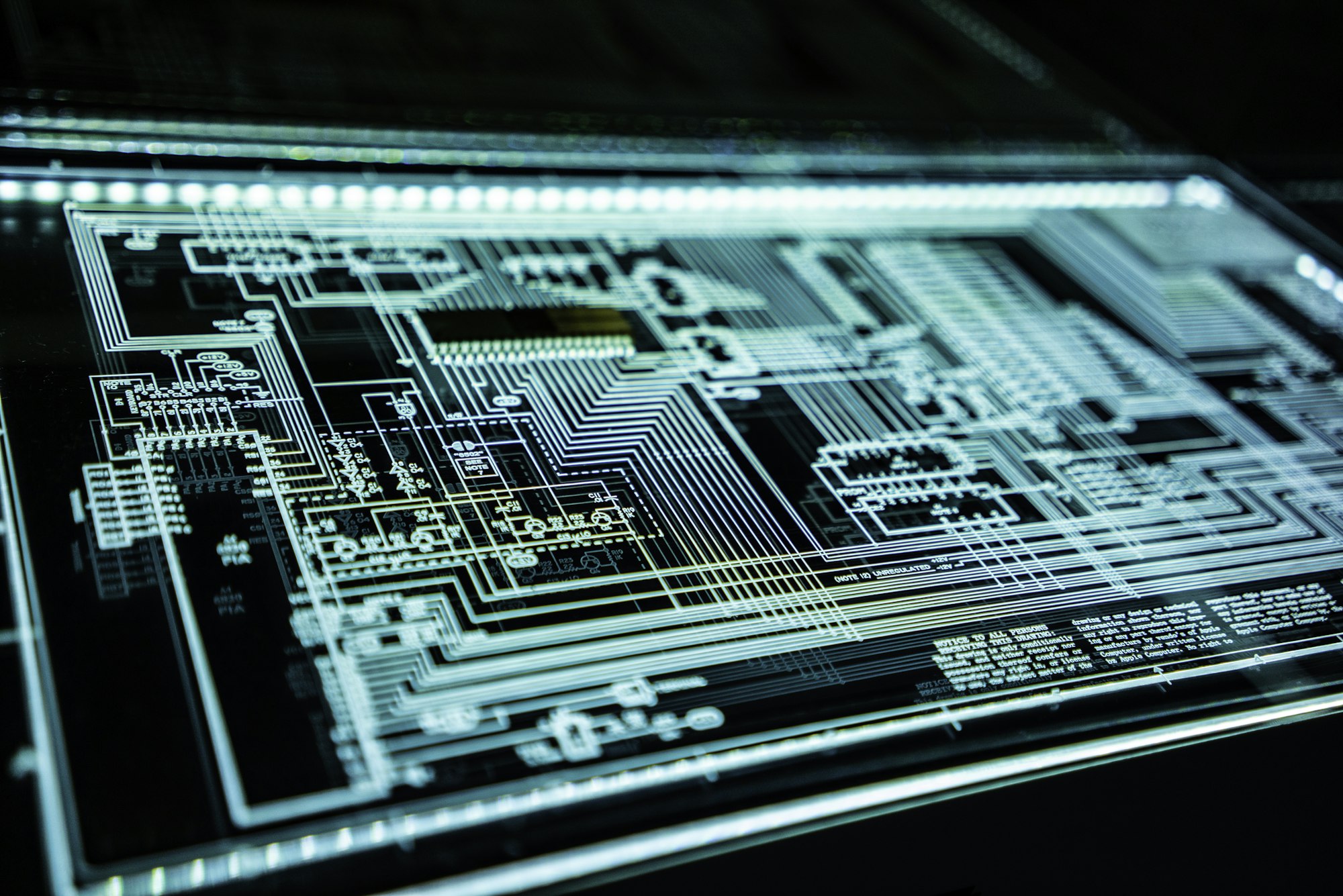
Polyfunctional robots are the physical embodiment of these two worlds finally merging. By integrating the massive data-processing power of modern IT directly into the physical control systems of OT, robots can now "think" as well as they "do."
What Is Fast-Learning Automation?
Fast-learning automation is the practice of teaching robots new tasks in simulation and pushing that knowledge to the physical machine. Because these robots are deeply connected to the IT network, they aren't just following a script; they are actively learning.
Using advanced simulation environments, engineers can teach a polyfunctional robot a new task in a virtual world. The robot figures out the physics, the optimal grip, and the navigation paths digitally. Once it has mastered the task in simulation, that knowledge is pushed down to the physical robot on the floor. It can start performing a completely new job within hours, rather than requiring weeks of manual reprogramming and physical testing.
Industry insiders call this "Fast-Learning Automation." It allows companies to respond to sudden changes in consumer demand, supply chain disruptions, or new product launches with incredible agility.
Where Are Polyfunctional Robots Used Beyond the Factory?
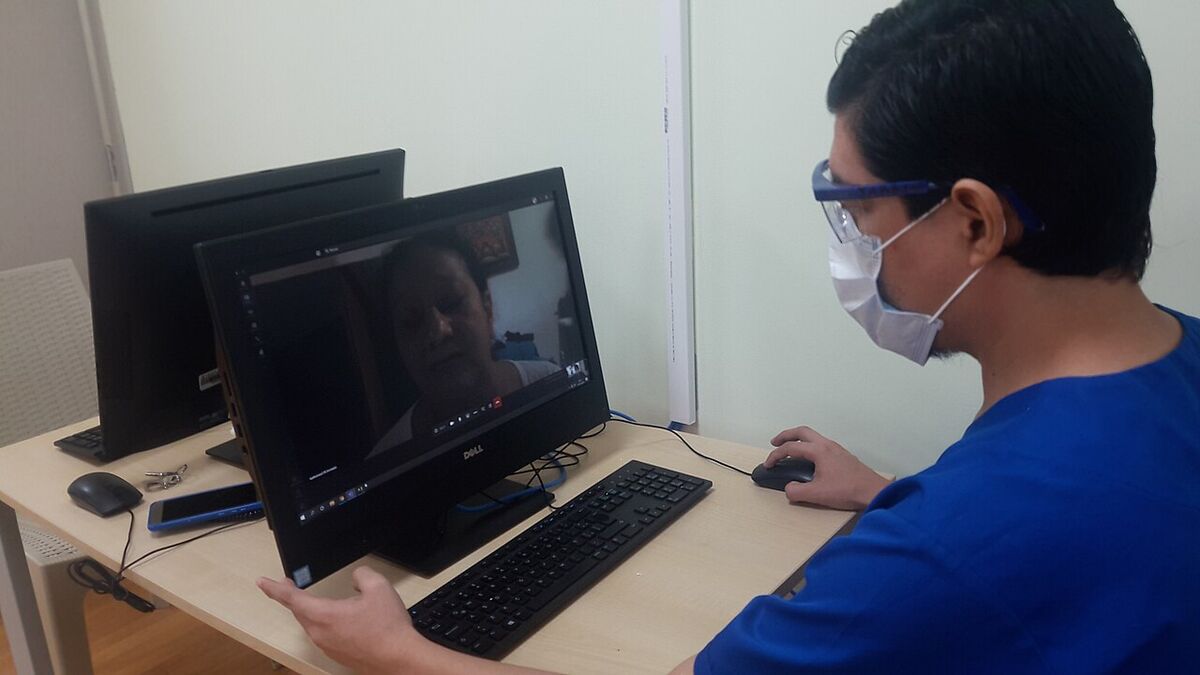
Beyond manufacturing and logistics, the obvious early adopters, polyfunctional robots are spreading into healthcare and agriculture.
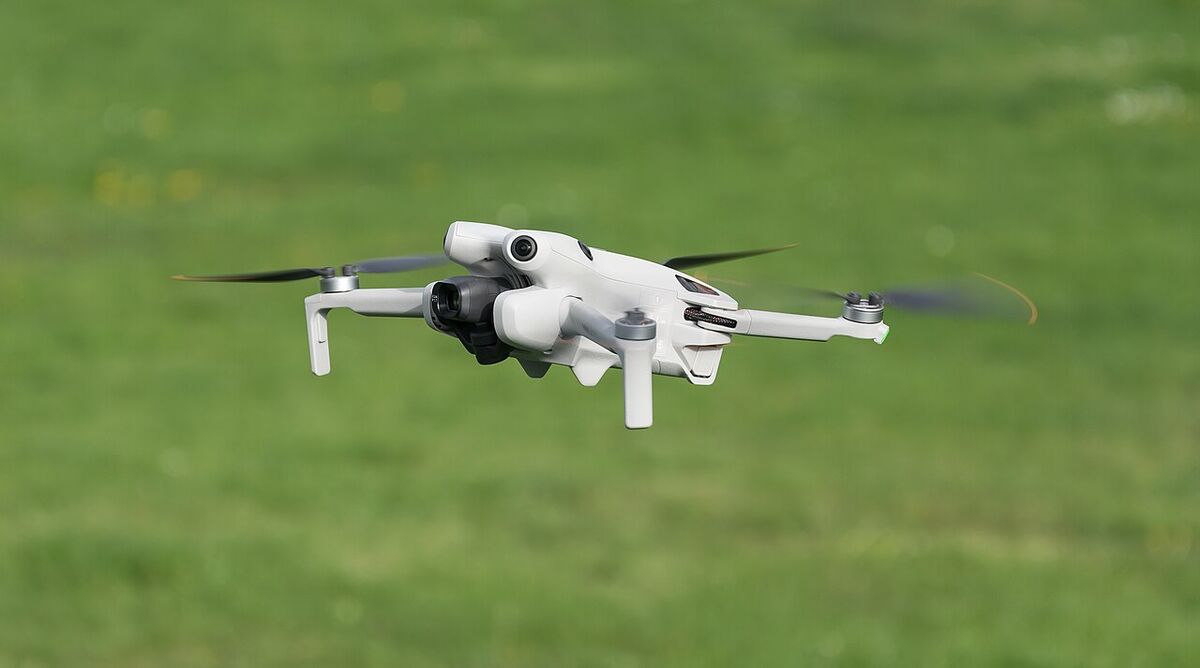
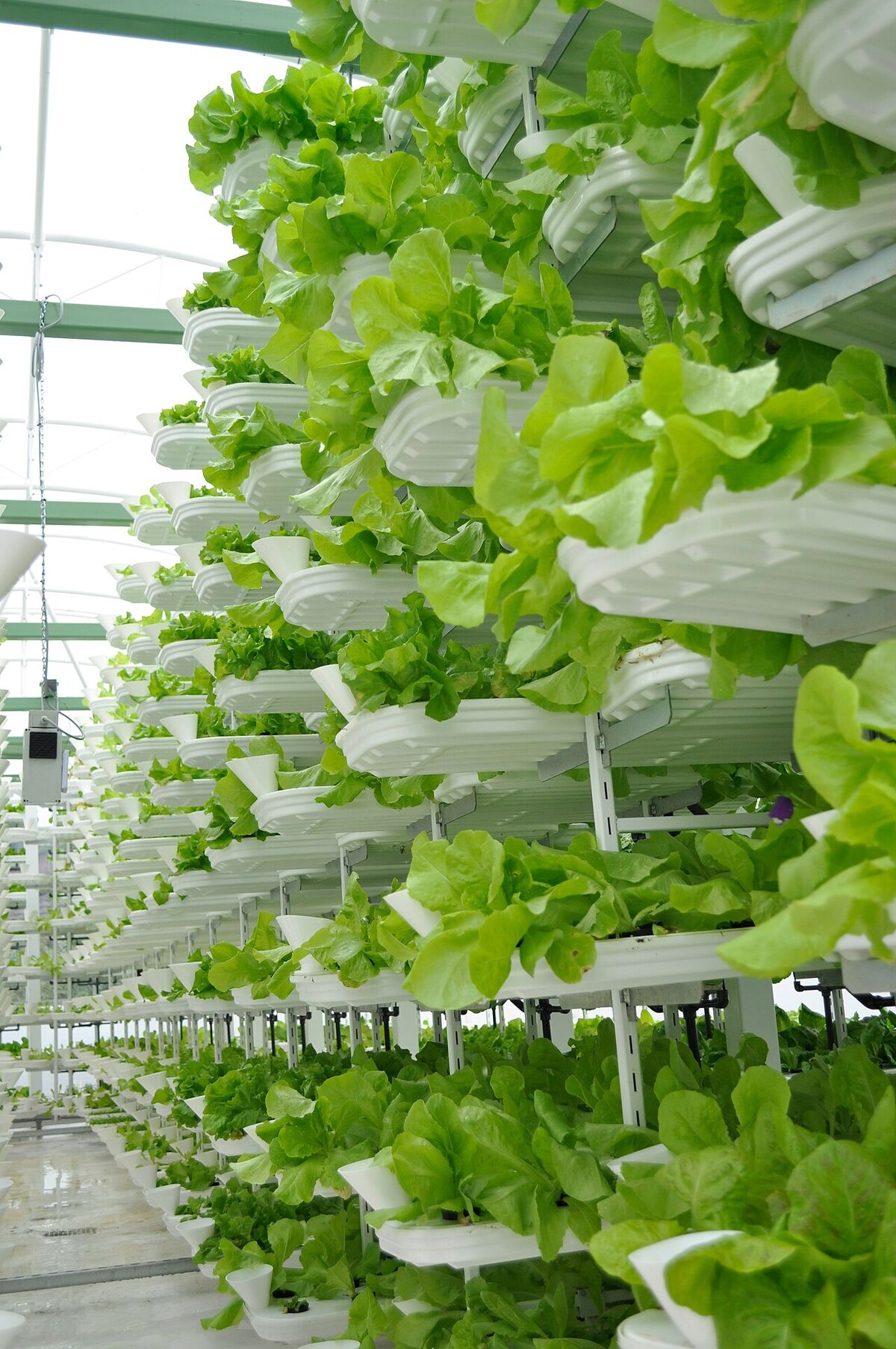
We are seeing early versions of these versatile systems entering healthcare, where a single robotic assistant can transport lab samples, sanitize rooms, and help move heavy equipment. In agriculture, we are moving away from massive, single-purpose harvesters to fleets of smaller, polyfunctional drones and ground rovers that can plant seeds, monitor crop health, and selectively harvest ripe produce depending on the day's requirements.
Are Polyfunctional Robots Worth the Cost?
They cost more up front, but the ROI calculation is changing. Transitioning to this new model isn't cheap: the initial hardware costs for a polyfunctional robot, packed with high-end sensors and compute modules, are higher than a traditional "dumb" arm.
However, when you factor in the potential reduction in downtime, the ability to repurpose the machine for future product lines, and the overall increase in operational agility, the long-term economics can favor versatility.
We are watching hardware finally catch up to the speed of software. The polyfunctional robot isn't just a new tool; it's a completely new workforce model, and it's set to redefine how physical work gets done over the next decade.