The Reality of Brain-Computer Interfaces: Where Neuralink and BCI Tech Stand in 2026
- Technology, Healthcare
- Exienent
- · Updated
In 2026, Brain-Computer Interfaces (BCIs) have moved past proving that the technology works and are pushing toward high-volume clinical use. The biggest shifts are scaled manufacturing of implants like Neuralink's N1 and robotic surgery that inserts threads in seconds without removing the dura.
Remember when controlling a computer with your mind sounded like pure science fiction? The future arrived a bit faster than most of us anticipated. Leading the charge, companies like Elon Musk's Neuralink are hitting milestones that are changing the timeline for human enhancement. Let's strip away the hype and look at the concrete progress, and what it means for the future of human-computer interaction.
Where do BCIs stand in 2026: pilot studies or mass production?
BCIs are moving from pilot studies toward mass production. The focus is no longer on simply proving that the technology works. The early patients, individuals with severe paralysis, have already demonstrated that they can control cursors, play complex video games, browse the internet, and express digital agency using nothing but their thoughts.
Now, in 2026, the focus has pivoted to scale.
- High-Volume Manufacturing: Companies are ramping up the production of devices like the N1 implant. This involves streamlining the manufacturing process and drastically reducing the cost of the intricate, micro-scale components, such as the needle cartridges used for insertion.
- Expanding Patient Access: We are seeing a significant increase in the number of successful implantations globally. What was once a singular medical marvel is steadily becoming a repeatable, reliable clinical procedure.
How is brain surgery for BCIs being automated?
Robotic surgeons now handle the implantation, and that may be the most clinically meaningful development of 2026: not the chip itself, but how it gets into the brain.
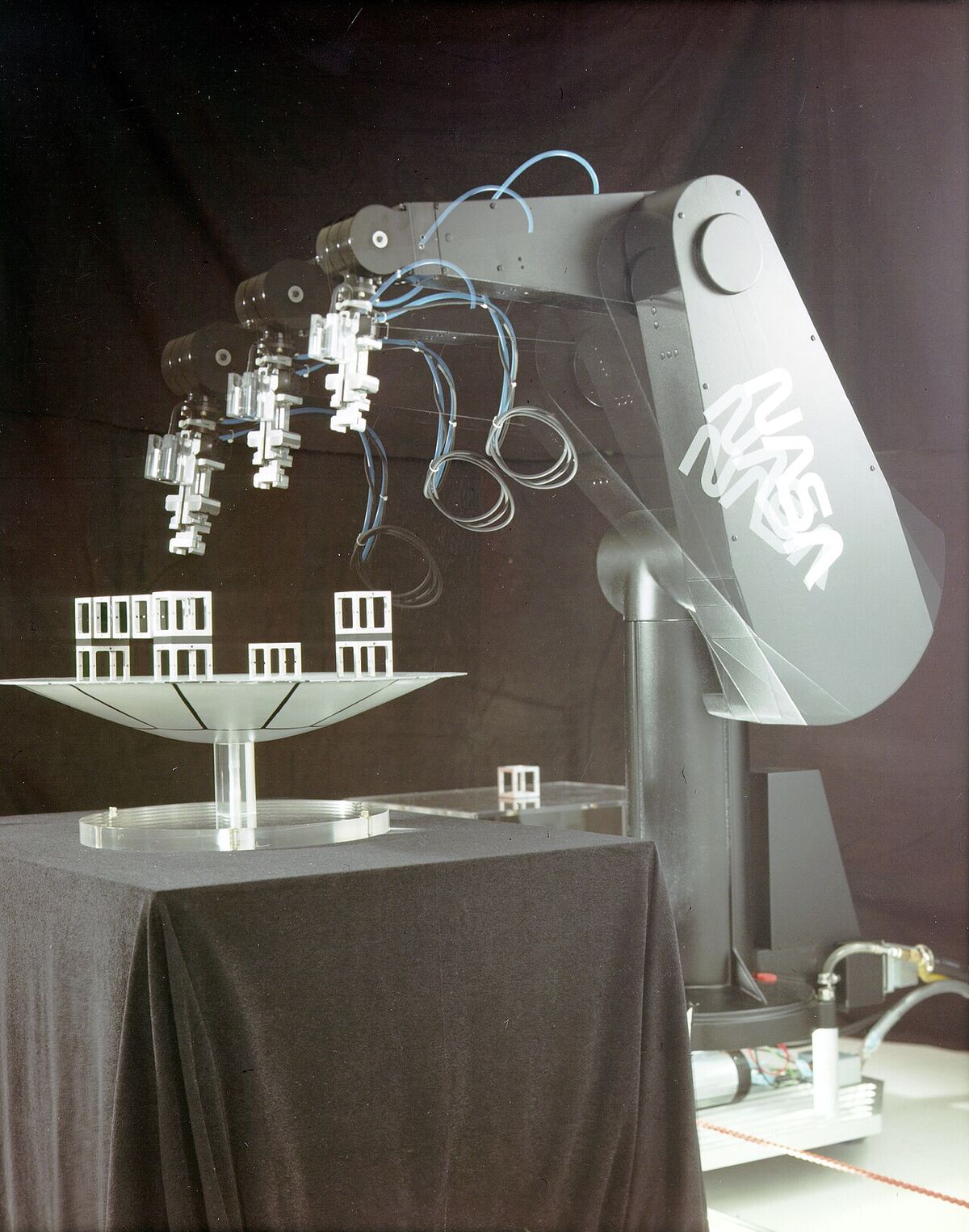
To make BCIs accessible to thousands (and eventually millions) of people, the surgical procedure has to be fast, safe, and minimally invasive. That requirement is why advanced surgical robots matter so much.
What can the latest surgical robots do?
The latest iterations of surgical robots used by companies like Neuralink are pushing the boundaries of medical automation:
- Lightning-Fast Insertion: These robots can now insert a single micro-thread into the brain tissue in mere seconds—about 1.5 seconds per thread, to be precise.
- Adapting to Human Anatomy: With insertion depths exceeding 50 millimeters, the robotic systems can now accommodate over 99% of the anatomical variations found in the human brain, making the procedure viable for a much broader population.
- Leaving the Dura Intact: In a major procedural leap, the newest threads can pass directly through the dura (the tough outer membrane protecting the brain). Previously, surgeons had to remove or cut through a section of this membrane. Skipping this step makes the surgery far less invasive and significantly speeds up patient recovery times.
What is the difference between invasive and non-invasive BCIs?
The difference comes down to where the device sits and how much surgery it needs. While Neuralink grabs headlines with its fully implanted devices, the wider industry is tackling the problem from multiple angles:
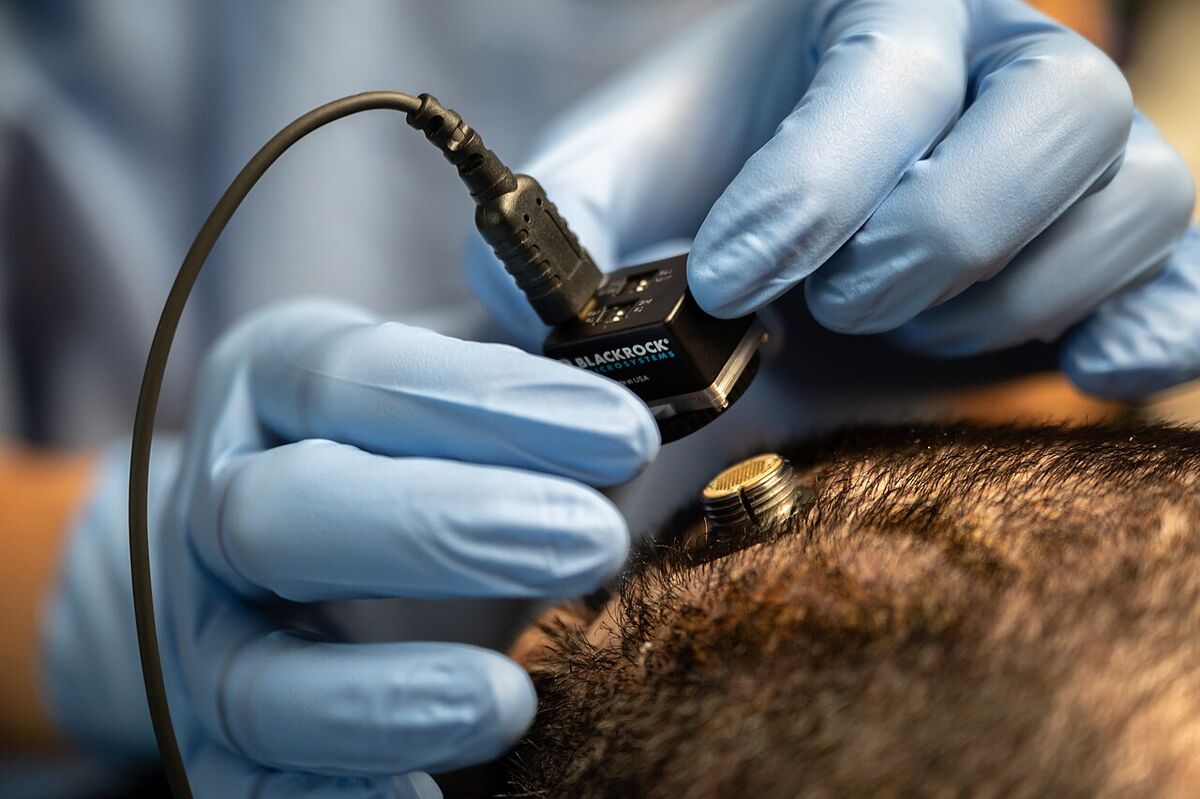
- Invasive Devices: Like Neuralink's threads, these are placed directly into the brain tissue. They offer the highest fidelity and fastest signal reading, but require surgery.
- Endovascular Devices: Companies like Synchron thread a stent-like device up through blood vessels to reach the brain, avoiding open brain surgery entirely while still capturing strong signals.
- Surface Arrays: Devices like those from Precision Neuroscience use a thin-film array placed on the surface of the brain, requiring only a tiny slit in the skull.
What's next for the mind-machine connection?
The next step is lower barriers to entry as production scales and automated surgery becomes standard practice. For individuals who have lost their physical mobility, this technology isn't a cool gadget; it is the restoration of independence and a reconnection to the digital world.
Widespread consumer use (think controlling your smartphone or smart home with your thoughts just for convenience) is still further down the road, but the foundational infrastructure is being built right now. The progress in 2026 is methodical and ambitious, and the bridge between the biological brain and artificial intelligence is no longer theoretical—it is actively under construction.