The Reality of AI Supercomputing Platforms: The Great Bottleneck of Enterprise AI in 2026
- AI & Data, Hardware, Business & Marketing
- Exienent
- · Updated
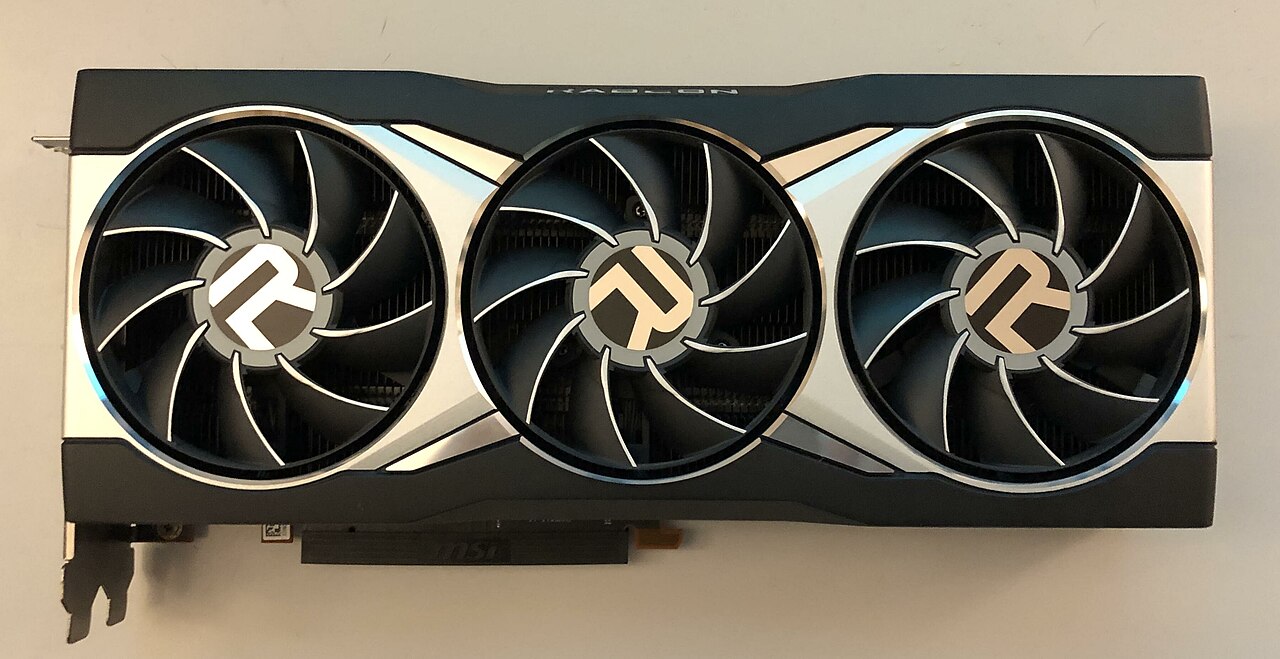
The biggest bottleneck for enterprise AI in 2026 is not software or algorithms but hardware: scarce GPUs, the ongoing cost of inference, and the electricity and cooling that AI racks demand. That is why Gartner named 'AI Supercomputing Platforms' one of the most critical strategic tech trends for 2026—companies that cannot secure and run compute efficiently will struggle to turn AI plans into working systems.
Consider a typical ambitious project: training a company's own Domain-Specific Language Model (DSLM) from scratch on decades' worth of proprietary legal contracts. At the planning stage, it is tempting to assume that decent code and the latest open-source models will be enough. But once you open the hood, the real problem turns out not to be the "software" or the "algorithms." What holds such projects back is the endless thirst for "hardware"—the sheer computing power required. Below is a look past the flashy exterior of AI at the cold, hard reality of silicon and power.
Why Is Securing GPUs So Hard in 2026?
Securing GPUs is hard because capable AI accelerators face severe global shortages. On the first day of model training, a team trying to spin up H100 GPU instances in the cloud console can be met with a screen that is hard to believe: "All GPU resources in this region are currently exhausted."
In the past, infinite cloud resources were just a few clicks away. In 2026, that is no longer true. Even if you're lucky enough to snag an instance, skyrocketing cloud bills can threaten to vaporize a team's annual budget in a single month. We are living in an era where the ability to secure and optimize computing resources (Compute) has become a company's most formidable competitive advantage—far more than just the ability to write code.
What Is Inference Economics?
Inference economics is the discipline of minimizing the cost of answering each query once a model is deployed. Successfully training a model isn't the end. The real nightmare begins in the "Inference" phase, when you deploy the model into a live service and thousands of employees start firing questions at it simultaneously.
Running a massive model with trillions of parameters for every single query is like driving a Formula 1 race car to the corner store for a carton of milk—a colossal waste of resources. This is exactly why Inference Economics becomes the central focus for enterprise AI teams.
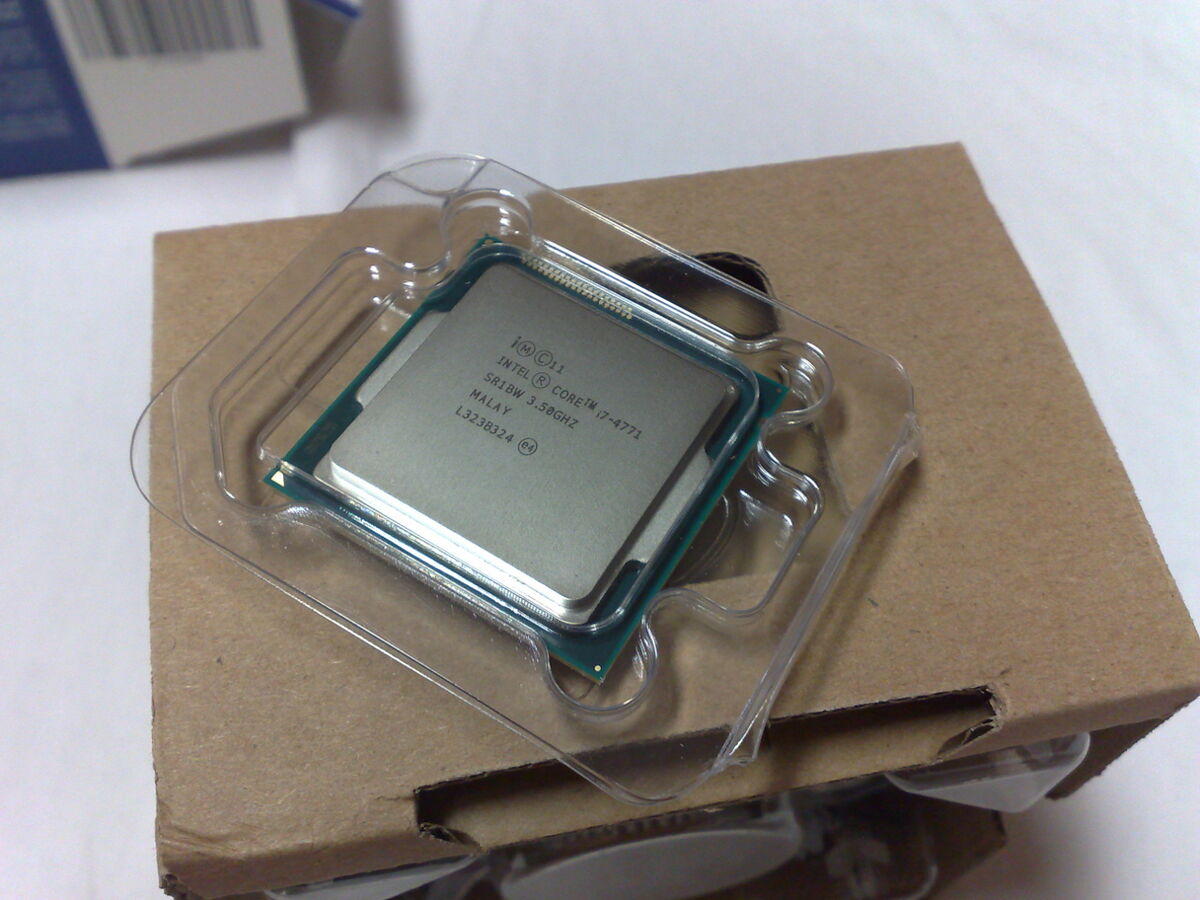
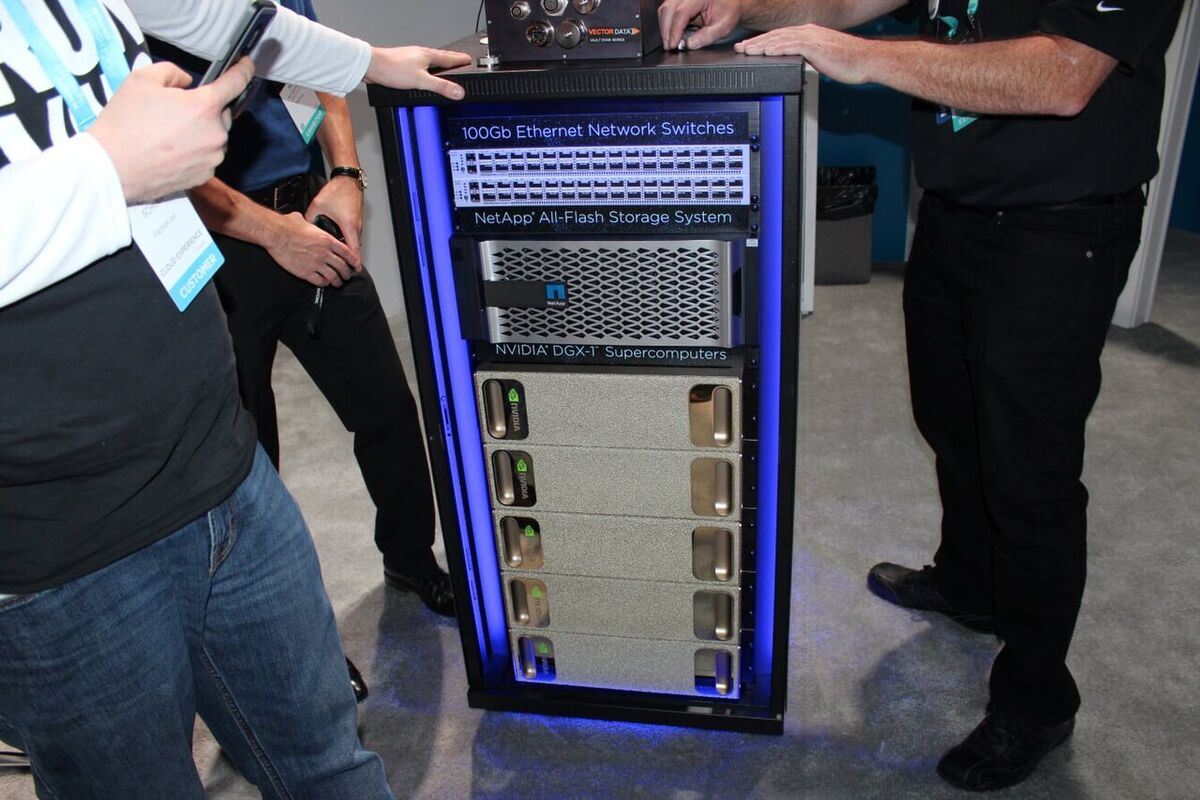
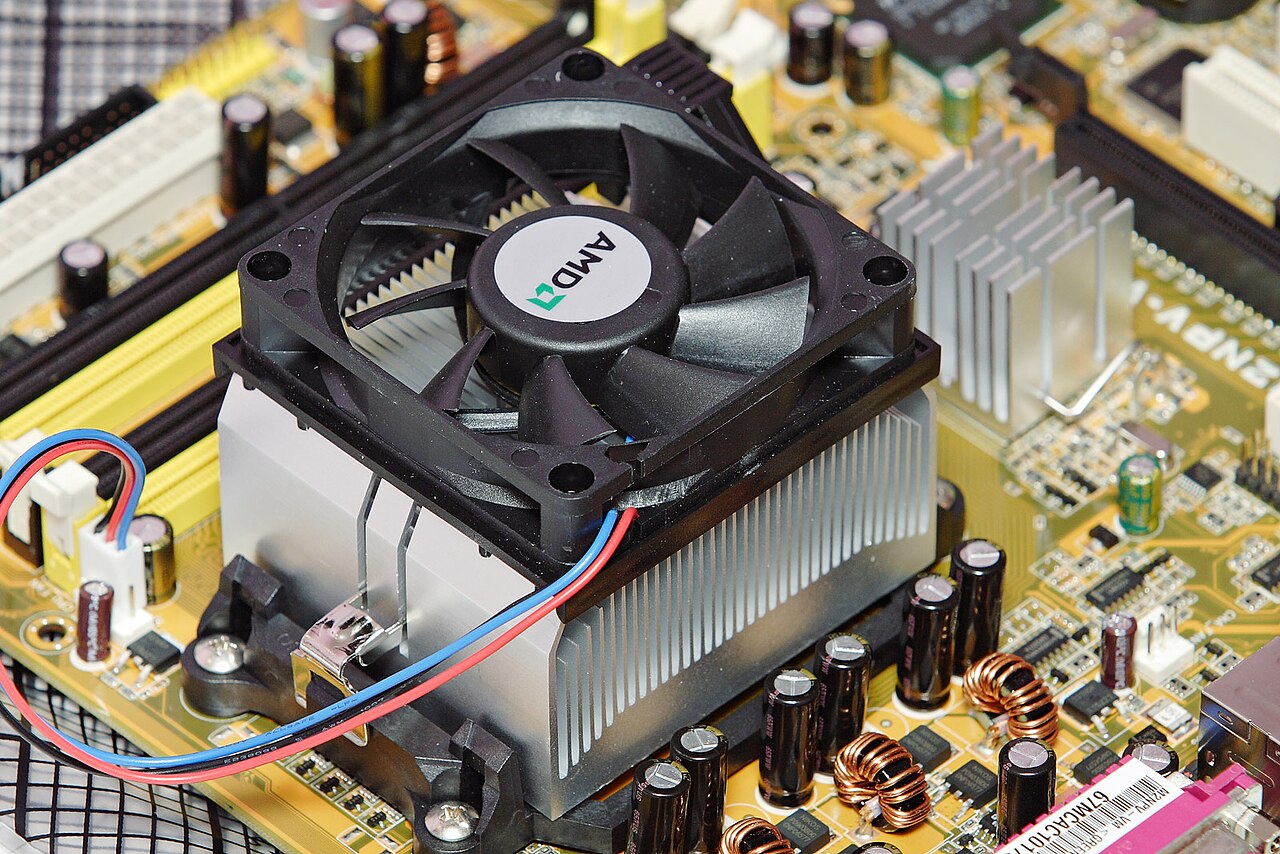
One response is to move away from expensive servers packed with general-purpose GPUs and migrate to an AI Supercomputing Platform based on dedicated AI chips (ASICs) designed exclusively for 'inference'. While these platforms can be poor at training from scratch, their speed and power efficiency when generating answers from an already-built model can be unmatched.
Why Are Power and Cooling Now AI Constraints?
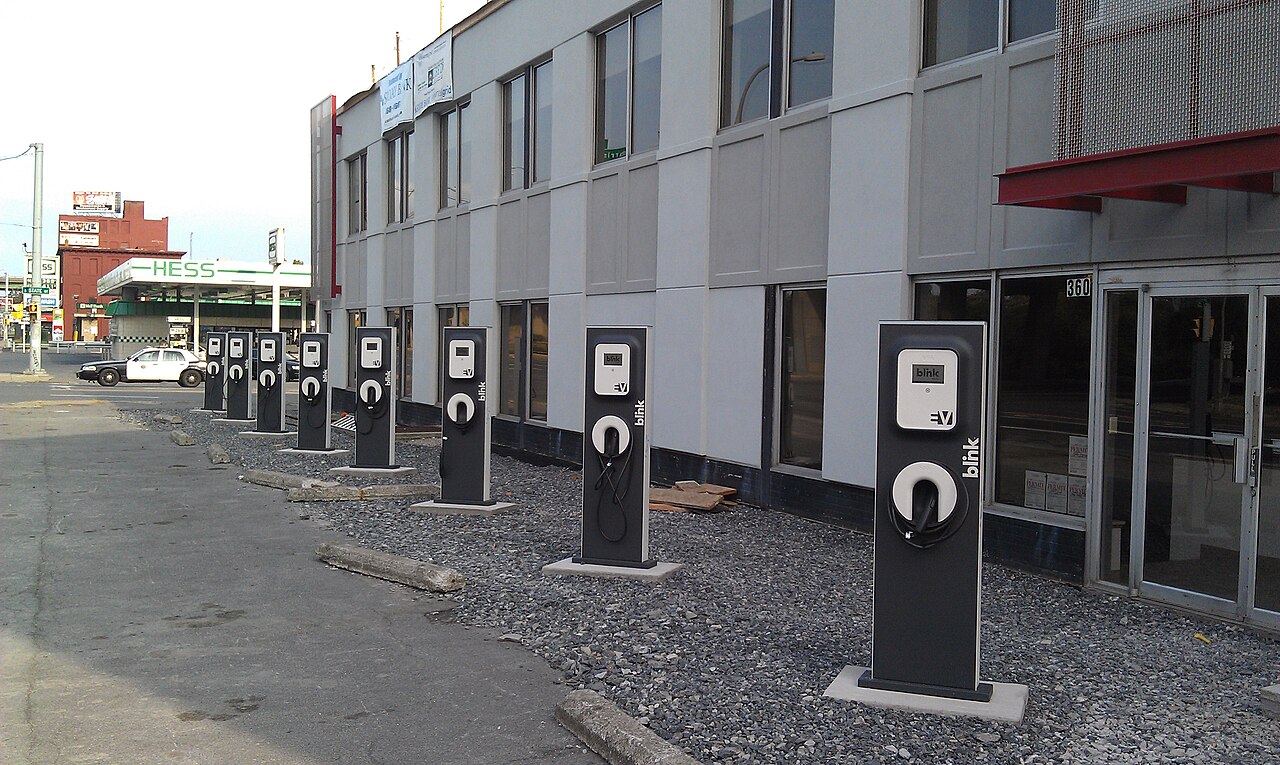
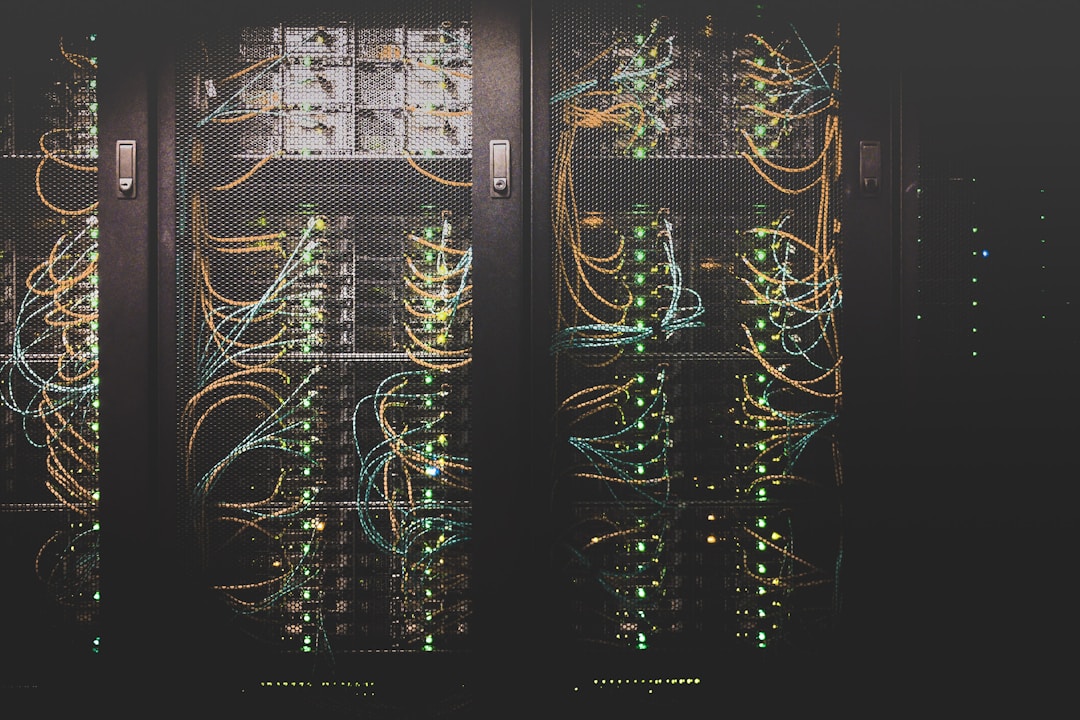
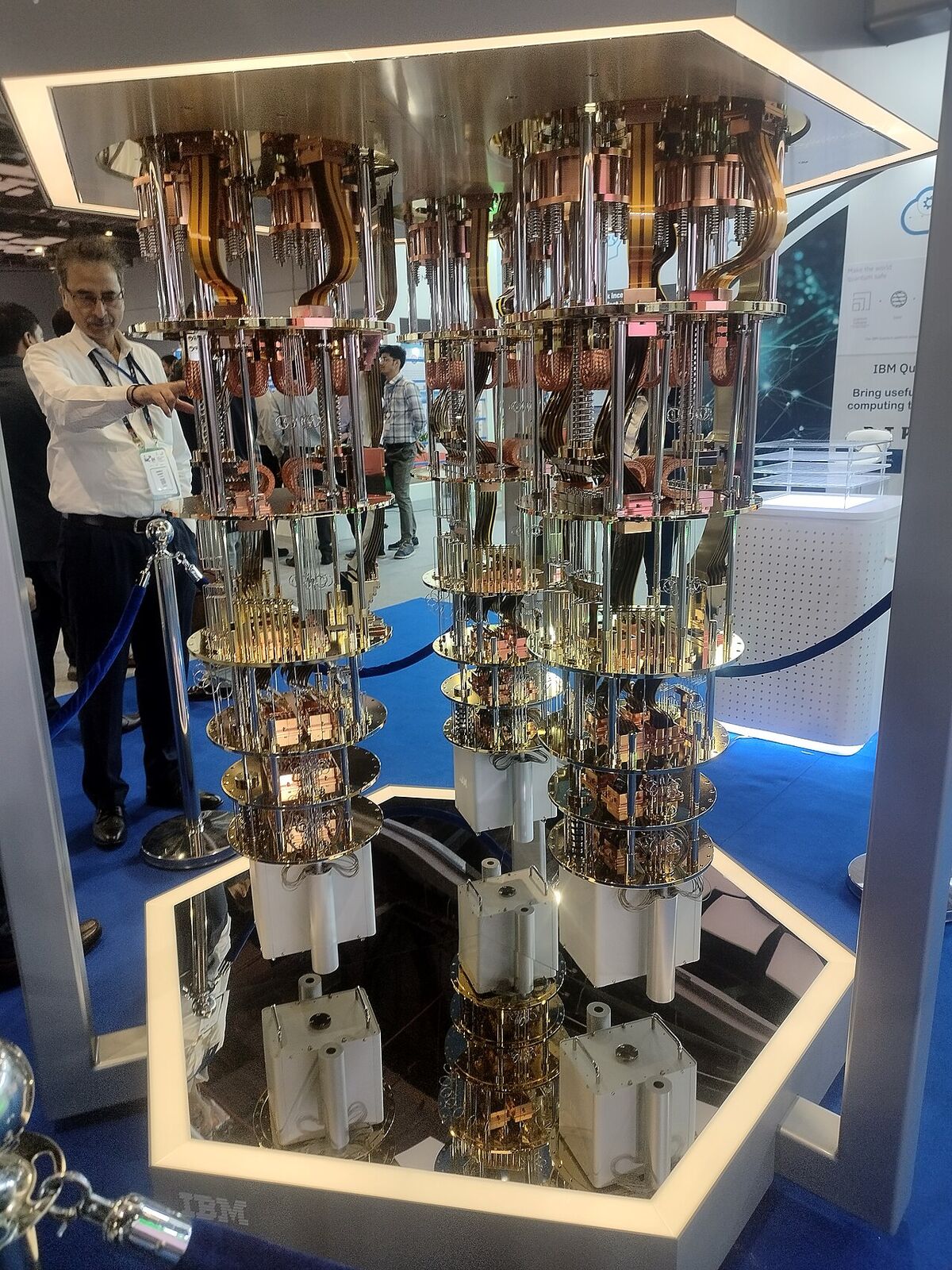
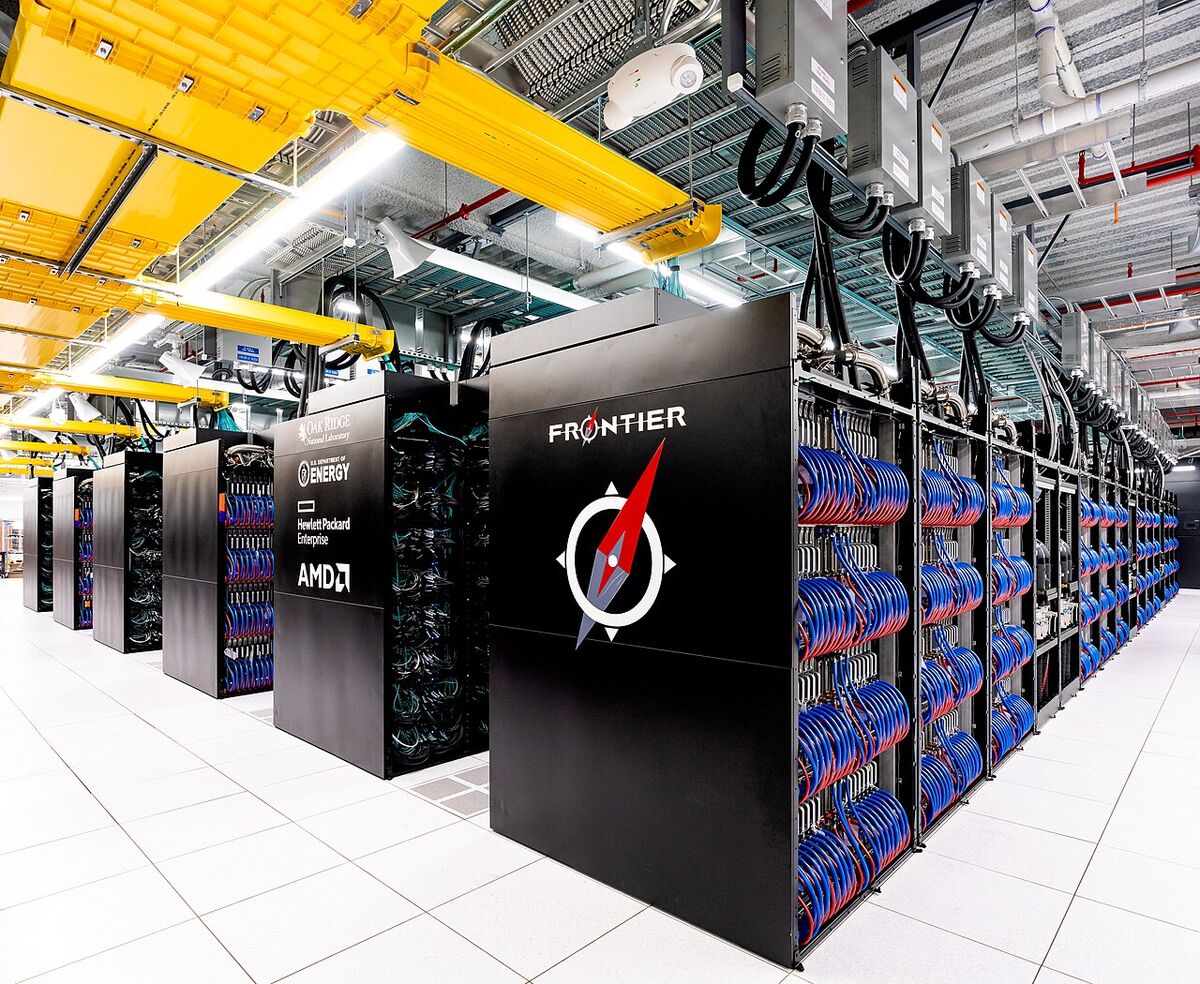
Power and cooling become constraints because AI hardware is physical, not a magical entity living in a virtual "Cloud." When a company builds out part of its AI supercomputer on-premise, the most tangible limits it faces are electricity and heat.
A single high-performance AI rack can put out more heat than ten standard servers combined. Existing, aging air-cooling systems may simply be unable to handle that load, which can force heavy investment in retrofitting server rooms with Liquid Cooling systems.
It is easy to underestimate how much time an AI project can end up spending on "how to route enough electricity and cool the racks" rather than "how to build the smartest AI model."
Is AI Infrastructure or Software?
In 2026, AI is infrastructure as much as software. AI innovation is no longer achieved by just having a few clever prompt engineers in the room.
Unless it is backed by the solid, physical infrastructure of an AI Supercomputing Platform capable of processing massive amounts of data and complex algorithms without bottlenecks, a company's grand AI blueprints are nothing more than a pipe dream.
If your organization is just beginning to seriously consider AI adoption, I strongly advise you to work out a cold, realistic infrastructure strategy first. Deciding which AI model to use is important, but figuring out where, how, and with what budget you are actually going to run it is what will determine your success.