The 'Black Mass' Revolution: How We Are Finally Fixing the EV Battery Problem in 2026
- Tech Trends, Environment, Hardware
- Exienent
- · Updated
Dead electric vehicle batteries no longer have to be a toxic dead end. In 2026, they are shredded into a dark powder called Black Mass, and advanced recycling pulls the lithium, cobalt, nickel, and manganese out of it to build new batteries. The battery recycling industry has quietly scaled up into a massive, highly profitable sector around this process.
That answers one of the most persistent objections to EVs: "But what happens to those massive, toxic batteries when they die?" It is a completely fair question. For a long time, the plan for dealing with millions of dead lithium-ion batteries was... well, not great. Understanding how black mass works changes the picture of the long-term sustainability of EVs.
What Is Black Mass?
Black mass is the powder left after end-of-life EV batteries are shredded. When a battery reaches the end of its life, it doesn't just go into a landfill. Instead, it gets sent to a specialized recycling facility, where the battery packs are shredded and crushed down entirely.
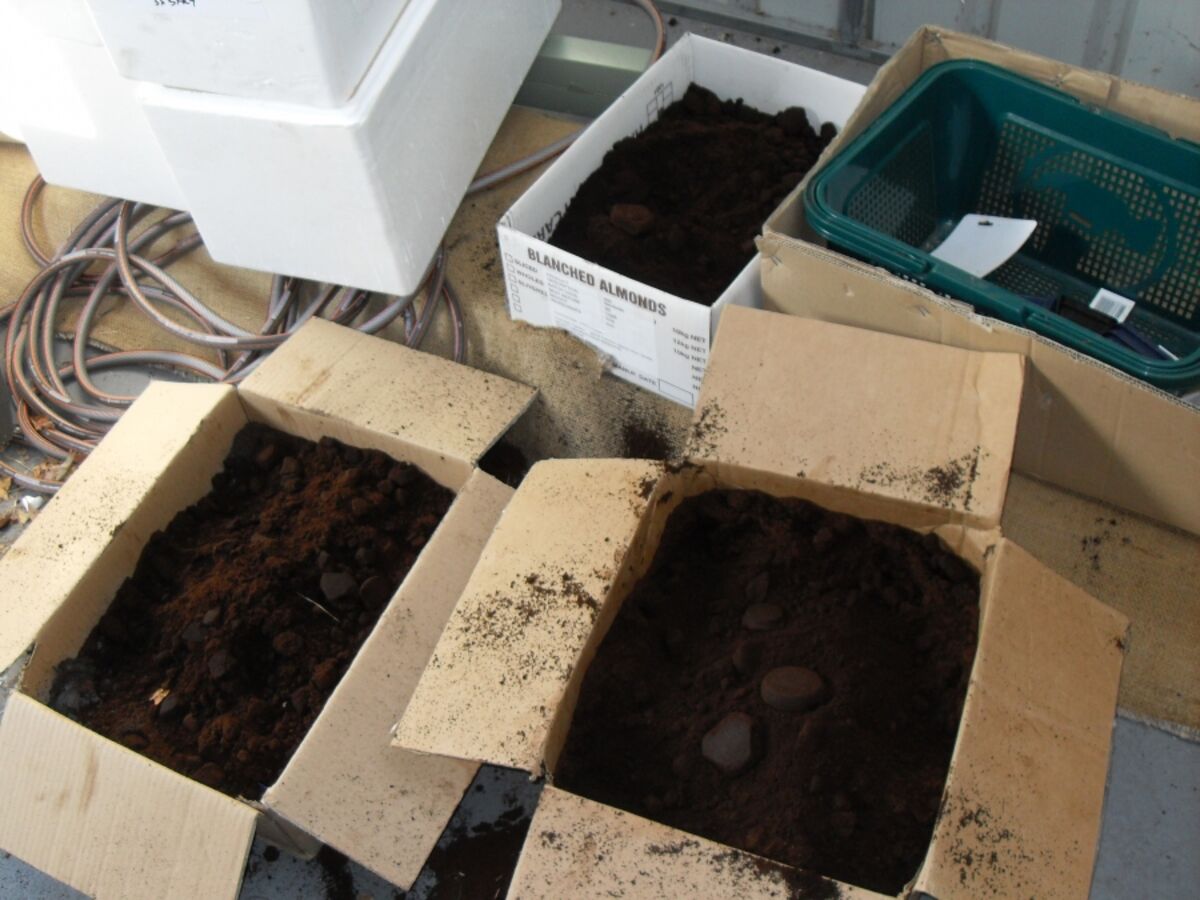
The resulting mixture is a dark, powdery substance that the industry calls "Black Mass."
It might not look like much—honestly, it looks a lot like dirty printer toner—but it is incredibly valuable. Black mass contains high concentrations of the critical metals needed to build new batteries, primarily lithium, cobalt, nickel, and manganese.
Why Is Black Mass Such a Big Deal Right Now?
Black mass matters now because recovering its metals has finally become efficient enough to compete with mining. Up until a few years ago, extracting these metals was expensive, energy-intensive, and frankly, a bit messy. It was often cheaper for companies to just mine fresh materials out of the ground.
Several converging factors have made black mass the hottest commodity in the energy sector:
- Advanced Hydrometallurgy: Instead of melting the batteries down in giant furnaces (which wastes energy and loses materials), the industry has shifted to hydrometallurgy. This process uses chemical solvents to dissolve the black mass and extract the pure metals at a microscopic level. It is vastly more efficient, recovering over 95% of the valuable materials.
- Geopolitical Independence: Countries are realizing that relying on a few specific nations for all their battery mining is a huge strategic vulnerability. By aggressively processing black mass locally, nations are essentially creating a domestic "urban mine" that reduces their reliance on foreign supply chains.
- True Circularity: A battery made from recycled black mass isn't lower quality than one made from freshly mined ore. Lithium is lithium, regardless of where it came from. This means we are finally approaching a truly circular economy where the materials from one generation of cars directly build the next.
What Does Black Mass Recycling Mean for the Future of EVs?
Black mass recycling turns EV batteries from a disposable liability into a perpetual asset. The scale of the industry right now is hard to wrap your head around, with massive black mass processing plants coming online all over the world.
It turns out the solution to the EV battery problem wasn't to stop building them. The solution was to figure out how to infinitely reuse their core ingredients. Seeing how efficiently the old is now being torn down to build the new gives me a lot of hope that we might actually be able to pull this clean energy transition off.