Don't Throw Away Silica Gel Packets: Practical Household Uses
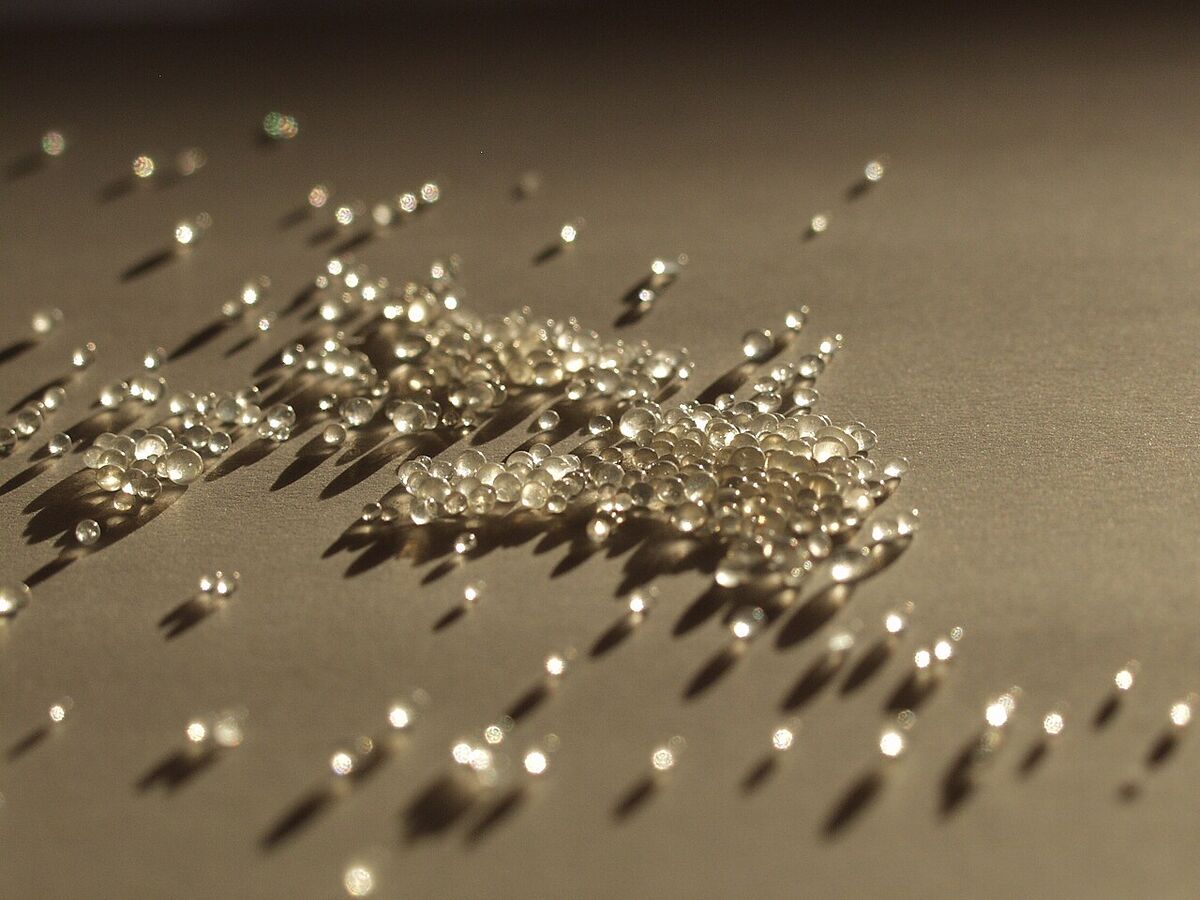
Silica gel packets are worth keeping: they absorb moisture, so they help keep small, sealed spaces dry, such as a jar of seeds, a toolbox or a box of photos. They work best in closed containers, where the packet only has a little air to dry. One popular use is overrated: for a wet phone, Apple's advice is air-drying, not sealing it in with a desiccant.
What do silica gel packets actually do?
They absorb water vapor. Poison Control explains that silica gel is a form of silicon dioxide with a very high surface area that lets it absorb water, which is why it's packed with pills, shoes and electronics.
Is silica gel dangerous?
Standard white or clear silica gel is considered non-toxic, according to Poison Control; the "DO NOT EAT" label is mainly about choking and, rarely, a blockage. Blue beads that turn pink contain a small amount of cobalt chloride, which is toxic, though a small accidental swallow is usually safe. Keep packets away from small children and pets, and call Poison Control (1-800-222-1222 in the US) if someone swallows several.
What are the best ways to reuse silica gel packets?
They are most useful in small sealed containers:
| Use | How | Why it helps |
|---|---|---|
| Storing seeds | Seal seeds in a glass jar with silica gel | Seeds keep best dry and cool |
| Toolbox or razor drawer | Drop a few packets in with the tools | Less moisture on metal surfaces |
| Photos and documents | Add packets to a closed storage box | Keeps the air inside the box drier |
| Gym bag and shoes | Put a packet in each shoe overnight | Dries leftover sweat a little faster |
How do you use silica gel to store seeds?
Iowa State University Extension gives a simple method: put the seed in a labeled envelope and an equal amount of silica gel in a separate envelope, seal both in a clean glass jar, and after one to two weeks the seed is dry enough to store. Then take the gel out, put the seed envelope back in the jar and keep it somewhere cool and dry, such as a cool closet or the refrigerator.
Can silica gel rescue a wet phone?
Don't count on it. The popular claim is that a sealed box of silica gel dries electronics better than rice. Apple does warn against rice, saying small particles of rice could damage your iPhone, but its advice isn't silica gel either. Apple says to unplug the cable, tap the phone gently with the connector facing down, and leave it in a dry place with some airflow, waiting at least 30 minutes and up to a day before charging. It also says not to use heat, compressed air or anything pushed into the port.
For other devices, follow the manufacturer's instructions.
Where do silica gel packets not help?
Open spaces. A few small packets can't dry a whole closet or room; for that, the humidity of the room is the problem, and a dehumidifier or better airflow is the fix. Packets also fill up over time, so a jar that's opened often will need fresh ones.
If you want to go further into household upkeep, How to Clean a Mattress with Baking Soda and Winter Window Condensation: Causes & Fixes cover it in more detail.