Why Lab-Grown Diamonds Became the New Standard for Jewelry in 2026
- Lifestyle, Technology
- Exienent
- · Updated
Lab-grown diamonds are real diamonds—chemically, physically, and optically identical to mined stones—and in 2026 they cost roughly 70% to 80% less for the same carat, cut, color, and clarity. Add guaranteed conflict-free sourcing and a smaller environmental footprint, and it is easy to see why they have become the new standard for jewelry.
Choosing between a natural diamond mined from the earth and a lab-grown diamond created by a machine used to be incredibly controversial. A few years ago, the stigma around synthetic stones was real; people called them "fake" or "cheap." In 2026, with two visually identical stones side-by-side, the choice can feel shockingly simple. If you are shopping for an engagement ring, a gift, or just treating yourself this year, you have probably noticed a massive shift in the market. Here is why it happened, and what you need to know before you buy.
Are Lab-Grown Diamonds Real Diamonds?
Yes, lab-grown diamonds are 100% real diamonds. They are chemically, physically, and optically identical to mined diamonds. The only difference is their origin.
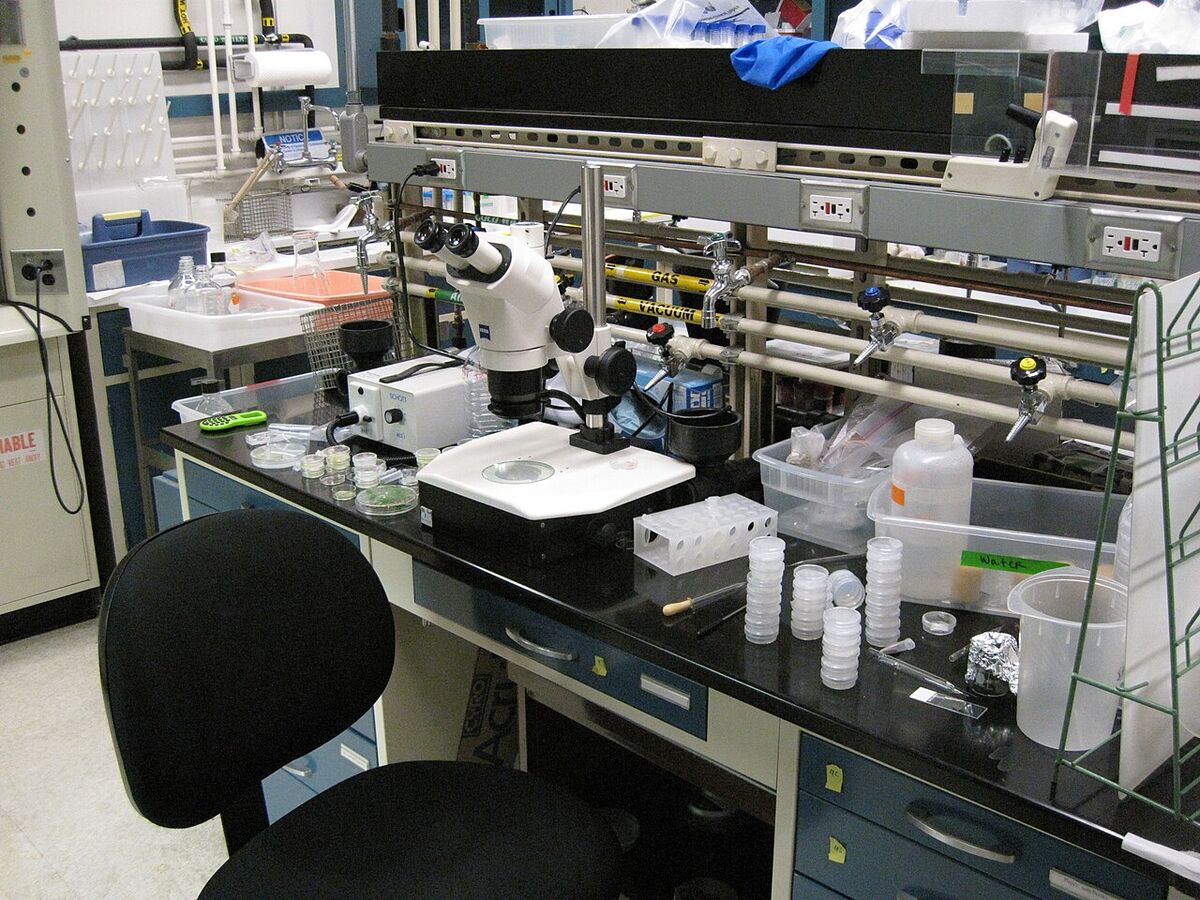
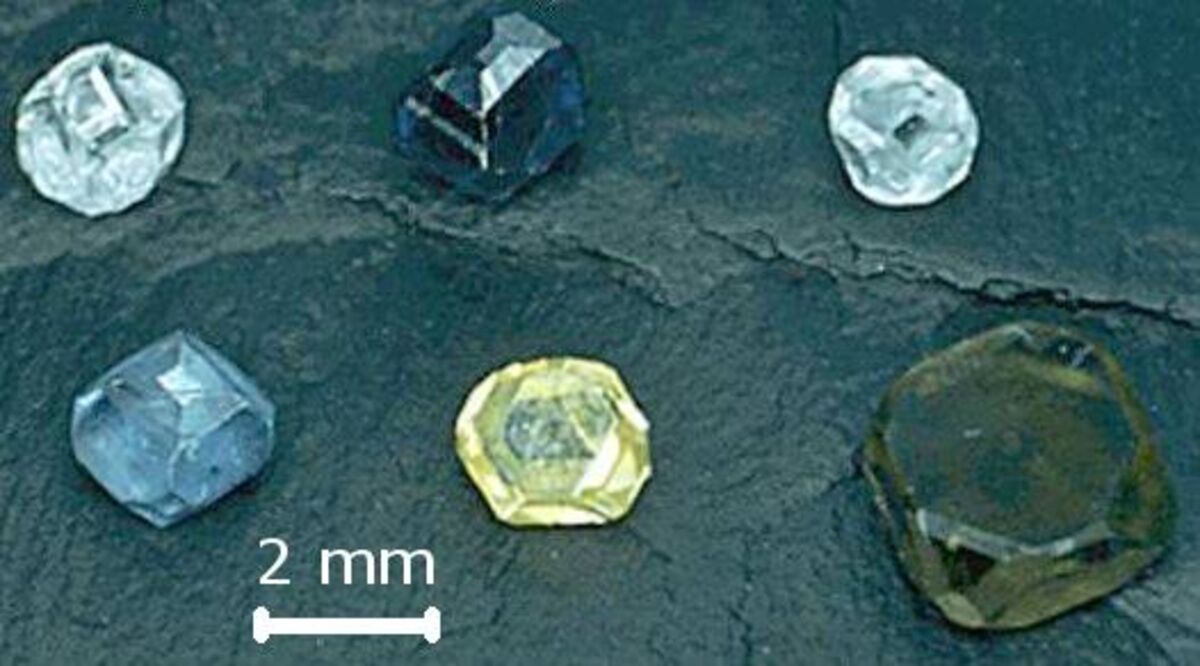
Instead of being crushed under billions of years of geological pressure deep within the Earth, these diamonds are grown in highly controlled laboratory environments using processes like High Pressure High Temperature (HPHT) or Chemical Vapor Deposition (CVD). It takes weeks, not millennia, to grow a flawless stone.
Even a seasoned jeweler with a magnifying loupe cannot tell the difference between a natural and a lab-grown diamond just by looking at it. They require specialized, expensive equipment that detects the microscopic trace elements and growth patterns to tell them apart. When light hits a lab-grown stone, it sparkles with the same fire and brilliance as any mined one.
Why Did the Diamond Market Shift So Quickly?
The market shifted because of three hard-to-argue-with factors: price, ethics, and environmental impact. The rapid adoption of lab-grown diamonds over the past few years isn't just a fleeting trend; it is a permanent socioeconomic shift.
- The Price Difference is Staggering: This is the most obvious factor. In 2026, a high-quality lab-grown diamond costs significantly less than a mined diamond of the exact same carat, cut, color, and clarity. We are talking about savings of 70% to 80%. When a flawless 2-carat lab-grown stone can cost about as much as a heavily flawed 1-carat mined stone, the "prestige" of a mined diamond starts to look like a massive rip-off.
- Guaranteed Conflict-Free: While the traditional diamond industry has made strides with certifications like the Kimberley Process, tracking the exact origin of a mined diamond is still notoriously murky. With a lab-grown stone, you know exactly where it came from. There are no ethical concerns about exploitative mining practices or funding conflicts.
- A Smaller Environmental Footprint: Traditional diamond mining requires moving literal tons of earth, consuming vast amounts of diesel fuel, and disrupting local ecosystems. While laboratories do require significant electricity to grow diamonds, many modern facilities are now powered by 100% renewable energy, drastically lowering their carbon footprint compared to open-pit mining.
How Have Traditional Jewelers Pushed Back?
The old-guard diamond mining conglomerates responded with massive marketing campaigns. For a while, they tried to convince us that mined diamonds hold "inherent, rare value" while lab-grown ones are essentially just mass-produced widgets.
But consumers have caught on. The truth is, traditional diamonds aren't nearly as "rare" as marketing executives want us to believe; their supply has been artificially restricted for over a century to keep prices high. The argument that a mined diamond is an "investment" has also fallen apart, as the resale value of any diamond—natural or lab-grown—plummets the moment you walk out of the store.
What Should You Know Before Buying a Lab-Grown Diamond?
If you are leaning toward a lab-grown diamond, a few practical points matter most:
- Demand Proper Certification: Just because it was made in a lab doesn't mean it is perfect. Always ensure the diamond comes with a grading report from a reputable institution like the IGI or GIA. They grade lab-grown stones on the exact same 4Cs (Carat, Cut, Color, Clarity) as natural ones.
- Focus on the Cut: Because lab-grown diamonds are so much more affordable, you can prioritize the quality of the cut. An excellent cut is what gives a diamond its mesmerizing sparkle, and with the money you save on the origin, you shouldn't compromise here.
- Ignore the Resale Value: Buy a diamond because you love how it looks and what it represents, not because you think you can sell it later for a profit. The secondary market for all diamonds is notoriously poor.
Does Choosing Lab-Grown Mean Compromising?
Choosing a lab-grown diamond doesn't mean compromising on quality, beauty, or sentiment. It simply means making a modern, logical choice that aligns with 2026 values: transparency, ethical sourcing, and incredible value for your money. A lab-grown stone isn't a lesser "synthetic." It is a beautiful piece of jewelry that doesn't have to break the bank or harm the planet. And honestly, I think that shines brighter than anything else.