The Rise of Inference Economics: How Specialized Hardware Can Slash Your Cloud Computing Bill in 2026
- Technology, Software Engineering
- John Doe
- · Updated
Inference Economics is the recognition that running a trained AI model calls for different hardware than training it. If you serve an AI application on dedicated general-purpose GPUs, much of what you pay for sits idle. Moving to specialized inference chips such as LPUs (Language Processing Units), paying per token instead of per hour, and using smaller quantized models can cut cloud bills dramatically while also improving response latency.
Cloud computing costs for AI applications are probably keeping a lot of indie hackers and CTOs awake at night in 2026. The pattern is familiar: you launch a relatively simple generative AI tool, say one that summarizes video transcripts, and traffic picks up nicely. Then the AWS bill arrives, and keeping A100 GPUs spinning to serve inference requests can cost thousands of dollars a month. You are technically "succeeding" in gaining users, but the unit economics are broken.
The fix is to re-architect the compute strategy around specialized hardware instead of traditional general-purpose GPUs. Here is how that works, and how you can stop burning money on your AI apps.
Why Are GPUs Inefficient for AI Inference?
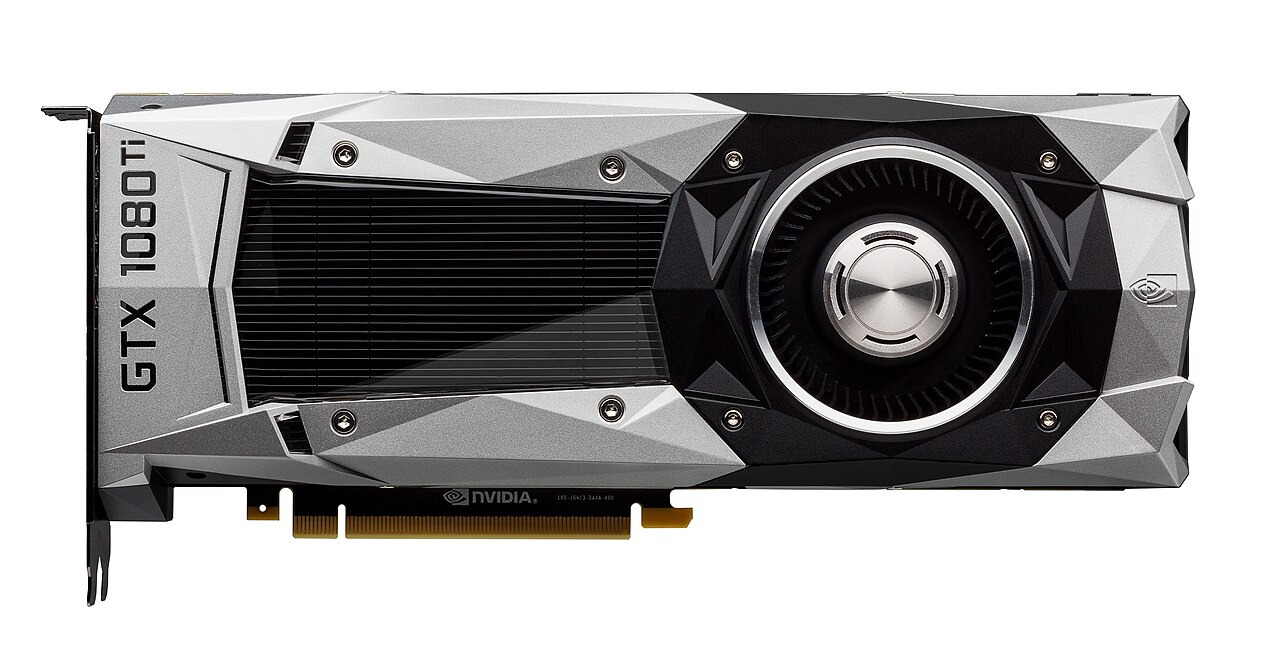
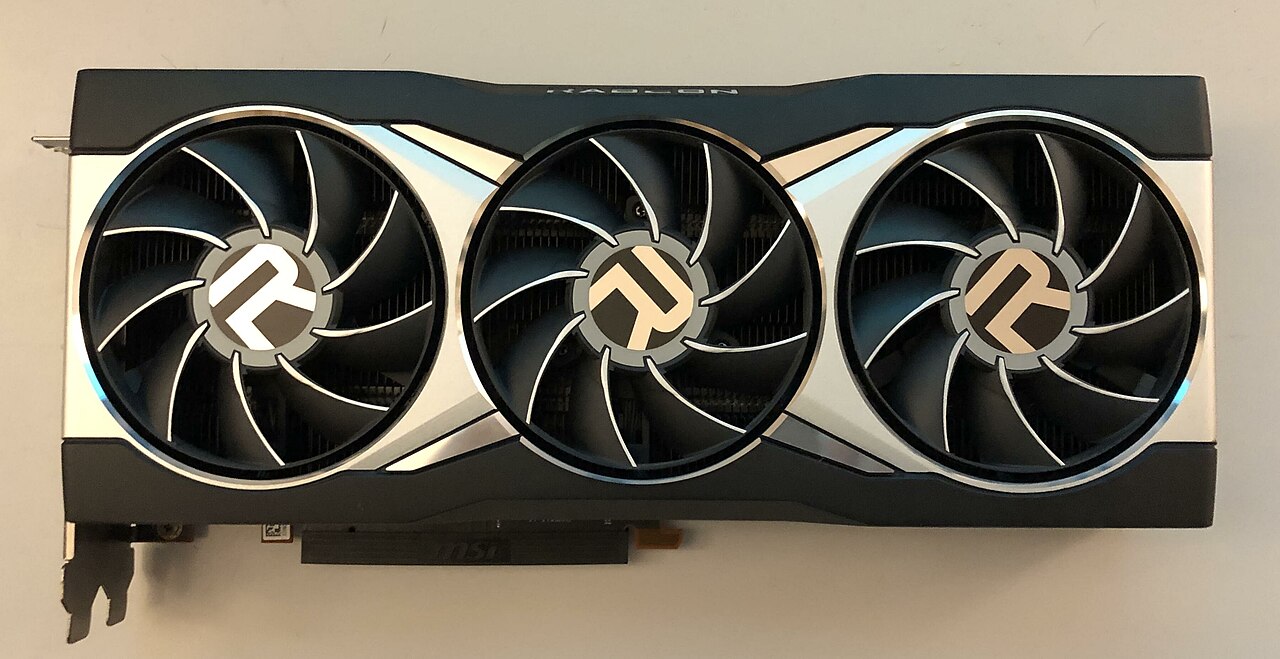
GPUs are inefficient for inference because most of their capacity goes unused during text generation. For the last few years, the narrative was simple: "You need Nvidia GPUs to run AI." While that's true for training models, it turns out to be wildly inefficient for running them (inference).
When a user submits a prompt to an application like a video summarizer, the model is already trained. It just needs to generate the text. Using a massive H100 or A100 for this is like using a dump truck to deliver a single pizza. You're paying for memory bandwidth and compute cores that sit idle during text generation.
This inefficiency is the core of the problem. Inference Economics is the shift towards realizing that generating tokens efficiently requires fundamentally different hardware architecture than training models.
What Hardware Is Better for Inference?
Platforms built around specialized inference chips are the main alternative to the big cloud providers' default GPU instances. The most notable are LPUs (Language Processing Units) from companies like Groq, alongside optimized instances from newer specialized cloud providers.
Here is the practical breakdown of why this shift matters:
- Token Generation Speed: Traditional GPUs often bottleneck because they have to constantly move data between memory and the compute cores for every single token generated. LPUs are architected specifically to overcome this memory bottleneck for sequential generation, which can substantially reduce time-to-first-token (TTFT).
- Predictable Pricing: Instead of paying by the hour for a machine that sits idle much of the time waiting for traffic spikes, you can move to a pure pay-per-million-tokens model on specialized inference providers. You only pay when your app is actively generating text.
- Smaller, Quantized Models: Simple summarization may not need a massive 70B parameter model. A well-tuned 8B model quantized to 4-bit can run very fast on cheaper, specialized silicon, often without noticeable quality loss for narrow tasks.
How Do You Migrate to Specialized Inference Hardware?
Migrating isn't a simple toggle switch; it takes some engineering effort. A phased transition reduces the risk:
Phase 1: Profiling and Model Swap
Before touching hardware, analyze your logs. If most requests are short, transactional jobs, you can swap a bloated open-weight model for a custom-fine-tuned, heavily quantized version. That reduces memory requirements immediately and may let you step down from top-tier GPUs to mid-tier ones as a stopgap.
Phase 2: API Gateway Abstraction
Build a lightweight routing layer (for example, using Cloudflare Workers) in front of your inference calls. Your main application backend then doesn't care where the AI is running. It just sends a standardized request and waits for the stream.
Phase 3: Moving to Inference-as-a-Service
With the abstraction layer in place, point production traffic away from dedicated EC2 instances and over to a provider specializing in LPU hosting. Monitor error rates closely for the first couple of days, and watch for timeout blips during the switchover.
How Much Can Inference Economics Save?
The savings depend on your traffic, but the structure of the costs explains why they can be large:
- The Old Way (Dedicated A100s on AWS): You pay for every hour the GPUs run, including the idle time between requests.
- The New Way (Specialized Inference APIs + Edge Routing): You pay per token generated, on hardware built for generation, often with a smaller model.
For a bootstrapped project, that difference can decide whether the app is profitable or just an expensive hobby disguised as a business. Model your own request volume against both pricing structures before committing.
What Should Developers Take Away?
The era of defaulting to "spin up a GPU" for every AI project is over. If you are building AI applications in 2026, I believe you should treat Inference Economics as a core engineering competency, not just a finance team concern.
Stop paying for idle compute. Look into specialized hardware providers, embrace quantization, and abstract your routing so you can switch to the cheapest, fastest inference APIs on the market.
Have you started looking into specialized inference hardware for your projects yet? Let us know what your stack looks like these days!